Omija Berry (오미자): Korea's Five-Flavor Adaptogenic Berry
Discover Omija Berry (오미자) — the remarkable Schisandra chinensis fruit that holds five distinct flavors in a single berry. Explore its 400-year heritage in Korea's Dongui Bogam, the science of its lignans, and the art of cold-steep omija tea.
Medical Disclaimer: This content is for educational and informational purposes only and is not medical advice. The information presented is not intended to diagnose, treat, cure, or prevent any disease. Always consult a licensed healthcare practitioner before starting any new herbal practice or supplement. Statements regarding traditional herbal use have not been evaluated by the FDA.
Affiliate Disclosure: This article contains affiliate links. We may earn a commission if you purchase through these links, at no additional cost to you. We only recommend products we believe align with our editorial standards.
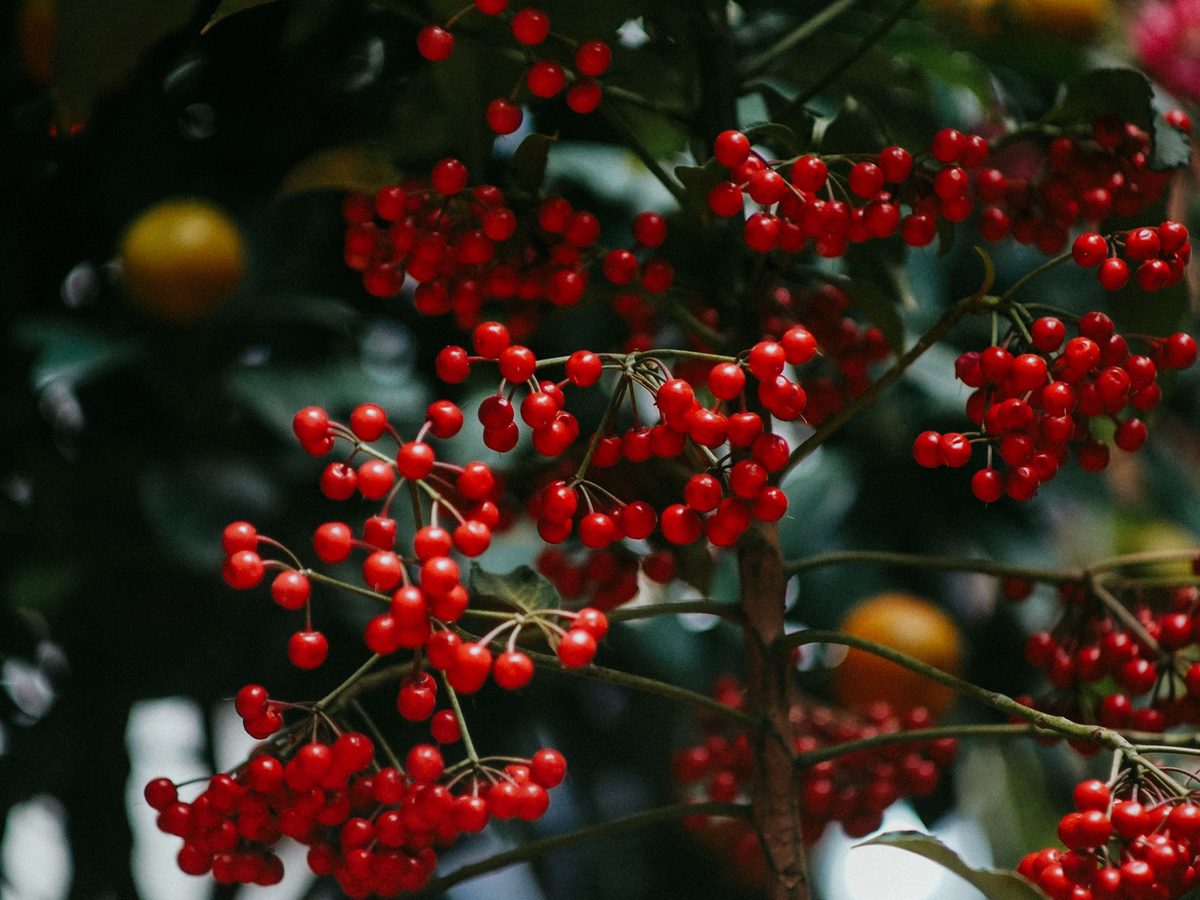
Most berries ask you to notice one thing: sweet strawberries, tart cranberries, bitter coffee cherries. Omija (오미자) — Korea's legendary five-flavor berry — insists on all five at once. Pop a single dried berry into your mouth and within seconds you will taste sour on the skin, sweet in the flesh, bitter and pungent from the seeds, and a quiet mineral saltiness binding everything together. It is one of the most genuinely unusual flavor experiences in the plant kingdom, and Korean culture has been building an entire wellness tradition around it for centuries.
Known botanically as Schisandra chinensis (Turcz.) Baill., omija belongs to the family Schisandraceae and produces small, grape-like clusters of deep crimson berries along woody vines that thrive in Korea's cool mountain valleys. The plant is also called Wu Wei Zi (五味子) in Chinese — literally "five flavor fruit" — and goes by the English names five-flavor berry, magnolia berry, and Chinese magnolia vine. But it is in Korea, particularly in the mountain passes of North Gyeongsang Province, where omija has become most deeply woven into the national identity: into court beverages, royal texts, seasonal festivals, and the everyday rhythm of Korean wellness.
This article traces omija from its mountain origins and classical Korean heritage through the modern science of its remarkable lignan compounds — and ends with the simple, meditative ritual of preparing a glass of omija tea at home.
Origins and Cultural Heritage
The most celebrated omija-growing region in Korea is Mungyeong (문경), a small mountain city in North Gyeongsang Province where the Sobaek Mountain Range creates the cool nights, foggy valleys, and clean mountain water that omija vines love. Mungyeong produces approximately 45 percent of Korea's annual omija harvest, and every autumn — typically September into early October — the region's hillsides turn a brilliant shade of red as the berries ripen. A regional omija festival draws visitors from across the country to celebrate the harvest and sample everything from omija wine and omija cheong (fermented syrup) to omija ice cream and omija soap.
The cultural roots of omija run considerably deeper than the modern festival circuit. Korea's foundational medical text, the Dongui Bogam (동의보감) — compiled by royal physician Heo Jun in 1613 and inscribed on UNESCO's Memory of the World Register in 2009 — documents omija as a fruit that "supports balance and vitality," with described effects on the lung, liver, and gallbladder. The text also references Omigalsu (오미갈수), a classical Korean beverage formulated from Schisandra extract and soybean, historically prescribed for sogal (消渴) — a condition described as excessive thirst, hunger, and urination, with symptoms analogous to those recognized in modern understanding of metabolic imbalance [Journal of Ethnic Foods, 2025].
In Korea's royal court culture, omija tea was a prized summer beverage served as omija hwachae (오미자 화채) — a chilled punch made by floating sliced fruit and edible flower petals in the distinctive ruby-red cold-steeped omija base. Hwachae was part of the refined seasonal beverage culture of Joseon court life, served during the hottest months when Korea's summers are fierce and humid, and the cooling, tartness of omija was considered especially restorative [Korea.net, Omija Hwachae].
The Five-Flavor Science: Why One Berry Holds Five Tastes
The name omija (오미자 / 五味子) means exactly what it says: five taste berry. This is not poetic exaggeration — it reflects a genuine biochemical reality in how the berry's different anatomical parts contribute distinct flavor compounds.
The skin (exocarp) is the most immediately noticeable: sharply sour from a high concentration of malic acid and citric acid — the same organic acids that give green apples and lemons their tartness. The flesh (mesocarp) softens this into sweetness, contributed by naturally occurring sugars. The seeds are the most complex component: they contain the highest concentration of omija's signature lignan compounds — schisandrins and gomisins — which deliver a pronounced bitterness and a warming pungency that lingers at the back of the throat. The fifth taste, saltiness, is the subtlest and most debated: it is thought to arise from mineral content and specific amino acid configurations in the berry as a whole.
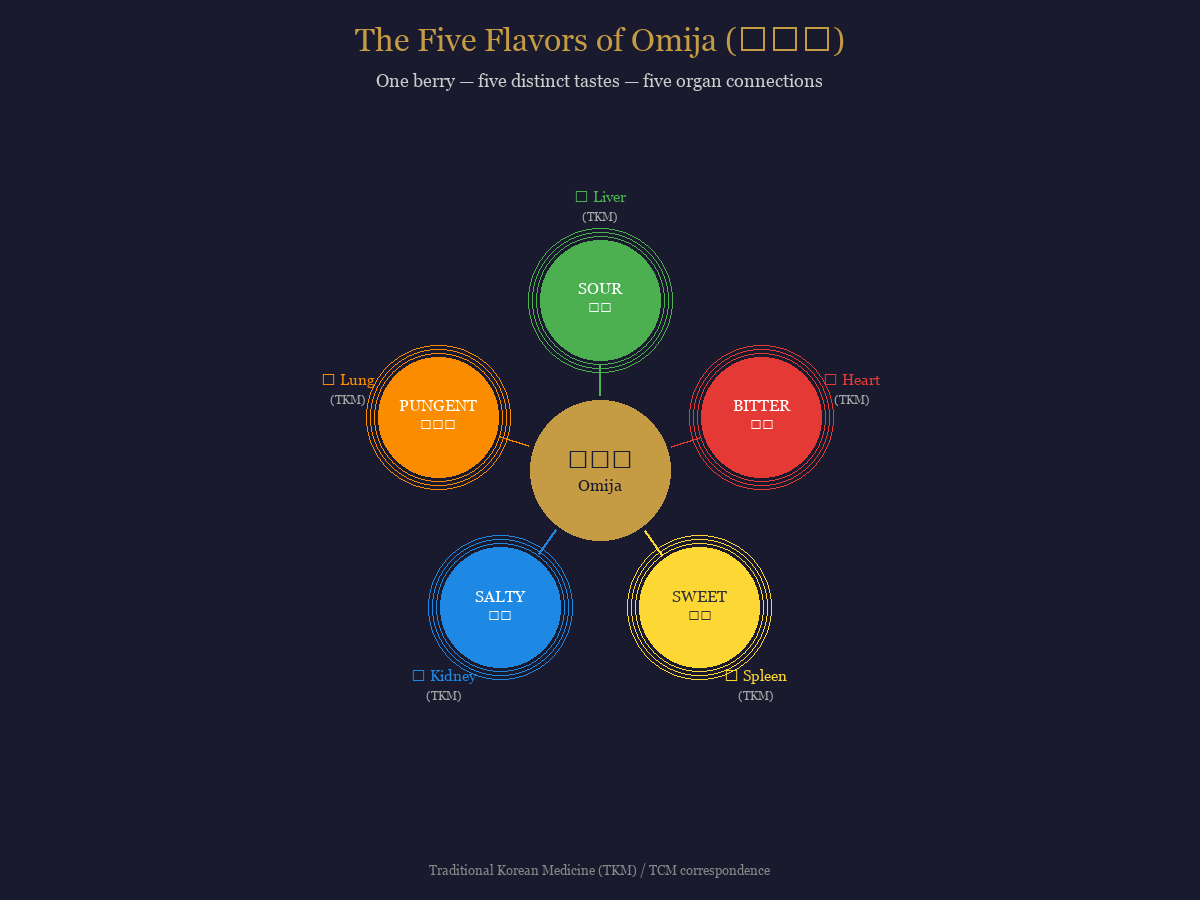
In Korean traditional wellness (and its shared roots in Chinese classical theory), this five-flavor profile carries specific significance. Each of the five flavors (오미, omi) was understood to have an affinity with one of the five principal organ systems (오장, ojang):
- Sour (신, sin) → Liver
- Bitter (쓴, sseun) → Heart
- Sweet (단, dan) → Spleen / digestive system
- Salty (짠, jjan) → Kidney
- Pungent (매운, mae-un) → Lung
Because omija presents all five flavors simultaneously, classical Korean and Chinese practitioners regarded it as a uniquely comprehensive tonic — a single herb that could address balance across the entire organ system network. This framework is not a scientific claim about organ function in the biomedical sense, but it illustrates why omija occupied such a special position in East Asian wellness traditions: it was seen as holistically encompassing in a way that single-flavor herbs were not.
Key Bioactive Compounds
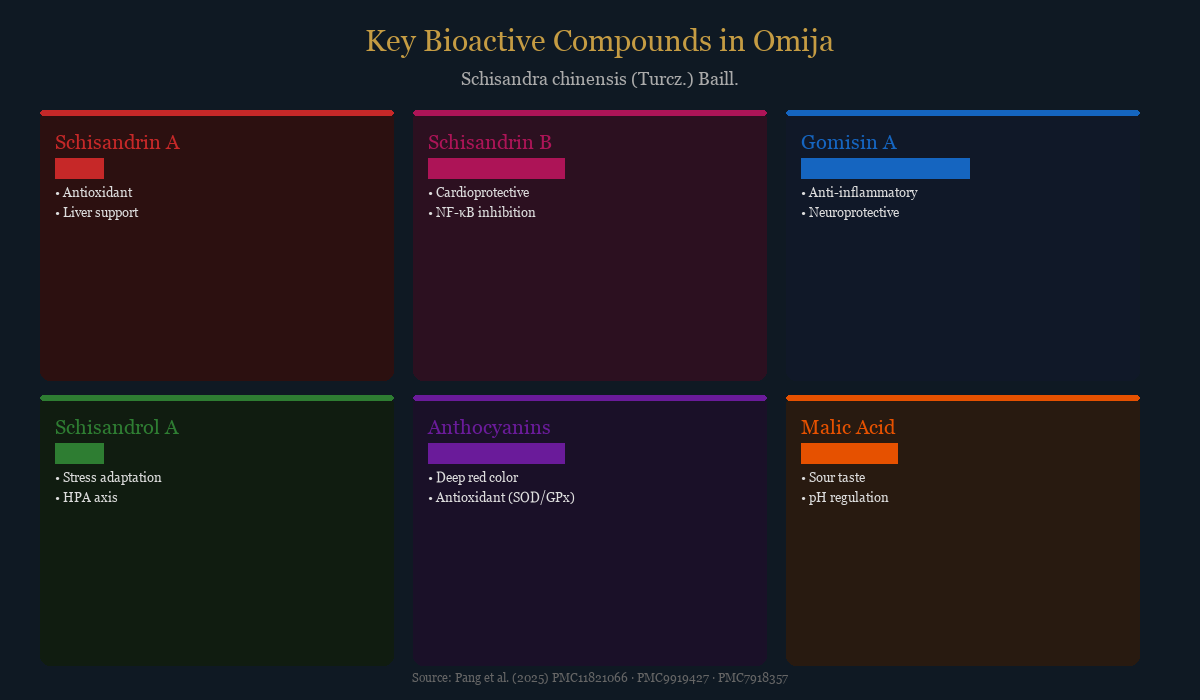
Modern phytochemistry has identified the molecules responsible for omija's biological character, and the picture is strikingly rich. The fruit of Schisandra chinensis contains over 30 individual lignans — a class of polyphenolic compounds unique to this plant genus and concentrated most heavily in the seeds (47.42 mg/g dry weight in seeds, compared to 3.20 mg/g in the pulp) [Kang et al., PMC7918357, 2021]. These lignans are the primary reason omija has attracted serious scientific interest.
Schisandrin A
One of the core dibenzocyclooctadiene lignans, Schisandrin A is among the most studied antioxidant compounds in the berry. Research has documented its role in scavenging free radicals and enhancing the body's endogenous antioxidant enzyme activity — specifically superoxide dismutase (SOD) and glutathione peroxidase (GPx). It also shows hepatoprotective properties in preclinical models, helping to buffer the liver against oxidative insult [Pang et al., PMC11821066, 2025].
Schisandrin B (the dominant lignan)
Schisandrin B is the most abundant lignan by weight in the whole fruit, typically present at 2.2–14.5 mg/g. It has been the subject of cardioprotective research, with animal studies showing it can help reduce lipid peroxidation markers, inhibit the NF-κB inflammatory pathway, and protect myocardial tissue during ischemic events [Mlcek et al., PMC9919427, 2023]. It is structurally distinct from Schisandrin A by the presence of a methylenedioxy group and is responsible for much of the pungent, warming quality of the seeds.
Gomisin A
Gomisin A (0.9–9.8 mg/g in fruits) belongs to the same dibenzocyclooctadiene lignan family and has attracted interest for its anti-inflammatory and neuroprotective properties. Cell and animal studies show Gomisin A activates the Nrf2 transcription factor — a master regulator of cellular antioxidant defenses — and supports BDNF (brain-derived neurotrophic factor) expression in neuronal models, which is relevant to cognitive wellness research [Pang et al., 2025].
Schisandrol A (Schisandrin)
Sometimes referred to interchangeably as Schisandrin or Schisandrol A, this compound is among the first lignans characterized from Schisandra chinensis. It shows adaptogenic properties in stress models — specifically helping to modulate the hypothalamic-pituitary-adrenal (HPA) axis, the body's central stress-response network. Research suggests it activates stress-protective proteins (Hsp70), which regulate cortisol and nitric oxide levels under acute stress conditions [Nowak et al., Phytomedicine, 2019].
Anthocyanins and Malic Acid
The striking ruby-red color of omija berries — and of omija tea — comes from anthocyanins, the same water-soluble flavonoid pigments found in red cabbage, blueberries, and hibiscus. These pigments are potent antioxidants in their own right, contributing to SOD and GPx enzyme upregulation alongside the lignans. The high concentration of malic acid in the skin is responsible for the dominant sour taste and also contributes to the tea's characteristic bright acidity — the same compound that gives the omija tea its pH-dependent color depth.
How Do People Use Omija Today?
Omija occupies a fascinating position in Korean food culture: it is simultaneously a wellness herb with centuries of tradition, a popular summer beverage ingredient, a fermentation base, a culinary flavoring, and an increasingly visible ingredient in functional food products. The range of forms in which Koreans consume omija today reflects both deep tradition and contemporary creativity.
Omija-cha (오미자차) — omija tea — is the most common everyday form. Dried omija berries are cold-steeped overnight to produce a jewel-bright ruby liquid with the berry's characteristic layered flavor profile. This is the traditional preparation and remains the method most associated with preserving the authentic five-flavor experience (see the preparation section below for detailed instructions).
Omija hwachae (오미자 화채) is the festive summer punch that appears at Korean celebrations and restaurant menus during the hot months. Cold-steeped omija base is sweetened and served chilled with sliced fruit — often Korean pear, sliced jujube, or pine nuts floating on the surface — making it one of the most visually striking traditional beverages in Korean cuisine. Its vivid red color makes it as visually impressive as it is refreshing.
Omija cheong (오미자청) is a fermented omija syrup — fresh or dried berries mixed in equal proportions with sugar and left to ferment for weeks or months. The resulting thick, concentrated syrup is mixed with still or sparkling water as a ready-made drink base, used as a pancake topping, or stirred into salad dressings. Research on fermented omija beverages found that the fermentation process increases total lignan content by approximately 2.6-fold over 12 months compared to the unfermented berry [Kang et al., 2021].
Omija extract and powder are increasingly popular in South Korea's functional food market, appearing in health drink sachets, capsules, and standardized extracts. Premium Mungyeong-origin omija products are certified with regional designation labels, similar to the way European food producers use protected geographic indication (PGI) systems.
Omija in Korean desserts ranges from omija jelly (젤리) and omija-flavored rice cakes (떡) to omija sorbet and artisanal omija chocolates. The berry's five-flavor complexity makes it a particularly interesting ingredient for chefs working in fusion and modern Korean cuisine contexts.
What Does the Research Say About Omija?
The scientific literature on Schisandra chinensis is substantial — and notably more advanced than for many other traditional East Asian herbs — though it is important to understand where the evidence is strong, where it is preliminary, and where human data remains limited.
Liver support: the strongest evidence base. Schisandra's hepatoprotective properties are among the most consistently documented in the research literature. Multiple preclinical studies have shown that schisandra lignans can protect liver cells against oxidative damage by upregulating the Nrf2/ARE pathway, inhibiting the NF-κB inflammatory signaling cascade, and reducing serum ALT and AST levels (standard markers of liver stress) in animal models of alcohol-induced, CCl4-induced, and diet-induced liver injury [Pang et al., 2025]. A 2025 study published in Journal of Ethnic Foods validated the traditional Korean use of omija extract for postprandial metabolic regulation, finding that Schisandra chinensis extract mixture had measurable effects on glucose regulation in a human-relevant model — a direct scientific validation of the classical Dongui Bogam use of omija-based preparations for sogal [Journal of Ethnic Foods, 2025].
Adaptogenic stress response. As an adaptogen, schisandra has been found to modulate the HPA axis — the body's hormonal stress-response system. Studies have shown that schisandra lignans activate Hsp70 proteins and help normalize cortisol and nitric oxide levels under stress conditions. A review in Phytomedicine summarized the adaptogenic, central nervous system-supporting, and hepatoprotective effects across available clinical and preclinical evidence, characterizing schisandra as one of the better-studied adaptogens with multiple validated biological mechanisms [Nowak et al., 2019].
Physical performance. Some human trial data exists. A 2020 randomized, double-blind, placebo-controlled study found that 1,000 mg of Schisandra chinensis extract taken daily over 12 weeks produced significant improvements in quadriceps muscle strength and reduced resting lactate levels compared to placebo in the study group. Schisandra-based adaptogen preparations have also been shown to blunt cortisol and nitric oxide spikes triggered by intense physical exertion [Human Clinicals, Schisandra research review].
Cognitive function. Animal studies have shown that Schisandra chinensis extract can enhance spatial memory and learning in maze tests, with mechanisms involving upregulation of BDNF and modulation of cholinergic neurotransmitter levels. A 2021 review in Biomolecules examined the neuroprotective potential of schisandra constituents, including anti-neuroinflammatory effects and cognitive-enhancing properties, while noting that human clinical evidence in this area remains limited and more trials are needed before strong conclusions can be drawn.
Cardiovascular antioxidant effects. The cardioprotective potential documented in preclinical studies — reduced lipid peroxidation, anti-platelet activity, improved antioxidant enzyme profiles — is notable, though researchers in this area are explicit that "cardioprotective potential has been only observed in vitro and in animal models, and there is no concrete clinical evidence" for human efficacy at present [Mlcek et al., 2023].
The overall picture is of a well-characterized herb with clear biological activity across multiple pathways, a promising but still-developing human evidence base, and centuries of traditional use that modern research is progressively validating. Individual responses vary considerably based on health status, gut microbiome composition, and dosing.
Preparing Omija Tea (오미자차): The Cold-Steep Method
The single most important thing to know about preparing omija tea is this: use cold water, not hot. This is not a minor preference — it is the defining characteristic of authentic omija-cha, and it matters for both flavor and color.
When omija berries are steeped in hot water, the heat causes the anthocyanin pigments to degrade and the pH-sensitive color chemistry to shift — the characteristic deep ruby-red turns muddy, brownish, and dull. High temperatures also accelerate the extraction of bitter compounds from the seeds disproportionately, throwing the five-flavor balance toward harsh bitterness. Traditional Korean tea masters understood this empirically long before anthocyanin chemistry existed: the cold-steep method, developed over centuries, achieves the most visually striking result and the most balanced flavor profile. Research confirms that Schisandra berries begin to lose their color stability at temperatures above approximately 45°C (113°F) [Carving A Journey, Omija Tea Guide].
Ingredients (serves 4–6):
- 30g (about ⅓ cup) dried omija berries — ideally Mungyeong-origin
- 300ml cold water (ratio approximately 1:10, berries to water)
- Honey or sugar, to taste (optional)
- Thin slices of Korean pear or pine nuts, to garnish (optional, for hwachae style)
Method:
- Rinse the dried omija berries briefly under cold running water to remove any surface dust. Drain well.
- Place the berries in a clean glass jar or pitcher. Add the cold water.
- Cover and refrigerate for 8–12 hours (overnight is ideal). The longer the steep within this window, the deeper the red color and the more pronounced the flavor.
- Strain out the berries. The remaining liquid should be a clear, luminous ruby-red — what Korean tea traditions describe as the color of the sun setting over Mungyeong.
- Taste before sweetening. The base is naturally tart, bitter, and complex. Add honey gradually if desired — a light touch of honey brings out the sweetness without masking the other four flavors.
- Serve over ice for a refreshing summer drink, or at room temperature to appreciate the full flavor spectrum.
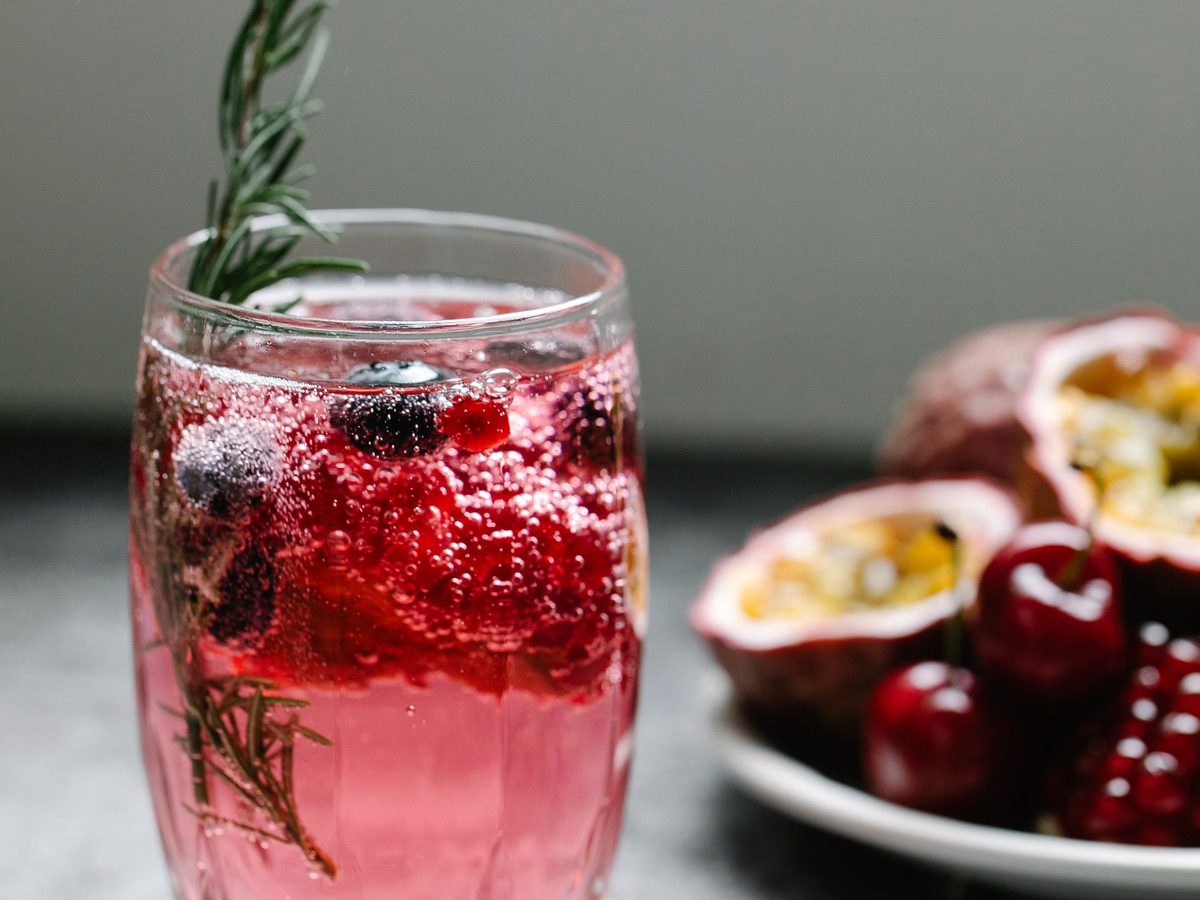
The cold-steeped base can be kept refrigerated for up to three days. Its vivid color makes it ideal for serving to guests — presented in a clear glass, omija tea is one of the most visually beautiful beverages in the Korean repertoire.
Seasonal Traditions: Omija Through the Korean Year
Korean wellness culture has always been deeply seasonal — the same herb consumed in different ways at different times of year, aligned with the rhythm of climate, harvest, and the body's changing needs. Omija is one of the herbs most attuned to this seasonal logic.
Summer (June–August): the cooling season. Omija tea and hwachae are quintessentially summer beverages in Korea. The berry's high malic acid content and tartness make it intensely thirst-quenching in humid Korean summers, and the cold-steep preparation is naturally suited to the season. Traditional Korean wellness thinking held that omija was especially valuable in summer for replenishing what is lost through heat and perspiration — the sour flavor was understood to consolidate and preserve energy during the draining summer months. Omija hwachae — the cold punch with floating fruit and pine nuts — appears at summer festivals, family gatherings, and traditional tea houses throughout June, July, and August.
Autumn (September–October): the harvest season. The Mungyeong omija festival centers on the September–October harvest window, when the berries reach their peak ripeness and the mountain slopes turn vivid red. This is the time of year when fresh omija is available, and Korean households traditionally make omija cheong (fermented syrup) for the coming year. The harvest season also marks a shift in how omija is used — fresh berries can be consumed directly, added to rice wine, or preserved in honey.
Winter (November–February): the warming season. While cold omija tea belongs to summer, winter preparations shift toward warming combinations. A traditional winter adaptation steeps omija berries with fresh ginger slices — the omija tartness balanced by ginger's heat — often with a spoonful of honey and a piece of jujube (Korean date). This preparation appears in both traditional household recipes and modern Korean wellness product formulations, reflecting the seasonal adaptability that traditional herbal culture built into omija's use.
The deep regional association of omija with Mungyeong is also expressed through tourism: the Mungyeong Saejae Provincial Park (문경새재), the historic mountain pass along the old road between Seoul and Gyeongju, frames the omija harvest season with cultural performances, historical re-enactments, and artisan markets every autumn. Visiting Mungyeong during the October harvest is considered one of the most authentic ways to experience Korea's living herbal wellness culture.
Precautions and Important Considerations
Omija's long history of safe use in Korean and Chinese traditions does not mean it is without considerations for modern use, particularly for individuals with specific health circumstances or who take prescription medications.
- Drug interactions — CYP enzyme effects: Schisandra lignans, particularly schisandrin B, have been shown to inhibit cytochrome P450 enzymes (CYP3A and CYP2E1) — the liver enzymes responsible for metabolizing many pharmaceutical drugs. This means schisandra supplements could affect the blood levels of medications processed by these enzymes, including certain statins, immunosuppressants, antiretrovirals, and anticoagulants. Anyone taking regular prescription medication should consult their healthcare provider before adding schisandra in supplement form [PMC8000448, CYP interaction review].
- Pregnancy and breastfeeding: The safety of schisandra supplements during pregnancy has not been established in clinical research. Traditional Korean and Chinese practices historically avoided concentrated herbal preparations during pregnancy. Pregnant and breastfeeding individuals should avoid schisandra supplements and concentrated extracts.
- Gastric sensitivity: The high malic acid content in omija can cause gastric discomfort in some individuals, particularly on an empty stomach or when consuming concentrated cheong or extract forms. Diluting preparations and consuming with food can reduce this risk.
- Epilepsy: Some older research suggested that high doses of schisandra extract might lower the seizure threshold in susceptible individuals. People with epilepsy or seizure disorders should consult their neurologist before using schisandra in any form beyond culinary use.
- Omija tea vs. supplements: The concentration of lignans in traditionally prepared cold-steeped omija tea is considerably lower than in standardized extracts or capsules. Occasional omija tea as a beverage is generally considered safe for healthy adults; concentrated supplements involve higher doses and correspondingly higher interaction risk.
- Individual responses vary: As with all adaptogens, the experience of omija varies from person to person. Some individuals find it energizing; others find it mildly sedating. Personalised experimentation at moderate amounts, under qualified guidance if you have health conditions, is always the sensible approach.
Frequently Asked Questions
What does omija taste like?
Omija is genuinely unlike anything else. The immediate hit is sour — sharply tart from the skin's malic acid — followed by sweetness from the flesh, then a slow build of bitterness and warming pungency from the seeds, with a lingering mineral quality that Korean tea drinkers describe as the salty note. In tea form (cold-steeped), the sourness dominates pleasantly, softened by sweetness, with the bitter-pungent notes as a background complexity rather than a sharp presence. Most people find it refreshing and distinctive rather than challenging, especially with a touch of honey.
Why must omija tea be cold-steeped?
The cold-steep method preserves omija's signature ruby-red color and its balanced five-flavor profile. Anthocyanin pigments — responsible for the vivid red — degrade at temperatures above approximately 45°C, turning the tea a murky brownish-purple. Hot water also extracts bitter compounds from the seeds disproportionately fast, throwing the flavor out of balance. The overnight cold infusion (8–12 hours in the refrigerator) allows all five flavor compounds to extract gradually and in proportion, producing both the most beautiful color and the most harmonious taste.
Where does Korea's best omija come from?
Mungyeong (문경), in North Gyeongsang Province, is universally acknowledged as the premier omija-producing region in Korea. The Sobaek Mountain Range surrounding Mungyeong creates the cool nights and temperature variation that produce berries with exceptional flavor complexity and high lignan content. Mungyeong accounts for approximately 45 percent of Korea's annual omija harvest. When purchasing dried omija, products labeled as Mungyeong-origin (문경 오미자) are generally considered the highest quality, with some producers offering certified regional designation labeling.
What is omija hwachae?
Omija hwachae (오미자 화채) is a traditional Korean fruit punch made using cold-steeped omija tea as the base liquid. The ruby-red tea is lightly sweetened and served chilled, with sliced Korean pear (배), jujube (대추), pine nuts (잣), and sometimes edible flower petals floating on the surface. It was a staple of Joseon royal court summer beverage culture and remains a popular traditional refreshment at Korean tea houses and cultural events. The combination of the dramatic red color, the complex omija flavor, and the seasonal fruit garnishes makes it one of the most distinctive beverages in the Korean culinary tradition.
Is omija the same as schisandra?
Yes — omija (오미자) is the Korean name for the berry produced by Schisandra chinensis (Turcz.) Baill. The plant is also known by its Chinese name Wu Wei Zi (五味子), its English names five-flavor berry or magnolia berry, and its botanical genus name Schisandra. All of these refer to the same species. There is a related species, Schisandra sphenanthera, which is used in Chinese herbal practice but is generally considered a secondary species; Korean omija specifically refers to Schisandra chinensis from Korean growing regions.
Can I grow omija at home?
Schisandra chinensis is a hardy deciduous vine that can be grown in temperate climates (USDA zones 4–8). It requires a support structure, well-drained slightly acidic soil, and — importantly — both male and female plants for berry production, as it is dioecious (separate male and female plants). In Korea, it grows naturally in the cooler mountain zones of the north and central regions. Home cultivation in temperate garden settings is feasible, though achieving the flavor complexity associated with Mungyeong-region berries requires the specific climate characteristics of that mountain environment.
About This Article
Written by: Health Diary Editorial Team — researchers and writers specialising in Korean wellness traditions, adaptogenic herbs, and evidence-based wellness content.
Editorial review: This article has been reviewed by the Health Diary editorial team for clarity, structure, and adherence to sourcing standards. Key claims were cross-checked against peer-reviewed sources at PMC (Pang et al. 2025, PMC11821066; Mlcek et al. 2023, PMC9919427; Kang et al. 2021, PMC7918357; PMC8000448 CYP review), Nowak et al. 2019 (Phytomedicine), the Journal of Ethnic Foods 2025 study on traditional Korean omija use, Korea.net official cultural documentation, and Korean culinary sources (My Korean Kitchen, Carving A Journey). This article is not a clinical review and should not replace consultation with a licensed healthcare practitioner.
Reviewed on: June 14, 2026.
Editorial process: We cite peer-reviewed and government sources where possible. When a clinical reviewer is added to this article, attribution will appear here with verifiable credentials.
References
- Pang X, et al. (2025). A Review of the Biological Activity and Structure–Property Relationships of the Main Compounds from Schisandra chinensis. PMC. PMC11821066. https://pmc.ncbi.nlm.nih.gov/articles/PMC11821066/
- Mlcek J, et al. (2023). Cardioprotective Potential of Berries of Schisandra chinensis Turcz. (Baill.), Their Components and Food Products. PMC. PMC9919427. https://pmc.ncbi.nlm.nih.gov/articles/PMC9919427/
- Kang TH, et al. (2021). Dibenzocyclooctadiene Lignans in Plant Parts and Fermented Beverages of Schisandra chinensis. PMC. PMC7918357. https://pmc.ncbi.nlm.nih.gov/articles/PMC7918357/
- Nowak A, et al. (2019). Schisandra chinensis and its phytotherapeutical applications. Phytomedicine. PubMed 31431019. https://pubmed.ncbi.nlm.nih.gov/31431019/
- Kim J, et al. (2021). Inhibitory Effects of Schisandra Lignans on Cytochrome P450s and Uridine 5′-Diphospho-Glucuronosyl Transferases in Human Liver Microsomes. PMC. PMC8000448. https://pmc.ncbi.nlm.nih.gov/articles/PMC8000448/
- Lee SH, et al. (2025). Scientific validation of traditionally used omija (Schisandra chinensis) extract mixture for postprandial glucose regulation. Journal of Ethnic Foods. Springer Nature. https://link.springer.com/article/10.1186/s42779-025-00276-4
- Korea.net — Official website of the Republic of Korea. Omija hwachae: Korea's Ruby Summer Punch. https://www.korea.net/NewsFocus/Culture/view?articleId=138426
- Human Clinicals. Schisandra chinensis: Human Clinical Studies Review. https://humanclinicals.org/project/schisandra/
- Carving A Journey. Korean Omija Tea (Omija Cha) — preparation guide and cultural context. https://www.carvingajourney.com/korean-omija-tea-omija-cha/
- Kim'C Market. Omija: Korea's Five-Flavored Mountain Berry — Mungyeong regional profile. https://kimcmarket.com/blogs/korean-food-blog/omija-korea-s-five-flavored-mountain-berry