

Warming Winter Foods of Asian Traditions: Ginger, Black Foods & Hotpots
A tour of traditional warming winter foods across China, Japan, Korea, and Vietnam: ginger, cinnamon, black foods, mutton hotpot, samgyetang, and slow-simmered soups.
Medical Disclaimer: This content is for educational and informational purposes only and is not medical advice. The information presented is not intended to diagnose, treat, cure, or prevent any disease. Always consult a licensed healthcare practitioner before starting any new herbal practice or supplement. Statements regarding traditional herbal use have not been evaluated by the FDA.
Affiliate Disclosure: This article contains affiliate links. We may earn a commission if you purchase through these links, at no additional cost to you. We only recommend products we believe align with our editorial standards.
When the first hard cold of the year settles in, kitchens across Asia change their rhythm. The light, cooling foods of summer disappear and the stove takes over: a hot pot bubbling at the center of the table, a clay pot of mutton stewed with ginger and radish, a bowl of black-rice congee, a mug of ginger-and-red-date tea cradled in cold hands. The season has turned, and the plate has turned warm with it.
These warming winter foods are not chosen by accident. Across China, Japan, Korea, and Vietnam, winter eating follows a shared instinct — that the coldest season calls for foods eaten hot and slow-cooked rather than raw or chilled. This article walks through those traditional winter foods, from the pungent spices and dark “black” foods linked to the Kidney to the meaty hotpots and simmered soups of the region, alongside what modern nutrition has begun to notice.
Why Winter Cooking Turns Toward Warmth
Winter is the season of cold and stillness. Wind bites, hands and feet go numb, and appetites turn toward something hot and substantial. Long before anyone talked about metabolism or core temperature, cooks across Asia steered the table toward foods that felt warming from the inside — pungent, hearty, and sustaining.
The result is a striking rhyme across four cuisines. China gathers around mutton hotpot, black foods, and ginger; Japan simmers nabe and oden; Korea leans on samgyetang and ginger-jujube tea; Vietnam on slow-cooked soups, warm congee, and goat. Different pantries, the same underlying idea: as the world turns cold, cook something hot and restoring, and eat it while it steams.
What Does “Eating for Winter” Mean in Traditional Medicine?
In traditional Chinese thought, each season pairs with one of the Five Phases, and winter belongs to Water — the phase associated with the Kidney and, by tradition, with the color black. Winter guidance therefore centers on the idea of wen bu (温补), gently warming and replenishing the body, and on nourishing the Kidney as the body's reserve of deep energy. Because the color black is traditionally said to “enter the Kidney” (黑色入肾), winter menus lean toward warm, dark, hearty foods rather than cool, raw ones (People's Daily Health, 2016).
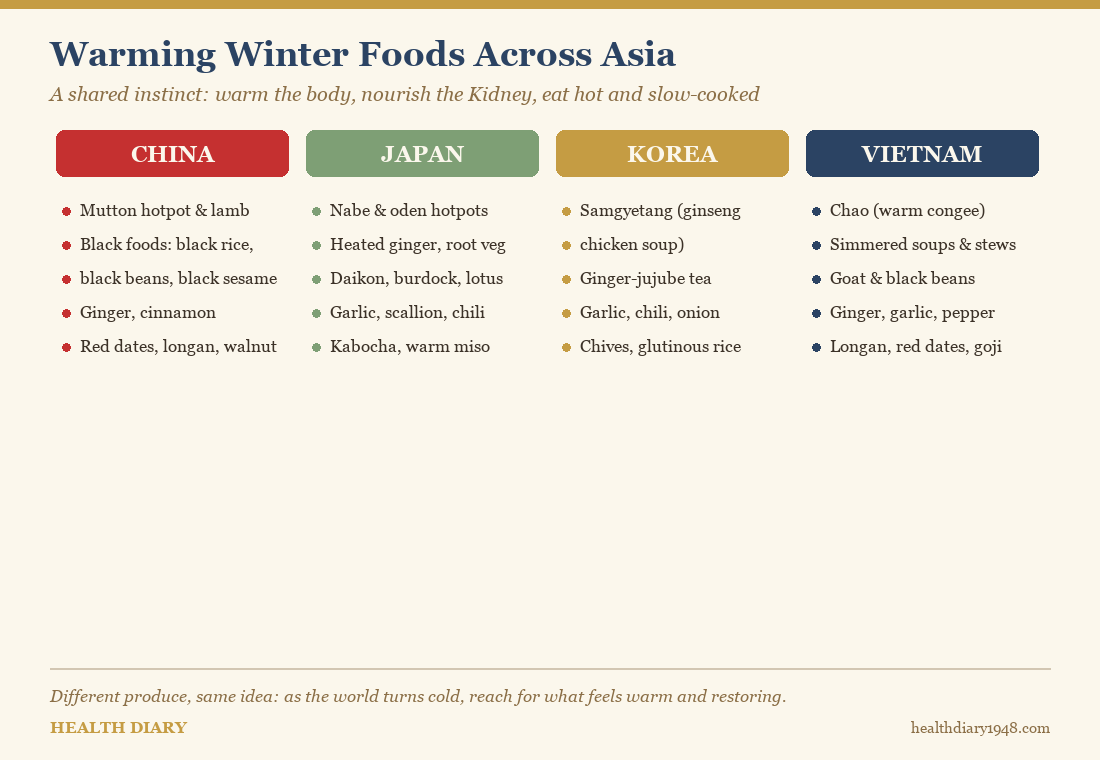
Vietnamese dưỡng sinh (nourishing-life) practice arrives at nearly the same place. Winter principles emphasize keeping warm — especially the neck, back, and feet — and favoring moderately warm foods such as goat, ginger, garlic, and black beans, while easing off cold and raw dishes said to burden the body's yang, or warming energy (Tạp chí Sức khỏe Việt). Japanese Kampo tradition frames winter the same way: the season calls for avoiding cold, raw foods and choosing warming ingredients and hot-pot cooking that heat the body from the core (Yomeishu, Winter Yakuzen). In Korea, a government health briefing groups onion, ginger, garlic, and chili as classic “heat foods” (히트푸드) traditionally eaten to warm the body in the cold months (Korea.kr policy briefing). Four traditions, one refrain: in winter, eat warm.
The Warming Spices and Roots of Winter
If winter has a signature flavor, it is pungent warmth. Ginger is the quiet hero of the season across the whole region — grated into tea with brown sugar, sliced into stews, simmered with red dates. In Japanese tradition, ginger is even said to warm the body more deeply once it has been cooked for a while rather than eaten raw, which is why it so often goes into long-simmered winter dishes (Yomeishu, Winter Yakuzen).
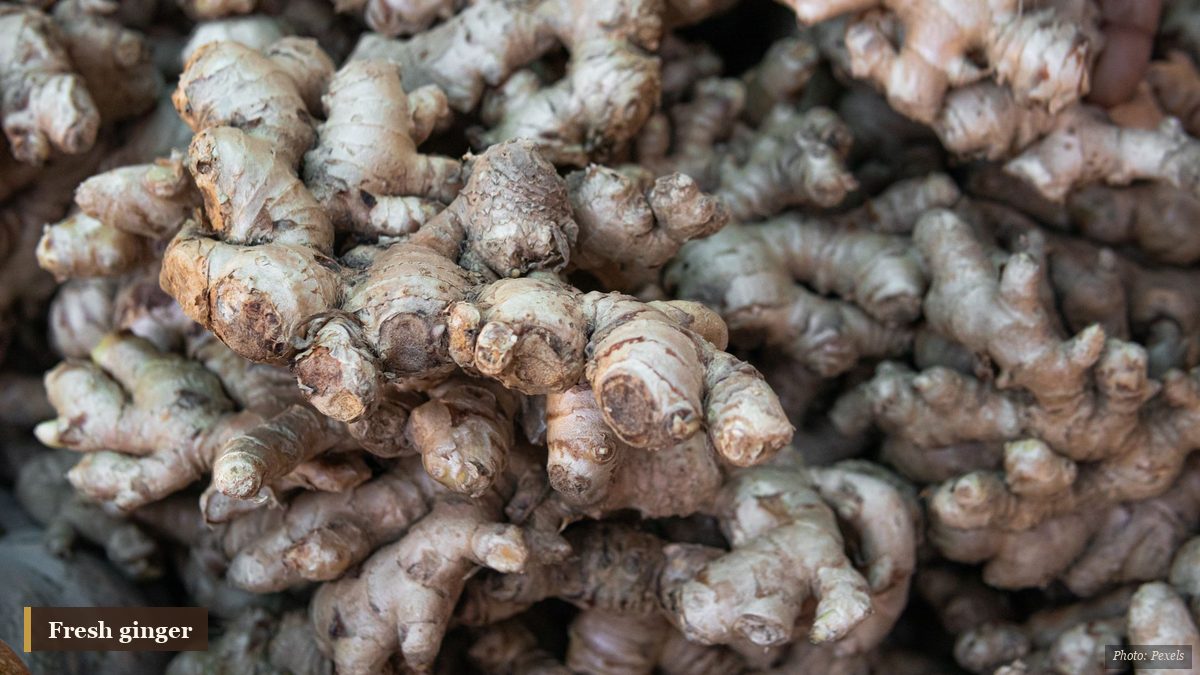
Around ginger sits a whole family of warming aromatics and roots. Cinnamon (肉桂 / quế) perfumes winter broths and tonics; garlic, scallion, and onion go into nearly every hot dish; pepper, chili, and Sichuan pepper add the heat that makes a bowl of soup feel warming from within. Hearty winter roots — daikon radish, burdock, lotus root, taro, and yam — round out the pot as grounding, filling foods. Korean tradition adds ginseng and chives to the same warming list, while pairing ginger (which “moves” the body) with jujube (which “replenishes”) in the classic winter ginger-date tea (Korea.kr policy briefing).
The “Black” Foods Traditionally Linked to the Kidney
If autumn is the season of pale, moistening foods, winter is the season of dark ones. Following the old idea that black “enters the Kidney,” Chinese winter tradition favors a group of dark, hearty foods eaten to nourish the body's deep reserves.
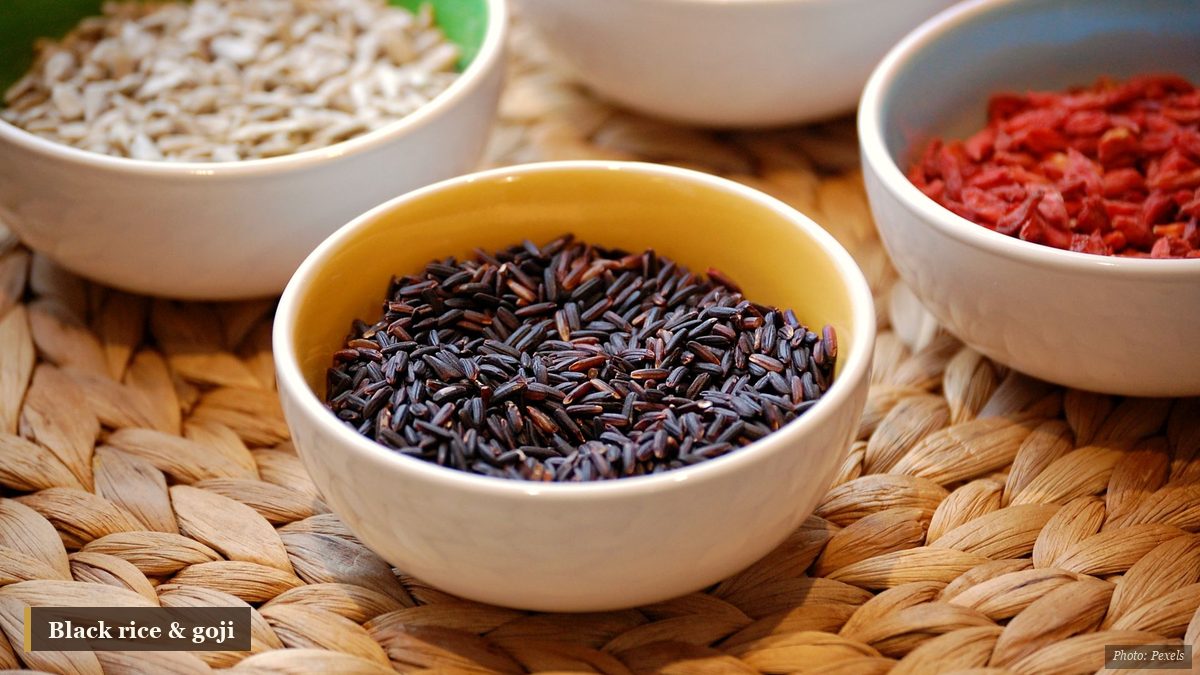
The classic five are often listed together: black rice (黑米), simmered into congee; black beans and black soybeans (黑豆); black sesame (黑芝麻), ground into pastes and porridges; black dates (黑枣); and black wood-ear fungus (黑木耳). Traditional guidance treats these as warming, grounding winter staples rather than remedies — foods to fold into the everyday pot when the weather is coldest (People's Daily Health, 2016). Alongside them sit the sweet tonic ingredients that give winter congees and teas their character: red dates (jujube), dried longan, walnuts, chestnuts, and goji berries.
The Warming Meats and Hearty Hotpots of Winter
Winter is also the season of meat and the communal pot. Across northern China, mutton and lamb are the definitive cold-weather foods. In traditional Chinese terms, mutton is a warm (温) food that nourishes qi and the Kidney and warms the middle of the body — a classic winter choice for people who feel the cold easily (Shaanxi Provincial Health Commission, 2025). It appears as steaming hot pot, as clay-pot stews, and in the famous angelica-ginger-mutton soup (当归生姜羊肉汤). A common cook's trick is to stew mutton with cooling white radish, which tempers the meat's richness and heat — a small lesson in balance built into the recipe.
The same instinct plays out across the region. Japan gathers the family around nabe hot pots and long-simmered oden, cooking meat, tofu, and winter roots in one warming broth (Yomeishu, Winter Yakuzen). Korea reaches for samgyetang — a young chicken stuffed with ginseng, glutinous rice, jujube, and garlic and slow-cooked into a hot broth long eaten as a cold-weather tonic (Korea.kr policy briefing). Vietnam turns to slow-simmered soups (canh hầm), goat dishes, and warm congee, seasoned with ginger, garlic, and pepper against the damp northern winter (Tạp chí Sức khỏe Việt).
What Does Modern Research Say About These Warming Foods?
Modern nutrition is only beginning to examine these traditional winter foods, and the picture is preliminary — interesting in the laboratory, far from proven as remedies. Still, some of what researchers are finding gently echoes the old logic of eating for warmth.
Ginger has drawn the most attention for its “warming” reputation. A 2025 review noted that ginger's pungent compounds, gingerols and shogaols, act on a temperature-sensing receptor (TRPV1) and, in preclinical models, have been linked to sympathetic-nervous-system activity and thermogenesis — the body's own heat production. The same review stressed that human results are mixed and often come from small, short studies, so the warming sensation of a ginger drink should not be over-read as a proven metabolic effect (Alsubaie et al., 2025). Cinnamon has been studied mostly for blood sugar: an updated systematic review found it was associated with modest reductions in fasting glucose and some blood lipids in people with type 2 diabetes, while cautioning that the studies were inconsistent and not strong enough for firm clinical advice (Allen et al., 2013).
The dark winter foods have their own modern footnote. Black soybeans carry anthocyanins in their seed coat — chiefly cyanidin-3-glucoside — and a critical review documented antioxidant activity in laboratory assays, while emphasizing that most evidence remains cellular or animal-based and clinical studies are still inadequate (Ganesan & Xu, 2017). What the research reinforces, gently, is a sensible old idea: a warm, varied plate of whole seasonal foods is worth enjoying — not because any single ingredient is a remedy, but because the whole pattern is nourishing.
How Do People Enjoy Warming Winter Foods Today?
The pleasure of winter eating is how naturally it fits into cold-weather cooking. Across Asia the preparations stay hot, slow, and communal, coaxing depth and comfort out of humble ingredients.
- Hot pot at the table: a shared simmering broth — mutton hot pot in China, nabe in Japan, or a spiced Vietnamese lẩu — where thin-sliced meat, tofu, mushrooms, and winter greens are cooked and eaten straight from the pot.
- Ginger-and-red-date tea: fresh ginger simmered with jujube (and sometimes brown sugar), sipped hot on cold mornings across China, Korea, and Vietnam.
- Black-rice or black-sesame congee: a soft, dark porridge slow-cooked with red dates or longan, a warming winter breakfast.
- Slow-stewed soups: angelica-ginger-mutton soup, radish-and-goat stew, or Korean samgyetang, simmered for hours until the broth turns rich and restorative.
- Warming spice in everyday dishes: extra ginger, garlic, scallion, pepper, and a touch of cinnamon stirred into the pot to make an ordinary meal feel warm from within.
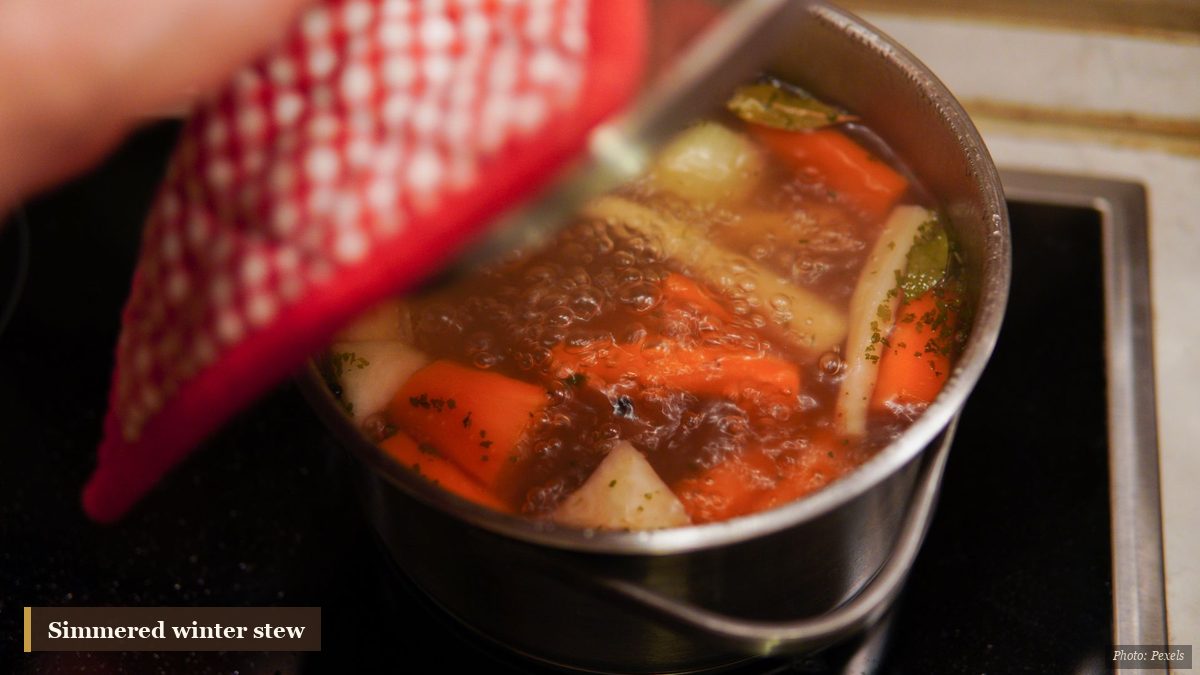
One thread runs through all of it: hot, slow cooking. Winter foods are simmered, stewed, and steamed rather than eaten cold, a way of making them warming and easy to digest as the season chills. Individual responses vary considerably; what works well for one person may not suit another, and personal experimentation under practitioner guidance is always recommended.
Important Limitations and Considerations
Most traditional winter foods are ordinary ingredients eaten in ordinary amounts — but the season's heavy, meaty, and pungent dishes come with a few cautions worth keeping in mind.
- Red meat, richness, and heart or gout concerns. Mutton, lamb, and long-simmered bone broths are fatty and rich. Anyone managing cardiovascular risk, high cholesterol, or gout may want to enjoy these winter favorites in moderation rather than daily, and speak with a healthcare practitioner about what fits their situation.
- “Warming” foods do not suit every constitution. In traditional thinking, ginger, cinnamon, chili, and mutton are considered heating foods. Chinese guidance explicitly notes that people showing “heat” signs — mouth sores, sore throat, dry mouth — or those with an acute illness are advised to go easy on mutton and other strongly warming foods (Shaanxi Provincial Health Commission, 2025).
- Ginger can have side effects and interactions. NCCIH notes that ginger may cause abdominal discomfort, heartburn, or throat irritation in some people, and advises anyone taking medication — particularly blood thinners — to talk with a healthcare provider first (NCCIH).
- Sweet tonics and blood sugar. Many winter favorites — brown-sugar ginger tea, red-date tonics, sweet black-sesame paste, glutinous-rice dishes — are high in sugar or easily digested carbohydrate. Anyone managing diabetes or blood-sugar concerns should account for them, ideally with a practitioner's input.
- Pregnancy, breastfeeding, and existing conditions. Concentrated tonic herbs (ginseng, angelica, and others added to winter soups) differ from everyday culinary amounts; anyone pregnant, breastfeeding, or living with a health condition should check with a doctor before leaning on them.
- Individual response varies. Age, constitution, medications, and existing conditions all shape how a food sits with you. Anyone with a health concern should speak with a licensed healthcare practitioner before making meaningful changes to their diet.
Frequently Asked Questions
What are the most common warming foods eaten in winter across Asia?
They fall into a few groups: warming spices and roots (ginger, cinnamon, garlic, pepper, chili, daikon, lotus); dark “black” foods traditionally linked to the Kidney (black rice, black beans, black sesame, black dates, black fungus); and hearty dishes like mutton hot pot, samgyetang, nabe, and slow-simmered soups, often enriched with red dates, longan, and walnuts.
Does ginger actually warm the body?
Many people feel warmer after a hot ginger drink, and ginger's pungent compounds do act on the body's temperature-sensing pathways. But modern human research on ginger and heat production is preliminary and mixed, so the comforting warmth of a ginger tea is best enjoyed for what it is rather than treated as a proven metabolic effect. Individual responses vary.
Why do Chinese traditions eat “black” foods in winter?
In traditional Chinese thought, winter belongs to the Water phase and the Kidney, and the color black is said to “enter the Kidney.” Dark, hearty foods such as black rice, black beans, and black sesame are therefore traditionally eaten in winter as warming, nourishing staples. This is a cultural framework, not a medical claim — these are foods to enjoy, not remedies.
Is mutton or lamb safe to eat often in winter?
Mutton and lamb are traditional winter warming foods, but they are rich and fatty. People managing heart health, cholesterol, or gout may want to eat them in moderation, and traditional guidance also suggests those with “heat” signs like mouth sores or sore throat go easy on them. Pairing mutton with cooling vegetables like white radish is a long-standing way to balance the dish.
Are these warming winter foods suitable for everyone?
Not necessarily. Warming, pungent, and heavy foods suit some constitutions better than others, and factors like pregnancy, diabetes, medications, and existing conditions all matter. As a general rule, enjoy variety, keep the sweet and fatty dishes moderate, and check with a healthcare practitioner if you have a specific health concern.
A Gentle Note on Eating with the Seasons
Part of what makes winter eating meaningful is simply paying attention — noticing when the cold sets in, how your hands and feet feel, and which warm dishes seem to comfort you. That awareness is easy to lose when every food is available year-round. Keeping a simple record of what you eat and how you feel through the seasons can make these rhythms visible again, and Health Diary is built around exactly that gentle habit of noticing.
A Soft Closing Note
The winter tables of China, Japan, Korea, and Vietnam were never about a single miracle food. They reflect a shared, very human response to the cold: as the world turns frozen, we gather around something hot and hearty and let it warm us from the inside. You can explore these traditions one bowl at a time — a simmering hot pot, a mug of ginger-and-date tea, a pot of black-rice congee. Whatever you try, listen to your own body, keep the cautions above in mind, and enjoy the deep comforts of the cold season.
About This Article
Written by: Health Diary Editorial Team — a group of writers and researchers focused on traditional Asian wellness, food culture, and responsible, well-sourced health content.
Editorial review: This article has been reviewed by the Health Diary editorial team for clarity, structure, and adherence to our sourcing standards. Key claims were cross-checked against NCCIH, NIH PubMed, and government health sources where applicable. It is not a clinical review and should not replace consultation with a licensed healthcare practitioner.
Reviewed on: July 18, 2026.
Editorial process: We cite peer-reviewed and government sources where possible. When a clinical reviewer is added to this article, attribution will appear here with verifiable credentials.
References
- Alsubaie, N. et al. (2025). Immunometabolic Effects of Ginger (Zingiber officinale Roscoe) Supplementation in Obesity: A Comprehensive Review. https://www.ncbi.nlm.nih.gov/pmc/articles/PMC12298451/
- Allen, R.W. et al. (2013). Cinnamon Use in Type 2 Diabetes: An Updated Systematic Review and Meta-Analysis. Annals of Family Medicine. https://pmc.ncbi.nlm.nih.gov/articles/PMC3767714/
- Ganesan, K. & Xu, B. (2017). A Critical Review on Polyphenols and Health Benefits of Black Soybeans. https://pmc.ncbi.nlm.nih.gov/articles/PMC5452185/
- NCCIH (National Center for Complementary and Integrative Health). Ginger: Usefulness and Safety. nccih.nih.gov/health/ginger
- People's Daily Health (人民网健康). (2016). 冬令补肾多吃黑色食物 (In winter, eat more black foods to nourish the kidney). health.people.com.cn
- Shaanxi Provincial Health Commission (陕西省卫生健康委员会). (2025). 冬季吃羊肉御寒又补虚 (Eating mutton in winter to ward off cold and tonify deficiency). sxwjw.shaanxi.gov.cn
- Yomeishu (養命酒製造). 冬の養生に、体を温める薬膳レシピ (Winter care: warming yakuzen recipes). yomeishu.co.jp
- Korea.kr Policy Briefing (대한민국 정책브리핑). 추운 겨울, 몸을 따뜻하게 해주는 '히트푸드' (Cold winter: heat foods that warm the body). korea.kr
- Tạp chí Sức khỏe Việt. Bí quyết dưỡng sinh mùa đông theo Y học cổ truyền (Winter nourishing-life secrets in traditional medicine). suckhoeviet.org.vn


