Bedtime Herbal Tea Traditions: Asian Evening Teas for Rest and Relaxation
Discover traditional Asian bedtime tea traditions — from Chinese jujube and sour jujube seed teas to Vietnamese lotus seed tea, Japanese reishi tea, and Korean chrysanthemum blends for evening relaxation.
Medical Disclaimer: This content is for educational and informational purposes only and is not medical advice. The information presented is not intended to diagnose, treat, cure, or prevent any disease. Always consult a licensed healthcare practitioner before starting any new herbal practice or supplement. Statements regarding traditional herbal use have not been evaluated by the FDA.
Affiliate Disclosure: This article contains affiliate links. We may earn a commission if you purchase through these links, at no additional cost to you. We only recommend products we believe align with our editorial standards.
As evening falls across much of Asia, a quiet ritual begins in households from Guangdong to Seoul to Hanoi: the gentle simmering of herbal ingredients into a warm cup of tea to mark the transition from the bustle of the day toward the stillness of night. Long before the modern wellness industry discovered "sleep hygiene," Asian cultures had woven specific herbal teas into the fabric of evening life — not as treatments, but as cultural habits, seasonal rituals, and folk wellness practices passed from grandmothers to grandchildren.
These traditions span centuries and cross national borders. A Chinese household might simmer dried jujube dates with goji berries after dinner. A Korean family might pour steaming daechu-cha into ceramic cups on cold autumn evenings. A Vietnamese grandmother might prepare a sweet lotus seed dessert before the household settles in for the night. Each cup carries not just botanical ingredients but also the accumulated folk wisdom of a culture's relationship with rest.
This article explores five of the most culturally embedded Asian bedtime herbal teas: their origins, traditional preparation methods, and the folk wellness context in which they have been used. It explores these as traditional cultural practices, not as clinical protocols.
Jujube Tea: The Red Date Sleep Tradition
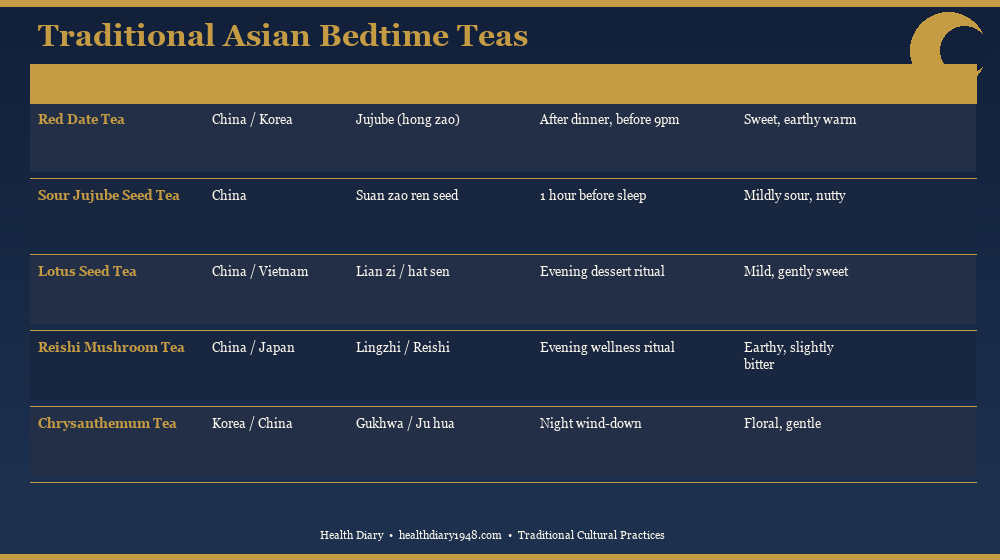
The red date — known in Mandarin as hong zao (红枣) and botanically as Ziziphus jujuba — holds a place in Chinese folk wellness culture that stretches back at least two millennia. While jujube has many culinary and wellness associations in Chinese tradition, one of its most enduring folk uses has been as an evening beverage drunk to ease the transition into rest.
In Chinese home cooking traditions, a simple hong zao cha (红枣茶) — red date tea — is often prepared after the evening meal. The standard household approach involves simmering 6–8 dried, pitted red dates in about 500ml of water for 20–30 minutes until the liquid turns a deep amber-red. During winter months, a few slices of fresh ginger and a small handful of dried longan pulp (long yan rou) are commonly added, creating a warming combination that Chinese folk tradition associates with blood nourishment and calming of the spirit.
The folk timing custom is notable: many Chinese households traditionally drink this tea after dinner but before 9pm — a practice embedded in the broader traditional framework of aligning daily activities with the body's natural rhythms as understood in classical thought. Whether the specific timing confers any particular benefit is not something modern research has examined, but the ritual itself — the act of slowing down with a warm cup after the evening meal — is a consistent thread across regions.
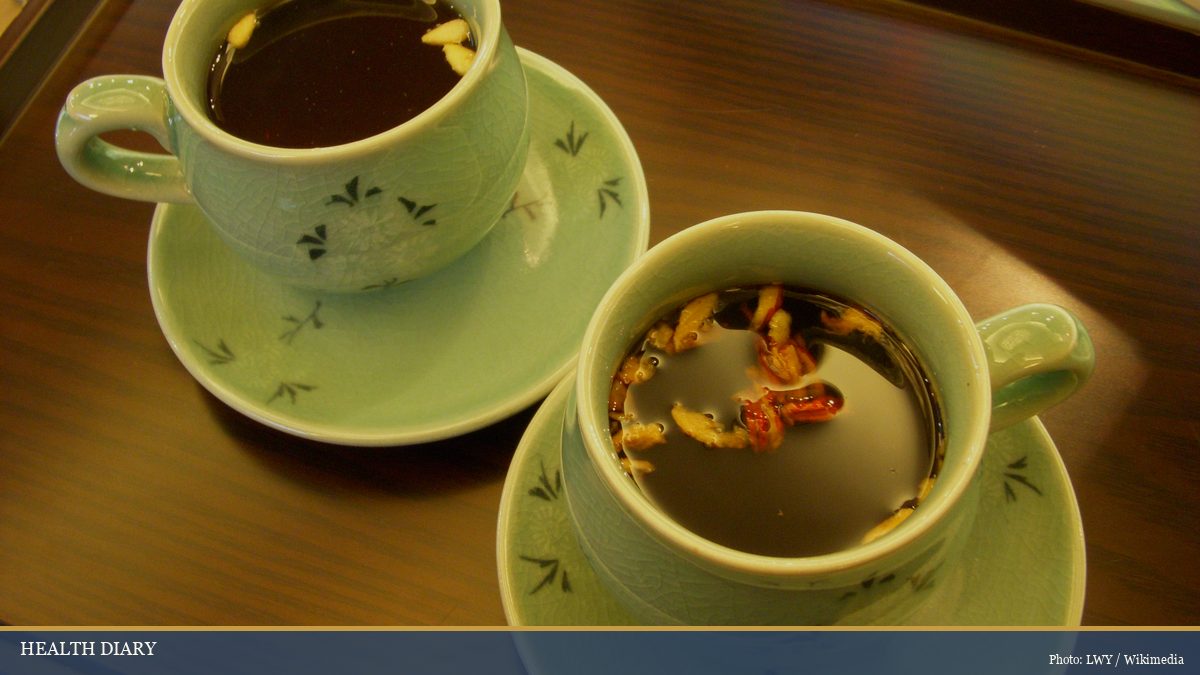
In Korea, the same tradition takes the form of daechu-cha (대추차). Korean jujube tea is a household staple, especially in autumn and winter when warming beverages are culturally prized. The Korean preparation often includes ginger and honey, and the tea is associated in Korean folk tradition with warming the body and easing tension after a long day. Traditional Korean food culture notes that the saponin compounds in jujube are thought in folk understanding to calm the autonomic nervous system, and the magnesium content is associated with supporting a calm evening state — though individual experiences vary considerably.
What distinguishes the cultural practice from a clinical claim is important: in both China and Korea, jujube evening tea is consumed as a household custom and a comforting food ritual, not as a prescribed treatment. Families drink it the way other cultures might drink warm milk or herbal chamomile — as a familiar, comforting signal that the evening is winding down.
Sour Jujube Seed Tea: Suanzaoren Cha
One of the most common confusions in writing about Asian sleep teas is the conflation of two distinct plants: the red jujube fruit (hong zao) discussed above, and the sour jujube seed (suan zao ren, 酸枣仁) derived from a different species, Ziziphus jujuba Mill. var. spinosa. The fruit of this spinosa variety is small, sour, and rarely eaten — what is valued is the seed inside, which is harvested, dried, and used specifically for its calming folk wellness properties.
Sour jujube seed (suan zao ren) is one of the oldest documented herbs in Chinese herbal tradition. It was first recorded in the Shennong Bencao Jing (Shennong's Classic of Materia Medica), the foundational Chinese herbal text dating to approximately 200 BCE–200 CE. The later Bencao Gangmu (Compendium of Materia Medica) compiled by Li Shizhen in 1578 further specified that suan zao ren "nourishes gallbladder qi, helps with sleep, and reduces sweating." The classical formula Suanzaoren Tang — documented in Zhang Zhongjing's Jin Gui Yao Lue (Essentials from the Golden Cabinet, ~200 CE) — combined the seed with zhimu, fuling, chuanxiong, and gancao as a formula for "fatigue, restlessness, and inability to sleep" caused by blood deficiency in the heart and liver. This classical formula continues to be studied in modern clinical settings.
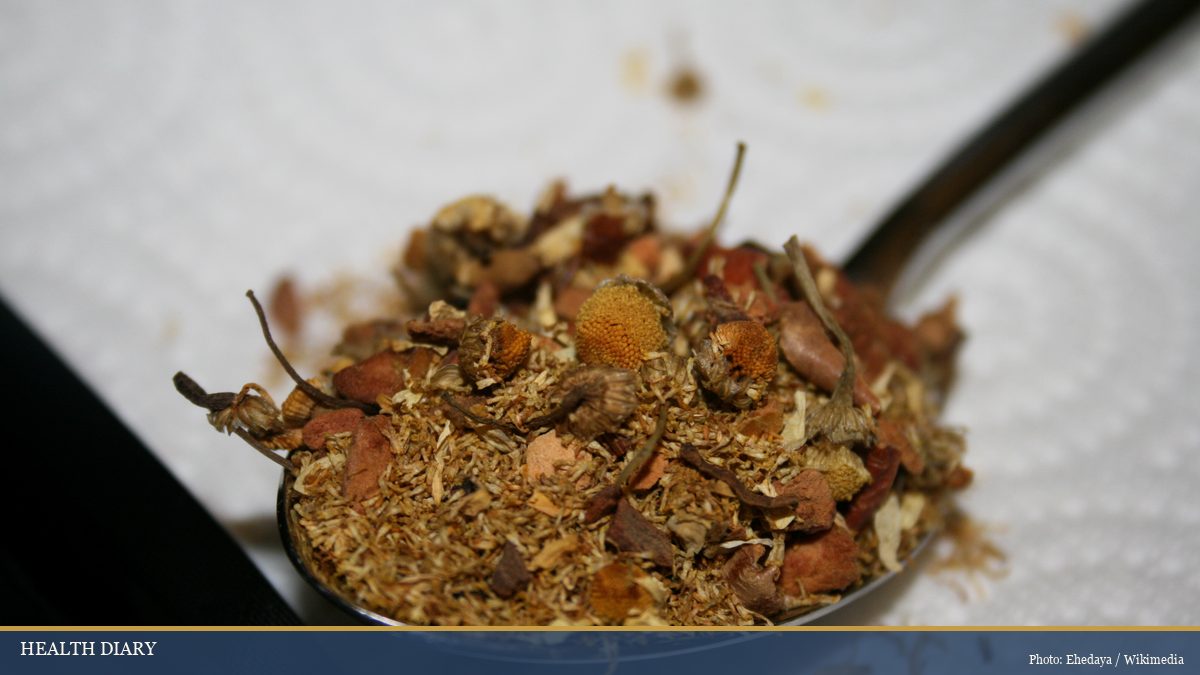
The traditional home preparation of suan zao ren cha differs meaningfully from red date tea. Rather than whole fruits simmered in water, the preparation begins with crushing or lightly grinding the seeds — a step noted in classical sources as important for releasing the bioactive compounds. The crushed seeds are then boiled in water for approximately 20 minutes. The resulting liquid is strained and drunk warm, typically about one hour before sleep. Modern research on the seed's bioactive compounds — including jujubosides A and B (saponins), spinosin, and various flavonoids — suggests they interact with GABAergic and serotonergic signaling pathways, though the full picture requires more human clinical investigation.
A systematic review published in Frontiers in Pharmacology (2018) analyzed 13 randomized controlled trials involving over 1,400 participants and found that suanzaoren-based formulas outperformed placebo on sleep quality measures, with fewer reported side effects than comparison pharmaceutical interventions. A separate review of edible herbal medicines for sleep (PMC, 2024) similarly identified jujube seed as one of the herbs with meaningful preliminary evidence. Researchers caution, however, that trial quality varied and longer-term studies are needed.
In everyday folk practice, suan zao ren tea is prepared far more simply than the classical multi-herb formula — often just the seed itself boiled in water, sometimes with a small piece of poria mushroom (fu ling) or dried lily bulb (bai he). Individual responses vary considerably; what works well for one person may not suit another, and personal experimentation under practitioner guidance is always recommended.
Lotus Seed Tea for Calm Evenings
In both Chinese and Vietnamese traditional wellness culture, the lotus seed (lian zi, 莲子; Vietnamese: hat sen) occupies a special position as a food associated with calming the spirit and settling restlessness. In the classical Chinese framework of the Five Organ System, lotus seed is understood to nourish the Heart and calm the Shen — the concept of spirit or consciousness associated with the Heart in traditional thought. When the Shen is agitated — through overwork, worry, or emotional upheaval — folk wellness tradition suggests that lotus seed-based preparations may help settle it, supporting a more composed evening state.
The lotus seed tea tradition in China typically involves simmering 10 grams of dried lotus seeds in 500ml of water for about 10 minutes, then drinking both the liquid and the seeds. A more specific preparation focuses on the lotus embryo (lian zi xin, 莲子心) — the tiny, intensely bitter green germ found inside the seed. Lian zi xin tea is prepared by steeping the embryos in hot water, resulting in a notably bitter infusion that Chinese folk tradition associates specifically with clearing Heat from the Heart and calming restlessness. The bitterness is not considered a flaw but a functional characteristic in traditional understanding.
In Vietnam, the lotus seed evening tradition takes a sweeter form: che hat sen (lotus seed sweet soup) or simply lotus seed tea is enjoyed as a dessert or gentle evening beverage. Vietnamese cooking traditions in Hue province in particular are associated with lotus-based preparations — the lotus is a symbol of purity in Vietnamese Buddhist culture, and lotus seed preparations hold a cultural resonance beyond mere nutrition. The evening consumption of che hat sen is embedded in family rituals around sitting together after the evening meal, sharing something warm and comforting as the household winds down.
Traditional sources note that lotus seed's calming associations are distinct from sedative herbs: the folk tradition frames it as "settling" rather than "suppressing" — an important cultural nuance. Individual experiences vary considerably, and lotus seed preparations are considered in folk tradition as gentle enough for regular incorporation into evening routines.
What Is Reishi Mushroom Tea?
Reishi mushroom — known in Chinese as lingzhi (灵芝) and in Japanese as reishi (霊芝) — holds one of the most culturally elevated positions of any fungus in East Asian wellness tradition. The name lingzhi in Chinese combines characters for "spiritual potency" and "essence," and the mushroom has been documented in Chinese texts since the Shen Nong Ben Cao Jing during the Eastern Han dynasty (25–220 CE). For over two millennia it has been associated in Chinese folk culture with longevity, spiritual calm, and what classical texts describe as nourishing the Shen (spirit/mind).
In contemporary Chinese and Japanese folk wellness practice, lingzhi evening tea is one of the more elaborate preparations among the bedtime teas discussed here. The typical method involves taking 5–10 grams of dried reishi mushroom slices and simmering them in water at a low boil for 30–60 minutes — a considerably longer brewing time than most herbal teas. The extended simmering is considered important in traditional practice for extracting the polysaccharides and triterpenes that give the resulting liquid its characteristic earthy depth. The taste is distinctive: earthy, slightly woody, with a mild bitterness that many people find pleasant after adding honey or a few red dates.
The NIH/NCBI Bookshelf entry on Ganoderma lucidum notes that the State Pharmacopoeia of the People's Republic of China (2000) lists reishi as acting "to replenish Qi, ease the mind, and relieve cough and asthma," with traditional applications including "insomnia and palpitation." The same NIH source notes, however, that most modern research has been conducted in animal or cell-culture models, and human clinical trials remain limited in scale and quality.
In Japan, the tradition of reishi as an evening wellness tea intersects with the broader Japanese cultural framework of ji-mi — attention to subtle sensory experience. Japanese wellness culture tends to frame reishi tea as an evening moment of quiet reflection, the long simmering itself being part of a slowing-down ritual rather than simply a delivery mechanism for bioactive compounds. The earthy aroma filling the kitchen during the simmering is considered part of the experience. Individual responses to reishi vary; those with autoimmune conditions or taking blood-thinning medications should consult a healthcare practitioner before incorporating reishi tea into regular routines.
Korean Evening Teas for Rest
Korean traditional beverage culture — darye (다례) or traditional tea ceremony — encompasses a rich spectrum of herbal teas associated with different seasons, times of day, and folk wellness intentions. Several of these are specifically associated with evening and preparation for rest.
Daechu-cha (대추차) — Korean red date tea — has been touched on above, but it deserves fuller cultural context. In Korean household culture, daechu-cha is one of the most accessible and widely prepared traditional herbal teas: dried jujubes, water, and ginger are the only requirements, and the preparation takes less than 30 minutes on the stovetop. It is particularly associated with autumn and winter evenings, and Korean food tradition frames it as both warming and calming — a comforting seasonal beverage that signals the end of the day's activity.
Omija-cha (오미자차) — five-flavor berry tea made from Schisandra chinensis berries — presents an interesting case for evening use. The name omija means "five flavors" (sour, sweet, bitter, salty, pungent), and drinking the tea is itself a mindful sensory exercise. While omija is primarily consumed cold-steeped in summer as a refresher, Korean folk wellness tradition also includes warm omija preparations as an evening beverage, with the sour-sweet combination considered grounding and calming to the mind after a demanding day.
Gukhwa-cha (국화차) — Korean chrysanthemum tea — is perhaps the most common Korean evening herbal tea outside of jujube. Dried chrysanthemum flowers (gukhwa) are steeped in hot water for 3–5 minutes, producing a golden, lightly floral infusion. Korean folk tradition associates chrysanthemum with visual clarity and eye comfort — the belief that chrysanthemum tea benefits the eyes after long hours of close work has been part of Korean folk understanding for generations, making it particularly popular as an evening beverage in the contemporary context of screen-heavy work. The tea itself is gentle and almost universally well-tolerated, making it a natural choice for a calming evening ritual. Individual experiences vary considerably.
How Do You Brew Asian Bedtime Teas?
Across these different traditions, a few consistent folk principles emerge for preparing and consuming evening herbal teas:
- Serve warm, not hot: Traditional Asian tea culture generally favors temperatures warm enough to be comforting but cool enough to drink comfortably without rushing — roughly 60–70°C (140–158°F) for most herbal preparations. Very hot beverages are avoided close to sleep in many folk traditions.
- Small cups, not large mugs: Traditional preparations tend toward smaller serving sizes — 150–200ml — rather than large Western-style mugs. This limits fluid intake close to sleep, a practical consideration that traditional practice naturally accommodated.
- Timing: 30–60 minutes before sleep: Most Asian bedtime tea traditions place the evening tea between the end of dinner and the preparation for sleep — typically 30 minutes to one hour before lying down. This allows for comfortable digestion of any accompanying snacks and avoids the need to rise during the night.
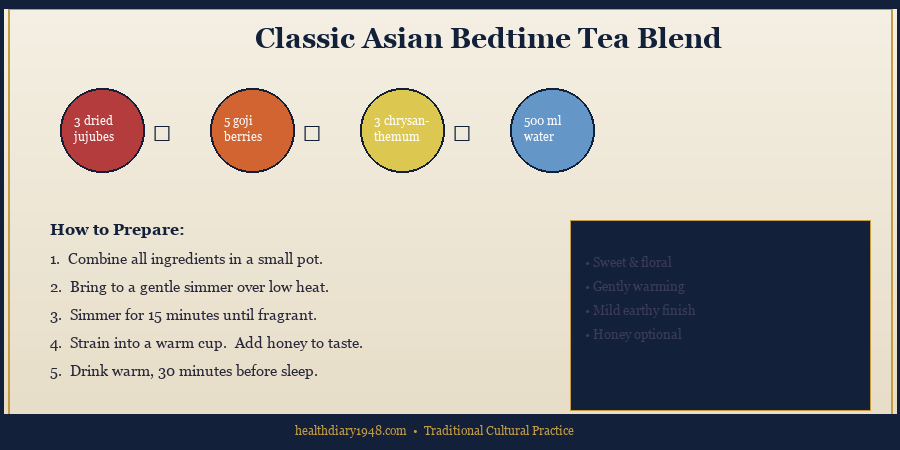
- Combining herbs: Folk tradition commonly combines compatible herbs. A simple and widely used combination is 3 dried jujubes + 5 goji berries + 3 chrysanthemum flowers, simmered in 500ml of water for 15 minutes and finished with honey to taste. This combination draws on Chinese folk understanding of complementary actions — the warming jujube, the gently cooling chrysanthemum, and the goji providing additional nourishment.
- Consistency over intensity: Folk traditions universally emphasize gentle, regular incorporation over occasional large doses. An evening cup three to five times per week as a cultural habit is the pattern embedded in these traditions — not a concentrated medicinal protocol.
Individual responses to all herbal preparations vary considerably; what works well for one person may not suit another, and personal experimentation under the guidance of a healthcare or herbal practitioner is always recommended.
Important Considerations
While these teas are embedded in folk wellness cultures and are consumed as food-grade traditional beverages by many people, there are important practical considerations:
- Drug interactions: Jujube (both fruit and seed preparations) may interact with blood-thinning medications such as warfarin, and with medications for diabetes or blood pressure. Reishi mushroom may similarly affect platelet function. Anyone taking prescription medications should consult a healthcare provider before making herbal teas a regular habit.
- Pregnancy and breastfeeding: The safety of concentrated herbal preparations during pregnancy and lactation has not been adequately studied. Many traditional cultures actually restrict certain herbal preparations during pregnancy. Consult a midwife or obstetrician before use.
- Children: Folk traditions that include children in herbal tea rituals typically use very mild preparations in small quantities. Concentrated preparations (especially sour jujube seed tea or reishi) are adult-oriented in traditional practice.
- Pre-surgery: Reishi mushroom and other herbs with potential effects on blood clotting should be discussed with a surgeon before any planned procedure.
- Quality variability: The quality of dried herbs varies significantly between suppliers. Traditional cultures emphasized sourcing from known, trusted suppliers — an important consideration that applies equally today. Look for herbs with clear sourcing and quality testing information.
- Individual variation: These are folk wellness beverages with centuries of general household use, not precision-dosed clinical interventions. Individual experiences vary considerably, and some people may find certain herbs do not suit their constitution or preferences.
Frequently Asked Questions
What is the difference between red date tea and sour jujube seed tea?
Red date tea (hong zao cha) uses the dried fruit of Ziziphus jujuba — the familiar red dates used in Chinese cooking. Sour jujube seed tea uses the seed (suan zao ren) from a different variety, Ziziphus jujuba var. spinosa, whose tiny sour fruit is not eaten. The seed is specifically valued in Chinese folk tradition for its calming associations, and classical texts like the Shennong Bencao Jing documented it over 2,000 years ago. They are distinct preparations with different traditional applications and flavor profiles.
Can I drink these herbal teas every evening?
Folk traditions around these teas frame them as regular household beverages rather than concentrated herbal doses — many households in China and Korea consumed them several times per week seasonally for generations. That said, individual responses vary considerably. Some people find nightly herbal teas settle well into their routines; others prefer to rotate them or use them seasonally as traditional cultures often did. If you take any prescription medications, it is worth discussing regular herbal tea consumption with a healthcare practitioner first.
Does lotus seed tea taste bitter?
Regular lotus seed (lian zi) tea made from the whole seed is mild and slightly sweet — quite palatable and often compared to a faintly nutty grain tea. Lotus embryo tea (lian zi xin cha), made from the tiny green embryo inside the seed, is distinctly bitter — intentionally so in Chinese folk tradition, where the bitterness is associated with its calming function. The two are separate preparations with different tastes and different traditional applications.
How long do I need to simmer reishi mushroom for evening tea?
Traditional preparations of reishi (lingzhi) as a tea typically call for simmering dried slices for 30–60 minutes over low heat. This extended simmering distinguishes it from most herbal teas and is considered important in folk practice for drawing out the polysaccharides and triterpenes that characterize the mushroom. The resulting liquid is earthy and slightly bitter; honey and red dates are traditional additions that balance the flavor. The long preparation time is itself considered part of the evening wind-down ritual in Japanese and Chinese wellness traditions.
Are these Asian bedtime teas safe during pregnancy?
This is an area where traditional folk practices and modern clinical guidance do not always align. While some of these teas — particularly mild jujube fruit tea or chrysanthemum tea — have a long history of household use across all life stages, concentrated preparations of sour jujube seed or reishi mushroom have not been adequately studied in pregnancy. Traditional cultures often prescribed specific restrictions for pregnant women around herbal preparations. The safest approach is to consult a midwife, obstetrician, or integrative health practitioner before using any herbal tea regularly during pregnancy.
About This Article
Written by: Health Diary Editorial Team — specialists in traditional Asian wellness culture and herbal tea traditions.
Editorial review: This article has been reviewed by the Health Diary editorial team for clarity, structure, and adherence to our sourcing standards. Key claims were cross-checked against NCCIH, NIH PubMed, PMC peer-reviewed literature, and traditional text sources (Shennong Bencao Jing, Bencao Gangmu, Jin Gui Yao Lue). It is not a clinical review and should not replace consultation with a licensed healthcare practitioner.
Reviewed on: June 16, 2026.
Editorial process: We cite peer-reviewed and government sources where possible. When a clinical reviewer is added to this article, attribution will appear here with verifiable credentials.
References
- Shergis JL, et al. "Suanzaoren Formulae for Insomnia: Updated Clinical Evidence and Possible Mechanisms." Frontiers in Pharmacology, 2018. PMC5811769
- Sadeghniiat-Haghighi K, et al. "Edible Herbal Medicines as an Alternative to Common Medication for Sleep Disorders: A Review Article." PMC, 2024. PMC10964091
- Lindequist U, et al. "Ganoderma lucidum (Lingzhi or Reishi)." In: Herbal Medicine: Biomolecular and Clinical Aspects. NCBI Bookshelf, NIH. NBK92757
- Shang X, et al. "Botanical and Traditional Uses and Phytochemical, Pharmacological, Pharmacokinetic, and Toxicological Characteristics of Ziziphi Spinosae Semen: A Review." PMC, 2020. PMC7368963
- "Traditional Chinese Medicine Herbal Formula Suan Zao Ren Tang for Insomnia." The ASCO Post, June 2023. ASCO Post
- Korean Agricultural Media. "Teas for restful sleep before bedtime — daechu-cha and chrysanthemum." Nongmin Sinmun, 2017. nongmin.com
- Korean Jujube Tea (Daechu-cha) preparation guide. The Subversive Table. thesubversivetable.com
This article explores bedtime herbal tea as a traditional cultural practice. It is not medical advice.