
Journal Santé
Guides fondés sur des preuves sur le sommeil, la nutrition, le fitness, la santé mentale et le bien-être.
Parcourez les articles santé par thème.



Stress, mindfulness, and emotional health
0

Workouts, training styles, and movement
0
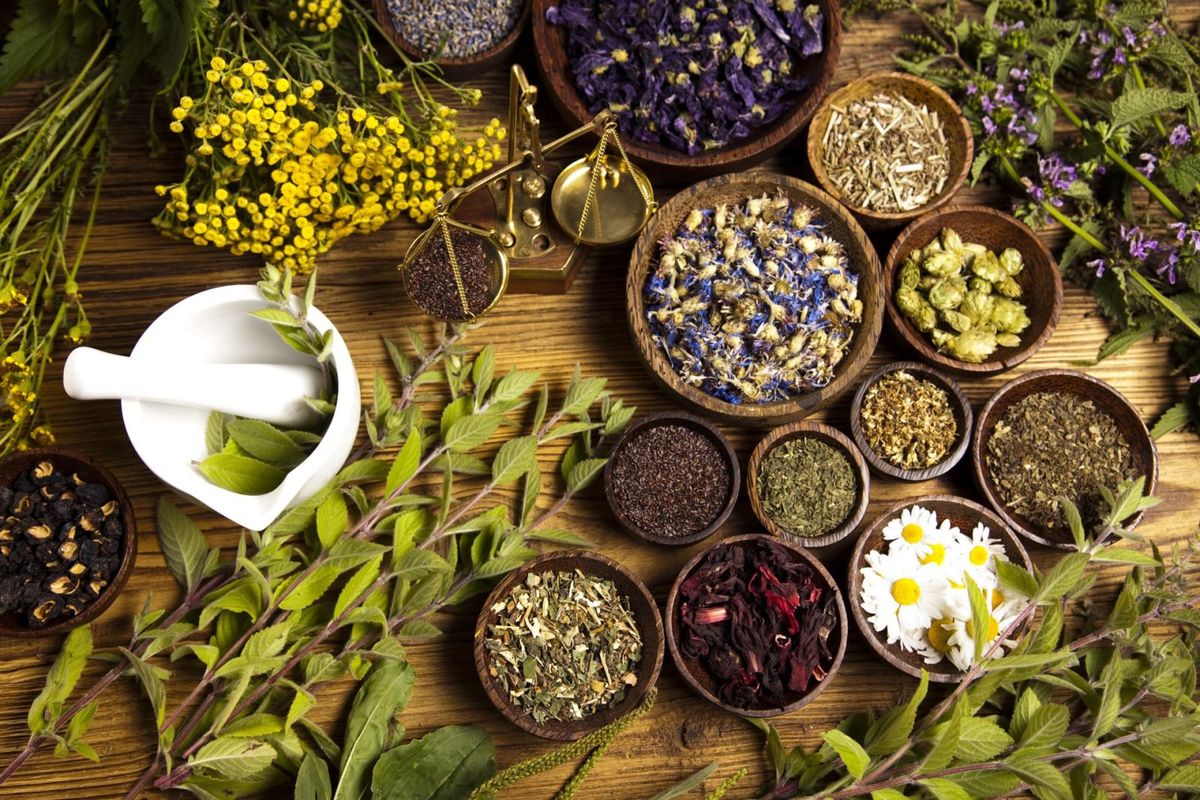
Contenu éducatif sur les herbes, les plantes et les pratiques traditionnelles de bien-être à base végétale.
10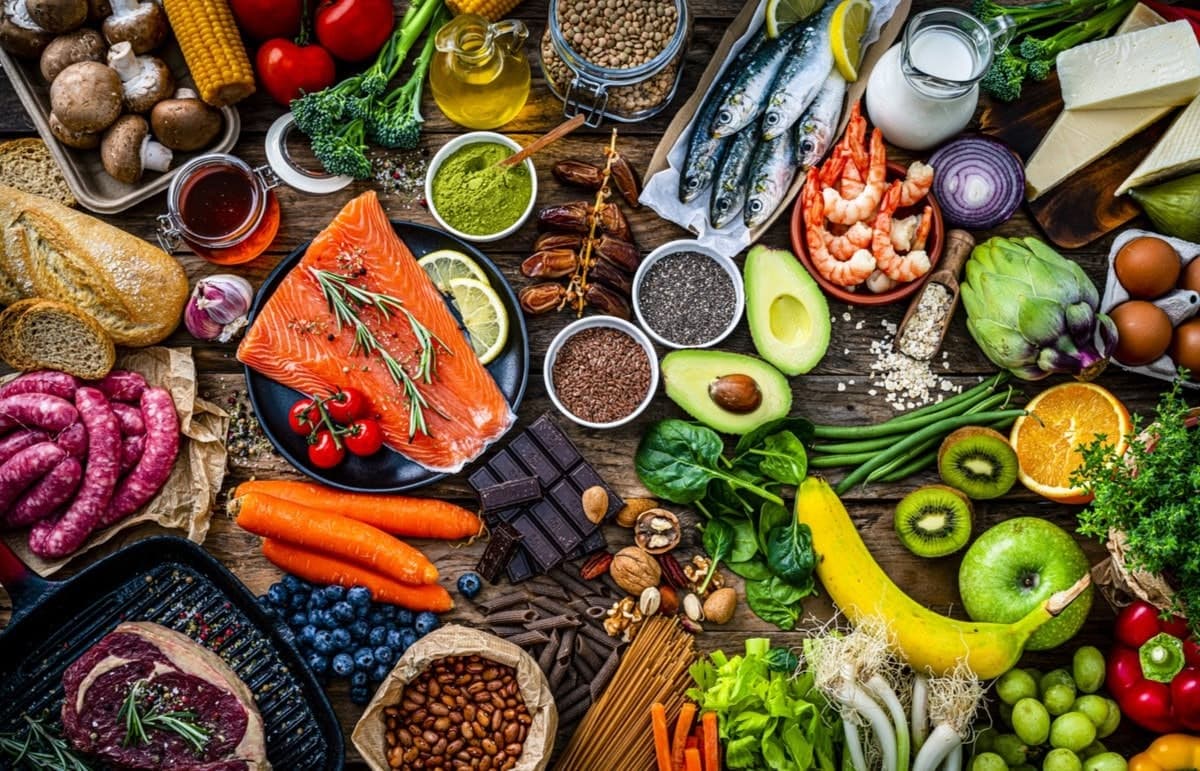
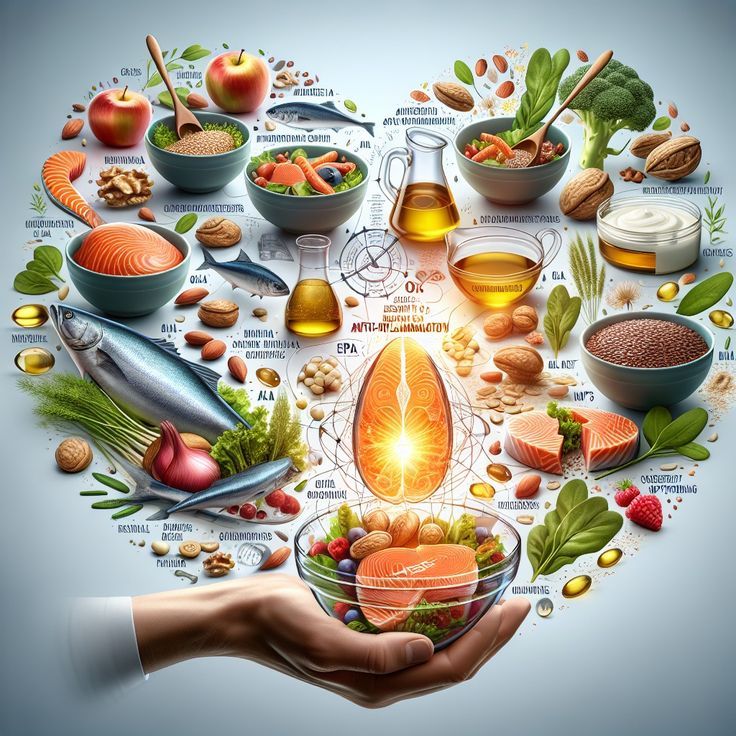
Healthy eating patterns and hydration
0



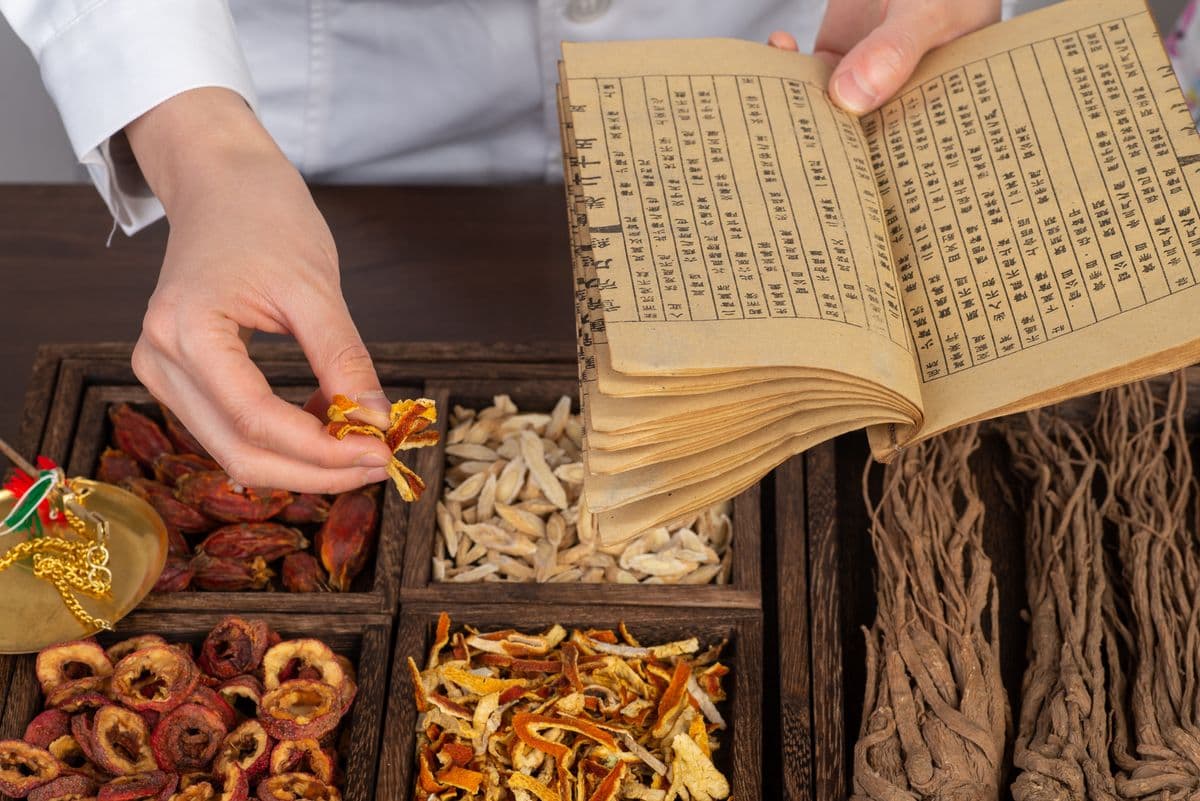
Présentation des systèmes de médecine traditionnelle orientale (MTC, coréenne, japonaise, vietnamienne), de leur théorie et de leur histoire.
19
Routines de bien-être holistique, habitudes de vie et pratiques faciles à suivre au quotidien.
17
Recettes de tisanes traditionnelles, culture du thé et guides de préparation issus des traditions asiatiques.
17

Pratiques alimentaires thérapeutiques traditionnelles, recettes bien-être, soupes aux herbes et traditions nutritives saisonnières d'Asie.
6
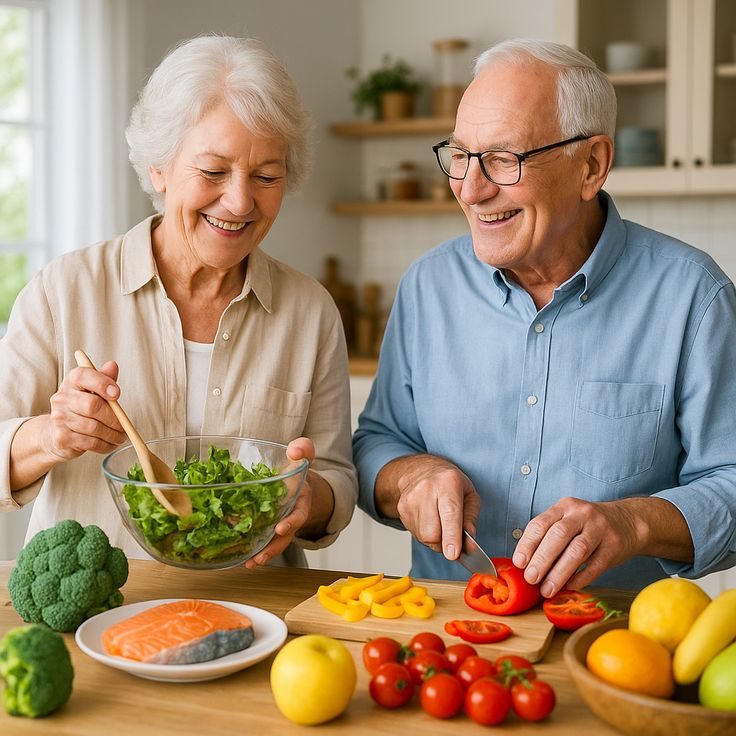
Traditions de longévité, routines quotidiennes et sagesse traditionnelle pour un vieillissement sain à travers l'Asie.
2
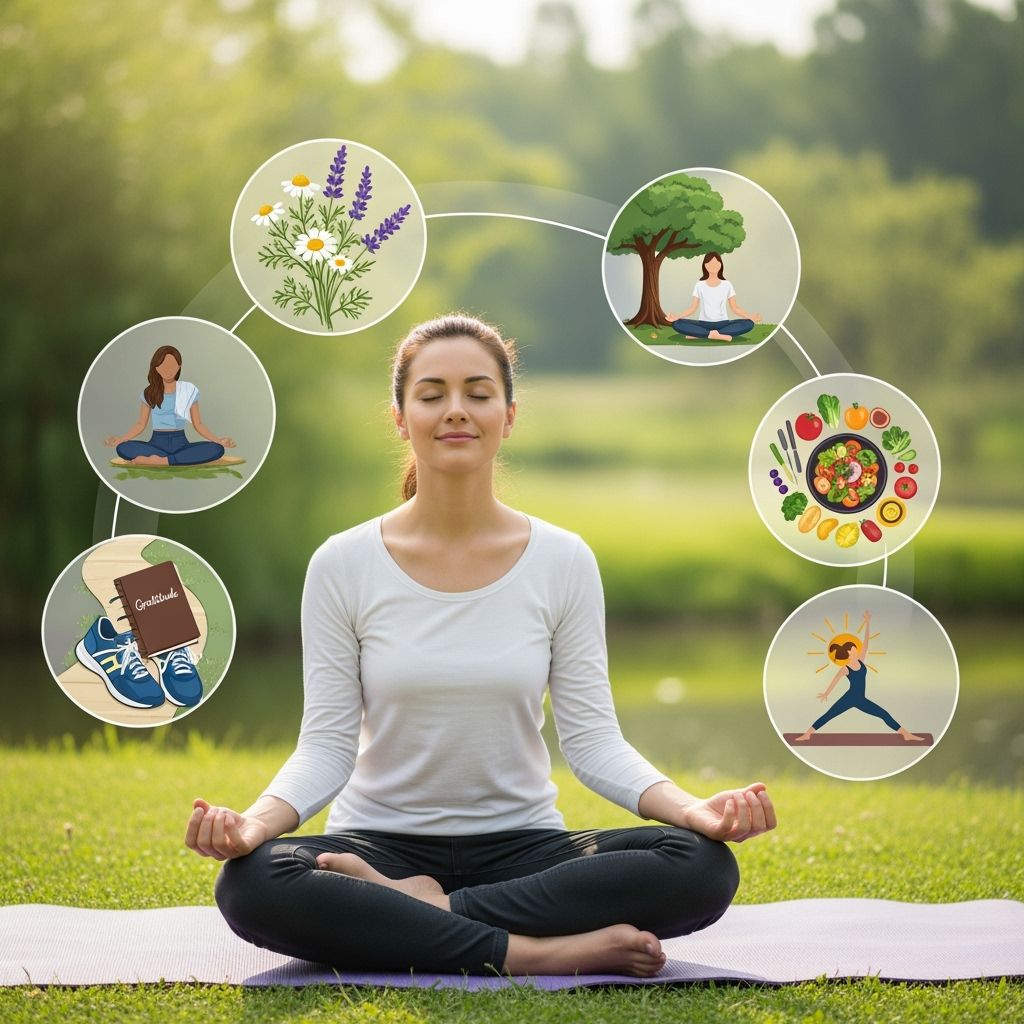
Pratiques corps-esprit, traditions méditatives, exercices respiratoires et rituels de relaxation issus des systèmes de bien-être asiatiques.
3
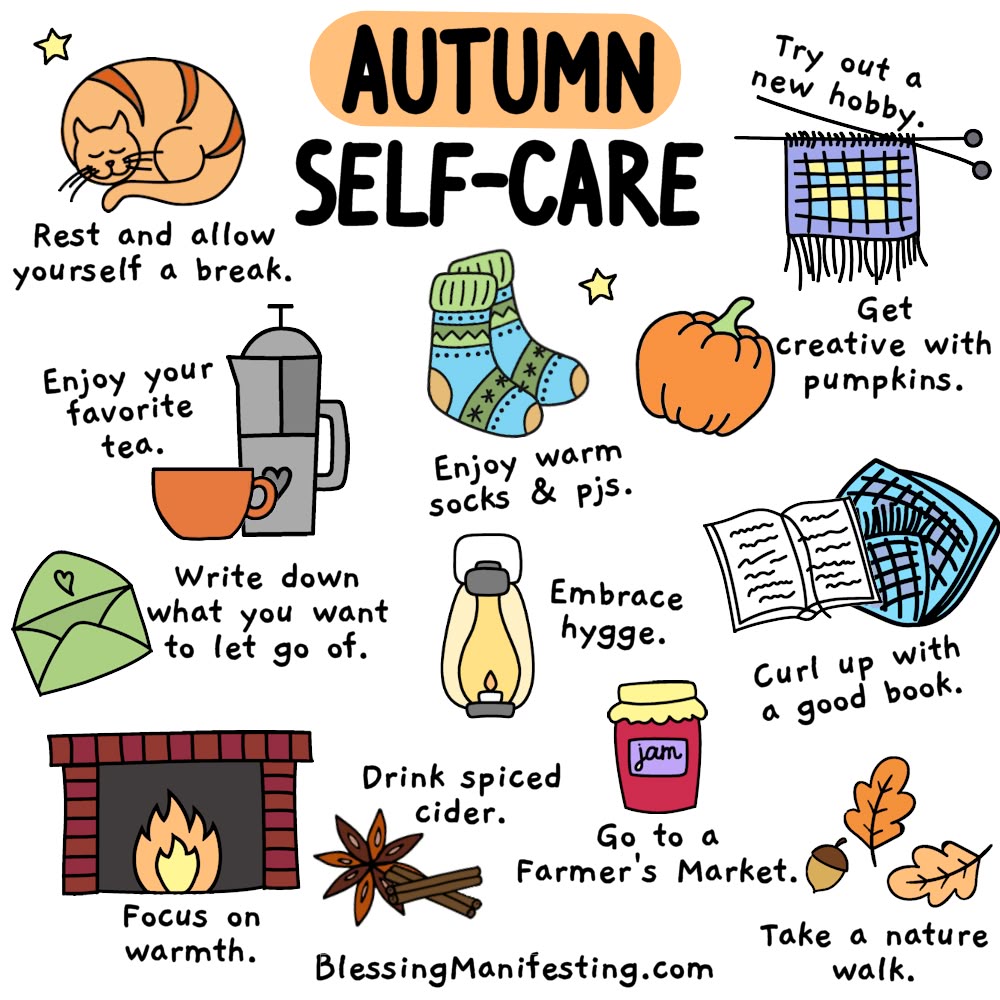
Traditions alimentaires saisonnières, tisanes de saison et habitudes de bien-être alignées sur le printemps, l'été, l'automne et l'hiver dans les cultures asiatiques.
11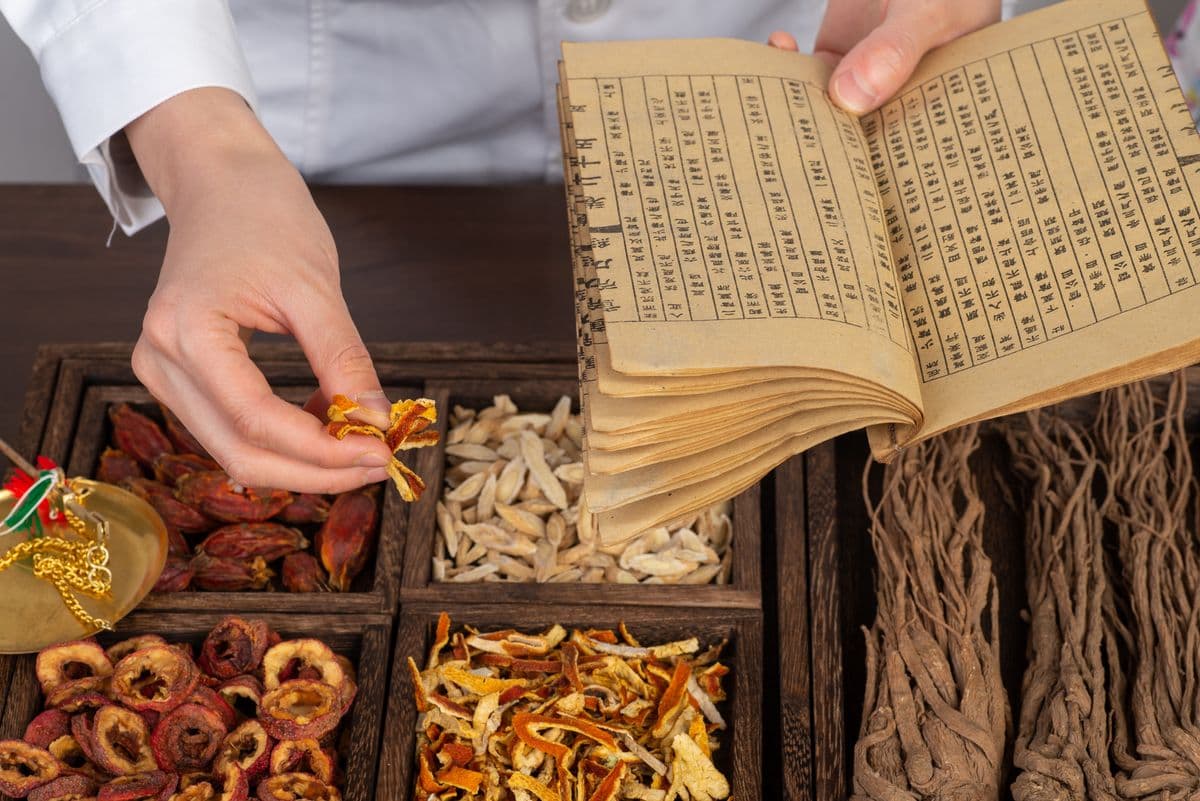
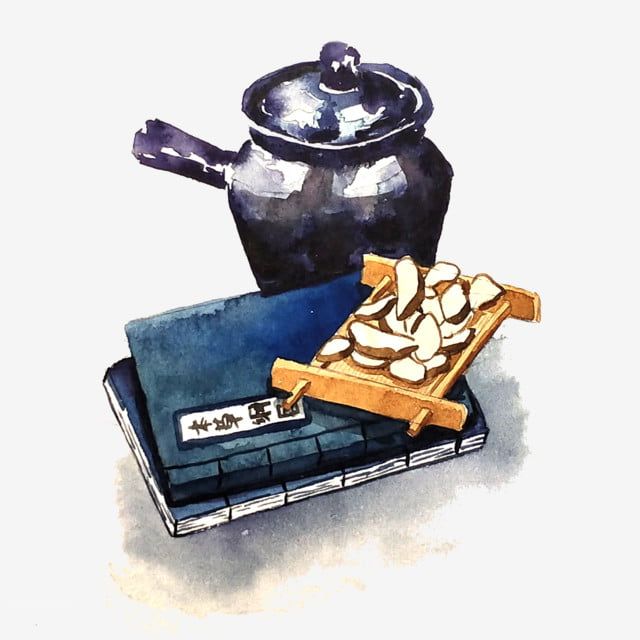
Herbes, théories et pratiques de bien-être de la médecine traditionnelle chinoise (MTC), incluant le Yin-Yang, les Cinq Éléments et les concepts de Qi.
15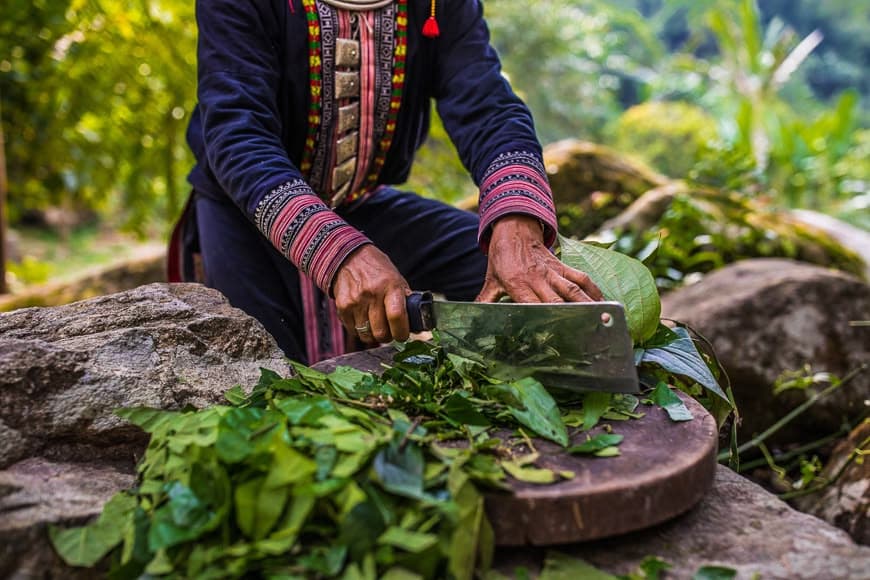
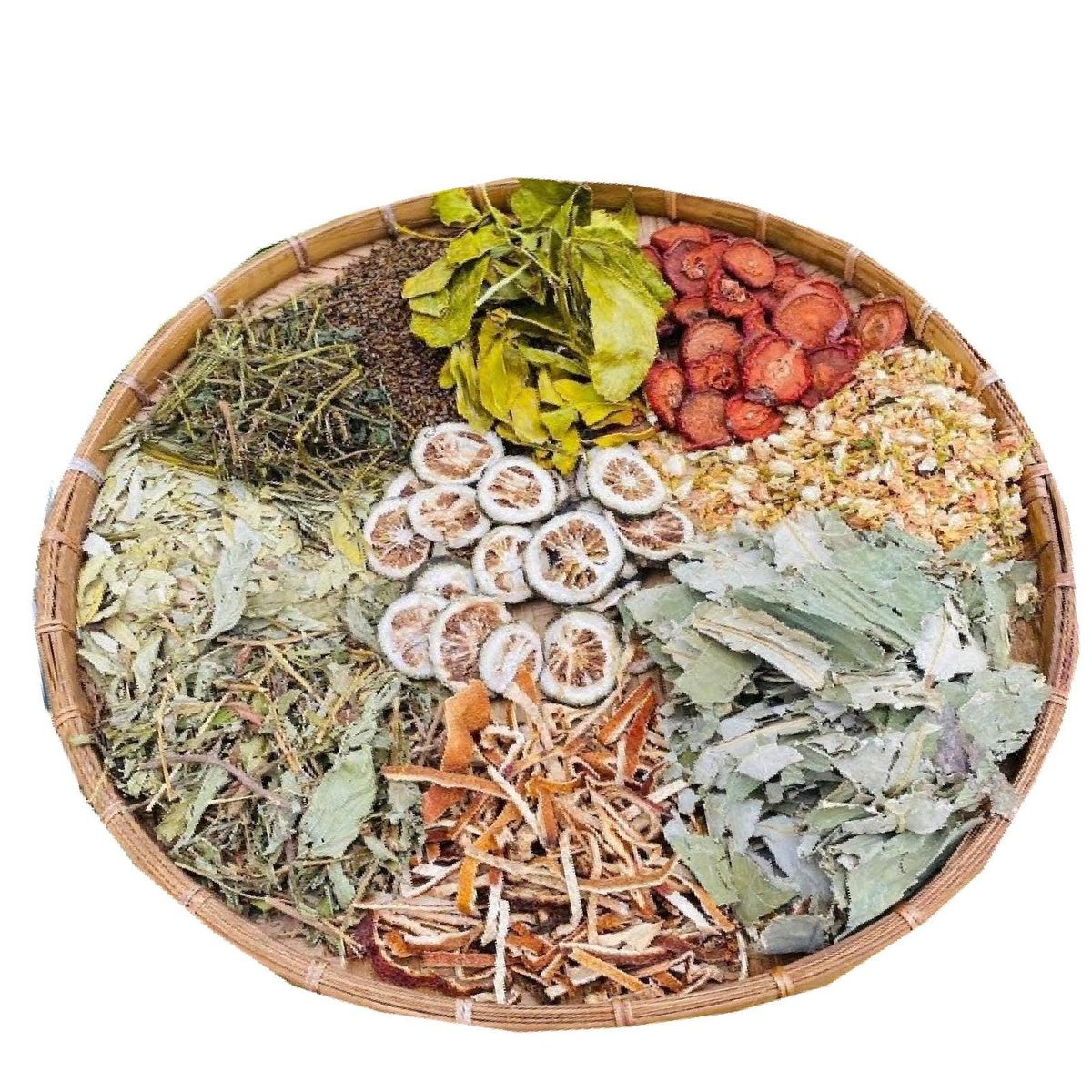
Médecine populaire aux herbes vietnamiennes, plantes indigènes et pratiques de bien-être traditionnelles du Vietnam.
3
Médecine Kampo, traditions herbales japonaises, culture de la cérémonie du thé et pratiques traditionnelles de bien-être japonaises.
3
Médecine traditionnelle coréenne (MTC), traditions herbales coréennes et pratiques de bien-être incluant le ginseng rouge coréen et les aliments fermentés.
2
Traditions herbales thaïlandaises, massage thaï traditionnel et pratiques de bien-être utilisant des plantes thaïlandaises indigènes comme la citronnelle, le galanga et la pois papillon.
0
Traditions de médecine herbale Jamu indonésienne, boissons à base de curcuma et pratiques traditionnelles de bien-être de l'archipel indonésien.
0
An overview of winter wellness traditions across China, Japan, Korea, and Vietnam — the Water element, kidney care, keeping warm, and cold-season health habits.

An overview of autumn wellness traditions across China, Japan, Korea, and Vietnam — the Metal element, lung care, moistening dryness, and seasonal autumn health habits.

An overview of spring wellness traditions across China, Japan, Korea, and Vietnam — the Wood element, liver care, gentle movement, and seasonal spring health habits.

Explore Traditional Korean Medicine (hanbang) — its history, the Dongui Bogam, Sasang constitutional medicine, Korean acupuncture, herbs, and its place in modern Korea.

Jiaogulan (giảo cổ lam, gynostemma) explained: the caffeine-free “southern ginseng” tea, its gypenosides, the Vietnamese research behind it, and what human trials actually show.

Poria (fu ling, phục linh, 茯苓) explained: the pine-root fungus behind the Four Gentlemen Decoction — its four distinct grades, key compounds, uses in soups and formulas, and safety.

Cordyceps (đông trùng hạ thảo, 冬虫夏草) explained: the caterpillar fungus tonic, the crucial wild vs cultivated vs Cs-4 difference, the cordycepin surprise, arsenic risk and safety.
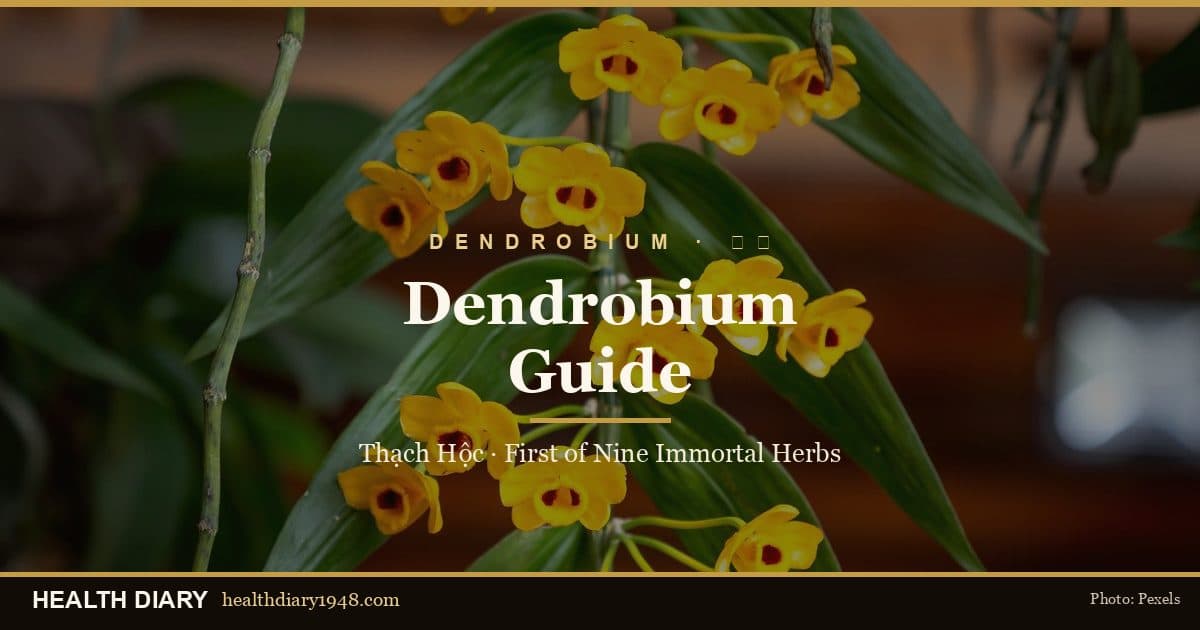
Dendrobium (tie pi shi hu, thạch hộc tía) explained: the medicinal orchid crowned first of the “nine immortal herbs,” why to buy cultivated, its polysaccharides, research and safety.
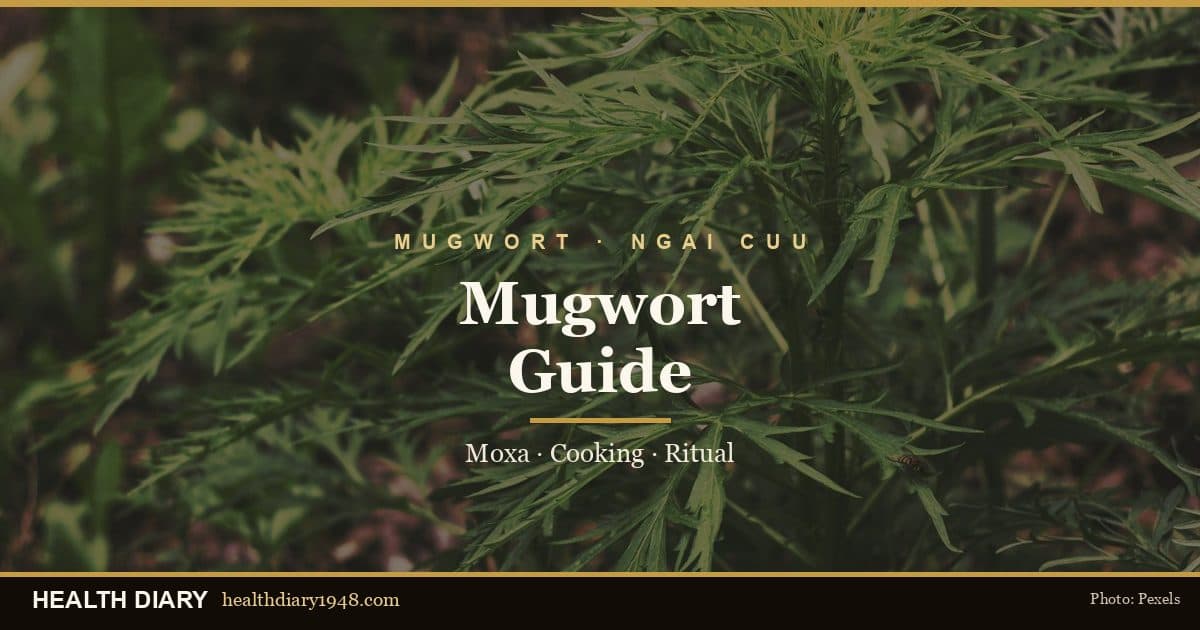
Mugwort (ngải cứu, yomogi, ssuk, ài cǎo) explained: the pan-Asian Artemisia herb behind moxibustion, spring rice cakes and omelettes — its species, uses, research and safety.
Codonopsis (dang shen, đảng sâm) explained: the sweet, gentle “poor man’s ginseng,” why it differs from real ginseng, its role in Four Gentlemen Decoction, tonic soups, and safety.
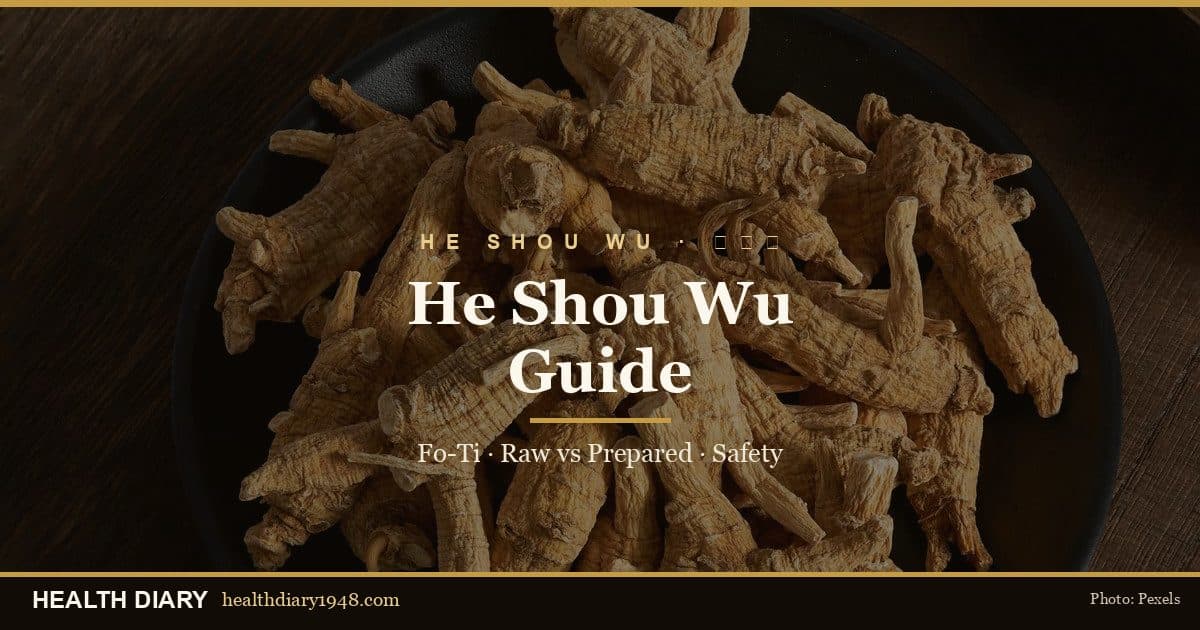
He shou wu (fo-ti, hà thủ ô) explained: the famous Chinese hair-and-longevity root, why raw and prepared forms differ, its traditional uses, and the important liver-safety concerns.
A guide to yellow tea (黄茶) — China’s rarest of the six tea types. What it is, the men huang yellowing step, Junshan Yinzhen and other famous types, and how to brew it.
A guide to Longjing (Dragon Well) — China’s most famous pan-fired green tea from West Lake, Hangzhou. Its imperial history, the four uniques, mingqian harvest, and how to brew it.
A guide to black tea — called red tea (红茶) in China. What it is, why the name differs, Lapsang Souchong and other Chinese black teas, caffeine, and how to brew it.
A guide to white tea — the least-processed true tea. What it really is, Silver Needle vs White Peony, the antioxidant and caffeine myths, aging, and how to brew it.
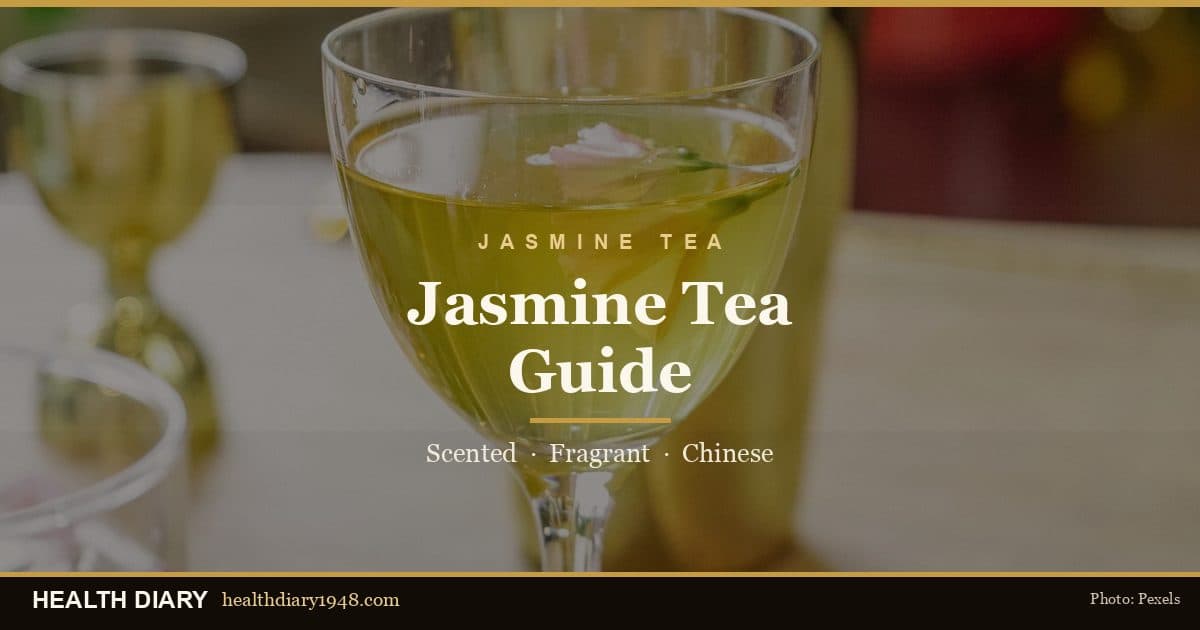
A guide to jasmine tea — the scented Chinese tea made by layering real jasmine blossoms with green tea. What it is, how it’s scented, its heritage, caffeine, and how to brew it.
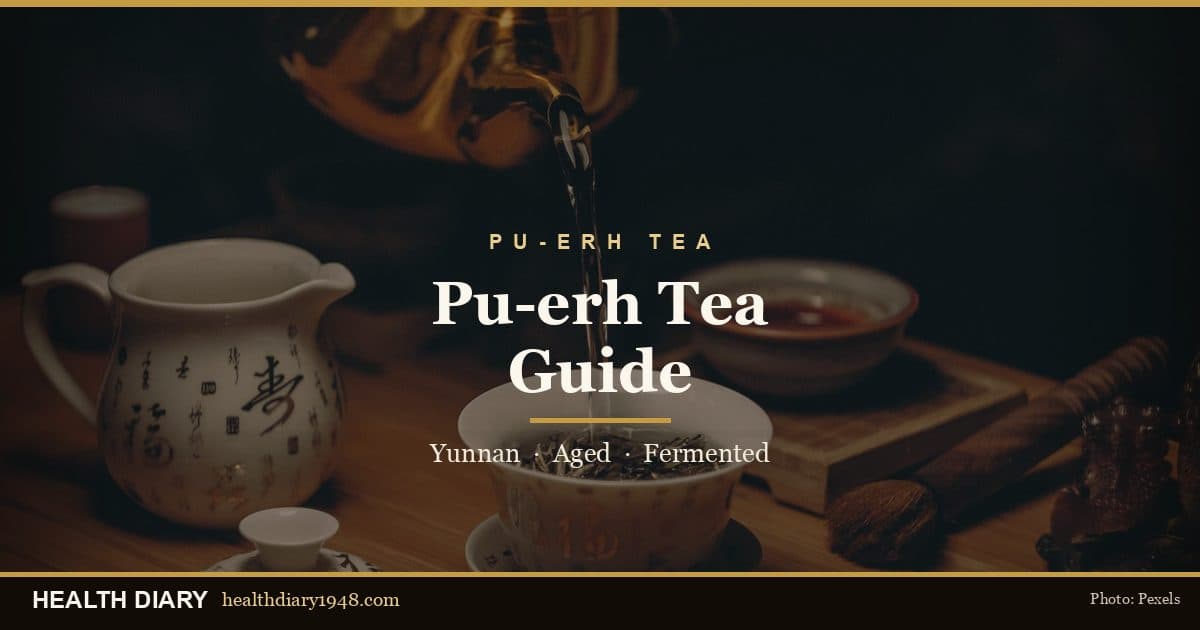
A guide to pu-erh — Yunnan’s post-fermented dark tea. Raw (sheng) vs ripe (shou), the Tea Horse Road, aging and collecting, brewing, and what research really says.
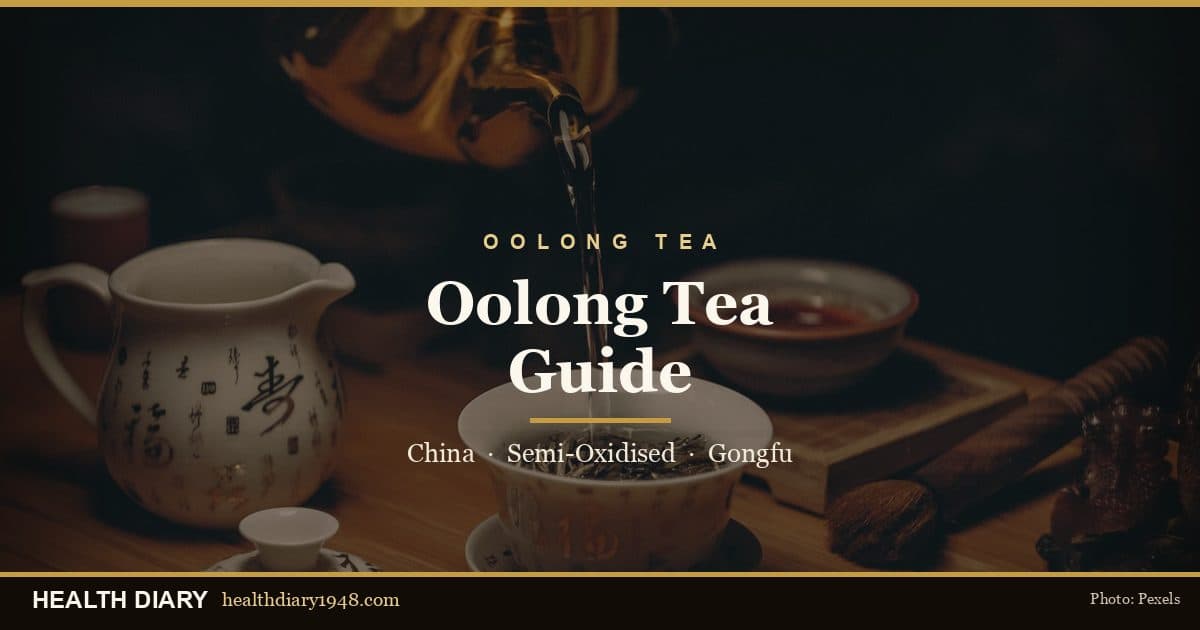
A guide to oolong tea — the partially oxidised Chinese tea between green and black. What it is, how it’s made, famous types like Tieguanyin and Da Hong Pao, and how to brew it.

The small daily habits behind Asian wellness — yangsheng, hara hachi bu, daily walking, tea, regular sleep, and ikigai — and what modern research really says.

How China, Japan, Korea, and Vietnam rest and unwind — hot-spring bathing, forest bathing, calming tea, slow breathing, and the science of the relaxation response.

A guide to Asia’s soups and broths — everyday canh, guk, and miso soup, Cantonese tonic soup, congee, samgyetang, and pho — and what the evidence really says.

How China, Japan, Korea, and Vietnam eat and live with the four seasons — the 24 solar terms, spring greens, summer cooling, autumn moistening, and winter tonics.

How China, Japan, Korea, and Vietnam turned tea into culture — gongfu cha, the Japanese tea ceremony, Korean darye, hospitality, and tea in art and ritual.

A guide to the traditional mind-body wellness practices of China, Japan, Korea, and Vietnam — tai chi, qigong, meditation, breathwork, and restorative rest.

A complete guide to the traditional herbal teas and tisanes of China, Japan, Korea, and Vietnam — their history, key varieties, preparation, and what research suggests.

A pillar guide to healthy aging traditions in Asia — the shared principles of gentle eating, lifelong movement, purpose and community across Japan, China, Korea and Vietnam.

A pillar guide to traditional Japanese herbal traditions: Kampo history, fukushin diagnosis, ki-ketsu-sui, signature herbs and formulas, yakuzen, and Japanese tea culture.

A pillar guide to traditional Asian food therapy — the yao shi tong yuan idea that food is medicine across China, Vietnam, Japan, and Korea, with soups, seasonal eating, and tonic foods.
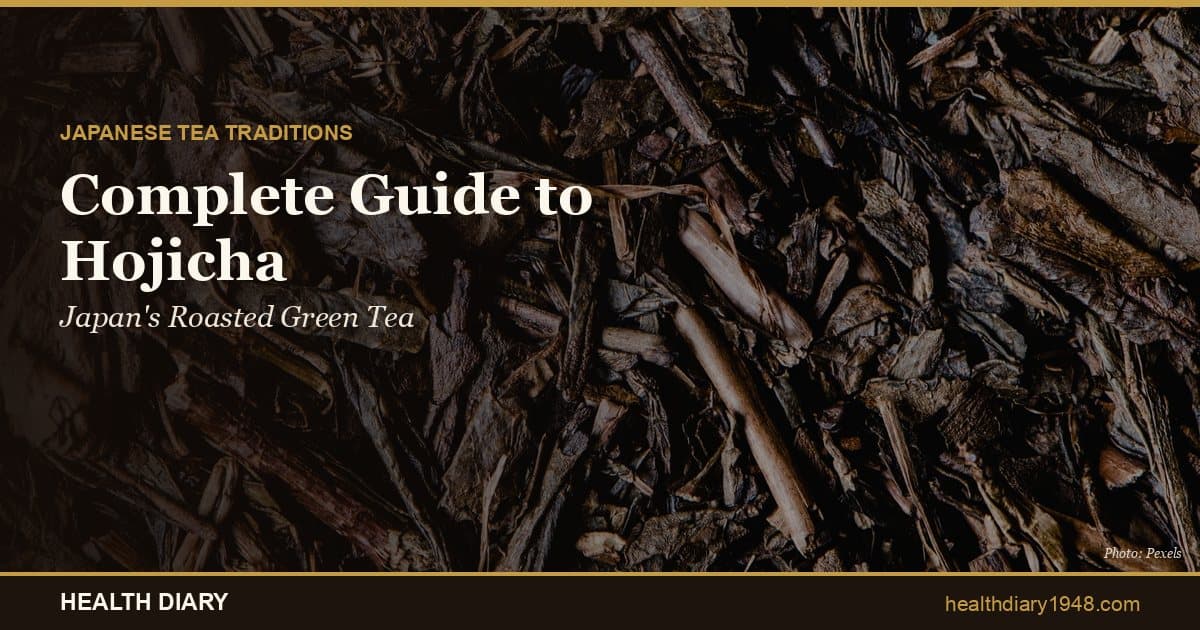
A complete pillar guide to hojicha (ほうじ茶), Japan's roasted green tea: its Kyoto origins, roasting chemistry, types, low caffeine, and how people drink it.
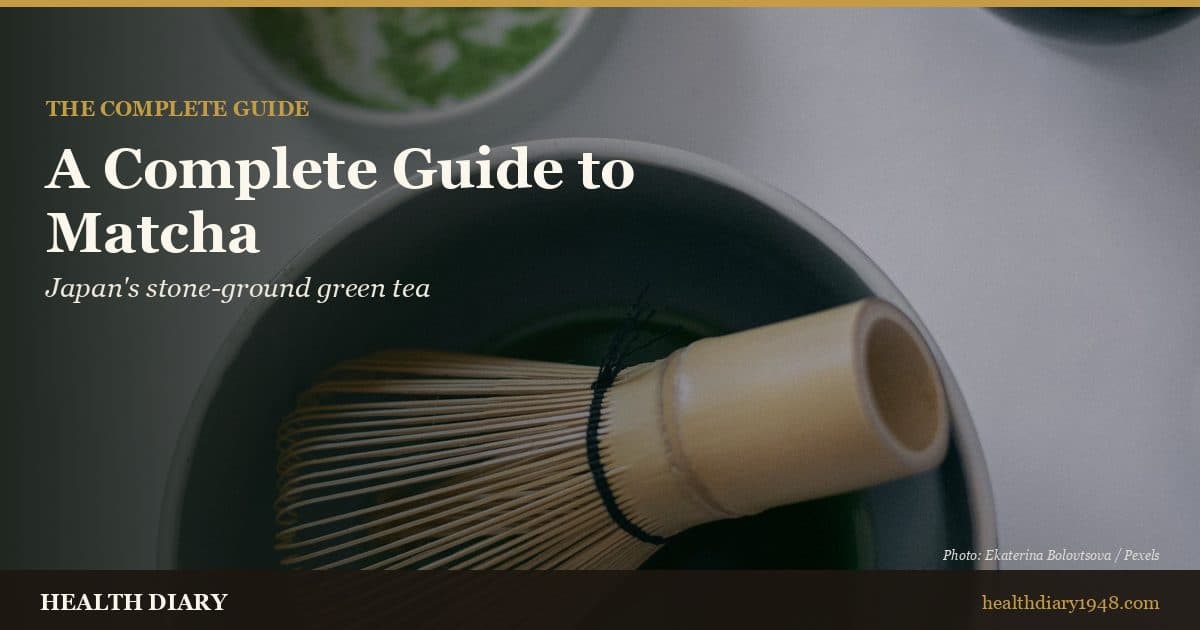
A complete pillar guide to matcha (抹茶): its botany, Zen history, tencha production, ceremonial vs culinary grades, key compounds, preparation, growing regions, and safety.
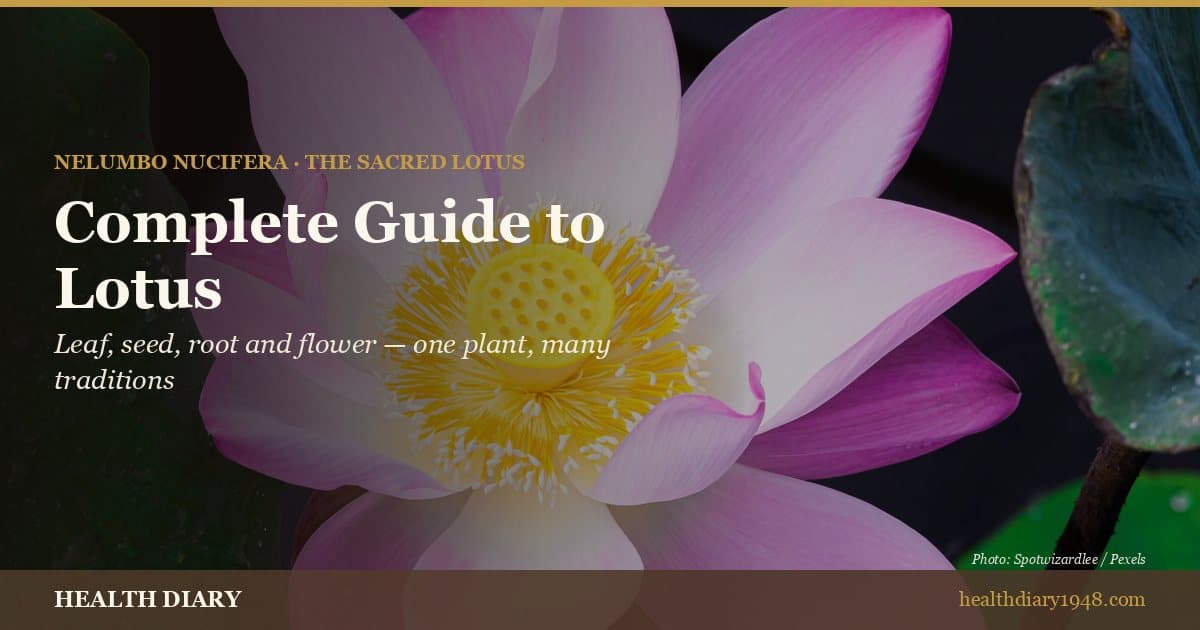
A complete pillar guide to the lotus (Nelumbo nucifera) — its sacred symbolism, botany, and the traditional uses of its leaf, seed, seed-heart, root, and flower.
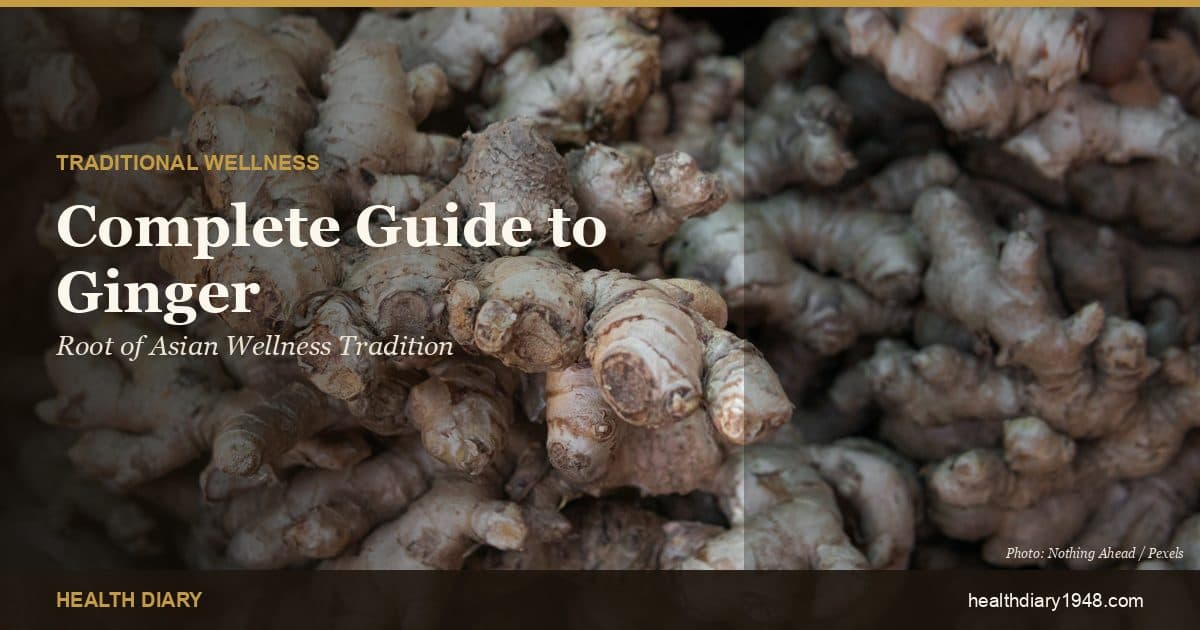
A complete guide to ginger (Zingiber officinale): its botany, pan-Asian history, traditional forms, gingerol and shogaol compounds, research, uses, and safety.

A complete pillar guide to the goji berry (Lycium barbarum, gou qi zi) — its history, botany, role in Chinese medicine, compounds, uses, and safety.

A pillar guide to traditional Korean herbal traditions (hanbang): the Dongui Bogam, Sasang constitutional medicine, signature herbs, boyang foods, and herbal teas.

A pillar guide to traditional Vietnamese herbal traditions — thuốc Nam vs thuốc Bắc, the history from Tuệ Tĩnh to Đỗ Tất Lợi, kitchen herbs, home preparation, and safe use.

A pillar guide to traditional Chinese herbal traditions — the history, theory, herb families, jun-chen-zuo-shi formulas, preparation, and safety behind TCM herbs.

A country-by-country map of Asia's herbal tea traditions, from Chinese cooling liangcha and Korean barley tea to Vietnamese voi and Japanese mugicha.

An overview of traditional Asian tonic soups across China, Korea, Japan, and Vietnam, and how these slow-simmered nourishing broths change with the seasons.

Explore winter tea traditions across Asia, from warming ginger and cinnamon to red date, ripe pu-erh, osmanthus, and honeyed yuja-cha for the cold season.

A tour of traditional warming winter foods across China, Japan, Korea, and Vietnam: ginger, cinnamon, black foods, mutton hotpot, samgyetang, and slow-simmered soups.

Explore autumn tea traditions across Asia, from balanced oolong to warm chrysanthemum, pear, and tremella blends chosen for the dry fall season.

A tour of traditional autumn nourishing foods across China, Japan, Korea, and Vietnam: pear, lotus root, snow fungus, lily bulb, kabocha, and honey.
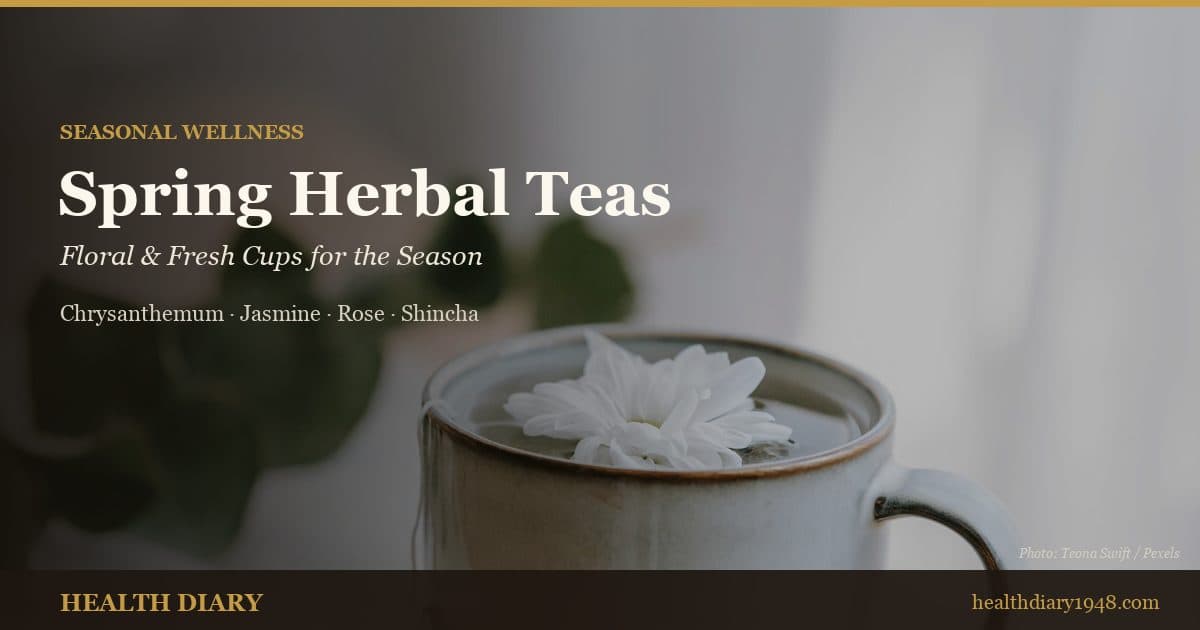
A seasonal guide to spring herbal teas across Asia — floral, fresh green, and liver-soothing cups traditionally enjoyed as the year warms.

A tour of traditional spring foods across China, Japan, Korea, and Vietnam: tender shoots, bitter wild greens, sansai, namul, and mugwort dishes.

What are meridians? Explore jing luo — the twelve regular meridians, the Ren and Du extraordinary vessels, how acupuncture uses them, and what modern research says.
What is qi? Explore the meaning of qi (chi), its philosophical roots, the main types of qi in traditional Chinese medicine, and an honest look at the science.

Explore the five elements (wu xing): Wood, Fire, Earth, Metal, Water — their origins, the generating and controlling cycles, and how they shape food and seasonal wellness.
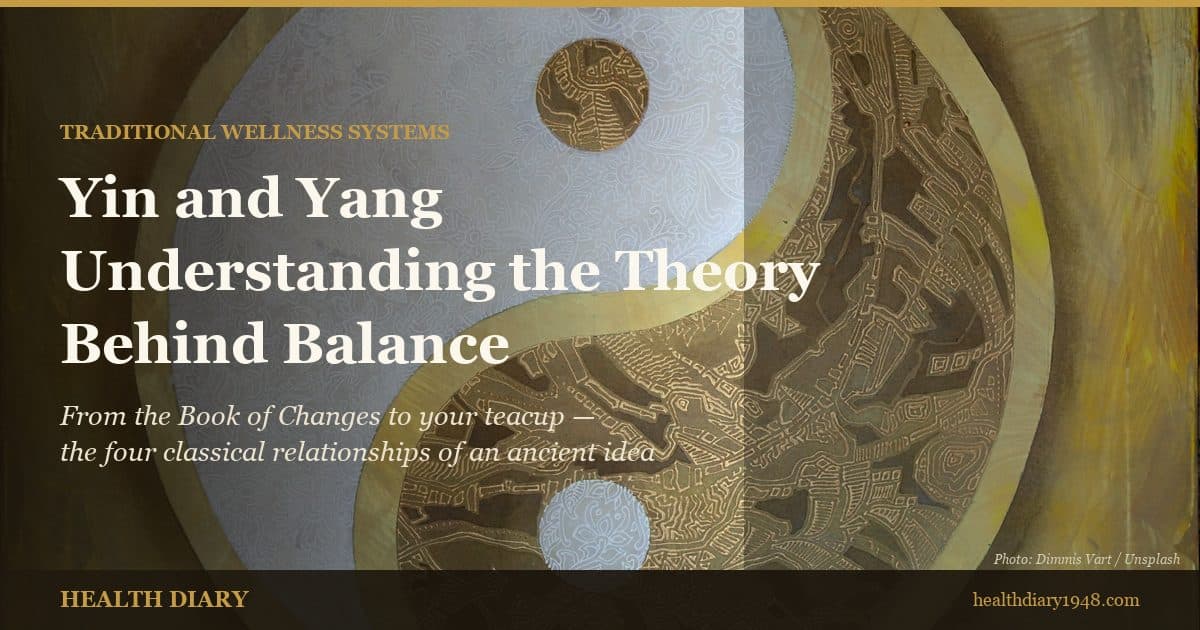
Explore yin and yang: where the theory began, what the taijitu symbol shows, the four classical relationships, and how Asian wellness traditions use it.

A guided map of traditional relaxation practices across Asia — qigong, meditation, tea rituals, onsen bathing, forest walks, and evening routines — with links to detailed guides.
