
Complete Guide to Matcha: Japan's Stone-Ground Green Tea
A complete pillar guide to matcha (抹茶): its botany, Zen history, tencha production, ceremonial vs culinary grades, key compounds, preparation, growing regions, and safety.
Medical Disclaimer: This content is for educational and informational purposes only and is not medical advice. It reflects traditional Japanese cultural practices and folk wellness traditions and is not intended to diagnose, treat, cure, or prevent any disease. Always consult a licensed healthcare practitioner before starting any new herbal practice, dietary change, or supplement. Statements regarding traditional tea use have not been evaluated by the FDA.
Affiliate Disclosure: This article may contain affiliate links. We may earn a commission if you purchase through these links, at no additional cost to you. We only recommend products we believe align with our editorial standards.
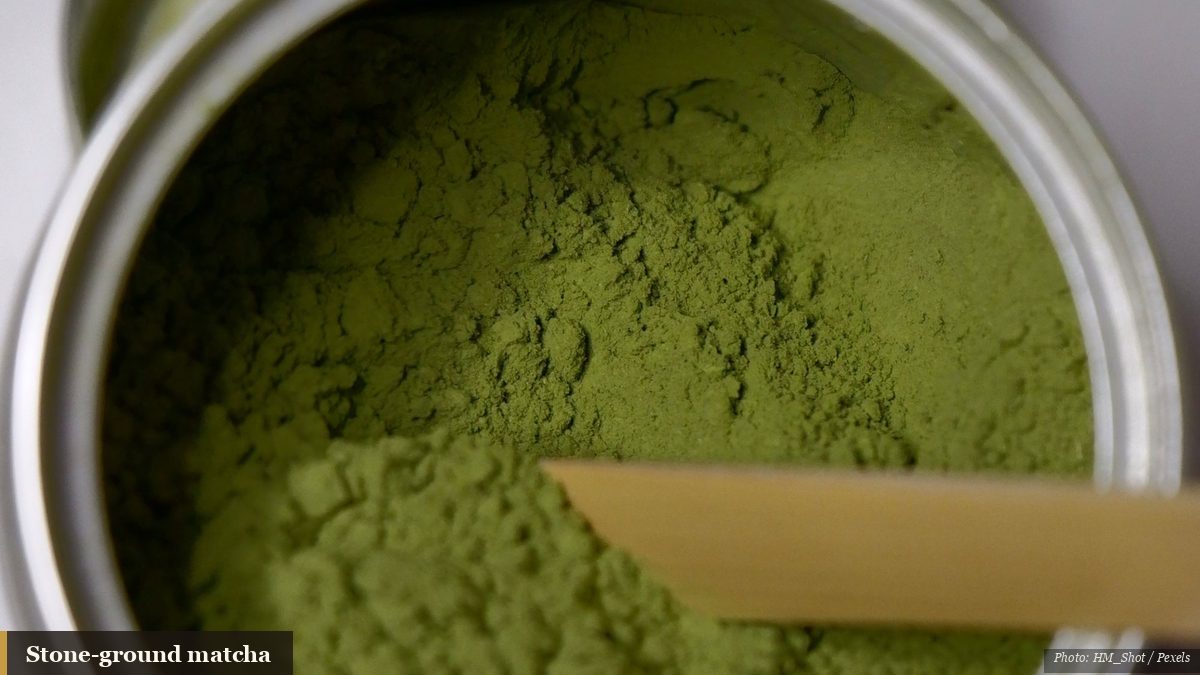
Few drinks are as instantly recognizable as matcha. That electric jade-green powder, whisked into a jade froth in a wide ceramic bowl, has travelled from the meditation halls of medieval Zen temples to the espresso machines of cafés on every continent. Yet for all its modern fame, matcha (抹茶, literally "ground tea") remains widely misunderstood. It is not simply green tea in powder form, nor a single product with one quality level, nor the health miracle that some marketing suggests. It is a specific, centuries-old craft: shade-grown leaves of Camellia sinensis, steamed and dried without rolling, then stone-ground into an ultra-fine powder that you drink whole rather than steep and discard.
This guide is a hub for the whole world of matcha. We will look at what botanically separates matcha from every other tea, trace how a Chinese Chan-Buddhist habit became the soul of the Japanese tea ceremony, walk through how tencha leaf becomes matcha powder, sort out the confusing "ceremonial versus culinary" grade labels, survey what modern research has and has not shown about its compounds, and cover how people prepare it and where the finest is grown — before turning honestly to safety. Along the way you will find links to deeper articles on each thread, so you can follow whichever part of the matcha story interests you most.
What Is Matcha, Exactly?
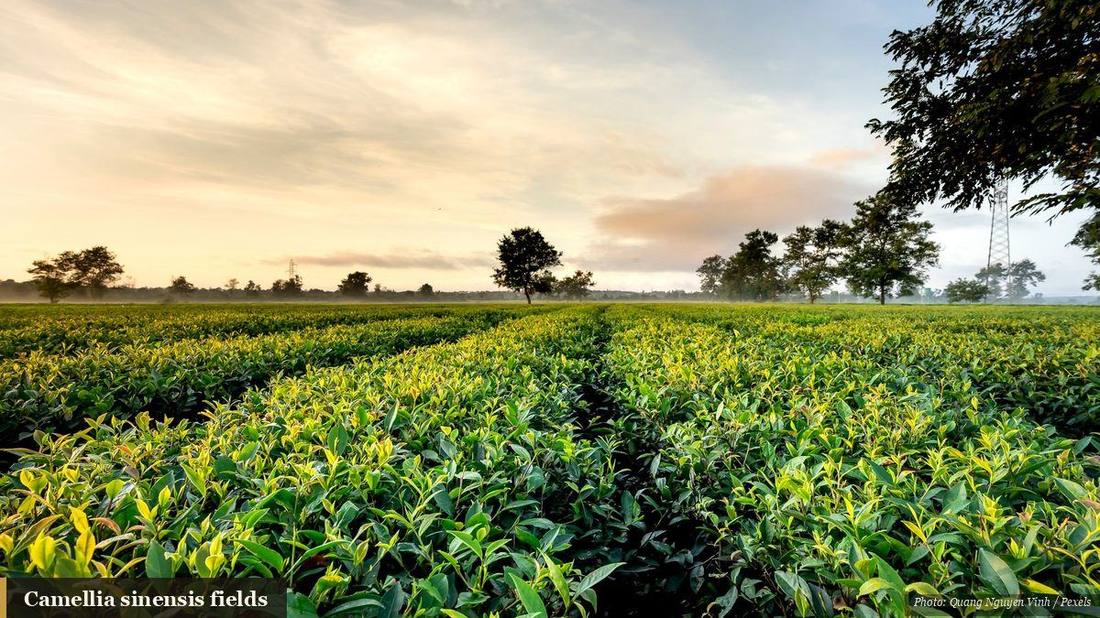
At its simplest, matcha is powdered green tea — but that definition hides what makes it unique. All true tea, whether green, black, oolong, or white, comes from the same evergreen shrub, Camellia sinensis (NCCIH, Green Tea). What changes is how the leaves are grown and processed. Matcha begins in the field with a step no ordinary green tea uses: for at least twenty days before harvest, the tea bushes are covered with shade cloth that blocks around 98 percent of sunlight (Ocha.tv, matcha manufacturing process). Starved of light, the plant slows its production of bitter catechins and instead accumulates amino acids — above all L-theanine — and floods the leaf with chlorophyll. The result is the deep green colour and the sweet, savoury "umami" character that good matcha is prized for.
The second thing that sets matcha apart happens at the cup. With sencha or most other green teas, you steep the leaves in hot water and throw them away, so you drink only what dissolves. With matcha, the whole leaf has been ground into powder and suspended in the water, so you consume the entire leaf. A study that milled green tea in a set of ceramic mills found that powdering raised the average extracted concentration of the catechin EGCG more than threefold compared with leaf tea (Fujioka et al., Molecules, 2018). That single fact — you eat the leaf rather than infuse it — explains most of matcha's concentrated colour, flavour, and compound content. A 2020 review in Molecules describes matcha as shade-grown Japanese green tea of the "tencha" type, ground to powder so that its bioactive compounds extract almost immediately in the bowl (Kochman et al., 2020).
Where Did Matcha Come From?
Powdered tea was not, originally, Japanese. The technique of grinding steamed tea into powder and whisking it in a bowl developed in China during the Song dynasty, where it was already tied to Chan (Zen) Buddhist monastic life. The pivotal figure in bringing it to Japan is the monk Eisai (栄西), founder of the Rinzai school of Zen, who returned from Song China around the turn of the thirteenth century with both tea seeds and the whisked-tea method (Yamamasa Koyamaen, history of matcha). Eisai went on to write Kissa Yōjōki (喫茶養生記), "Notes on Drinking Tea for Health," regarded as Japan's first book on tea — a work that framed tea as much as a tonic for body and mind as a pleasure.
From there the story is one of monasteries, aristocrats, and place. Eisai's seeds were planted by the monk Myōe at Kōzan-ji in Toganoo and then in Uji, the valley south of Kyoto that would become synonymous with the finest matcha (Marukyu-Koyamaen, history of tea). Zen monks drank whisked tea to stay alert and settled during long hours of seated meditation, a use that connects matcha to the wider world of contemplative practice we explore in our guide to meditation traditions of Asia. Over the Muromachi period, this monastic drink grew into chanoyu — the way of tea — refined in the sixteenth century by the tea master Sen no Rikyū into a full aesthetic and spiritual discipline built on harmony, respect, purity, and tranquility. That ceremonial world is a rich subject in its own right, and we devote a whole companion article to it: the Japanese tea ceremony and ceremonial matcha. The idea of tea as a considered part of daily well-being also runs through Japan's broader herbal tradition, Kampo.
How Is Matcha Made?
The journey from bush to bowl is what justifies matcha's price and its flavour. It has four essential stages, and skipping or rushing any of them changes the result completely. The diagram below maps the process; the notes that follow fill it in.
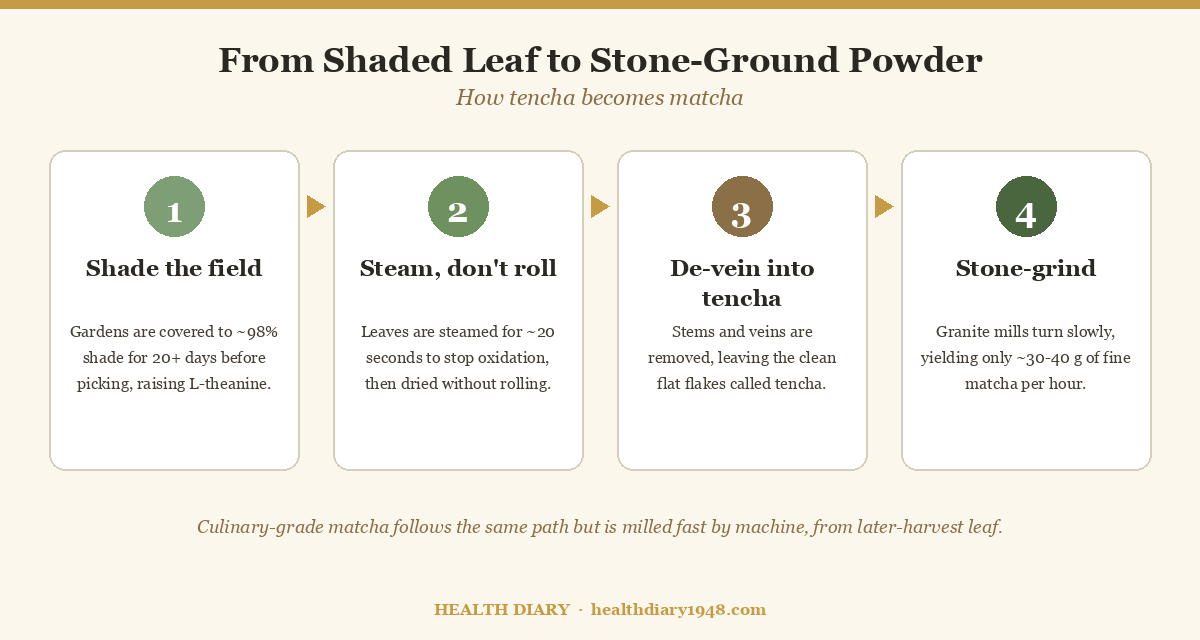
First comes shading. In the weeks before the spring harvest, growers stretch cloth or reed screens over the tea rows, deepening the shade to roughly 98 percent over twenty or more days. Japanese producers describe this window as the single requirement that decides final quality (Ocha.tv). Second comes steaming: the freshly picked leaves are steamed for around twenty seconds to halt oxidation and lock in the green colour — the same principle behind all Japanese green tea, but here kept brief. Crucially, and unlike sencha, the leaves are then dried without being rolled. Skipping the rolling step is why raw-tea processing for tencha takes under an hour rather than the roughly three hours sencha requires (Ocha.tv).
Third, the dried leaf is sorted and its stems and veins are removed, leaving thin, flat green flakes. This de-veined material is called tencha, and it is the true raw ingredient of matcha; the Global Japanese Tea Association notes that tencha is grown in shade for several weeks, steamed, dried, and separated from stems specifically as a material for grinding rather than for brewing on its own (Global Japanese Tea Association). Fourth and finally comes the grinding. Traditional ceremonial matcha is milled between two slowly turning granite stones, a process so gentle and slow that a single mill produces only around thirty to forty grams of powder in an hour. Industry sources note that no machine has yet matched the fineness and aroma that stone mills achieve, which is why the best matcha is still stone-ground while high-volume culinary powder is made on faster industrial mills (Global Japanese Tea Association).
What Are the Grades of Matcha?
Walk into any tea shop and you will meet the words "ceremonial grade" and "culinary grade," often with "premium" or "latte grade" in between. It helps to know up front that these are marketing categories, not legally defined standards: there is no global regulatory body that sets what "ceremonial" must mean, and the terms were largely introduced by importers in the West to make matcha easier to shop for. Still, they map onto real differences in leaf, processing, and best use, summarized in the chart below.
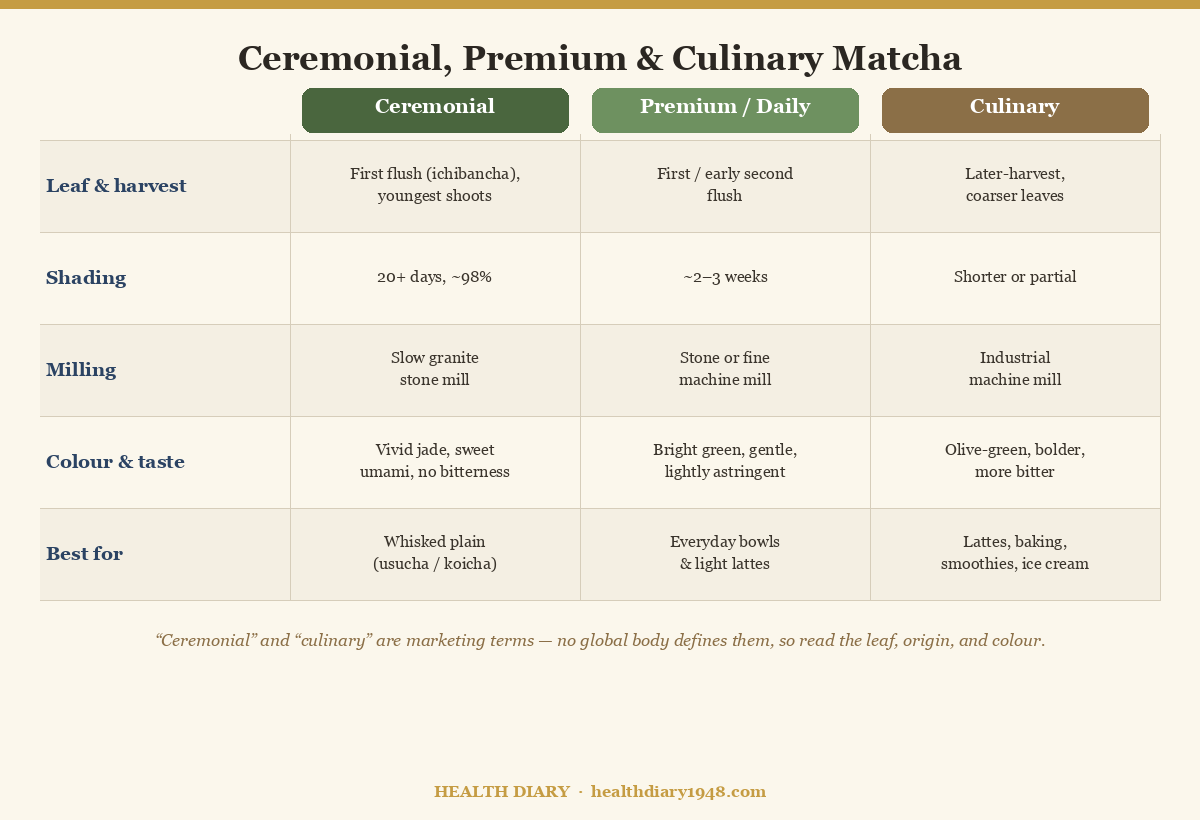
Ceremonial matcha is made from the youngest shoots of the first spring harvest (ichibancha), shaded the longest, and stone-milled. It is vivid jade-green, naturally sweet, low in bitterness, and meant to be whisked and drunk plain — the grade used for the tea ceremony. Premium or daily-drinking matcha occupies a sensible middle ground: bright, gentle, a little more astringent, good for an everyday bowl or a light latte without the ceremonial price. Culinary matcha uses later-harvest, coarser leaves, is usually machine-milled, and is more olive-toned, bolder, and more bitter — which is exactly what you want when it has to hold its own against milk, sugar, and heat in a latte, an ice cream, or a batch of cookies. None of these is "better" in the abstract; the right grade is the one that fits how you plan to drink it. A good rule of thumb: if you will taste it neat, buy the greenest first-flush stone-milled powder you can; if it is going into a recipe, culinary grade is both cheaper and more appropriate.
What Is Actually Inside Matcha?
Because you drink the whole leaf, matcha delivers a more concentrated dose of tea's characteristic compounds than a typical steeped cup — and this is where marketing tends to outrun the evidence, so it is worth being careful. The 2020 Molecules review reports that matcha contains roughly 18.9 to 44.4 milligrams of caffeine per gram of powder, higher than other green teas, along with substantial L-theanine and the full family of catechins, of which EGCG is the most abundant and most studied (Kochman et al., 2020). The pairing that gives matcha its reputation for "calm alertness" is caffeine plus L-theanine: caffeine is stimulating, while L-theanine is a relaxing amino acid, and the two together are thought to produce steadier focus than caffeine alone.
How strong is that effect? Honestly, modest and still being mapped. A 2025 systematic review and meta-analysis of randomized trials on L-theanine, with and without caffeine, for cognition, sleep, and mood in healthy adults found genuine but small and inconsistent effects (Sarris et al., Nutrition Reviews, 2025). One of the few human trials on matcha specifically — a randomized, placebo-controlled study in middle-aged and older adults — found that matcha taken with caffeine improved attention and work performance under mild psychological stress more than caffeine alone (Baba et al., Nutrients, 2021). Encouraging, but a long way from the sweeping claims you often see. You may have read that matcha has "137 times the antioxidants of green tea"; that figure comes from a single 2003 laboratory comparison against one specific commercial product and should not be treated as a general rule. The reasonable takeaway is that matcha is a concentrated, antioxidant-rich form of green tea whose gentlest compounds are pleasant and whose stronger claims remain preliminary. For a deeper, compound-by-compound look at L-theanine, EGCG, caffeine, and chlorophyll and what studies actually show, see our detailed article on matcha in traditional Eastern medicine.
How Do You Prepare and Drink Matcha?
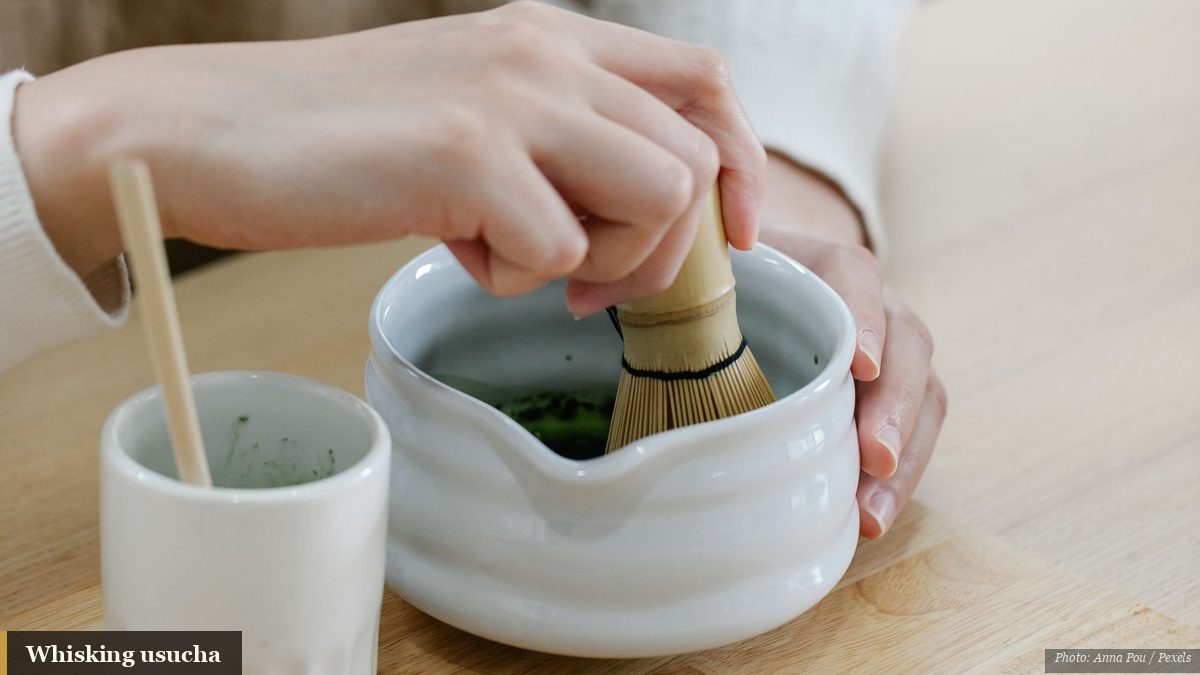
Preparing matcha is a small, satisfying ritual, and it needs only a few tools: a fine sieve, a bamboo scoop (chashaku), a wide bowl (chawan), and the bamboo whisk (chasen) whose dozens of fine tines are what make the froth. In the traditional ceremony there are two thicknesses. Usucha, "thin tea," uses about two scoops of matcha to a small amount of hot (not boiling) water, whisked briskly in a brisk "M" or "W" motion until a fine foam forms — this is the everyday preparation most people learn. Koicha, "thick tea," uses far more powder and less water to make a glossy, paint-like tea reserved for the most formal ceremonies, and it demands the very best ceremonial grade. The full step-by-step method, along with the meaning of the tools and the etiquette around them, is covered in our Japanese tea ceremony guide.
Outside the ceremony, most people meet matcha as a latte — whisked, then loosened with milk and often a little sweetener. This is where culinary grade shines, and where matcha overlaps with the broader everyday culture of Japanese and Asian tea drinking. If you enjoy matcha, it is worth exploring its roasted and everyday cousins: nutty genmaicha with its toasted rice, the twig tea kukicha, the staple steamed green sencha, and the low-caffeine roasted hojicha, which we compare directly with unroasted green tea in our hojicha versus green tea guide and profile in full in the complete guide to hojicha. Matcha also folds naturally into the kind of calming, mindful daily tea rituals and relaxation tea traditions that many people build into their routines. Individual responses vary considerably; what works well for one person may not suit another, and any tea is best enjoyed as part of a balanced routine rather than as a remedy.
Where Is the Best Matcha Grown?
Terroir matters for matcha as it does for wine. The most historically celebrated region is Uji, on the southern edge of Kyoto, whose cool misty valleys and centuries of expertise made it the reference standard for high-grade matcha ever since Eisai's seeds took root nearby. Uji remains a byword for premium ceremonial powder. A second major centre is Nishio in Aichi Prefecture, which grows a large share of Japan's tencha and has specialized in matcha production for generations. Shizuoka and Kagoshima, Japan's largest tea-growing prefectures overall, also produce significant quantities across the grade spectrum. Because genuine stone-ground ceremonial matcha is labour-intensive and geographically concentrated, the great majority of it still comes from Japan, while much of the world's culinary and ready-to-drink powdered tea is grown and milled elsewhere. When you are buying matcha to drink plain, the stated origin — and ideally a single named region such as Uji or Nishio — is one of the more reliable quality signals. This regional specialization is part of a much larger East Asian tapestry of place-based tea, which we map in our guides to regional herbal tea traditions of Asia and traditional Asian herbal teas.
How Does Matcha Fit Into Japanese Wellness?
To understand matcha's place in Japanese life, it helps to see it less as a "superfood" and more as a long-standing daily habit woven into culture. From Eisai's Kissa Yōjōki onward, tea in Japan has been framed as something that steadies the mind and refreshes the body — a companion to work, study, meditation, and hospitality rather than a treatment for illness. That framing sits comfortably within the broader logic of Kampo, Japan's adaptation of Chinese herbal medicine, and within the East Asian concept of balance captured in yin and yang, where a cooling, calming green tea is understood as a counterweight to a heated, hurried modern life.
Matcha also appears in discussions of Japanese longevity, where a broadly plant-forward diet, moderate portions, and unhurried daily rituals are thought to contribute to healthy aging — themes we explore in our guide to Japanese healthy aging traditions. It is worth keeping perspective here: no single food or drink explains longevity, and matcha is best appreciated as one pleasant thread in a whole way of living. If you like comparing wellness traditions across Asia, matcha makes an interesting companion to tonic herbs such as those in our complete guide to ginseng and to the whole-plant traditions in our complete guide to lotus. What unites them is not a medical promise but a shared culture of patient, everyday care.
Important Limitations and Considerations
Matcha is a food and a pleasure, but because you consume the whole leaf in a concentrated form, a few honest cautions belong here — "natural" is not the same as "risk-free."
- Caffeine adds up. Matcha is more caffeinated per gram than most steeped green teas, and a strong bowl can rival a shot of espresso (Kochman et al., 2020). If you are sensitive to caffeine, prone to anxiety or palpitations, or drinking it late in the day, moderate your intake and pay attention to how you feel. Those wanting the tea ritual with far less caffeine may prefer roasted hojicha.
- Whole-leaf means whole-leaf. Because matcha is the entire leaf rather than an infusion, it can carry more of whatever the leaf accumulated, including trace elements. Peer-reviewed analysis of teas has found that lead and other potentially toxic elements can accumulate in Camellia sinensis leaves, mostly from soil, though the study concluded that long-term tea consumption is unlikely to pose a pronounced health risk for most people (Zhuang et al., Science of the Total Environment, 2022). The practical response is to buy from reputable growers with quality testing and to keep intake moderate.
- Herb–drug and nutrient interactions. Green tea can interact with medications: it may lower blood levels of the beta-blocker nadolol and of the statin atorvastatin, among others (NCCIH). Its tannins can also reduce iron absorption, so it is best taken between meals if iron status is a concern. Memorial Sloan Kettering's integrative-medicine monograph likewise stresses that green tea is not a replacement for prescribed treatment and can interact with drugs (MSK, About Herbs: Green Tea).
- Pregnancy, breastfeeding, and children. The caffeine content matters for these groups, and high-dose green tea extracts raise separate concerns. If you are pregnant, nursing, or considering giving matcha to a child, keep amounts modest and seek professional advice first.
- Drink it, don't megadose it. Enjoying a bowl or two of whisked matcha is ordinary drinking. Concentrated green tea extract supplements are a different matter and have been linked in rare cases to liver problems; the pleasures described here are about the traditional beverage, not high-dose capsules.
Individual experiences vary considerably. The safest way to enjoy matcha is as a moderate, mindful daily pleasure, sourced well, with a word to your practitioner if you take medication or have a health condition.
Frequently Asked Questions
Is matcha just powdered green tea?
Not quite. Matcha is powdered green tea, but it is made from leaves specially shade-grown for weeks, steamed, dried without rolling, de-veined into "tencha," and then stone-ground. That shading and whole-leaf grinding give matcha its vivid colour, sweet umami flavour, and concentrated compounds, which ordinary powdered green tea leaf does not share.
What is the difference between ceremonial and culinary matcha?
Ceremonial matcha comes from the youngest first-harvest leaves, is shaded longest and stone-milled, and is sweet and smooth enough to whisk and drink plain. Culinary matcha uses later, coarser leaves, is usually machine-milled, and is bolder and more bitter — ideal for lattes, baking, and desserts where it needs to stand up to milk and sugar. Neither is universally "better"; each suits a different use. Remember, too, that these grade names are marketing terms with no global legal definition.
Does matcha have more caffeine than coffee?
Per gram of powder matcha is quite caffeinated, and a strong bowl can approach the caffeine of a shot of espresso, but a typical serving usually contains somewhat less caffeine than a full mug of brewed coffee. Because matcha also contains L-theanine, many people find its energy feels smoother and more sustained. Individual sensitivity to caffeine varies widely.
How should I store matcha to keep it fresh?
Matcha is delicate and fades quickly once exposed to air, light, heat, and moisture, losing both colour and flavour. Keep it in an airtight, opaque container, ideally in the refrigerator (let it come to room temperature before opening to avoid condensation), and use it within a few weeks of opening. Buying smaller amounts more often is better than stockpiling.
Can I drink matcha every day?
Many people enjoy a bowl of matcha daily as part of a balanced routine, much as others drink coffee or tea. The main things to watch are total caffeine, timing (earlier in the day if it affects your sleep), and quality of source. If you are pregnant, take medications that interact with green tea, or are sensitive to caffeine, talk with a healthcare practitioner about what is right for you. Individual responses vary considerably.
What does good matcha taste like?
High-grade matcha tastes vividly green and vegetal with a distinct savoury sweetness — the "umami" that shade-growing produces — and a smooth, almost creamy body with little bitterness. Lower grades and older, oxidized powder taste flatter, more astringent, and more bitter, and look more yellow-brown than jade. Freshness and colour are good clues to quality before you even taste it.
Where can I learn more about matcha and Japanese tea?
This article is a hub. For the science of matcha's compounds, see our guide to matcha in traditional Eastern medicine; for the ritual, our Japanese tea ceremony guide; and for its everyday relatives, our profiles of sencha, hojicha, genmaicha, and kukicha.
A Note on Tracking Your Matcha Practice
Japanese tea culture has always been observational — noticing which bowl suited a particular morning, how a certain grade tasted with the season, how the ritual changed the pace of a day. That habit translates well to modern life. If you make matcha part of your routine, it can help to notice — perhaps in a simple journal or app — how a given grade, amount, or time of day affects your focus, mood, and sleep over weeks rather than expecting one dramatic change. If you are curious how your own preferences fit the wider world of Japanese and Asian tea, you might enjoy the short interactive Japanese tea quiz linked with this article. Tracking here is not about chasing outcomes; it is about coming to know your own patterns.
A Soft Closing Note
Matcha rewards a slow acquaintance. You might begin with the easiest thing — a gently sweetened latte made with a good culinary powder — and let curiosity carry you toward a plain bowl of first-flush Uji ceremonial matcha whisked to a jade froth on a quiet morning. What holds the story together is craft and attention: a shaded field, a steamed and unrolled leaf, a slow granite mill, a bamboo whisk, and the centuries of Zen-tinged culture that turned a green powder into a way of pausing. Approached with a clear head about what the evidence does and does not show, matcha offers a beautiful window into how Japan has lived alongside one plant for eight hundred years. Some people explore this world by starting with one bowl and following a single thread — the ceremony, the science, or the everyday teas — through the guides linked here.
About This Article
Written by: Health Diary Editorial Team — a group of writers focused on traditional Asian wellness, herbal history, and culturally grounded, responsibly sourced health content.
Editorial review: This article has been reviewed by the Health Diary editorial team for clarity, structure, and adherence to our sourcing standards. Key claims were cross-checked against NIH PubMed/PMC, NCCIH, Memorial Sloan Kettering's About Herbs, and native-language Japanese sources including Uji tea producers and Japanese tea-industry references on tencha production and the history of matcha. It is not a clinical review and should not replace consultation with a licensed healthcare practitioner.
Reviewed on: August 3, 2026.
Editorial process: We cite peer-reviewed and government sources where possible, alongside primary Japanese references. When a clinical reviewer is added to this article, attribution will appear here with verifiable credentials.
References
- Kochman J, Jakubczyk K, Antoniewicz J, Mruk H, Janda K. Health Benefits and Chemical Composition of Matcha Green Tea: A Review. Molecules. 2020;26(1):85. pmc.ncbi.nlm.nih.gov
- Baba Y, Inagaki S, Nakagawa S, Kobayashi M, Kaneko T, Takihara T. Effects of Daily Matcha and Caffeine Intake on Mild Acute Psychological Stress-Related Cognitive Function in Middle-Aged and Older Adults: A Randomized Placebo-Controlled Study. Nutrients. 2021;13(5):1700. pubmed.ncbi.nlm.nih.gov
- Systematic Review and Meta-Analysis of RCTs on L-Theanine and L-Theanine plus Caffeine for Cognition, Sleep, and Mood in Healthy Participants. Nutrition Reviews. 2025;83(10):1873. academic.oup.com
- Fujioka K, et al. The Powdering Process with a Set of Ceramic Mills for Green Tea Promoted Catechin Extraction and the ROS Inhibition Effect. Molecules. 2018. pmc.ncbi.nlm.nih.gov
- Zhuang Z, Mi Z, Kong L, Wang Q, Schweiger AH, Wan Y, Li H. Accumulation of potentially toxic elements in Chinese tea (Camellia sinensis): Towards source apportionment and health risk assessment. Science of the Total Environment. 2022. pubmed.ncbi.nlm.nih.gov
- Green Tea: Usefulness and Safety. NCCIH, National Institutes of Health. nccih.nih.gov
- Green Tea — About Herbs, Botanicals & Other Products. Memorial Sloan Kettering Cancer Center, Integrative Medicine. mskcc.org
- Japanese Tea Kinds (matcha, tencha, gyokuro, sencha). Global Japanese Tea Association. gjtea.org
- 抹茶の歴史 (History of Matcha). 山政小山園 (Yamamasa Koyamaen), Uji. yamamasa-koyamaen.co.jp
- 抹茶の製造工程 (Matcha / tencha manufacturing process). お茶百科 (Ocha.tv). ocha.tv
- お茶の歴史 (History of Tea) / 宇治茶. 丸久小山園 (Marukyu-Koyamaen), Uji. marukyu-koyamaen.co.jp
This article is for educational purposes only and reflects traditional Japanese cultural practices. It does not constitute medical advice. Consult a qualified healthcare provider before starting any herbal practice or making changes to your health routine.


