

Traditional Asian Herbal Teas: A Guide to China, Japan, Korea & Vietnam
A friendly map of traditional Asian herbal teas across China, Japan, Korea, and Vietnam, grouped by everyday purpose with links to detailed guides.
Medical Disclaimer: This content is for educational and informational purposes only and is not medical advice. The information presented is not intended to diagnose, treat, cure, or prevent any disease. Always consult a licensed healthcare practitioner before starting any new herbal practice or supplement. Statements regarding traditional herbal use have not been evaluated by the FDA.
Affiliate Disclosure: This article contains affiliate links. We may earn a commission if you purchase through these links, at no additional cost to you. We only recommend products we believe align with our editorial standards.
Across much of Asia, a warm cup of tea is less a beverage than a daily ritual — something poured in the morning to wake up gently, sipped after a heavy meal to feel lighter, or brewed at night to wind down. Over centuries, families in China, Japan, Korea, and Vietnam built up a vast, living library of infusions: chrysanthemum flowers steeped in summer, roasted barley served to children, ginger simmered against the cold, red dates dropped into a pot for a sweeter cup.
This guide is a map, not a deep dive. Rather than examining one plant in detail, it lays out the broad landscape of traditional herbal teas across East and Southeast Asia, organizes them by the everyday reasons people reach for them, and points you toward fuller articles on each — a starting place for finding the cup that fits the moment.
What Counts as a "Traditional Herbal Tea"?
It helps to start with a distinction that everyday language tends to blur. According to the National Center for Complementary and Integrative Health, "true" tea — green, black, oolong, white, and their close relatives such as matcha and sencha — all come from a single plant, Camellia sinensis. Everything else, brewed from flowers, roots, fruit, seeds, or leaves of other plants, is more precisely called an herbal tea or tisane (NCCIH).
A 2023 review of herbal teas as functional foods describes them as infusions made by steeping or simmering fresh or dried parts of one or more edible plants, and traces this non-Camellia tea culture in China back to the Tang Dynasty (Poswal et al., 2023). That same era produced Lu Yu's The Classic of Tea (茶经, c. 760 CE), the first known monograph on tea, which helped formalize how tea was grown, prepared, and woven into daily and ceremonial life (Lu Yu, Tang Dynasty).
In this guide we use "herbal tea" loosely, in the way most households do — covering both true teas and tisanes — because the traditions themselves rarely separate them at the kitchen table. What they do share is a habit of matching the cup to the moment.
How Do Traditional Cultures Organize Their Teas?
One reason Asian tea traditions feel so intuitive is that they tend to sort drinks by purpose and quality rather than by botanical family. In Chinese practice, for example, a whole informal category called 代茶饮 (dài chá yǐn, roughly "tea-substitute drinks") describes gentle daily infusions chosen to suit the season and the person's constitution (The Paper, 中药代茶饮).
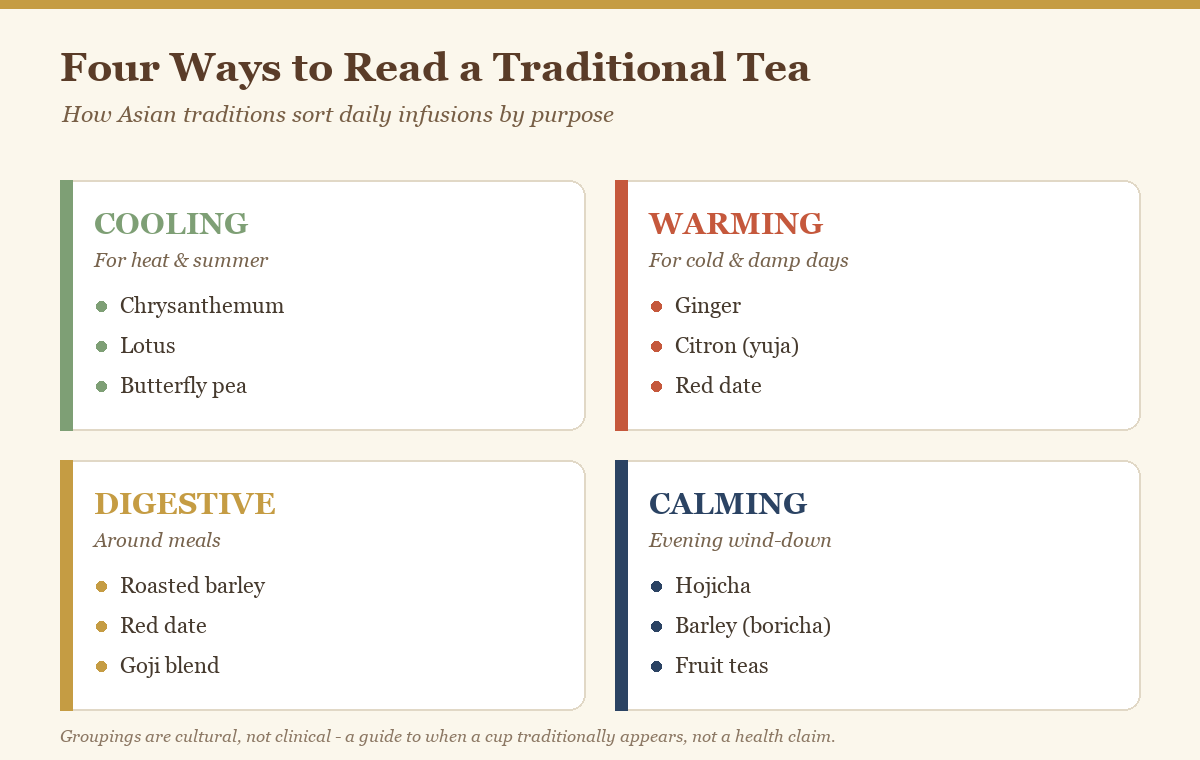
Cutting across countries, four everyday groupings appear again and again:
- Cooling infusions — floral or slightly bitter drinks favored in heat, such as chrysanthemum or lotus.
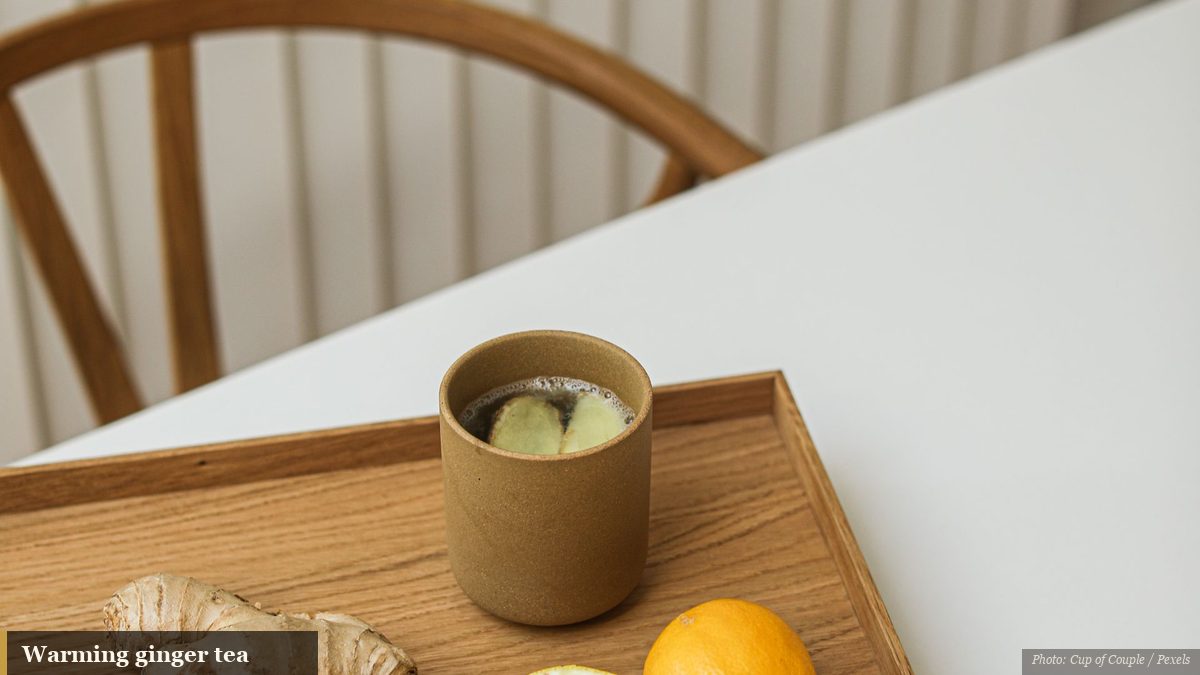
- Warming infusions — pungent, warming drinks for cold days, such as ginger or citron.
- Digestive infusions — brews taken around meals, such as roasted barley or red date.
- Calming, wind-down infusions — mellow, often caffeine-light drinks for the evening, such as roasted-leaf teas.
These groupings are cultural, not clinical — a way of describing when a drink traditionally shows up in the day, not a promise of any effect. With that map in hand, here is how the four big regional traditions fill it in.
China: The Deepest Herbal Tea Library
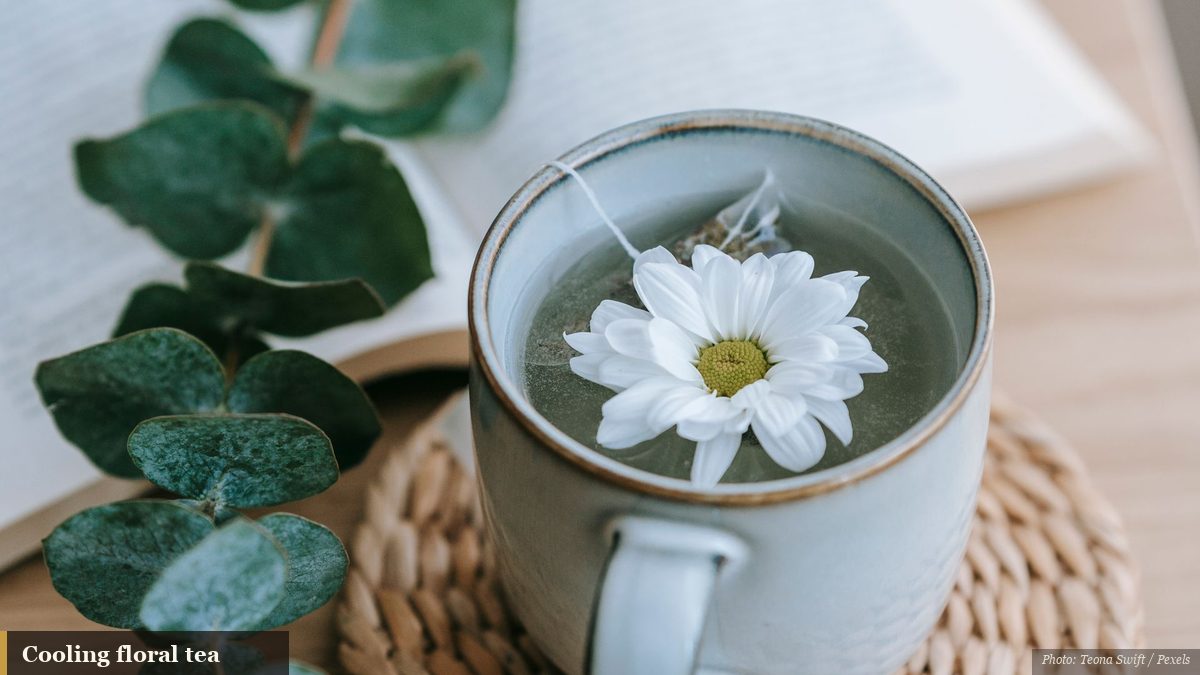
China's tea culture is arguably the oldest and most elaborate, and its infusions map neatly onto the four groupings above. On the cooling side, chrysanthemum flower tea is a summer staple, valued in tradition as a clearing, light-bodied floral cup. Recent laboratory work has catalogued hundreds of flavonoids and phenolic acids in chrysanthemum flowers — including luteolin, apigenin, and chlorogenic acid — though the researchers themselves caution that such test-tube findings "cannot be directly extrapolated to a living organism" (Chen et al., 2025). Lotus tea occupies a similar cooling, calming niche.
For warming and everyday nourishment, ginger tea is the classic cold-weather cup, while sweeter brews such as red date (jujube) tea and goji berry tea are often simmered together as gentle, naturally sweet daily infusions. A goji-and-chrysanthemum blend is one of the best-known 代茶饮 pairings of all. For those drawn to China's most storied root, a ginseng tea sits at the more concentrated, ceremonial end of the spectrum.
Japan: Refinement Around a Single Leaf
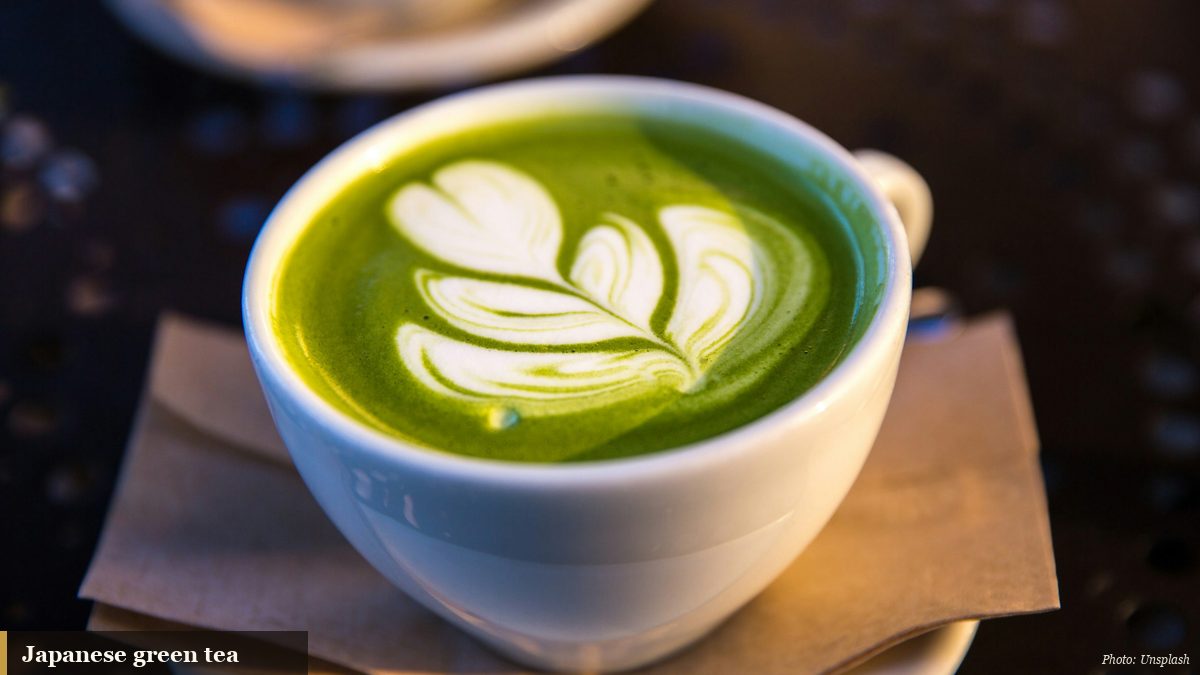
Japan's tea traditions revolve mostly around Camellia sinensis, refined into an art of processing and preparation. Everyday green tea splits into several familiar forms: whisked, vivid matcha; steamed leaf sencha; and roasted hojicha. Japanese sources note that green tea contains eight catechin compounds, with EGCG the most abundant, and that population studies have associated regular green-tea drinking with a range of health-adjacent patterns worth further study (Pharmaceutical Society of Japan).
Hojicha is a useful example of how processing shifts a tea's place in the day. Because it is roasted, it loses some of its catechins and caffeine to the heat and takes on a toasty, mellow character, which is exactly why many households pour it in the evening or serve it to children and older relatives. It is a caffeine-lighter cousin of the brighter, more stimulating sencha and matcha — a nice illustration that the same leaf can play very different roles depending on how it is treated.
Korea: Fruit, Grain, and Fermentation
Korea's traditional drinks lean heavily on fruit, grain, and preserved ingredients, and many are naturally caffeine-free. The everyday backdrop is boricha, roasted barley tea — a mild, nutty brew served hot or cold in countless homes and often given to children and the elderly precisely because it carries no caffeine (Kormedi). Around meals and in the colder months, sweeter fruit teas take over: yuja-cha, a fragrant citron-marmalade tea, and the tart, ruby-colored omija, the "five-flavor berry" prized for its unusual sweet-sour-bitter-salty-pungent profile.
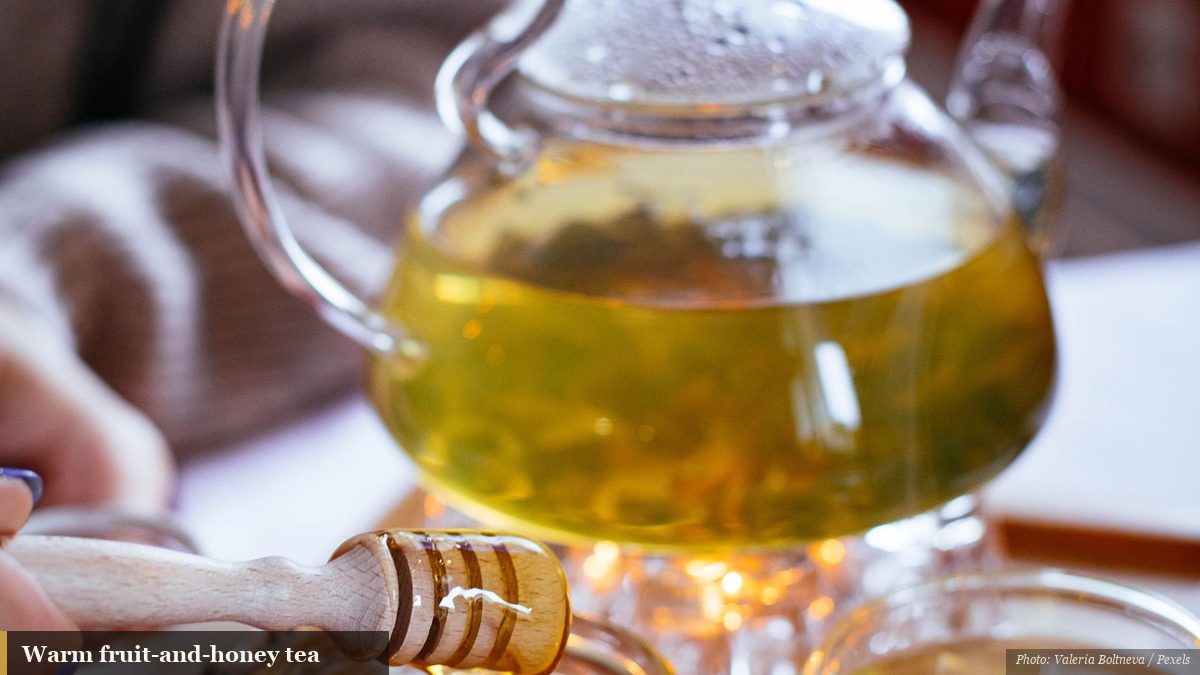
These drinks sit within a wider aesthetic of seasonal, unhurried tea drinking. If you want the fuller cultural picture — from temple tea to the modern home — our overview of Korean tea culture traces how these habits developed.
Vietnam and Southeast Asia: Fresh, Green, and Fragrant
Southeast Asian traditions add another texture entirely: teas that are bright, floral, and often built from fresh leaves rather than dried and processed ones. Vietnam's herbal repertoire is famously green and aromatic, drawing on lotus, perilla, artichoke, and pandan. One of the most photogenic entries is butterfly pea flower tea, whose deep indigo color turns purple with a squeeze of lime — a reminder that here, a tea's beauty and fragrance are considered part of its value. The underlying instinct is the same across the region: a plant, hot water, and a purpose attached to the moment.
What Does Modern Research Actually Say?
Here honesty matters more than enthusiasm. The plants behind these teas are rich in polyphenols — catechins, flavonoids, and phenolic acids that behave as antioxidants in laboratory settings (Poswal et al., 2023). That chemistry is genuine, but the leap from "contains antioxidant compounds" to "does something specific for your health" is large, and much of the current evidence does not clear it.
NCCIH's own summary is measured: human studies on tea and disease prevention remain inconclusive, green tea has not been shown to be effective for weight loss, and only limited evidence hints at possible effects on some heart-disease risk factors (NCCIH). Traditional herbal teas are best understood as pleasant, culturally rich daily rituals that may play a small part in a balanced lifestyle — not as remedies. A tea's long history is a reason to enjoy it thoughtfully, not proof of a medical benefit.
How Do People Fit These Teas Into Daily Life?
Across all four traditions, a few gentle habits recur. Many people match the cup to the time of day and the weather: a cooling floral or barley tea when it is hot, a warming ginger or citron brew when it is cold, and a mellow roasted or caffeine-free tea in the evening so as not to disturb sleep. Most traditions also favor moderate, consistent sipping over large one-off doses — a modest pot enjoyed regularly rather than a strong concentrate.
Blending is common too — goji with chrysanthemum, red date with ginger, citron with honey — and the ritual itself, the pause to brew and the warmth of the cup, is often as much the point as anything in the leaves. Individual experiences vary considerably; what works well for one person may not suit another, and personal experimentation under practitioner guidance is always recommended.
Important Limitations and Considerations
Traditional teas are gentle, but "natural" does not mean "risk-free." A few points are worth keeping in mind:
- Drug interactions. Even ordinary green tea can matter medically: at high intakes it may reduce the blood levels and effectiveness of the beta-blocker nadolol and of the cholesterol-lowering drug atorvastatin (NCCIH, Green Tea). If you take prescription medication, ask your pharmacist or doctor before drinking any herbal tea in large or concentrated amounts.
- Constitution and daily use. Traditional practice itself urges caution with routine, long-term drinking of strongly "cooling" teas such as chrysanthemum for people who run cold, have a weak digestion, or have low blood pressure (The Paper).
- Pregnancy, breastfeeding, and children. Some herbs and caffeinated teas are not recommended during pregnancy or nursing; caffeine-free options are traditionally chosen for children, but any new herb should be introduced cautiously and checked with a practitioner.
- Concentrated extracts. Brewed teas are mild; concentrated green-tea extract supplements have, in rare cases, been linked to liver problems, and dietary supplements are not reviewed by the FDA before sale.
- Quality varies. Dried herbs differ widely in freshness, origin, and preparation, so flavor and effect are never perfectly consistent from one batch to the next.
Frequently Asked Questions
Are herbal teas the same as green or black tea?
Not quite. Green, black, oolong, and white tea all come from one plant, Camellia sinensis. Herbal teas or tisanes — like chrysanthemum, ginger, barley, or citron — are brewed from other plants entirely. Everyday language calls them all "tea," but only the Camellia ones naturally contain caffeine.
Which traditional teas are caffeine-free?
Most true tisanes are naturally caffeine-free, including chrysanthemum, ginger, red date, boricha (roasted barley), yuja-cha, and omija. True teas such as matcha, sencha, and sencha-based blends do contain caffeine, though roasting (as in hojicha) reduces it somewhat. Caffeine-free options are the usual choice for evenings and for children.
Can I drink traditional herbal tea every day?
Many people enjoy a mild herbal tea daily, and traditions tend to favor moderate, consistent sipping over strong doses. That said, some "cooling" teas are traditionally not advised for long-term daily use by everyone, and individual responses vary. If you take medication or have a health condition, check with a practitioner before making any tea a daily habit.
How do I choose which herbal tea to try first?
A simple starting point is to match the tea to your moment: a floral or barley tea when you want something light and cooling, a ginger or citron brew when you want warmth, and a mellow roasted or fruit tea in the evening. From there, our individual guides go deeper on each option so you can explore by taste and tradition.
Do traditional herbal teas have proven health benefits?
The plants contain antioxidant compounds that are genuinely interesting to researchers, but human evidence for specific health effects remains limited and often inconclusive. It is most accurate to treat these teas as enjoyable, culturally meaningful daily rituals rather than treatments.
A Note on Building Your Own Tea Habit
Part of what makes traditional herbal teas rewarding is paying attention — noticing which cup you reach for on a hot afternoon versus a cold night, and how a small evening ritual fits into your rest. Some people find it helpful to keep a light record of the teas they try and the moments they suit, the way they might track sleep or mood, to see patterns emerge over time. Health Diary is built around exactly that kind of gentle, personal tracking.
A Soft Closing Note
Traditional Asian herbal teas are not a shortcut to health, and they were never meant to be. They are something quieter and more durable: a centuries-old habit of pausing, warming a cup, and choosing a drink that fits the season and the moment. Use this guide as a map — follow the links to whichever tradition or cup calls to you, and let curiosity, not claims, lead the way.
About This Article
Written by: Health Diary Editorial Team — a group of writers and researchers focused on traditional wellness practices and Asian herbal traditions.
Editorial review: This article has been reviewed by the Health Diary editorial team for clarity, structure, and adherence to our sourcing standards. Key claims were cross-checked against NCCIH, NIH PubMed, and LiverTox where applicable. It is not a clinical review and should not replace consultation with a licensed healthcare practitioner.
Reviewed on: July 15, 2026.
Editorial process: We cite peer-reviewed and government sources where possible. When a clinical reviewer is added to this article, attribution will appear here with verifiable credentials.
References
- National Center for Complementary and Integrative Health. Tea. NIH. https://www.nccih.nih.gov/health/tea
- National Center for Complementary and Integrative Health. Green Tea: Usefulness and Safety. NIH. https://www.nccih.nih.gov/health/green-tea
- Poswal, F. S. et al. Review on herbal tea as a functional food: classification, active compounds, biological activity, and industrial status. Food Chemistry Advances, 2023. https://www.sciencedirect.com/science/article/pii/S2772566923000058
- Chen, et al. Widely Targeted Metabolomic Analysis of Two Chinese Traditional Herbal Imperial Chrysanthemum Teas. Molecules / PMC, 2025. https://pmc.ncbi.nlm.nih.gov/articles/PMC12427848/
- Pharmaceutical Society of Japan. 分子レベルで解き明かされる緑茶(日本茶)の効能 (Green tea's effects at the molecular level). https://bukai.pharm.or.jp/bukai_kanei/topics/topics55.html
- 澎湃新闻 (The Paper). 正确使用"中药代茶饮",学会喝"养生茶" (Using medicated tea-substitutes correctly). https://www.thepaper.cn/newsDetail_forward_18684863
- 코메디닷컴 (Kormedi). 보리차의 건강 효과 (Health effects of barley tea). https://kormedi.com/1603923/
- Lu Yu. The Classic of Tea (茶经). Tang Dynasty, c. 760 CE. https://en.wikipedia.org/wiki/The_Classic_of_Tea


