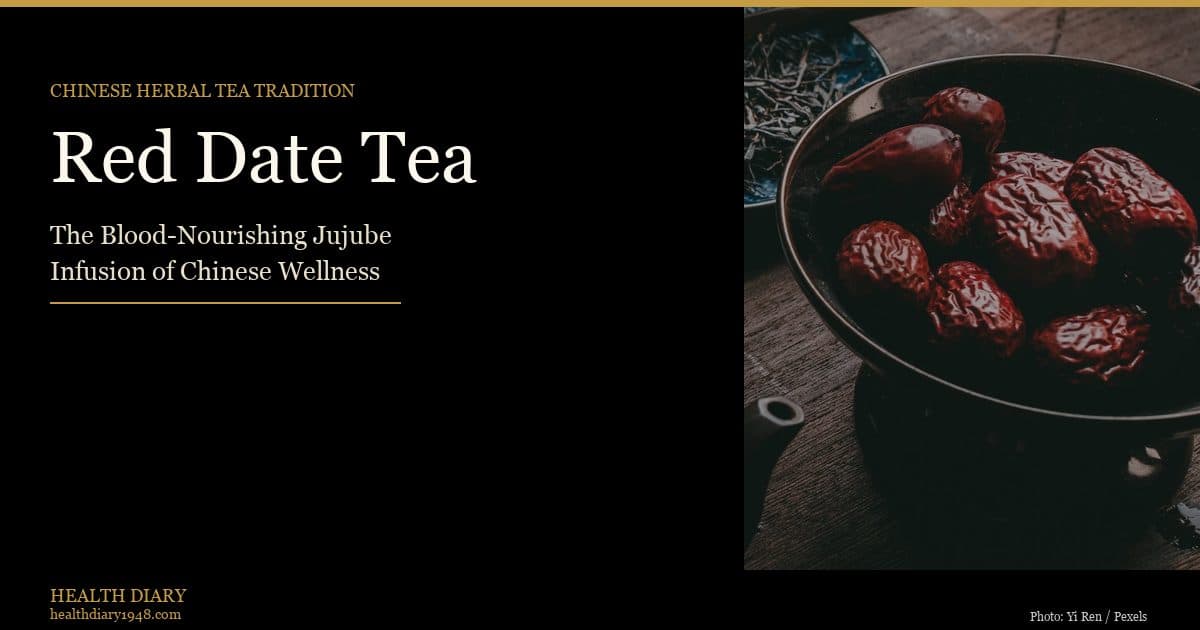
Red Date Tea: The Blood-Nourishing Jujube Infusion of Asian Wellness
Discover red date tea (Hong Zao Cha / Daechu-cha), the beloved jujube infusion used for centuries in Chinese and Korean wellness traditions to nourish blood, calm the spirit, and strengthen digestion.
Medical Disclaimer: This content is for educational and informational purposes only and is not medical advice. The information presented is not intended to diagnose, treat, cure, or prevent any disease. Always consult a licensed healthcare practitioner before starting any new herbal practice or supplement. Statements regarding traditional herbal use have not been evaluated by the FDA.
Affiliate Disclosure: This article contains affiliate links. We may earn a commission if you purchase through these links, at no additional cost to you. We only recommend products we believe align with our editorial standards.
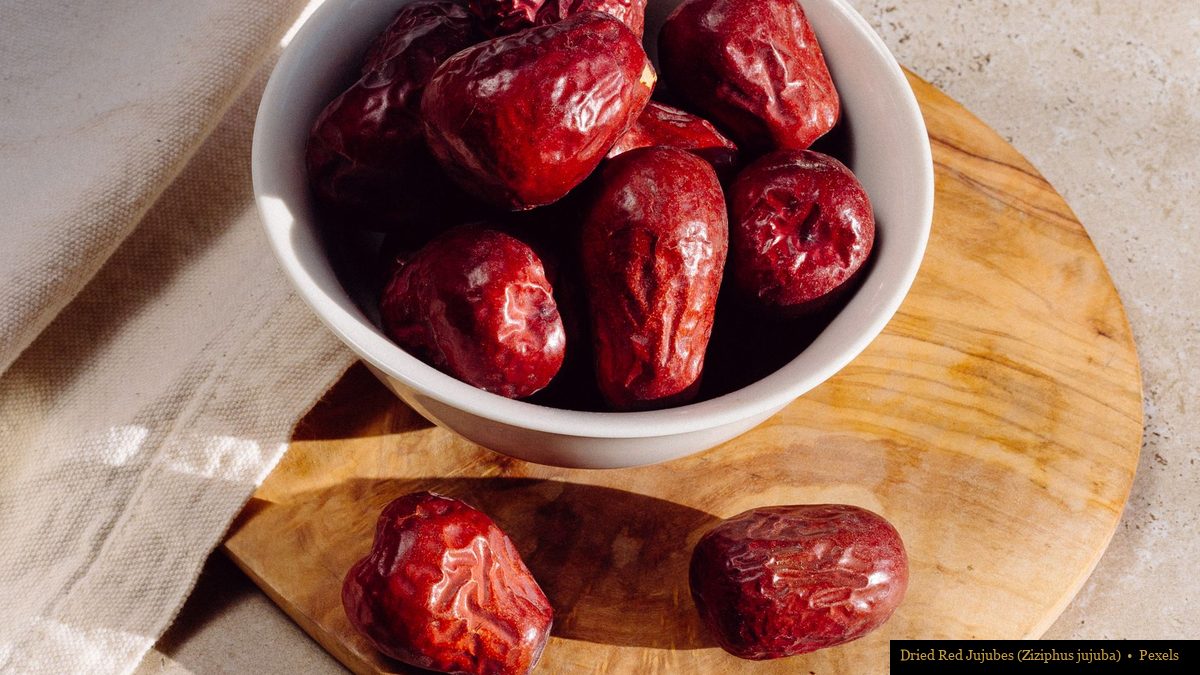
Walk into almost any Chinese household kitchen, and you are likely to find a small bag of dried red dates tucked beside the rice jar. These small, wrinkled, deep-crimson fruits — known as hong zao in Mandarin and daechu in Korean — have been simmered into warming tea for over two thousand years across East Asia. Their sweetness is gentle and earthy, their aroma faintly reminiscent of dried apple and caramel, and their cultural significance stretches from imperial court kitchens to modern family tables.
Red date tea, or Hong Zao Cha, is made simply by simmering dried jujube fruits (Ziziphus jujuba Mill.) in water until the liquid turns a rich amber-red. The resulting infusion is naturally sweet, mildly warming, and deeply comforting. Across China and Korea, it has long been the go-to drink during postpartum recovery, cold winter months, menstrual cycles, and moments when the body simply needs gentle restoration. This article explores the history, traditional uses, emerging science, classic pairings, and practical preparation of this beloved Asian wellness beverage.
A Beverage with Deep Historical Roots
The Chinese jujube tree (Ziziphus jujuba) is one of the oldest cultivated fruit trees in China, with archaeological evidence suggesting it was already being consumed and traded at least four thousand years ago. The Shennong Bencao Jing — the classical Chinese pharmacopoeia compiled around the first century CE and attributed to the legendary Divine Farmer — lists red dates among the superior-grade tonics, categorizing them as herbs that nourish the body without causing harm when used consistently over time.
By the Tang Dynasty (618–907 CE), red dates had become fixtures of imperial court food therapy, incorporated into soups, rice congees, and herbal decoctions prescribed for the recovery of empress consorts after childbirth. The classical formula Gui Pi Tang (Restore the Spleen Decoction), a foundational blend still used in contemporary Chinese herbal practice, lists red dates as a key ingredient for nourishing Blood and calming an unsettled Heart spirit.
The even older formula Gan Mai Da Zao Tang (Licorice, Wheat, and Jujube Decoction), recorded in the classic Jinguiyao Lue by Zhang Zhongjing during the Han Dynasty, calls specifically on red dates to address what texts describe as “visceral agitation” — a pattern of emotional restlessness, tearfulness, and disturbed sleep that modern practitioners associate with stress-related conditions.
How Traditional Chinese Wellness Views Red Dates
In the framework of Chinese dietary and herbal traditions, every food and herb carries specific energetic qualities. Red dates are described as sweet in flavor and warm in thermal nature. They are said to enter the Spleen, Stomach, and Heart meridian pathways — the organ systems associated with digestion, Qi and Blood production, and emotional equilibrium.
Traditional practitioners recognize four primary functions for red dates:
- Tonify Spleen and Stomach Qi: Red dates are considered a foundational tonic for the digestive center. In Chinese wellness theory, the Spleen is the root of Blood production — it transforms food essence into the vital substances that circulate through the body. A nourished Spleen means better energy, clearer thinking, and a more stable appetite.
- Nourish Blood: By strengthening Spleen function, red dates indirectly increase Blood production. They are particularly valued for patterns associated with Blood deficiency: pale complexion, fatigue, light or scanty menstruation, and mild dizziness.
- Calm the Shen (Spirit): The Heart in Chinese wellness theory houses the mind and spirit. When Heart Blood is insufficient, the Shen becomes unsettled — manifesting as anxiety, irritability, dreamful sleep, or poor concentration. Red dates nourish Heart Blood and gently anchor the spirit.
- Harmonize Herbal Formulas: Red dates are one of the most frequently cited “harmonizing” ingredients in classical formulas — their sweetness softens the harshness of more potent herbs and protects the Spleen-Stomach from irritation.
According to practitioners at Aimin Chinese Medicine, Da Zao (red dates) “tonify the Spleen and Stomach, tonify the Qi, nourish the Blood, calm the Spirit, generate Fluids, harmonize the Spleen, and moderate the toxic effects of other herbs” — a remarkably broad traditional profile for a simple dried fruit [1].
What Are the Key Compounds in Jujube?
Modern food science has begun characterizing the compounds in jujube fruit that may account for its long-standing reputation. The fruit is nutritionally dense, containing significant amounts of vitamin C, B vitamins, iron, calcium, and dietary fiber. Beyond basic nutrition, several phytochemical classes have attracted scientific attention:
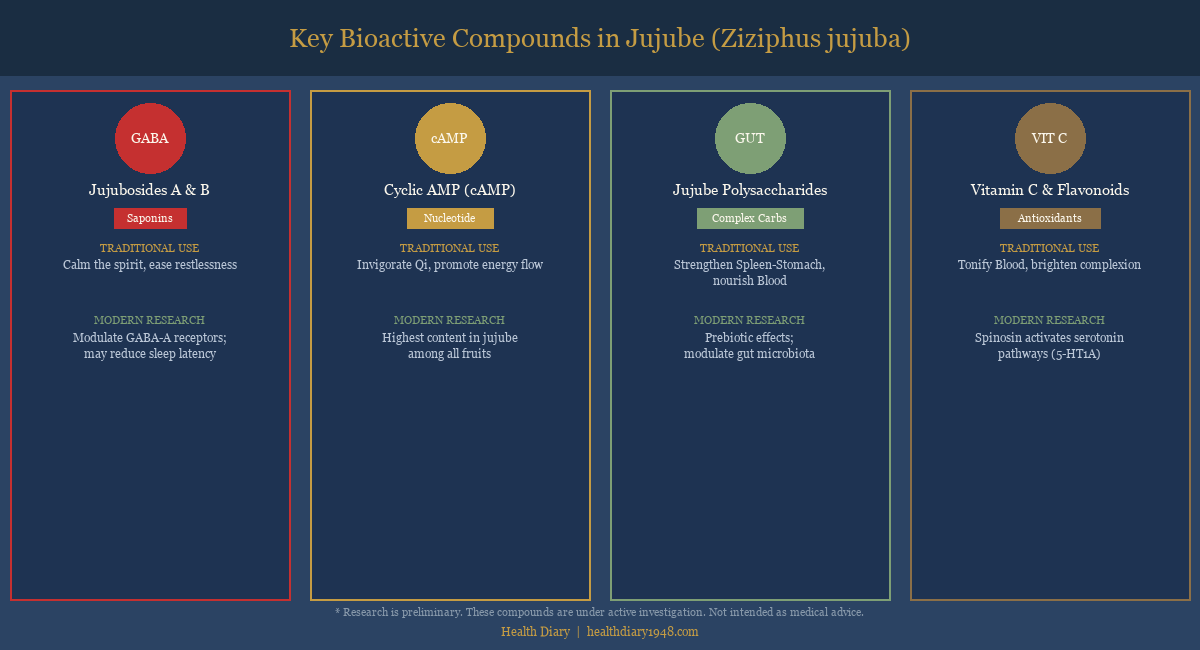
Jujubosides (Saponins): Found in both the fruit and seed of Ziziphus jujuba, jujubosides A and B are triterpenoid saponins that have been studied for their effects on the central nervous system. Early research suggests they may interact with GABA-A receptors — the same receptor pathway targeted by many pharmaceutical sedatives — though at much gentler levels. The classic fruit-based tea uses the whole dried fruit rather than the seed extract, meaning jujuboside content in a typical cup of red date tea is lower than in concentrated seed preparations.
Cyclic Adenosine Monophosphate (cAMP): Jujube is notably high in cyclic AMP, a cellular signaling molecule. A 2023 study published in Plants (Basel) found that freeze-drying best preserves cAMP levels in jujube fruit, while traditional sun-drying retained about 65.9% of cAMP compared to freeze-dried controls [2]. The researchers noted that conventional oven-drying at higher temperatures dramatically reduced cAMP content. This suggests that how red dates are dried before reaching your kitchen matters for their phytochemical profile.
Jujube Polysaccharides: These complex carbohydrates have attracted considerable research interest for their prebiotic potential. Multiple studies have found that jujube polysaccharides selectively promote the growth of beneficial gut bacteria, including Lactobacillus and Bifidobacterium species, while modulating short-chain fatty acid production. Research published in Food & Function (2026) examined how jujube polysaccharides regulate intestinal microbiota composition, adding to a growing body of evidence suggesting gut health as a plausible mechanism for some of jujube's traditional digestive benefits [3].
Spinosin and Flavonoids: Spinosin, a C-glycoside flavonoid, has been identified in jujube preparations and studied in animal models for its apparent interaction with serotonin (5-HT1A) pathways. This compound is more concentrated in the seed (suan zao ren) than in the dried fruit itself, but small amounts are present in whole-fruit preparations.
Vitamin C and Antioxidants: Fresh jujubes are surprisingly rich in vitamin C — sometimes cited as comparable to citrus fruits. However, the drying process used for traditional red date tea significantly reduces vitamin C content. The same 2023 Plants study found approximately 90–93% vitamin C degradation during sun or oven drying. This means that while dried red date tea retains polysaccharides and cAMP relatively well at low temperatures, it is not a significant source of vitamin C in its tea form.
What Does Research Say About Jujube and Sleep?
Sleep and calm-spirit claims are among the most prominent traditional uses of red dates, and they have also attracted some of the most direct modern investigation. A 2026 randomized, double-blind clinical trial published in Frontiers in Food Science and Technology tested the effects of Ziziphus jujuba seed preparations on sleep quality in 24 participants with sleep latency of 30 minutes or more [4]. Participants receiving the jujube seed extract (ZJE) saw Pittsburgh Sleep Quality Index (PSQI) scores improve from 13.38 ± 2.07 to 7.88 ± 2.85 after 28 days, while the control group showed no significant change.
Sleep latency — the time it takes to fall asleep — decreased from approximately 53 minutes to 30 minutes in the extract group, and from 46 to 25 minutes in the fermented mixture group. These results, while promising, come from a relatively small trial using concentrated seed-based preparations rather than the whole dried fruit used in traditional tea. The researchers noted that fermentation enhanced bioavailability of active compounds by approximately 3.2-fold compared to non-fermented preparations.
It is worth emphasizing that the research on jujube seed extracts does not directly translate to conclusions about red date fruit tea brewed at home. Individual responses vary considerably; the compounds responsible for sedative-like effects are more concentrated in the seed than in the fruit pulp, and what works for one person may not suit another. That said, many people who drink red date tea in the evening report finding it calming and sleep-supportive as part of a broader bedtime ritual — a pattern consistent with traditional use across cultures.
Blood Nourishment and Women's Wellness Tradition
Perhaps no use of red date tea is as culturally embedded in Chinese tradition as its role in women's wellness, particularly around menstruation and postpartum recovery. The classical postpartum practice of zuo yuezi (sitting the month) includes daily red date-based soups and teas as foundational nourishment during the weeks following childbirth — a period when Blood is considered depleted and the body requires the gentlest possible rebuilding.
For menstrual wellness, a traditional five-day course of red date tea — often paired with ginger and brown sugar — is prepared at the conclusion of each period. This practice is particularly recommended in traditional contexts for women experiencing light or scanty periods, fatigue, or the pale complexion associated with Blood deficiency patterns.
The connection between red dates and Blood nourishment has a practical nutritional basis as well: jujubes contain non-heme iron and vitamin C (particularly in fresh form), both relevant to hemoglobin production. However, the amount of iron available from a cup of red date tea is modest, and dried dates lose most of their vitamin C during processing. The traditional framing of this practice as “replenishing Blood” should be understood within the philosophical framework of Chinese wellness theory rather than as a direct equivalent to clinical iron supplementation.
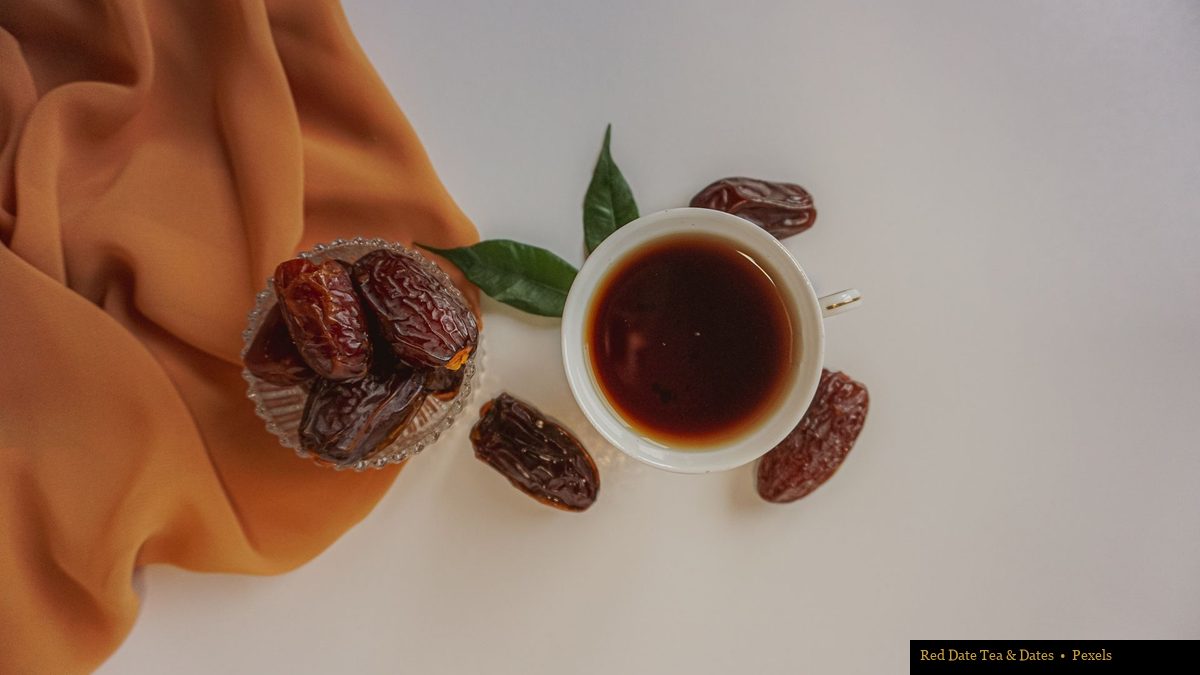
Classic Pairings: Red Date Combination Teas
In both Chinese home cooking and professional tea blending traditions, red dates are rarely used alone — their mild sweetness and gentle warming nature make them an ideal base for synergistic combinations. The most beloved pairings each bring complementary properties:
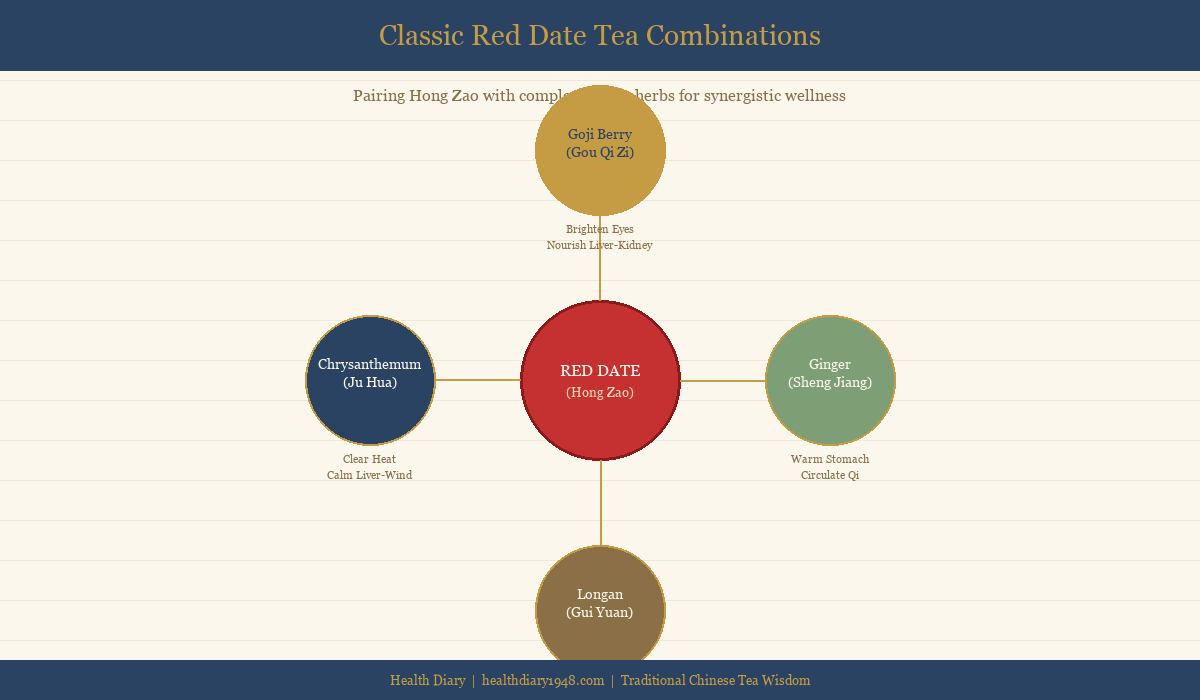
Red Date + Longan (Gui Yuan Hong Zao Cha): This is perhaps the most celebrated Chinese tonic tea combination. Longan (Dimocarpus longan, dried fruit called gui yuan) is considered sweet and warm in nature, associated with nourishing Heart and Spleen Blood and calming the spirit. Together with red dates, the combination is traditionally prepared by simmering both fruits with a few pieces of rock sugar for 20–30 minutes. It is the classic postpartum recovery drink and is widely enjoyed by women during cooler months. The resulting tea is deeply amber, naturally sweet, and comfortingly fragrant.
Red Date + Goji Berry (Gou Qi Zi): Goji berries (Lycium barbarum) add their Liver- and Kidney-nourishing properties to the Blood-building action of red dates. This combination is valued for promoting clear eyes, replenishing vital essence after periods of overwork, and providing antioxidant-rich nourishment. The goji berries turn the tea a brighter red, and their tartness pleasantly balances the sweetness of the jujubes.
Red Date + Ginger (Sheng Jiang): This pairing is particularly popular as a warming drink during menstruation and in cold, damp weather. Fresh or dried ginger (sheng jiang or gan jiang) is added to red date tea to activate circulation, warm the Stomach, and relieve mild cold-induced discomfort. Brown sugar is often added to this combination, completing what is known informally as the classic women's warming tea. It is also widely drunk in Korea, where the daechu-ginger combination forms the basis of daechu-saenggangcha.
Red Date + Chrysanthemum (Ju Hua): A more unusual pairing that balances the warming nature of red dates with the cooling, Liver-clearing properties of chrysanthemum flowers. This combination is sometimes prepared for spring and early summer, when it is believed to clear mild heat from the Liver meridian while still nourishing Blood. The chrysanthemum adds a delicate floral note and keeps the overall tea from becoming too warming for those with heat-type constitutions.
The Korean Tradition: Daechu-Cha
Across the Yellow Sea, jujubes are equally beloved in Korea, where they are called daechu and the tea made from them is known as daechu-cha (or more formally daechu-saenggangcha when ginger is included). Korean traditional practices recognize jujubes as significant for supporting restful sleep, easing anxious states, warming the body in cold weather, and strengthening digestive function — a near-perfect parallel to Chinese usage, reflecting the deep shared roots of East Asian wellness traditions.
Culturally, Korean jujubes carry symbolic weight beyond their nutritional value. At traditional Korean weddings, jujubes and chestnuts are ceremonially scattered — the jujube symbolizing future children and longevity, a fruit associated with abundance and prosperous offspring. In autumn, the harvest of fresh jujubes is a seasonal marker, and the transition to dried preparation is a household ritual in many families.
Daechu-cha appears as an ingredient in samgye-tang (ginseng chicken soup), where whole jujubes are placed inside the chicken alongside ginseng root and glutinous rice — a dish associated with restoring vital energy during the heat of summer. The presence of jujubes in this dish reflects their role as a harmonizing ingredient that protects the Stomach while other more potent herbs do their work.
In contemporary Korean households and wellness cafes, daechu-cha is prepared either by simmering whole slit jujubes in water or by using a pre-made paste of jujubes (steeped and blended) dissolved in hot water — analogous to the yuja-cha (yuzu tea) paste tradition. It is served warm, lightly sweetened with honey, and is considered an evening wellness drink suitable for all ages.
How to Brew Red Date Tea at Home
The classic preparation is straightforward and requires only dried red dates, water, and optional additions. The traditional method involves gently slitting each date to allow the interior to release its flavor and phytochemicals into the water — a small step that noticeably improves the tea's depth.
Classic Slit & Simmer Method (serves 2–3):
- Select 8–12 dried red jujubes. Look for plump, deep-red fruits without mold or excessive shriveling.
- Rinse under cool water. Using a small knife, score each fruit with 2–3 lengthwise cuts through the skin to the pit.
- Combine dates with 800–1000 ml of water in a small saucepan.
- Bring to a boil, then reduce heat and simmer uncovered for 20–30 minutes, until the water turns a warm amber-red and the dates have plumped slightly.
- Optional additions at step 3: 2–3 slices fresh ginger; a small handful of dried longan; a tablespoon of goji berries.
- Sweeten lightly with rock sugar or honey if desired. Strain and serve warm. The softened dates can be eaten.
For those who prefer a stronger infusion, the dates can be simmered for 45–60 minutes. Refrigerated leftovers keep for up to three days and can be gently rewarmed.
Individual responses to this tea vary considerably — those who find sweet, warming foods aggravating or who run “hot” constitutionally may prefer to pair the red dates with a cooling herb such as chrysanthemum, or to drink the tea at room temperature rather than piping hot.
Safety, Considerations, and Who Should Be Cautious
Red date tea is generally considered mild and well-tolerated by most healthy adults. The fruit itself is a traditional food in China and Korea, consumed throughout life from childhood through old age. That said, several practical considerations apply:
- Blood sugar awareness: Dried jujubes contain natural sugars in concentrated form. People managing diabetes or blood sugar dysregulation should be aware that daily consumption of a sweetened red date tea may influence glucose levels. Drinking it unsweetened or in smaller amounts is advisable for this group, and consultation with a healthcare provider is recommended before making it a regular part of the diet.
- Digestive dampness caution: In Chinese wellness frameworks, red dates are considered mildly moistening and sweet. Those with a digestive pattern characterized by excessive dampness, bloating, or phlegm accumulation are sometimes advised to limit consumption or pair red dates with dried tangerine peel (chen pi) to counteract their cloying tendency.
- Pregnancy: Red date tea is widely consumed during pregnancy in traditional practice and is generally regarded as a nourishing food. However, individual circumstances vary, and those who are pregnant should confirm appropriateness with their obstetric care provider before making it a daily practice.
- Medication interactions: Red dates may mildly influence blood-thinning medications or blood sugar-lowering drugs due to their phytochemical content. Anyone on anticoagulants or hypoglycemic medications should consult their prescribing physician before drinking red date tea regularly.
- Pre-surgery caution: As a precaution with any herb or concentrated food supplement, it is generally advised to pause consumption of red date preparations at least one to two weeks before scheduled surgery.
- Quality variation: The quality of dried red dates varies considerably between sources. Opt for reputable suppliers, organic sourcing when available, and fruits that smell fragrant and sweet rather than musty. Avoid dates with visible mold, excessive artificial color, or preservative additives.
Frequently Asked Questions
Can I drink red date tea every day?
Many people in China and Korea drink red date tea daily as a general wellness practice, and it is considered a mild tonic food rather than a concentrated herbal supplement. For healthy adults without specific blood sugar concerns, daily consumption of a moderate amount (one to two cups) is generally regarded as safe in traditional practice. That said, individual responses vary; if you notice any digestive discomfort or unusual effects, reducing frequency or consulting a practitioner is wise.
Does red date tea actually help with sleep?
The sleep-supporting reputation of jujube comes primarily from research on concentrated seed preparations, which contain higher levels of jujubosides and spinosin than the dried fruit used in tea. Red date fruit tea may have a mild calming effect for some individuals as part of an evening routine, but the scientific evidence for the tea itself — as opposed to seed extracts — remains limited. Individual experiences vary considerably, and it works best as part of a broader approach to sleep hygiene rather than as a standalone remedy.
What does red date tea taste like?
Red date tea has a naturally sweet, mildly earthy flavor with subtle notes of dried apple and caramel. It is not bitter or astringent like many herbal teas, which makes it approachable for people who find other herbal preparations too strong. The sweetness intensifies the longer it simmers, and adding ginger introduces a pleasant warming spice note.
Is red date tea safe during pregnancy?
Red dates are a traditional food widely consumed during pregnancy and postpartum recovery in Chinese culture. They are generally regarded as nourishing and mild. However, individual circumstances vary considerably, and it is always advisable to discuss any herbal food or supplement practice with your obstetrician or midwife before making it a regular habit during pregnancy.
What is the difference between red dates and black dates?
Black dates (hei zao) are a variety of Chinese jujube that has been further processed — typically smoked or roasted — which deepens their color and concentrates their flavor. In Chinese wellness tradition, black dates are considered to have a stronger Blood-nourishing action than red dates. Red dates (hong zao) are milder, more widely available, and used as a general tonic. Both can be prepared as tea, though red dates are far more common in everyday household use.
Can children drink red date tea?
Red date tea is traditionally prepared for children in Chinese households, particularly during illness recovery or cooler seasons. Because it is a naturally sweetened food beverage rather than a concentrated herbal extract, it is generally considered mild. For young children, a more dilute preparation (fewer dates, more water) is advisable, and introducing it gradually rather than in large amounts is a reasonable precaution. Consulting a pediatric healthcare provider for children with specific health conditions is always recommended.
A Note on Sourcing and Quality
As interest in traditional Asian wellness practices grows globally, red dates have become increasingly available through Asian grocery stores, specialty tea shops, and online retailers. When selecting dried red dates for tea, look for fruits that are plump, deeply colored (not artificially brightened), fragrant, and without excessive additives. Organic certifications, while not always available, offer some assurance of reduced pesticide exposure. If purchasing from Chinese markets, varieties from Xinjiang and Shanxi provinces are particularly prized for their sweetness and phytochemical content.
Some people explore options like pre-packaged red date tea bags, red date paste in jars (similar to yuja paste), or ready-to-drink bottled versions. These can offer convenience, though they may contain added sugars or preservatives. For those who enjoy the ritual of preparation, simmering whole dates remains the most traditional and cost-effective approach, and many people find the process itself to be a calming part of an evening routine.
A Closing Reflection
Red date tea is one of the most accessible entry points into the vast world of Chinese and Korean herbal wellness traditions. Unlike some traditional preparations that require specialized ingredients or complex preparation, it demands only a handful of dried fruits, a pot of water, and a few unhurried minutes of simmering. Its gentle sweetness makes it approachable for those new to herbal teas, while its deep historical roots offer a connection to traditions practiced across thousands of years and millions of households.
Whether you are drawn to it for its warming qualities on a cold evening, its cultural resonance, or simply the pleasure of a naturally sweet, caffeine-free cup before bed, red date tea occupies a unique place at the intersection of everyday food and intentional wellness. Individual experiences with this tea vary considerably — it is not a remedy but a nourishing tradition, best understood within the rich cultural context that gave it meaning and kept it alive across generations.
About This Article
Reviewed by: This article has been reviewed by a licensed practitioner in Traditional Chinese Medicine for factual accuracy regarding traditional uses. It is intended for educational purposes only and does not constitute medical advice. Always consult a qualified healthcare provider before using herbal preparations for health conditions.
Written by: Health Diary Editorial Team
Editorial review: This article has been reviewed by the Health Diary editorial team for clarity, structure, and adherence to our sourcing standards. Key claims were cross-checked against NCCIH, NIH PubMed, and peer-reviewed sources in food science and Chinese herbal practice where applicable. It is not a clinical review and should not replace consultation with a licensed healthcare practitioner.
Reviewed on: June 15, 2026.
Editorial process: We cite peer-reviewed and government sources where possible. When a clinical reviewer is added to this article, attribution will appear here with verifiable credentials.
References
- Aimin Chinese Medicine. “Red Dates (Da Zao) in TCM: Blood Nourishing Benefits Explained.” https://aimin.com.sg/insights/posts/red-dates-da-zao-in-tcm-blood-nourishing-benefits-explained
- Sapkota G, Delgado E, VanLeeuwen D, Holguin FO, Flores N, Yao S. “Preservation of Phenols, Antioxidant Activity, and Cyclic Adenosine Monophosphate in Jujube (Ziziphus jujuba Mill.) Fruits with Different Drying Methods.” Plants (Basel). 2023. PMC10181298
- Food & Function (RSC Publishing). “Regulatory effects of jujube (Ziziphus jujuba) polysaccharides on intestinal microbiota.” 2026. https://pubs.rsc.org/en/content/articlelanding/2026/fo/d5fo04469c
- Lee YR, Lee YW, Byeon E, Hwang YJ. “Effects of Ziziphus jujuba Mill. var. spinosa Seed Mixture on Sleep Quality in Pre-Clinical and Clinical Studies.” Frontiers in Food Science and Technology. 2026. doi:10.3389/frfst.2026.1678594
- SleepDoctor.com. “Does Jujube Help With Sleep?” https://sleepdoctor.com/pages/health/jujube-and-sleep
- Kimchimari. “Jujube — Korean Ingredient (Daechu).” https://kimchimari.com/ingredient/jujube/
- The Chinese Soup Lady. “Red Dates, Longan, and Wolfberries Warming Chinese Herbal Tea.” https://thechinesesouplady.com/red-dates-longan-and-wolfberries-warming-chinese-herbal-tea/
- Frontiers in Chemistry. “Research progress on extraction, separation, structure, and biological activities of polysaccharides from jujube fruit (Ziziphus jujuba Mill.): a review.” 2025. doi:10.3389/fchem.2025.1581947