Korean Tea Culture: Traditional Herbal Teas, Tea Rituals, and Wellness Traditions
Explore Korean tea culture (dado) — from daily boricha and seasonal yuja-cha to traditional tea ceremony traditions, the diverse world of Korean grain, fruit, flower, and root teas.
Medical Disclaimer: This content is for educational and informational purposes only and is not medical advice. The information presented is not intended to diagnose, treat, cure, or prevent any disease. Always consult a licensed healthcare practitioner before starting any new herbal practice or supplement. Statements regarding traditional herbal use have not been evaluated by the FDA.
Affiliate Disclosure: This article contains affiliate links. We may earn a commission if you purchase through these links, at no additional cost to you. We only recommend products we believe align with our editorial standards.
Introduction: Korean Tea Culture Beyond Green Tea
When many people think of Asian tea traditions, the elaborate precision of the Japanese tea ceremony or the refined arts of Chinese gongfu cha tend to come to mind. Korea's tea world, by contrast, is quieter, less ceremonial — and far more diverse than most outsiders expect.
Korean tea culture encompasses a sprawling family of beverages: roasted grain infusions served in place of water at restaurants, honey-preserved citron drinks warming winter evenings, five-flavor berry teas chilled for summer, and ginseng root decoctions rooted in centuries of traditional practice. Most of these are caffeine-free and made not from tea leaves but from grains, fruits, flowers, and roots that have been part of Korean daily life for generations.
This article explores the richness of Korean tea traditions — the cultural history, the seasonal habits, the diverse tea categories, and the quiet ceremony that ties it all together. It is written for educational purposes and is not medical advice.
Korean Tea Culture: The Tradition of Dado
The Korean word for tea ceremony is dado (or sometimes darye), meaning roughly "tea etiquette" or "the way of tea." Historical records suggest that Korean tea culture stretches back more than a thousand years: the earliest documented tea offering dates to 661 CE, when tea was presented at a ceremony honoring King Suro, founder of the ancient Geumgwan Gaya kingdom.
During the Goryeo Dynasty (918–1392), tea reached its cultural peak in Korea. Buddhist temples used tea as an offering during ceremonies for revered monks, and the Goryeo court developed formal tea rites that were codified alongside other national ceremonies. Scholars of the period wrote extensively about tea as a vehicle for mindfulness, clarity, and the Confucian virtues of moderation and sincerity.
The Joseon Dynasty (1392–1910) brought a turn toward restraint. Confucian philosophy, which shaped so much of Joseon court culture, emphasized simplicity and frugality over elaborate ritual. Tea remained part of royal ceremonies — the Joseon National Five Rites of 1474 formally codified "Day Tea Rites" and "Special Tea Rites" — but the elaborate traditions of the Goryeo era gradually faded from court life.
By the late 16th century, tea ceremony traditions had largely ceased among Korean elites. Their revival in the modern era is associated with thinkers who sought to re-establish Korean cultural identity, drawing on historical texts and traditional practices to articulate a distinctly Korean relationship with tea.
What distinguishes Korean dado from Japanese chado? Japanese tea ceremony is built on strict choreography and aesthetic precision — every movement is prescribed, every utensil carries weight. Korean dado, in contrast, is understood as something more personal and lifestyle-integrated. The emphasis is on natural flow and quiet presence rather than technical perfection. There are forms and gestures, but the guiding spirit is contemplative ease — tea as a daily companion, not a performance.
Traditional Korean Grain Teas: The People's Drink
While leaf tea was historically associated with Buddhist temples and aristocratic culture, grain teas have always belonged to ordinary Korean households. Made from roasted grains — barley, brown rice, corn — these infusions are technically tisanes (no Camellia sinensis), but they have been central to Korean daily life for generations.
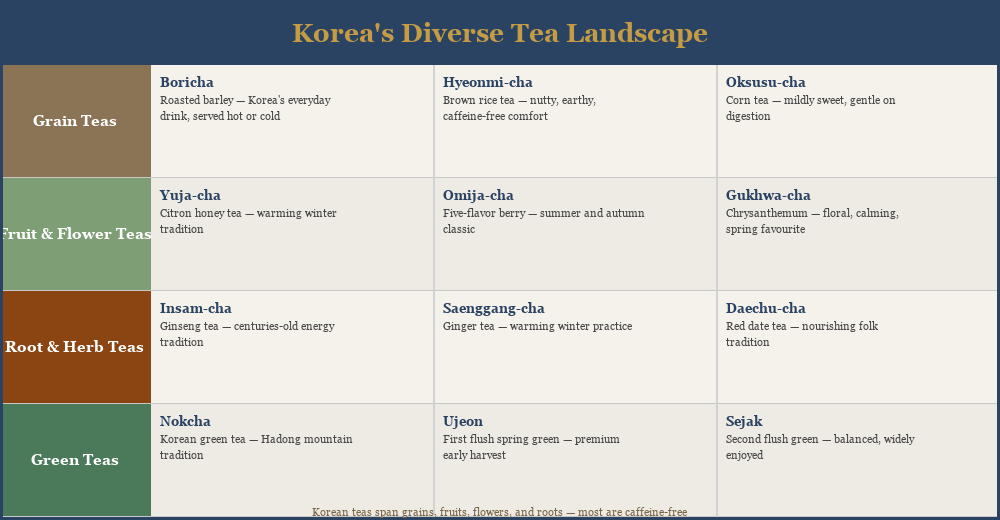
Boricha (barley tea) is the most consumed daily tea in Korea — an institution so embedded in everyday life that it is routinely served in restaurants in place of water, hot in winter and iced in summer. Made by simmering roasted barley kernels in water, boricha has a clean, toasty, slightly nutty flavor that pairs naturally with Korean food. It is caffeine-free, gentle on the stomach, and considered appropriate for all ages — including children and the elderly. Research published in Nutrients has explored beta-glucan fiber in barley cereals and its potential role in metabolic wellness among Korean adults, though most of boricha's traditional reputation rests on generations of everyday use rather than clinical studies. [1]
Hyeonmi-cha (brown rice tea) follows a similar preparation: brown rice is washed, soaked, dry-roasted until golden, and then steeped in hot water. The resulting tea is earthy and warming, naturally calming, and gentle on digestion. It has long been a household staple for those who find the robustness of boricha slightly strong.
Oksusu-cha (corn tea) occupies the mildest end of the grain tea spectrum. Roasted corn kernels produce an infusion that is almost faintly sweet, very approachable, and widely drunk in Korean households throughout autumn and winter. Like boricha, it is caffeine-free and served to family members of all ages.
These grain teas represent a pragmatic wisdom: before refrigeration, water safety was a daily concern, and boiling grains created a safe, flavorful alternative. Today they persist not out of necessity but out of genuine preference — their flavors are subtle, satisfying, and well-suited to the Korean table.
Traditional Korean Fruit and Flower Teas
Korea's fruit and flower teas are among the most visually striking in the tea world — golden citron preserves dissolving in hot water, deep-red omija berries steeping into jewel-colored infusions, pale chrysanthemum petals floating in clear cups. These are teas tied closely to seasons, occasions, and specific Korean cultural traditions.
Yuja-cha (citron honey tea) is perhaps the most iconic of all Korean seasonal teas. Yuja — known as yuzu in Japan — is a Korean citrus fruit with a fragrant rind and intensely aromatic zest. The traditional preparation involves slicing yuja, preserving it with sugar or honey into a thick marmalade, and then dissolving spoonfuls of this preserve into hot water. The result is a warming, sweet-tart, deeply fragrant drink that has been Korea's go-to winter wellness tradition for centuries. Rich in vitamin C and traditionally consumed during the cold season to soothe the throat, yuja-cha sits at the intersection of Korean culinary culture and seasonal wellness habit.
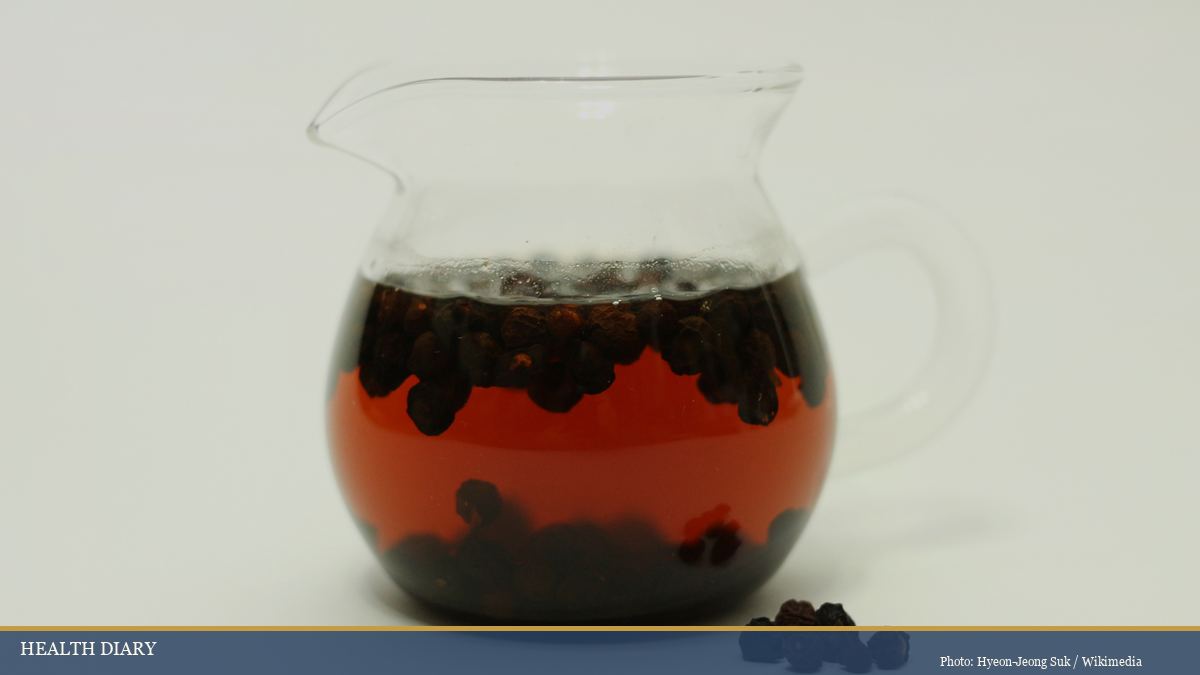
Omija-cha (five-flavor berry tea) is brewed from the dried berries of Schisandra chinensis, known in Korea as omija. The name translates as "five flavors" — sweet, sour, bitter, salty, and pungent — all present simultaneously in a single berry. The resulting tea is typically deep rose-red when cold-steeped and has a complex, tart flavor that is refreshing in summer and warming in autumn. Omija has been documented in Korean traditional practice for centuries; modern research published in Food Chemistry has identified dibenzocyclooctadiene lignans in Schisandra fruit as bioactive compounds with antioxidative and anti-inflammatory properties, and noted that traditional fermentation of omija with sugar for twelve months increases total lignan content by approximately 2.6-fold. [2]
Gukhwa-cha (chrysanthemum tea) is brewed from dried chrysanthemum flowers and is prized for its gentle floral fragrance and clear golden color. Traditionally associated with spring and early summer, gukhwa-cha is also enjoyed in autumn when chrysanthemums are in bloom — one of the four "noble plants" of East Asian scholarly culture.
Maesil-cha (green plum tea) is made from green plum (maesil) that has been fermented or preserved with sugar or honey. Its flavor is bright, tangy, and slightly effervescent — especially refreshing after a heavy Korean meal. Maesil has been part of Korean seasonal wellness tradition particularly in early summer, when the plums ripen.
Individual responses to fruit and flower teas vary considerably. Their flavors, seasonality, and traditional uses make them a rich cultural heritage, but personal experience with any new food or beverage differs from person to person.
Traditional Korean Root and Herb Teas
Korea's root and herb teas form the "warming" end of the traditional tea spectrum — deeper, earthier, more substantial infusions that are especially associated with cold-weather seasonal wellness habits and folk traditions of nourishment.
Saenggang-cha (ginger tea) is made from fresh or dried ginger root, often combined with honey and occasionally paired with cinnamon or jujubes. As in many Asian traditions, ginger tea in Korea is closely associated with winter — a warming practice for cold days, a household remedy for chill, and a common starting point for many multi-herb Korean tonic preparations. Its spicy warmth is unmistakable and its preparation simple enough that it has remained a household staple across all Korean social classes.
Insam-cha (ginseng tea) is one of Korea's most venerated traditional teas, prepared from the root of Panax ginseng. Korean ginseng (particularly Korean red ginseng, which is steamed and dried) has been part of traditional East Asian practice for thousands of years, documented extensively in texts including the Donguibogam — a monumental 25-volume Korean traditional practice encyclopedia compiled by royal physician Heo Jun and published in 1613. Recognized by UNESCO as a Memory of the World document, the Donguibogam emphasized that "the practice of a good health regimen was the most important approach" to wellbeing, with plant-based preparations serving as a support to healthy daily habits rather than standalone interventions. [3] Ginseng tea is traditionally associated with energy and resilience, and is often combined with jujube dates and ginger into what Koreans call a classic warming tonic trio.
Daechu-cha (red date tea) is made from dried jujube dates — known in Korean as daechu. These small red fruits are simmered long and slow until the tea deepens to a rich amber color with a naturally sweet flavor. Daechu-cha is traditionally associated with comfort, warmth, and nourishment, and is one of the most widely consumed teas in Korean households during the autumn and winter months. It is often prepared simply — just jujubes and water — or combined with ginger and ginseng for a more complex tonic preparation.
Doraji-cha (bellflower root tea) is prepared from the dried root of Platycodon grandiflorus, a plant whose roots are also used in Korean cuisine (most famously as doraji namul banchan). The tea has a slightly bitter, earthy character and is part of Korea's traditional folk wellness repertoire, particularly associated with respiratory health in the colder months.
Individual responses to root and herb teas vary considerably. Those taking prescription medications or managing chronic health conditions should consult a healthcare practitioner before incorporating concentrated root or ginseng preparations into their routine.
Korean Tea and the Four Seasons
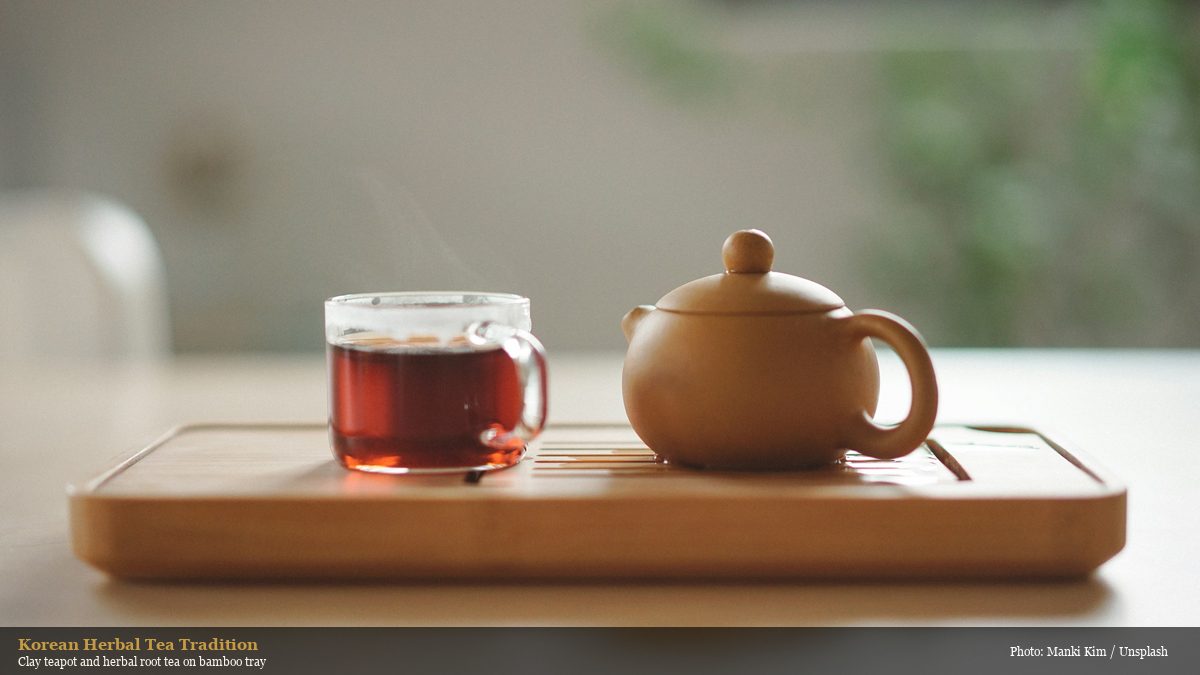
One of the most distinctive features of Korean tea culture is its deep attunement to the seasons. Unlike the notion of "tea" as a single, year-round beverage, Korean tea tradition recognizes that different preparations are suited to different times of year — not just for flavor, but as part of a broader understanding of how people relate to their environment.
This seasonal philosophy shares roots with the Donguibogam's emphasis on preventive health practice — the idea that adjusting daily habits according to the seasons is a form of care for overall wellbeing.
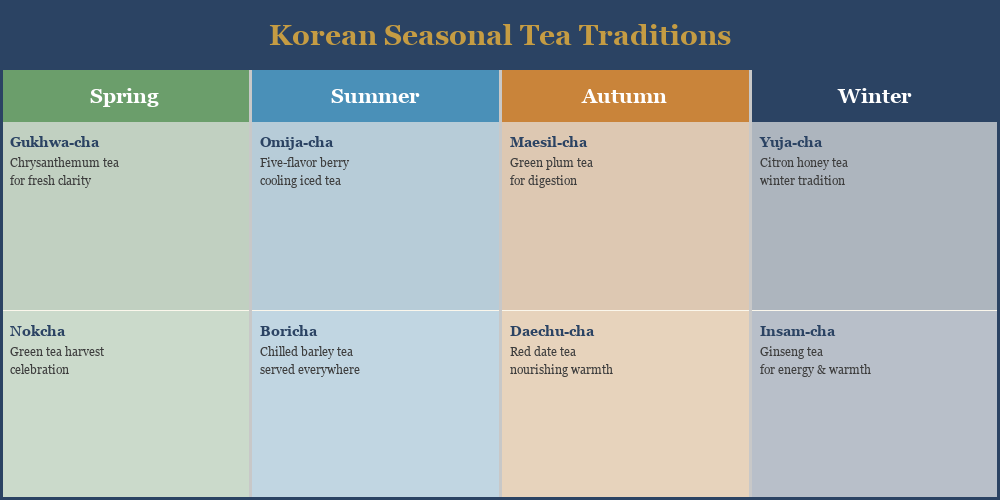
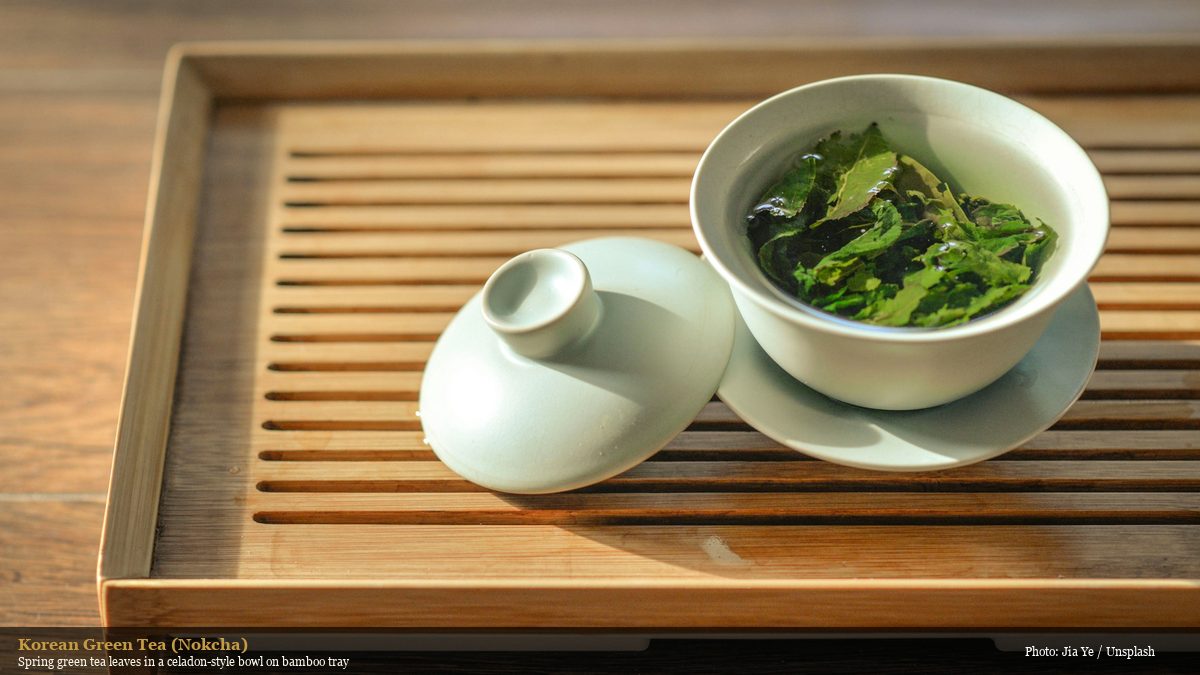
- Spring: The arrival of new growth calls for lighter, fresh preparations. Nokcha (Korean green tea) brewed from the season's first flush is prized during spring — particularly the premium ujeon harvest gathered before Grain Rain (the traditional calendar date of April 20). Gukhwa-cha (chrysanthemum) is also popular in spring for its bright floral quality.
- Summer: The emphasis shifts to cooling and refreshing. Omija-cha cold-steeped overnight in the refrigerator becomes a vibrant, jewel-red summer drink. Boricha iced in glass pitchers is a fixture in Korean homes and restaurants. Maesil-cha (plum tea) provides tangy refreshment in the heat.
- Autumn: As temperatures fall and harvest arrives, the teas grow warmer and richer. Daechu-cha (red date tea) and fermented balhyocha (Korean fermented tea) are autumn favourites, their earthy depth reflecting the season's tones. Chrysanthemum tea reappears in autumn when the flowers bloom again.
- Winter: The coldest months call for the warming teas: yuja-cha (citron honey), saenggang-cha (ginger), insam-cha (ginseng), and ssanghwa-cha (a multi-root decoction combining many warming herbs). These are not just comfort drinks but enduring seasonal wellness habits — the Korean household's way of navigating winter through the ritual warmth of the teacup.
This seasonal rhythm means that a traditional Korean household might keep a changing pantry of tea ingredients throughout the year — dried omija berries for summer, a jar of yuja marmalade for winter, fresh ginger roots through the cold months, and spring green tea as a seasonal treat. The tea cabinet is, in its way, a calendar.
How Is the Korean Tea Ceremony Traditionally Performed?
While most Koreans engage with tea informally — through the boricha pitcher in the fridge or the yuja jar on the shelf — Korea also has a contemplative formal tea tradition worth exploring.
The Korean tea ceremony is known as darye (tea etiquette) when referring to its formal ritual aspects, and dado (way of tea) when describing the broader philosophy and lifestyle approach. Practitioners distinguish between dok-da (drinking tea alone, a meditative personal practice) and dae-da (tea with guests, a social and ceremonial form).
The aesthetic sensibility of Korean tea ceremony draws on the concept of natural harmony — a preference for quiet, unadorned beauty over spectacular display. The ceramics used in Korean tea settings reflect this: Korean celadon (청자, cheongja) with its soft sea-green glaze, and buncheong ware (분청사기) with its casual, rustic vitality — the opposite of the glossy perfection sought in Chinese porcelain. These pottery traditions, which flourished during the Goryeo and Joseon periods, are deeply associated with Korean tea culture. Japan's appreciation of Korean pottery actually emerged partly through the tea ceremony connection — Japanese tea masters of the 16th century prized Korean bowls for their warmth and natural irregularity.
The seasonal dimension of dado adds another layer: a practitioner might choose spring green teas in celadon cups paired with a plum branch, or thick fermented tea in dark earthenware during autumn, reflecting the season's mood. This connection of tea to season, vessel, setting, and inner state is the essence of Korean tea ceremony's contemplative character.
Korea's tea regions contribute their own identity: Hadong in South Gyeongsang Province is considered the birthplace of Korean tea cultivation, with wild green tea plants growing in mountain valleys. Boseong in South Jeolla Province is today the most famous tea-producing region, with rolling terraced fields that have become a cultural destination in their own right.
Frequently Asked Questions
What is the most popular Korean tea?
Boricha (roasted barley tea) is arguably the most widely consumed tea in Korea. It is served in restaurants instead of water, kept in family refrigerators, and drunk by all ages throughout the day. It is caffeine-free, gentle, and has a mild toasty flavor that pairs naturally with Korean cuisine. Beyond boricha, yuja-cha (citron honey tea) is perhaps the most culturally iconic of Korea's herbal teas — particularly beloved in winter.
Is Korean tea different from Japanese or Chinese tea?
Yes — in some significant ways. Japanese tea culture centers on Camellia sinensis (true tea leaves), particularly green tea and matcha, and emphasizes highly structured ceremony. Chinese tea culture also centers on tea leaves with a sophisticated tradition of varietals and gongfu brewing. Korean tea culture, by contrast, is built heavily around grain infusions, fruit teas, root decoctions, and flower teas — most of which contain no tea leaf at all. The Korean tea ceremony (dado) also has a different spirit: less formally choreographed than Japanese chado, more focused on quiet, natural, lifestyle-integrated practice.
What is omija tea, and what does it taste like?
Omija-cha is brewed from the dried berries of Schisandra chinensis, a plant native to Korea and northeastern China. The name "omija" means "five flavors" in Korean, reflecting the berry's unique ability to deliver sweet, sour, bitter, salty, and pungent notes simultaneously. Cold-steeped overnight, the tea is a striking deep rose-red color with a tart, complex, refreshing flavor. It is traditionally enjoyed in summer and autumn and has been part of Korean traditional practice for centuries.
When is yuja-cha traditionally drunk in Korea?
Yuja-cha (Korean citron honey tea) is most strongly associated with winter — particularly the cold months from November through February. The traditional preparation involves preserving yuja (citron) slices in honey or sugar to make a thick marmalade, which is then dissolved in hot water. This warming, vitamin C-rich drink has been Korea's go-to winter seasonal wellness habit for generations. Many Korean households maintain a jar of homemade yuja preserve through the winter months as a pantry staple.
Can I drink boricha every day?
Many people in Korea do drink boricha daily — it is widely considered one of the most accessible and gentle everyday beverages in Korean culture. It is caffeine-free, mildly flavored, and traditionally regarded as suitable for all ages. That said, individual responses to any food or beverage vary. Those with barley allergies or gluten sensitivity should note that barley contains gluten and should seek appropriate alternatives. As with any dietary change, consulting a healthcare practitioner is advisable for those with specific health concerns.
What Should You Know Before Drinking Korean Root Teas?
Korean teas — particularly root preparations like ginseng and multi-herb decoctions — can be potent and are not appropriate in unlimited quantities for everyone:
- Medication interactions: Ginseng (insam-cha) may interact with blood-thinning medications, diabetes medications, and certain antidepressants. Consult a healthcare practitioner if you take prescription medications.
- Pregnancy and breastfeeding: Concentrated root teas, including ginseng and some multi-herb preparations, are typically not recommended during pregnancy. Grain teas (boricha, hyeonmi-cha) are generally considered mild and are widely consumed in Korean culture during all life stages, but always check with a practitioner.
- Gluten sensitivity: Boricha and hyeonmi-cha are made from barley and brown rice respectively. Barley contains gluten; those with celiac disease or gluten sensitivity should seek alternatives.
- Quality variability: The quality of dried herbs, roots, and fruit preserves varies considerably by source. Sourcing from reputable suppliers and checking for any additives or preservatives in commercial products is advisable.
- Individual variation: What works well as part of a daily wellness routine for one person may not suit another. Personal exploration, ideally with practitioner guidance, is always recommended.
A Closing Note on Korean Tea Traditions
Korean tea culture is one of East Asia's quieter traditions — less internationally visible than the Japanese tea ceremony or the Chinese gongfu cha, but no less rich or meaningful. Its genius lies in diversity: a culture that developed warming grain infusions as everyday hydration, preserved seasonal fruits as winter wellness habits, and drew on deep roots of traditional plant-based practice, all while maintaining a contemplative relationship with tea as a companion to slow, mindful daily life.
Whether it is the first sip of cold boricha on a summer afternoon, a jar of yuja marmalade being stirred into hot water on a winter evening, or the unhurried pouring of ginseng decoction into a celadon cup — Korean tea tradition is, at its heart, about the small rituals that connect us to our seasons, our bodies, and each other.
This article explores Korean tea traditions for educational purposes. It is not medical advice.
About This Article
Written by: Health Diary Editorial Team — specialists in traditional Asian wellness research and cultural food practices.
Editorial review: This article has been reviewed by the Health Diary editorial team for clarity, structure, and adherence to our sourcing standards. Key claims were cross-checked against NCCIH, NIH PubMed, UNESCO records, and Korea.net cultural resources where applicable. It is not a clinical review and should not replace consultation with a licensed healthcare practitioner.
Reviewed on: June 16, 2026.
Editorial process: We cite peer-reviewed and government sources where possible. When a clinical reviewer is added to this article, attribution will appear here with verifiable credentials.
References
- Moon J, et al. "Barley-Based Cereals Enhance Metabolic Health and Satiety in Overweight Korean Adults: A Randomized Trial." Nutrients, 2025. https://www.ncbi.nlm.nih.gov/pmc/articles/PMC12430438/
- Szopa A, et al. "Dibenzocyclooctadiene Lignans in Plant Parts and Fermented Beverages of Schisandra chinensis." Food Chemistry, 2021. https://pmc.ncbi.nlm.nih.gov/articles/PMC7918357/
- Kang BK, et al. "Historical Medical Value of Donguibogam." Journal of Korean Medicine, 2016. https://www.ncbi.nlm.nih.gov/pmc/articles/PMC4887747/
- UNESCO Memory of the World. "Donguibogam: Principles and Practice of Eastern Medicine." 2009. https://courier.unesco.org/en/articles/donguibogam-precious-book-korean-medicine
- Korea.net Official Korean Cultural Portal. "Tea and Tranquility: A Traditional Korean Cha Experience." https://www.korea.net/Events/Overseas/view?articleId=15194
- Wikipedia. "Korean tea ceremony." https://en.wikipedia.org/wiki/Korean_tea_ceremony (used for historical timeline; cross-referenced with primary sources)
- tea-manor.com.sg. "Seasonal Aesthetics in the Korean Tea Ceremony." https://tea-manor.com.sg/seasonal-aesthetics-korean-tea-ceremonie/
- RISS Academic Database. Various Korean-language dissertations on Korean tea culture (한국 차 문화 연구). https://m.riss.kr