Relaxation Tea Traditions of Asia: Herbal Teas for Calm and Stress Relief
Explore traditional Asian relaxation teas — chrysanthemum, rose petal, osmanthus, and jasmine tea traditions from China, Vietnam, and Japan, and how the mindful act of brewing tea is itself a wellness ritual.
Medical Disclaimer: This content is for educational and informational purposes only and is not medical advice. The information presented is not intended to diagnose, treat, cure, or prevent any disease. Always consult a licensed healthcare practitioner before starting any new herbal practice or supplement. Statements regarding traditional herbal use have not been evaluated by the FDA.
Affiliate Disclosure: This article contains affiliate links. We may earn a commission if you purchase through these links, at no additional cost to you. We only recommend products we believe align with our editorial standards.
Introduction: Tea as a Relaxation Ritual, Not Just a Beverage
Across Asia, herbal tea has long occupied a space beyond the cup. It is a pause, a breath, a quiet ceremony woven into the texture of daily life. Long before the modern wellness industry gave names to stress cycles and cortisol levels, people in China, Vietnam, Japan, and Korea had already developed a rich tradition of reaching for a specific flower or leaf when the day grew heavy.
What distinguishes Asian relaxation teas from the broadly popular chamomile-and-lemon style of the West is both their diversity and their cultural context. These are not teas consumed primarily at bedtime. They are drunk throughout the day — with meals, in teahouses, between work sessions — as a folk tradition of calming the body and quieting the mind. This article explores that tradition through five key teas and the broader philosophy of the tea ritual as a wellness practice in its own right.
Chrysanthemum Tea: China's Most Popular Relaxation Tea
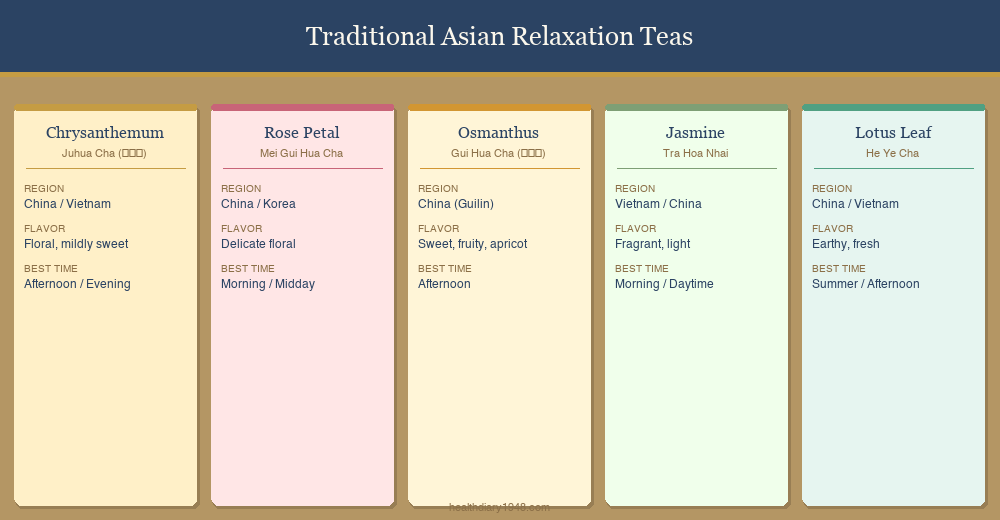
Among all the traditional wellness teas of East Asia, juhua cha (菊花茶) — chrysanthemum flower tea — holds a uniquely beloved place. In China, it is consumed daily by millions, available in teahouses, dim sum restaurants, and family kitchens alike. The Hong Kong dim sum tradition of serving chrysanthemum tea alongside yum cha meals is one of the most enduring daily wellness rituals in the Chinese-speaking world.
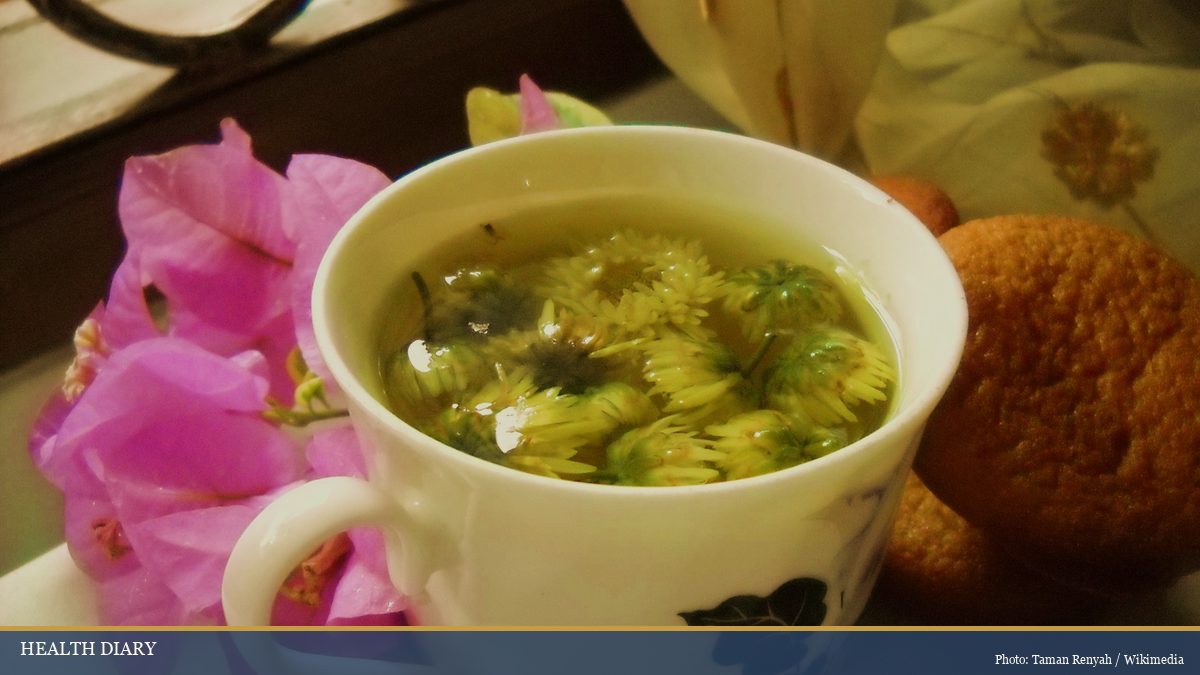
In folk practice, chrysanthemum tea is understood as a "cooling and calming" drink — one that clears heat from the liver and eyes, and settles a restless or tense mind. This includes a widely held folk belief that chrysanthemum tea is beneficial for the eyes — particularly for those who spend long hours reading, studying, or (today) looking at screens. Whether or not this reflects a mechanism science has yet to confirm fully, the tradition has persisted for centuries, and many people incorporate chrysanthemum tea into their afternoon as a visual rest break.
Not all chrysanthemum teas are alike. The three most prized varieties are Hangzhou Bai Ju (white Hangzhou chrysanthemum, considered the most delicate), Tai Ju (from Tongxiang, with a slightly fuller body), and Fetal Chrysanthemum (Tai Ju variant picked in bud form, the rarest and most fragrant). Each variety is brewed by steeping 3–6 dried flowers in hot water at around 80–85°C for three to five minutes.
In terms of research, animal studies have begun to explore the traditional claim that chrysanthemum has calming properties. A study published in BMC Complementary and Alternative Medicine found that Chrysanthemum indicum water extract produced anxiolytic-like effects in mice, with researchers suggesting involvement of GABA(A) and 5-HT1A receptor pathways — the same neurological systems implicated in relaxation more broadly. [1] An earlier study in Archives of Pharmaceutical Research isolated linarin and acacetin from Chrysanthemum boreale flower extract, identifying these flavone glycosides as having sedative properties in preclinical models. [2] These remain early-stage findings, and human clinical trials are still needed. Still, they offer a preliminary scientific lens through which to view a tradition that has been practiced for over a thousand years.
According to Vinmec — one of Vietnam's leading healthcare networks — chrysanthemum tea is widely used in Vietnamese folk practice for calming the nervous system and promoting a relaxed, settled feeling, with brewing recommended at 80–85°C to preserve its active compounds. [3] Individual responses to chrysanthemum tea vary considerably; those with cooling constitutions or cold sensitivities are traditionally advised to consume it in moderation.
Rose Petal Tea: A Floral Wellness Tradition
In China, mei gui hua cha (玫瑰花茶) — rose petal tea brewed from dried rosebuds — carries a rich folk wellness tradition. The flowers are valued in traditional practice for their association with emotional wellness and what Chinese folk herbalism describes as "moving liver qi" — a concept tied to relieving stagnation, improving mood, and easing the kind of emotional tension that accumulates with daily stress. Rose tea is drunk by women especially as a beauty and mood tea, appreciated for its fragrance as much as its flavor.
In Korea, jangmi-cha (장미차) — rose tea — is enjoyed as a gentle mood-lifting infusion, particularly in spring, when rose petals are associated with renewal and emotional balance. The brewing method is simple: 5–8 dried rosebuds steeped in water at 85–90°C for three to five minutes, allowing the color (a soft pink to deep rose) to bloom fully.
Rose petals are rich in polyphenols including quercetin, kaempferol, and gallic acid. Research on rose petal preparations has identified antioxidant and anti-inflammatory properties, and a study referenced in the Journal of Alternative and Complementary Medicine found that participants consuming rose tea reported improvements in mood compared to a placebo. [4] While more robust human trials are needed, the combined weight of traditional use across multiple Asian cultures and these early research signals makes rose petal tea one of the more interesting floral wellness teas to explore. Individual experiences with rose tea vary considerably, and its use is best approached as a pleasant cultural ritual rather than a guaranteed effect.
Osmanthus Tea: A Fragrant Relaxation Tea
Gui hua cha (桂花茶) — osmanthus flower tea — is perhaps the most aromatic of China's traditional wellness teas. The tiny golden-orange blossoms of Osmanthus fragrans are harvested primarily in the Guilin and Hangzhou regions, where their intoxicating fragrance — described variously as apricot, peach, honey, and delicate floral — fills entire neighborhoods during the autumn bloom.
Osmanthus tea holds a special place in the Mid-Autumn Festival tradition, where it is brewed alongside mooncakes and offered as a seasonal ritual of gratitude and calm. The tea is often paired with green tea (particularly Longjing green tea from Hangzhou) to create a layered flavor, though it is also appreciated alone, steeped in hot water at around 90°C for two to four minutes.
In folk wellness practice, osmanthus is valued not only for its taste but for its aromatherapeutic dimension — the idea that inhaling its scent while the tea steeps is itself part of the relaxation effect. This sensory engagement with the brewing process connects osmanthus tea to broader traditions of using fragrance as a calming ritual. The National Center for Complementary and Integrative Health (NCCIH) notes that while herbal teas are part of complementary health traditions globally, the evidence for specific floral teas remains mixed and requires ongoing research. [5] Osmanthus tea's soft, naturally sweet flavor has no bitterness, making it easy to drink without sweeteners and pleasant as an afternoon ritual.
The Mindfulness of Tea Preparation as Relaxation
Perhaps the most underappreciated dimension of Asian herbal tea culture is this: the act of preparing the tea is itself a form of relaxation. This is not a modern wellness reframe — it is encoded in some of the oldest tea philosophies of East Asia.
In Japan, chado (the "way of tea") elevates the preparation and serving of matcha to a complete meditative practice. Its four core principles — harmony (wa), respect (kei), purity (sei), and tranquility (jaku) — are not instructions for a tea ceremony but for a way of moving through life. Even outside the formal ceremony, everyday tea preparation in Japan is often approached with a quality of attention that Westerners might call mindfulness: the careful measuring of leaves, the slow pour of hot water, the waiting in silence.
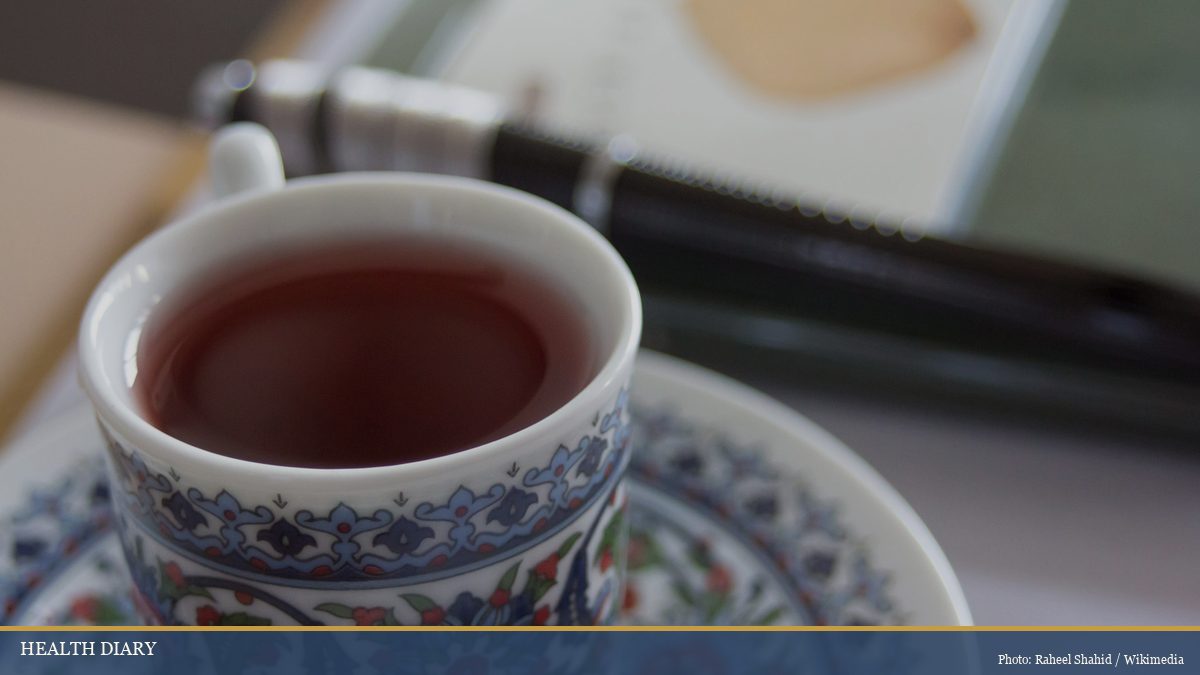
Korean dado (the "tea way") shares similar roots. Korean tea culture, shaped by both Buddhist monastic practice and Confucian aesthetics, emphasizes the deliberate, unhurried quality of tea preparation as a form of mental cultivation. The pause to brew tea is understood as a natural moment of transition — from busyness to stillness.
Contemporary research on mindfulness practices supports what these traditions have long embodied. Engaging fully in slow, sensory-rich rituals — including the visual, tactile, and aromatic experience of brewing tea — is associated with interrupting patterns of rumination and lowering perceived stress. The five minutes spent measuring chrysanthemum flowers, waiting for water to reach the right temperature, and watching the color bloom in the cup may themselves constitute the relaxation experience, independent of what the tea contains.
Individual responses to mindfulness-based practices vary considerably. Some people find immediate benefit from simple tea rituals; others may need more structured practices to achieve a sense of calm.
What Are the Calming Tea Traditions of Vietnam?
Vietnam has its own rich tradition of herbal wellness drinks, shaped partly by centuries of cultural exchange with China and partly by its own botanical heritage. Two herbal teas stand out in the context of everyday relaxation.
Tra hoa nhai (jasmine tea) — called tra hoa nhai or tra lai in Vietnamese — is the fragrant result of scenting green tea leaves with fresh jasmine blossoms, a technique imported from Fujian province in southern China and adapted across Vietnamese tea culture. The result is one of the most widely consumed daily teas in northern Vietnam, particularly enjoyed in the morning and early afternoon. Jasmine's fragrance carries its own folk calming association: the aroma of jasmine flowers has been associated in multiple traditions with a soothing, tension-releasing effect. Research on jasmine fragrance has explored its potential to influence mood, with one study examining the effects of linalool — a key aromatic compound in jasmine — on autonomic nervous system responses. [6]
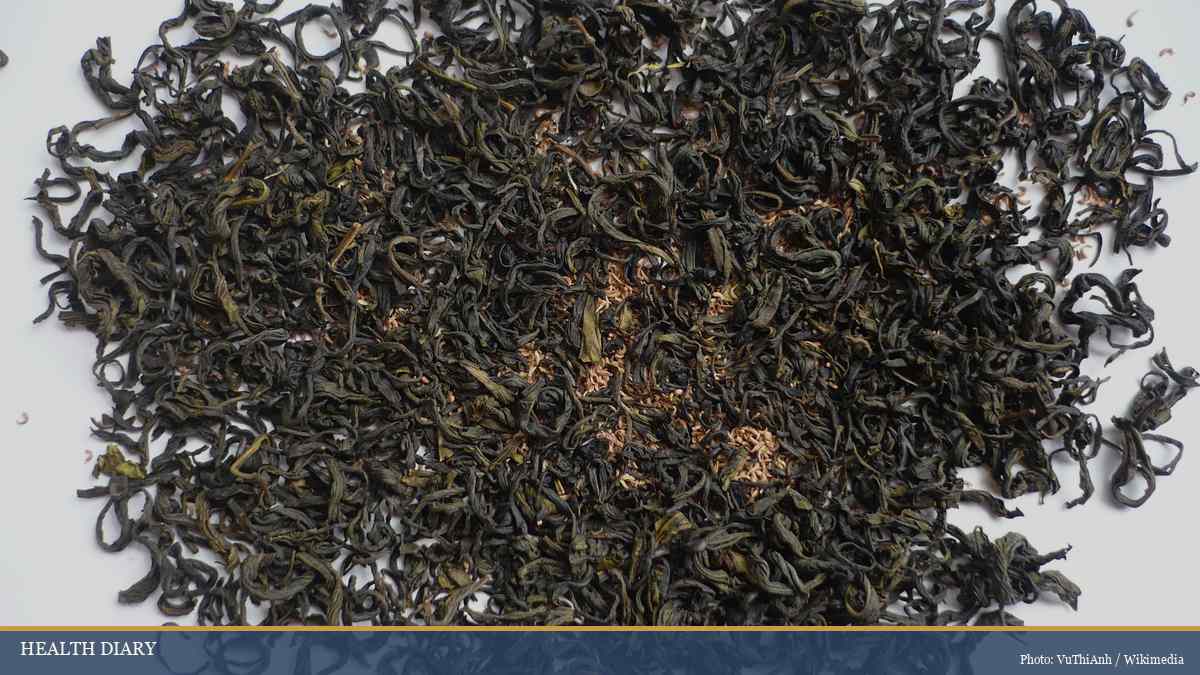
Tra hoa cuc (chrysanthemum tea in Vietnam) follows the same tradition described for China, with Vietnamese folk herbalism aligning closely with Chinese practice in viewing chrysanthemum as a cooling, calming flower tea suited for warm afternoons and moments of fatigue or mental tension. It is commonly brewed at roadside stalls and served chilled or warm throughout the country.
Beyond named herbal teas, Vietnamese culture maintains a broader tradition of nuoc la — herbal waters brewed from leaves, flowers, and roots and consumed throughout the day. These cooling herbal drinks, whether made from pandan leaf, lotus flower, or rice water infused with herbs, serve as daily micro-rituals of hydration and rest. The tradition of stopping work to drink nuoc la in the afternoon is itself a folk stress-relief practice embedded in daily rhythm.
How Do You Pair Relaxation Tea with a Calming Daily Ritual?
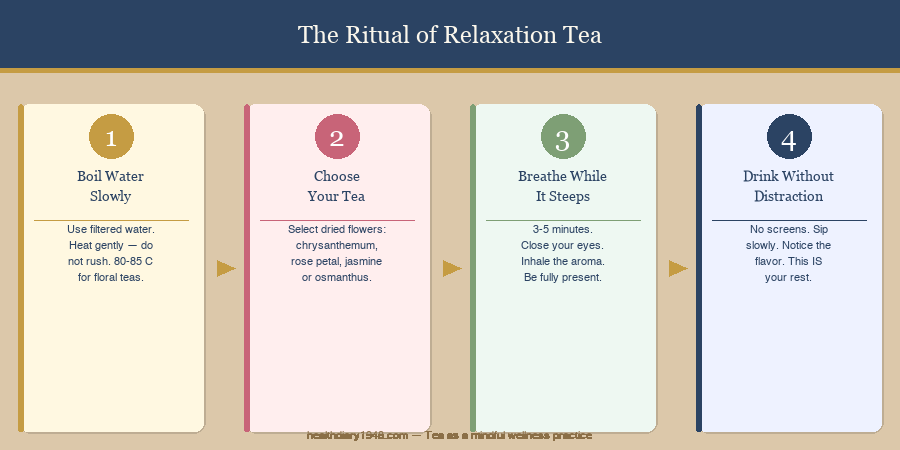
What makes these Asian floral tea traditions more than a list of pleasant beverages is the context in which they are consumed. Across cultures, the elements that surround tea drinking amplify whatever calming effect the tea itself may offer:
- Brew slowly, and let the wait be the ritual. Rather than using a kettle timer and moving on, set aside five minutes to be present with the process. The delayed gratification of a slow steep mirrors the deceleration you are seeking.
- Drink without screens. The most consistent finding in behavioral research on rest is that true cognitive rest requires disengagement from information input. A screen-free cup of chrysanthemum tea is a categorically different experience from one consumed while scrolling.
- Pair with a few deep breaths. As the tea steeps, taking three to five slow, deliberate breaths engages the parasympathetic nervous system — the body's own calming mechanism. The aroma of jasmine, osmanthus, or rose enhances this experience through olfactory engagement.
- Use traditional pottery vessels when possible. Brewing in ceramic or clay, rather than glass or plastic, changes the sensory texture of the experience. Many practitioners of traditional tea culture note that the weight, warmth, and texture of a ceramic cup contributes to the grounding quality of the ritual.
None of these pairings require any special equipment or expertise. They simply reframe a daily habit as a moment of intentional attention — which is, at its core, what the Asian tea tradition has always offered.
Frequently Asked Questions
What is the best Asian herbal tea for relaxation during the day?
Chrysanthemum tea is among the most widely used daytime relaxation teas across China and Vietnam, valued in folk tradition for its calming, cooling qualities. Rose petal tea and osmanthus tea are also popular afternoon choices. Jasmine tea is enjoyed throughout the morning and midday. Each tea has a distinct flavor profile and cultural context — choosing based on what appeals to your palate is a good starting point. Individual responses vary, and what feels calming to one person may differ for another.
Is chrysanthemum tea safe to drink every day?
Chrysanthemum tea is traditionally consumed daily by many people in China and Vietnam without issue. However, because it is considered a "cooling" herb in folk practice, those with cold constitutions, digestive sensitivity, or who are pregnant are traditionally advised to moderate consumption. If you take blood-thinning medications or have known plant allergies (chrysanthemum is in the Asteraceae family), consulting a healthcare practitioner before making it a daily habit is wise. Individual tolerance varies considerably.
Does osmanthus tea have caffeine?
Pure osmanthus flower tea is naturally caffeine-free. When osmanthus is blended with green tea or oolong (a common preparation in China), the resulting drink does contain caffeine from the base tea. If you prefer a caffeine-free version, look for pure osmanthus flower dried blossoms and steep them alone.
What does rose petal tea taste like?
Rose petal tea has a delicate, lightly floral flavor that is subtly sweet without bitterness. The color blooms from pale pink to a deeper rose depending on the variety and steeping time. Many people describe it as softer and more nuanced than other herbal teas. It pairs well with a small amount of honey, though it is pleasant on its own. The aroma is generally considered a significant part of the experience.
Can tea preparation itself be a relaxation practice?
Yes — and this is one of the core ideas in Japanese chado (the way of tea) and Korean dado. The deliberate, unhurried act of boiling water, measuring dried flowers, watching the color bloom, and waiting in silence has been practiced as a form of mindful attention across Asian cultures for centuries. Even outside formal ceremonies, approaching a five-minute tea preparation with full sensory presence is itself a rest practice. Many people find this transition ritual more restorative than the tea alone.
A Note on Exploring These Traditions
Asian relaxation teas are not a monolithic category — they are living traditions shaped by regional botanical knowledge, seasonal custom, and daily ritual across dozens of distinct cultures. Chrysanthemum tea in a Hong Kong teahouse, osmanthus tea at a Mid-Autumn gathering in Hangzhou, jasmine tea at a Hanoi street stall, and a bowl of matcha prepared in a Japanese tearoom all belong to this tradition, yet each carries its own meaning and context.
Approaching these teas as cultural wellness practices — rather than as supplement-equivalent products — is both more accurate to their origins and more respectful of the traditions that shaped them. The value is not only in what you drink, but in how you drink it: slowly, attentively, and with appreciation for the centuries of folk knowledge behind each cup.
About This Article
Written by: Health Diary Editorial Team — specialists in traditional Asian wellness research and herbal tea culture.
Editorial review: This article has been reviewed by the Health Diary editorial team for clarity, structure, and adherence to our sourcing standards. Key claims were cross-checked against NCCIH, NIH PubMed, and peer-reviewed literature from PMC. It is not a clinical review and should not replace consultation with a licensed healthcare practitioner.
Reviewed on: June 16, 2026.
Editorial process: We cite peer-reviewed and government sources where possible. When a clinical reviewer is added to this article, attribution will appear here with verifiable credentials.
This article explores relaxation tea as a cultural wellness practice. It is not medical advice.
References
- Woo CC, et al. "Anxiolytic-Like Effects of Chrysanthemum indicum Aqueous Extract in Mice: Possible Involvement of GABAA Receptors and 5-HT1A Receptors." BMC Complementary and Alternative Medicine, 2013. PMC3762266
- Nugroho A, et al. "Identification and quantification of the sedative and anticonvulsant flavone glycoside from Chrysanthemum boreale." Archives of Pharmaceutical Research, 2013; 36(1):51–60. PubMed 23325489
- Vinmec International Hospital. "Tac dung cua tra hoa cuc — tra thuoc thao moc." Vinmec.com (Vietnamese-language source)
- Gotter A. "What Is Rose Tea? Benefits and Uses." Healthline, 2023. healthline.com/nutrition/rose-tea
- National Center for Complementary and Integrative Health (NCCIH). "Tea." U.S. Department of Health and Human Services. nccih.nih.gov/health/tea
- Zhao L, et al. "Insights into momentous aroma dominating the characteristic flavor of jasmine tea." Food Science and Nutrition, 2023; 11(4). Wiley Online Library