

Traditional Tea Culture in Asia: Ceremony, Ritual & Hospitality
How China, Japan, Korea, and Vietnam turned tea into culture — gongfu cha, the Japanese tea ceremony, Korean darye, hospitality, and tea in art and ritual.
Medical Disclaimer: This content is for educational and cultural information only and is not medical advice. It describes traditional Chinese, Japanese, Korean, and Vietnamese cultural practices and is not intended to diagnose, treat, cure, or prevent any disease. For anything relating to your health, consult a licensed healthcare practitioner.
Affiliate Disclosure: This article may contain affiliate links. We may earn a commission if you purchase through these links, at no additional cost to you. We only recommend products we believe align with our editorial standards.
In much of Asia, tea is not simply something you drink — it is something you do, together. A pot of tea can be a welcome to a stranger, an offering to an ancestor, a monk's aid to meditation, or a host's quiet way of saying "stay a while." Over more than a thousand years, four neighbouring cultures each shaped the same leaf into a distinct art of living: China's skilful gongfu cha, Japan's meditative chanoyu, Korea's understated darye, and Vietnam's warm everyday hospitality.
This guide is the hub for our writing on tea culture — the rituals, philosophies, and social meanings around the cup, rather than the leaves and their chemistry (for those, see our complete guide to Asian herbal teas). It traces how tea became a culture, walks through the four great traditions, and looks at tea's place in art and hospitality. It is a doorway, not the last word.
What Do We Mean by "Tea Culture"?
"Tea culture" describes everything that surrounds the drink: how tea is prepared and served, the etiquette of offering and receiving it, the spaces built for it, and the values people attach to it. The same cup can carry very different meanings — refreshment, reverence, artistry, or social bonding — depending on the hands that pour it.
What is striking across Asia is how often tea became a vehicle for something larger: mindfulness, hospitality, aesthetic refinement, even civic life. UNESCO recognised this in 2022 when it inscribed China's "traditional tea processing techniques and associated social practices" as intangible cultural heritage — explicitly honouring not just how tea is made, but how it is shared (UNESCO, 2022). Our companion guides on tea rituals and the meaning of tea in family and hospitality explore these threads in more detail.
How Did Tea Become a Culture, Not Just a Drink?
Tea began, by most accounts, as a medicinal and everyday plant in China. (The popular tale that the emperor Shen Nong discovered it in 2737 BCE is best treated as legend rather than history.) The scholar James Benn's academic history traces how tea drinking was gradually ritualised — notably within Chan (Zen) Buddhist monasteries, where monks used it to stay alert during long meditation and spread the habit through their networks (Benn, 2015).
That monastic connection matters, because it shaped tea's character everywhere it travelled. Monks valued tea for the same reason they valued sitting quietly: it sharpened wakeful attention without agitation. When tea moved from the monastery into court and then into ordinary homes, it carried this contemplative undertone with it — a hint that drinking tea could be a small practice of presence, not just a way to quench thirst.
The decisive moment came in the Tang dynasty, when Lu Yu — later honoured as the "Sage of Tea" — wrote the Cha Jing (茶经, "The Classic of Tea") around 760 CE. The world's first monograph on tea, its ten chapters codified cultivation, utensils, and the art of brewing and drinking, elevating tea from a beverage into a cultured practice (Lu Yu, Cha Jing). From there, tea spread outward to Japan, Korea, and Vietnam, and downward from the elite into daily life — a "medicine to ritual to everyday culture" arc that still shapes how the region drinks. You can follow the regional threads in our pillars on Chinese, Japanese, Korean, and Vietnamese traditions.
China — Gongfu Cha and the Teahouse
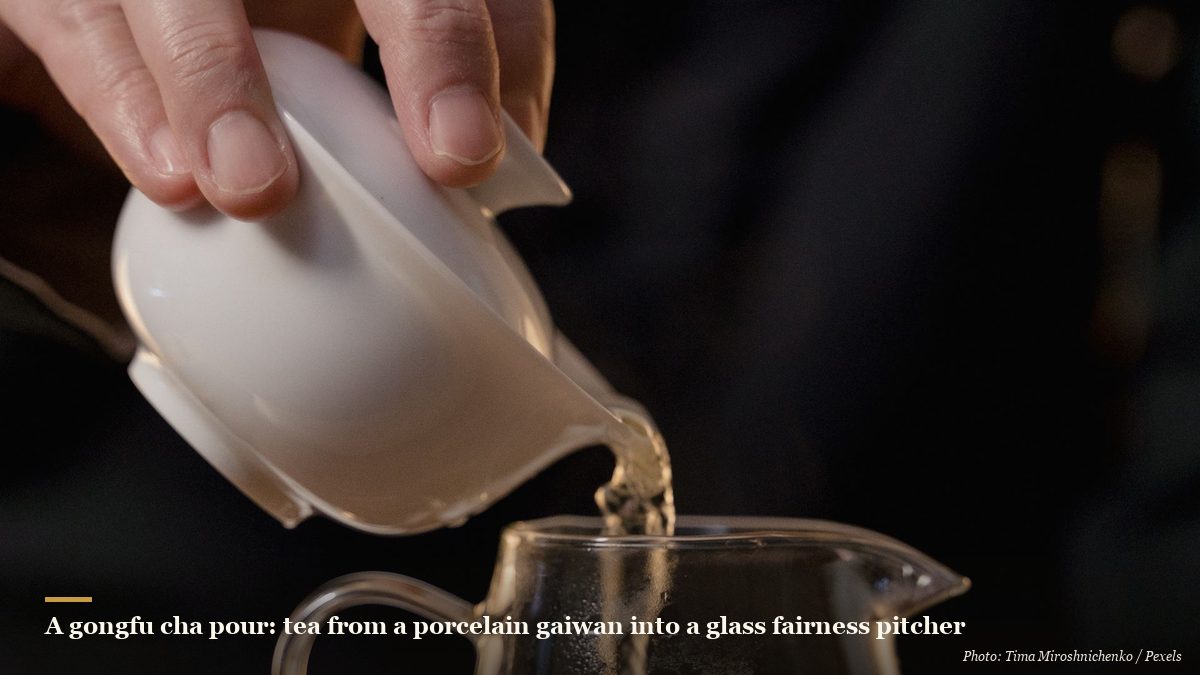
Chinese tea culture has two great faces: the intimate art of gongfu cha and the public life of the teahouse. Gongfu cha (功夫茶) is often misunderstood in the West as a type of tea; in fact the name refers to a method — "gongfu" means the skill, time, and care the brewing demands. Using a small clay pot or a lidded gaiwan and a high ratio of leaf to water, the brewer draws many short, successive infusions from the same leaves, savouring how the flavour shifts from cup to cup (Baidu Baike, gongfu cha). It crystallised in the Chaozhou region of Guangdong and is now recognised within China's national heritage.
Then there is the teahouse (chaguan), one of the most underrated institutions in Chinese social history. The historian Di Wang has shown how the teahouses of a city like Chengdu functioned as a genuine "third place" — a hub for conversation, small business, storytelling, and even the settling of local disputes; by the early twentieth century Chengdu had hundreds of them, nearly one per street (Di Wang, teahouse scholarship). For ordinary people, the teahouse was newspaper, courtroom, and living room at once — a place where the whole texture of public life unfolded over endless refills of inexpensive tea. That sociable, unhurried spirit still defines Chinese tea today, whether in a formal tasting or a shared pot among friends. To brew at home in this spirit, our tea rituals guide and tea preparation guides are good starting points.
Japan — Chanoyu and the Way of Tea
Japan refined tea into perhaps the world's most codified ceremony. Chanoyu (茶の湯, literally "hot water for tea"), also called chadō, "the Way of Tea," is a ritualised preparation of whisked matcha in a purpose-built room modelled on a hermit's hut, where guests briefly withdraw from the ordinary world (The Met, Japanese Tea Ceremony). Every gesture — the folding of the cloth, the turning of the bowl, the order of sweets — is choreographed, yet the aim is not performance but a shared moment of undivided attention between host and guest. Our dedicated Japanese tea ceremony guide walks through a full ceremony, and our look at matcha in traditional Eastern medicine covers the tea itself.
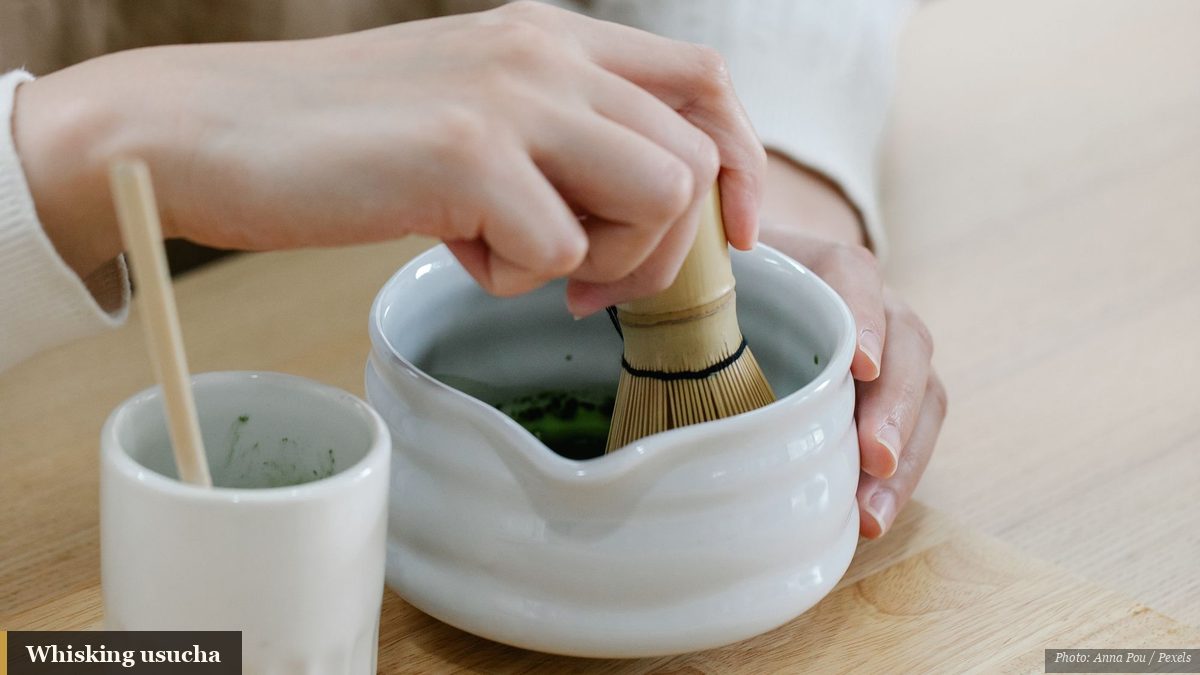
The tea master Sen no Rikyū (1522–1591) is credited with perfecting wabi-cha — a spirit of "sublime simplicity" and beauty in imperfection (wabi-sabi) that stripped the ceremony of ostentation. Rikyū's tiny crawl-through doorway, the nijiriguchi, forced every guest — even a sword-wearing samurai — to stoop and enter humbly, making all equal in the tea room. The ceremony's guiding spirit is often summarised in four ideals, wa-kei-sei-jaku (和敬清寂): harmony, respect, purity, and tranquillity.
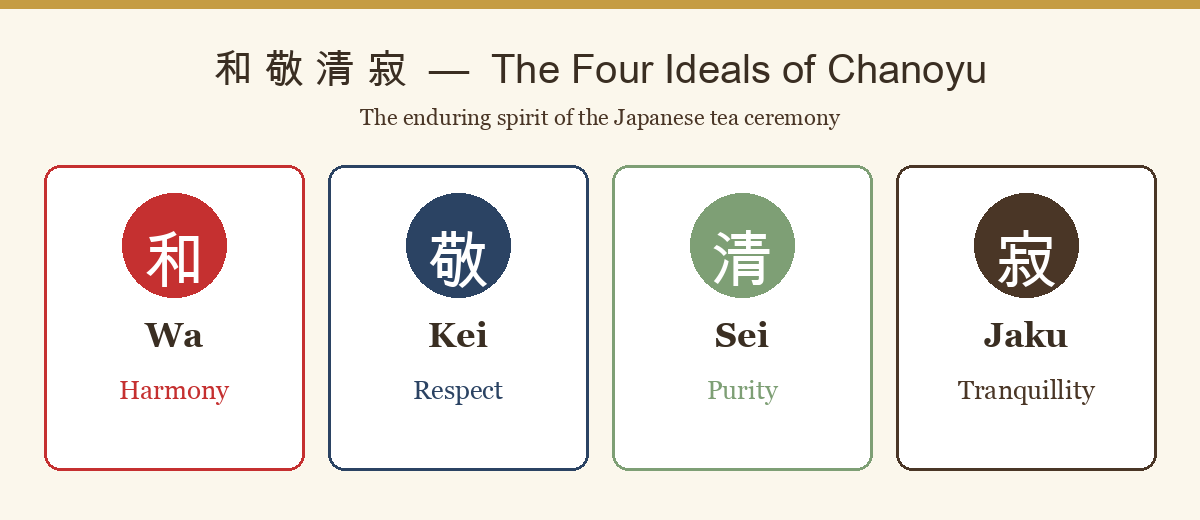
One honest footnote worth knowing: while these four principles are traditionally attributed to Rikyū by the Senke tea schools, Japanese sources note they do not appear in reliable documents from his own lifetime, so they are better described as the tradition's enduring summary than as his literal words (Japanese reference, wa-kei-sei-jaku). The meditative dimension links tea closely to the meditation traditions of Asia.
Korea — Darye, and a Culture Nearly Lost
Korea's tea culture, darye (다례, "tea rite" or "etiquette for tea"), prizes naturalness, moderation, and ease, harmonised with Confucian courtesy — for example, serving in order of age or seniority (Encyclopedia of Korean Culture). It carries a dual heritage: the meditative calm of Seon (Zen) Buddhism and the propriety of Confucian ritual. Our Korean tea culture guide covers it in depth.
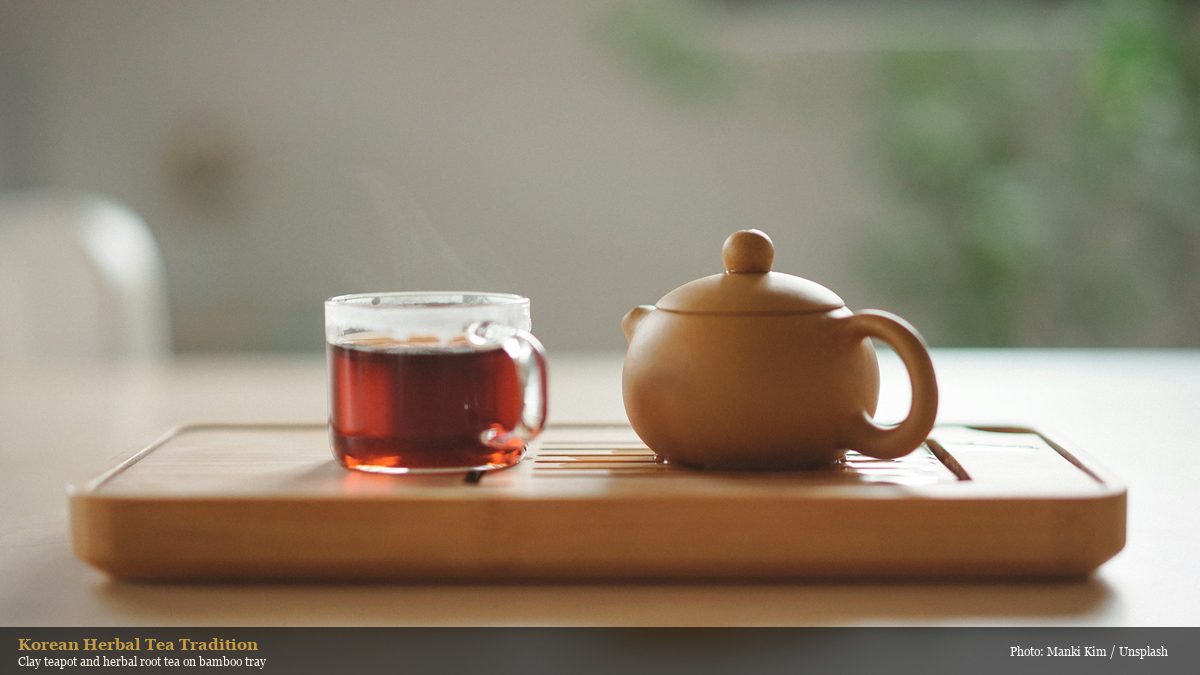
What makes Korea's story distinctive is that its tea culture nearly disappeared. For much of the Joseon dynasty's five centuries, Neo-Confucian policy suppressed the Buddhist institutions that had carried tea, and the practice declined sharply. It was revived in the nineteenth century largely through the exchange between Confucian scholars and Buddhist monks — above all the monk Cho-ui, whose Dongdasong ("Hymn to Korean Tea," 1837) is regarded as Korea's tea classic (Cho-ui, Dongdasong). Cho-ui, working alongside the great Confucian scholar Jeong Yak-yong and the artist Kim Jeong-hui, helped a quiet tea revival take root among Korea's intellectual circles. That history of loss and revival is a large part of why Korean darye feels so deliberately simple and restrained — a culture rebuilt, mindfully, from near-silence rather than handed down unbroken.
Vietnam — Hospitality, Ancestors, and Lotus Tea
Vietnam's tea culture lives less in formal ceremony than in everyday hospitality and ritual life. Offering a guest tea (mời trà) is a near-universal gesture of welcome, and the custom is old: the eighteenth-century literatus Phạm Đình Hổ recorded tea appreciation as long-established (A potted history of Vietnamese tea). A refined connoisseur's style (chuyên trà) developed later and was perfected under the Nguyễn dynasty.
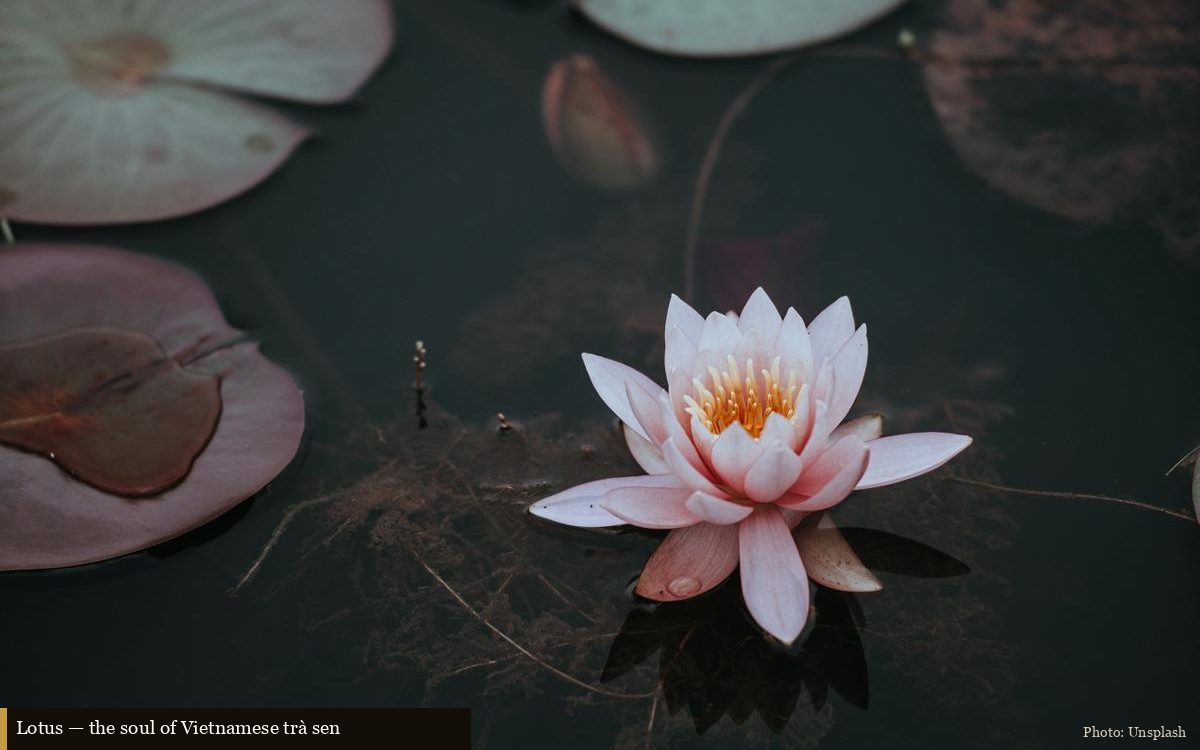
Tea is also woven into ancestral and family ritual: cups of tea are placed on the ancestral altar at Tết, at death anniversaries, and at weddings, expressing filial piety and the bond between generations (Trà sen, Vietnamese reference). The artisanal peak is trà sen (see our lotus tea guide), lotus-scented green tea layered with the stamens of West Lake lotus blossoms — so labour-intensive that it can take well over a thousand flowers to scent a single kilogram of tea. It is worth noting that many Vietnamese sources describe this as a culture of tea appreciation (thưởng trà) rather than a single formalised "Way" like Japan's. Explore more in our Vietnamese herbal traditions hub.
Tea in Poetry, Art, and Philosophy
Across the region, tea became a muse. In Tang China, the poet Lu Tong wrote the beloved "Seven Bowls of Tea," in which each successive bowl lifts the drinker from simple refreshment toward a feeling of transcendence — perhaps the most quoted tea poem in the Sinosphere (Lu Tong). By the seventh bowl, the poet writes, he can no longer drink — he only feels a pure breeze rising beneath his arms, as if about to float away. It is a vivid picture of how, very early on, Chinese writers already understood tea as far more than refreshment: a path to lightness, clarity, and a kind of everyday transcendence. Among Ming-dynasty literati, tea signalled both a life "close to nature" and refined social standing, celebrated in tea books, paintings, and tea clubs (Jiang, 2023).
Centuries later, the Japanese writer Okakura Kakuzō carried these ideas westward in his 1906 classic The Book of Tea, describing "Teaism" as "a cult founded on the adoration of the beautiful among the sordid facts of everyday existence" and linking tea to Zen, Taoism, architecture, and art (Okakura, The Book of Tea). Tea, in other words, has long been a lens through which these cultures thought about beauty, simplicity, and how to live.
What Do the Four Traditions Share?
For all their differences, the four traditions rhyme. Each approaches the making of tea as an act of care and attention; each uses the cup to create connection — with a guest, an ancestor, a teacher, or one's own quiet mind; and each, in its own way, turns an ordinary drink into a small ceremony of presence.
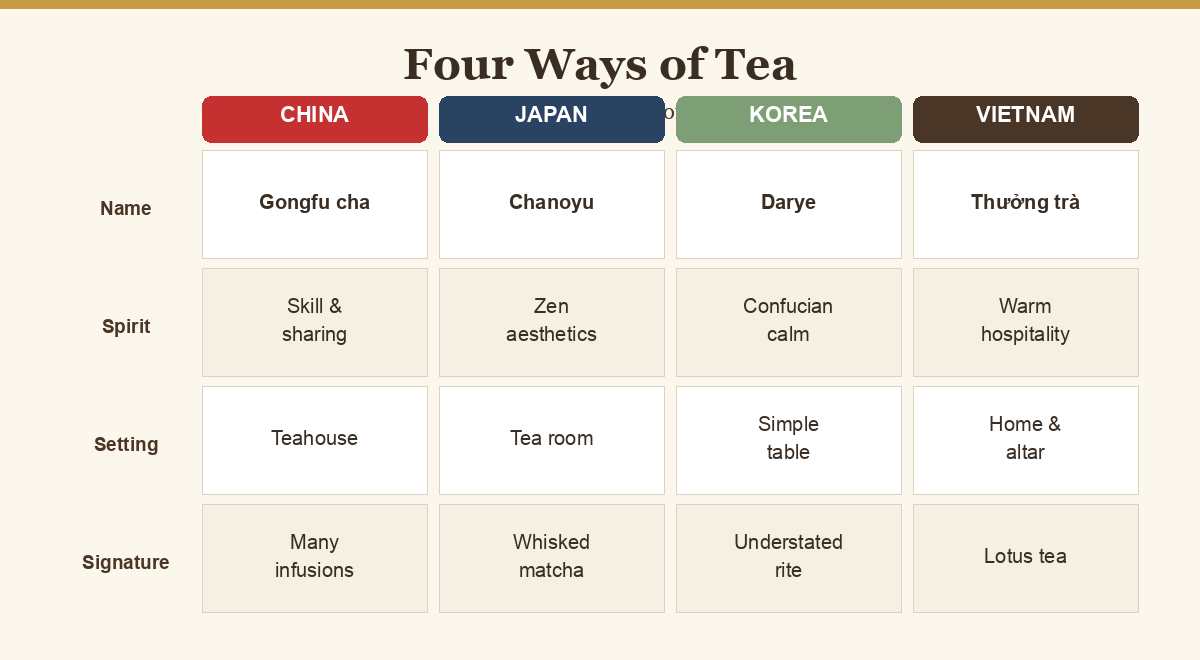
Where they differ is emphasis. China leans toward connoisseurship and vibrant public teahouse life; Japan toward a single, highly codified aesthetic-spiritual Way; Korea toward Confucian-Buddhist restraint and ancestral rite; and Vietnam toward everyday hospitality and ancestral offering. None is more "authentic" than another — they are four answers to the same question of how to share a cup well. It is a useful reminder that "tea culture" is not one fixed thing to be copied, but a living habit each community shapes around its own values. For the everyday version of this across the region, see our guide to daily herbal tea rituals.
Frequently Asked Questions
What is the Japanese tea ceremony?
Chanoyu (or chadō, "the Way of Tea") is a highly ritualised preparation and serving of whisked matcha in a dedicated space, rooted in Zen aesthetics and organised around harmony, respect, purity, and tranquillity (The Met). It emphasises mindful presence and hospitality over the flavour of the tea alone.
What is gongfu cha?
Gongfu cha is a Chinese brewing method, not a type of tea. Using small vessels and many short infusions, it draws out the evolving character of a tea through skilful, attentive preparation — "gongfu" refers to the care and skill involved (Baidu Baike).
Did Sen no Rikyū really coin the "four principles" of tea?
The four ideals — wa-kei-sei-jaku (harmony, respect, purity, tranquillity) — are traditionally attributed to Rikyū by the Senke schools, but Japanese sources note they are not documented in his lifetime. They are best understood as the tradition's lasting summary of his spirit rather than his verified words (Japanese reference).
How is Chinese tea culture different from Japanese?
Broadly, Chinese culture centres on connoisseurship and sociable teahouse life, with gongfu cha prizing the tea's evolving flavour. Japanese chanoyu is a single, deeply codified ceremony focused on Zen aesthetics and mindful ritual. One celebrates the tea; the other, the moment around it.
What is Korean darye, and why did Korean tea culture nearly disappear?
Darye is Korea's understated tea etiquette, blending Confucian propriety and Seon Buddhist calm. It declined for much of the Joseon dynasty, when Neo-Confucian policy suppressed Buddhism, and was revived in the nineteenth century by scholar-monk exchange, notably the monk Cho-ui (Dongdasong).
Why do Vietnamese offer tea to guests and on ancestral altars?
Offering tea is a core gesture of Vietnamese hospitality, and placing tea on the ancestral altar at Tết, weddings, and death anniversaries expresses filial piety and the connection between generations (Vietnamese reference).
A Note on Bringing Tea Culture Home
You do not need a tearoom or years of training to taste what these traditions offer. Brewing a pot slowly, serving someone you care about, and simply paying attention to the cup captures much of the spirit. If you enjoy building small rituals, keeping a light note of the teas you share and the moments around them can turn a daily habit into something quietly meaningful — much like the calming cups in our relaxation tea traditions and bedtime tea guides. Our reader quiz can help you find a starting point, and our guides to tea rituals, the Japanese tea ceremony, and Korean tea culture offer concrete first steps.
A Soft Closing Note
The tea cultures of China, Japan, Korea, and Vietnam were never really about the leaf alone. They are about attention and welcome — the pouring of something warm as a way of honouring a guest, a memory, or the present moment. Whether you are drawn to the many infusions of gongfu cha, the stillness of chanoyu, the restraint of darye, or the simple warmth of a Vietnamese welcome, the invitation is the same: slow down, pour with care, and let the cup do its quiet work. To keep exploring, wander into our guide to Asia's herbal teas, the region's country-by-country tea traditions, or the neighbouring worlds of food therapy and healthy aging.
About This Article
Written by: Health Diary Editorial Team — writers and researchers focused on making traditional Asian wellness knowledge clear, accurate, and culturally grounded.
Editorial review: This article has been reviewed by the Health Diary editorial team for clarity, structure, cultural accuracy, and adherence to our sourcing standards. Historical and cultural claims were cross-checked against academic, museum, UNESCO, and native-language sources. It is a cultural overview, not a clinical or academic monograph.
Reviewed on: August 4, 2026.
Editorial process: We cite scholarly, institutional, and native-language sources where possible, and we present traditions as cultural and historical knowledge. Where a popular claim is contested (such as the attribution of the four tea principles), we note the uncertainty rather than smoothing it over.
References
- UNESCO. Traditional tea processing techniques and associated social practices in China (inscribed 2022). https://ich.unesco.org/en/RL/traditional-tea-processing-techniques-and-associated-social-practices-in-china-01884
- Benn JA. Tea in China: A Religious and Cultural History. University of Hawai'i Press, 2015. https://www.jstor.org/stable/j.ctt13x1kn2
- Lu Yu. The Classic of Tea (茶经), c. 760 CE. https://en.wikipedia.org/wiki/The_Classic_of_Tea
- The Metropolitan Museum of Art. The Japanese Tea Ceremony (Heilbrunn Timeline of Art History). https://www.metmuseum.org/essays/the-japanese-tea-ceremony
- Di Wang. The Teahouse: Small Business, Everyday Culture, and Public Politics in Chengdu (reviewed in American Historical Review). https://academic.oup.com/ahr/article-abstract/125/4/1397/5933394
- Jiang. Tea as Nature, Tea as Power in Early Modern China. Asian Culture and History, 2023. https://ccsenet.org/journal/index.php/ach/article/view/0/48264
- Lu Tong. Seven Bowls of Tea (Song of Tea), Tang dynasty. https://en.wikipedia.org/wiki/Lu_Tong
- Okakura Kakuzō. The Book of Tea, 1906. https://www.gutenberg.org/files/769/769-h/769-h.htm
- Encyclopedia of Korean Culture (한국민족문화대백과사전), Academy of Korean Studies. https://encykorea.aks.ac.kr/
- Cho-ui. Dongdasong (동다송, "Hymn to Korean Tea"), 1837. http://www.kbulgyonews.com/news/articleView.html?idxno=2125
- 和敬清寂 (wa-kei-sei-jaku), Japanese reference. https://ja.wikipedia.org/wiki/和敬清寂
- 工夫茶 (gongfu cha), Baidu Baike. https://baike.baidu.com/item/工夫茶/3348648
- Trà sen (lotus tea), Vietnamese reference. https://vi.wikipedia.org/wiki/Trà_sen
- A potted history of Vietnamese tea. Vietnam News. https://vietnamnews.vn/sunday/features/1153626/a-potted-history-of-vietnamese-tea.html


