Nighttime Wellness Habits from Asian Traditions: Evening Rituals for Better Rest
Discover traditional Asian nighttime wellness habits — from Chinese herbal foot soaking and light evening meals to Japanese ofuro baths, family wind-down rituals, and folk evening practices from Vietnam and Korea.
Medical Disclaimer: This content is for educational and informational purposes only and is not medical advice. The information presented is not intended to diagnose, treat, cure, or prevent any disease. Always consult a licensed healthcare practitioner before starting any new wellness practice. Statements regarding traditional cultural habits have not been evaluated by the FDA.
Affiliate Disclosure: This article contains affiliate links. We may earn a commission if you purchase through these links, at no additional cost to you. We only recommend products we believe align with our editorial standards.
Introduction: The Asian Evening as a Transition Ritual
In much of East and Southeast Asia, the hours between sunset and sleep are not simply downtime — they are a deliberate transition. Chinese families have gathered for quiet evening tea for generations. Japanese households follow the rhythm of the ofuro (evening bath). Vietnamese grandmothers soak their feet in warm herbal water before bed. Korean families share the evening around the table long after the dishes have been cleared.
These are not coincidences. Across Chinese, Japanese, Korean, and Vietnamese cultures, evening hours have traditionally been treated as a sacred wind-down — a time to move the body from the yang energy of the active day toward the yin stillness needed for rest. The ancient Chinese text Huangdi Neijing (Yellow Emperor's Classic of Internal Medicine) describes nighttime as belonging to yin — the cooling, restful, inward force that restores the body while we sleep.
This article explores six distinct evening folk habits drawn from Asian traditions, examines what modern research has begun to observe about some of these practices, and offers a framework for adapting them to a contemporary lifestyle. These are cultural traditions and folk habits — not prescriptions.
What Is Herbal Foot Soaking? A Chinese and Vietnamese Evening Tradition
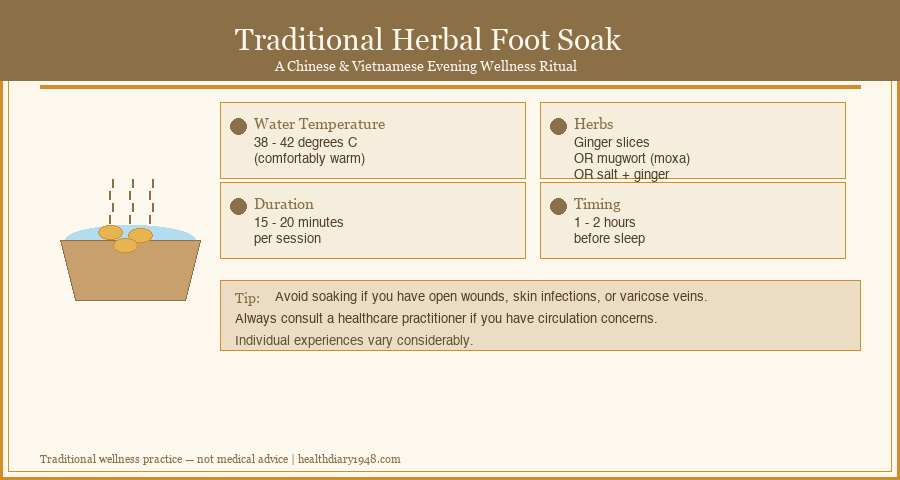
Of all the evening folk habits in East Asia, pao jiao (泡脚) — the practice of soaking the feet in warm water before bed — may be the most widespread in China. From rural villages to urban apartments, Chinese families have long practiced this simple ritual as a way to ease fatigue and prepare the body for sleep. In Vietnamese households, the equivalent practice is known as ngam chan toi (evening foot soak), often done with lemongrass, ginger, or coarse salt in warm water.
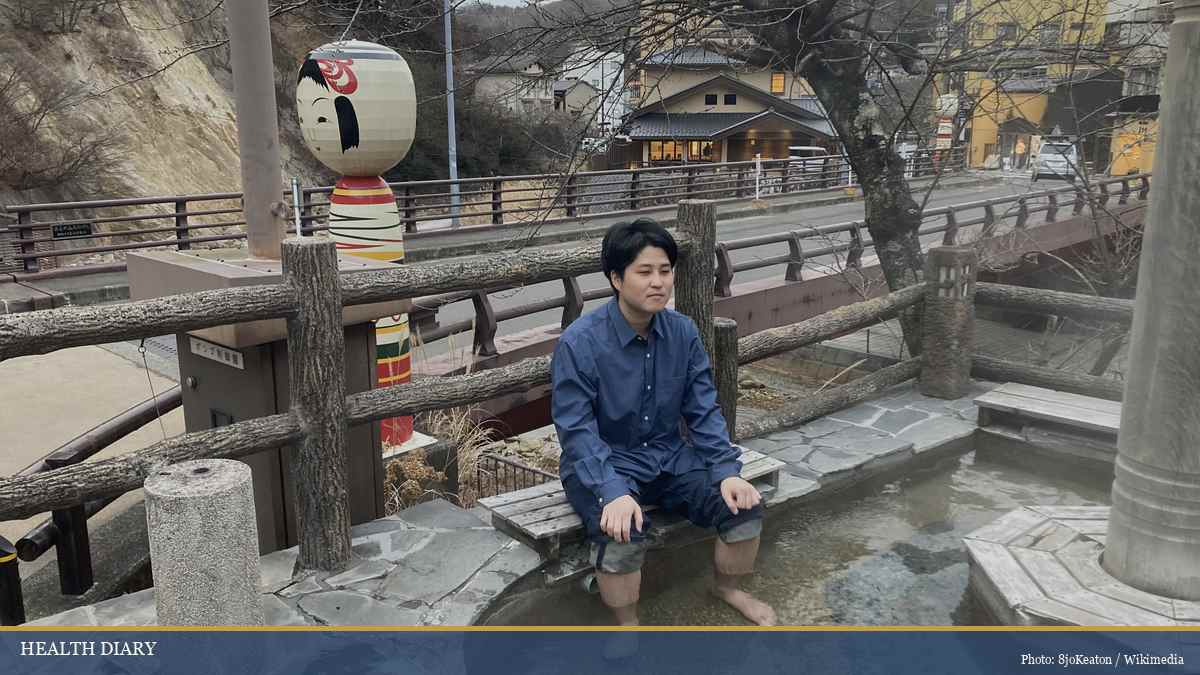
In TCM theory, the feet are sometimes called the "second heart" — a reference to the rich concentration of acupressure points along the soles and ankles that correspond to organs throughout the body. Folk practitioners have long believed that warming the feet in the evening helps circulate energy downward and inward, easing the mind and preparing the body for rest. Herbs like mugwort (ai ye), ginger, and wormwood have traditionally been added to the water to enhance the warming effect.
Modern research has begun to examine this folk tradition. A 2024 systematic review published in BMC Geriatrics by Nasiri et al., which examined 10 randomized and quasi-experimental studies involving 407 elderly participants, found that warm water foot baths improved sleep quality scores in 9 of the 10 studies examined. The review noted that water temperatures above 40°C appeared most commonly in effective studies. The authors described warm foot baths as "an easy, simple, and safe nursing intervention" for improving sleep quality in older adults. Read the systematic review at PMC.
The proposed mechanism aligns with what we know about thermoregulation: when warm water heats the feet and lower legs, blood vessels dilate and circulation increases toward the extremities. As the body subsequently cools, core temperature drops — a signal to the brain that is associated with the onset of sleep.
Traditional practice parameters: 15–20 minutes, water at 38–42°C (comfortably warm to the touch), herbs optional (ginger slices, mugwort, or plain sea salt are common choices), finishing at least one hour before sleep. Individual responses vary considerably; what works well for one person may not suit another.
Why Do Asian Traditions Favor a Light Evening Meal?
"Eat breakfast like a king, lunch like a prince, and dinner like a pauper" — this maxim appears in various forms across Chinese, Japanese, and Korean folk wisdom. The underlying principle is strikingly consistent: the evening meal should be the lightest of the day, eaten early, and easy to digest.
In traditional Japanese households, the evening meal has historically been modest: steamed rice, miso soup, a small portion of fish or tofu, and pickled vegetables. Chinese folk wisdom specifically cautions against cold or raw foods at dinner (which are thought to burden the stomach's warming function in TCM theory) and emphasizes warm, simply cooked dishes like rice congee or light broth. The ideal dinner time in traditional practice was around 6–7pm — well before darkness and sleep.
Contemporary research has begun to find patterns that echo this traditional approach. A 2024 study published in PLOS One by Yan et al., drawing on NHANES data from 7,023 participants, found that later meal timing was associated with higher Pittsburgh Sleep Quality Index scores, indicating poorer sleep. Those with good sleep quality consumed their final meal at an average of 8:06 PM, compared to 8:13 PM for those with poor sleep — a modest difference in a modern context, but consistent with a pattern that aligns meals with the body's natural circadian rhythm. Read the meal timing and sleep study at PMC.
Separate research has found that late eating activates the hypothalamic-pituitary-adrenal axis, elevating evening cortisol levels that would otherwise be declining in preparation for sleep. Carbohydrate-heavy late meals may also suppress melatonin secretion, potentially delaying sleep onset. Traditional Asian evening food choices — light soups, congee, simply cooked grains — happen to be low in stimulating compounds and easy to digest.
Individual experiences vary considerably, and the ideal evening meal timing will differ based on personal schedule, age, and lifestyle.
The Evening Bath and Body Wind-Down
Japan has perhaps the most formalized evening bathing culture in Asia. The ofuro (お風呂) is not simply a shower — it is a full-body immersion bath, typically taken in the evening after the day's work is done, serving as a clear ritual boundary between the activity of the day and the rest of the night. Family members share the same bath water sequentially (washing thoroughly outside the tub first), making it simultaneously a personal and communal practice.
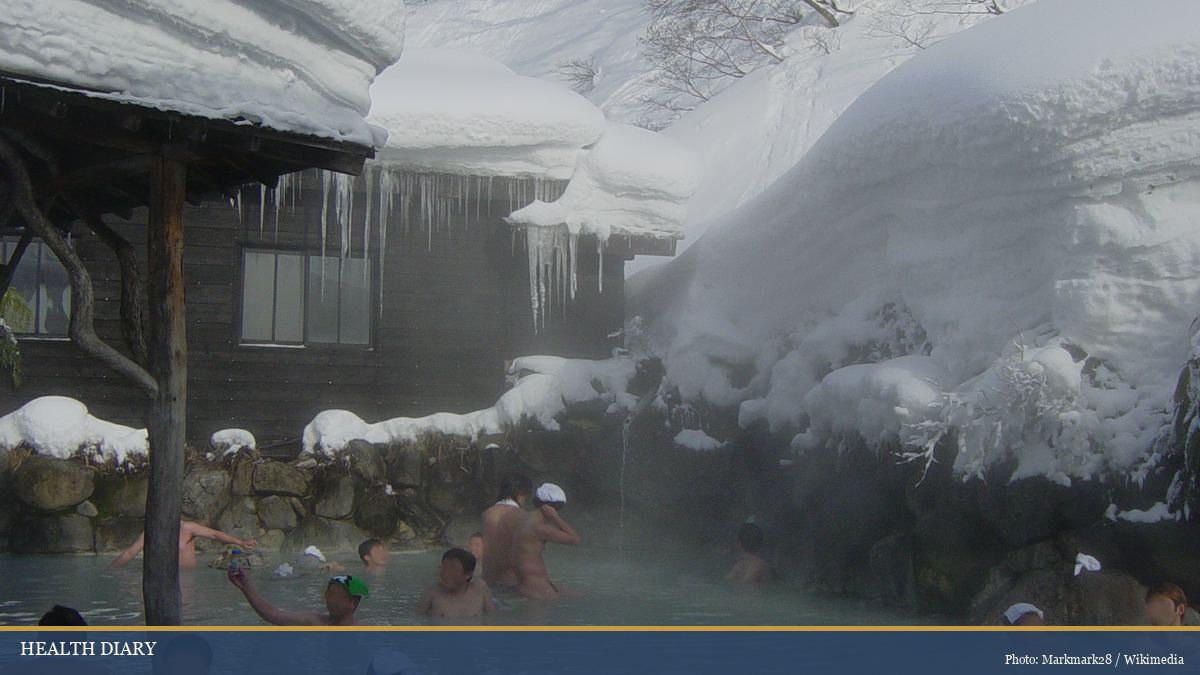
The water temperature is traditionally around 40°C, and the immersion typically lasts 10–20 minutes. The post-bath cooling period — returning to a room-temperature environment — is as important as the bath itself in this folk tradition. Korean bathing culture (yeok) shares similar values, with communal bathhouses (jjimjilbang) serving as social and wellness spaces where the evening bath is a social as much as physical ritual.
A 2015 study published in the Journal of Japanese Association of Physical Medicine, Balneology and Climatology by Yasuda et al. found that switching from shower-only bathing to full immersion bathing at 41°C for 10 minutes led to participants reporting significantly higher feelings of "deep sleep sensation, physical fatigue relief, and bodily lightness" compared to showering alone. A 2019 systematic review and meta-analysis by Haghayegh et al. (Sleep Med. Rev.), examining 17 studies, found that warm water bathing at 40–42.5°C, timed 1–2 hours before bedtime for as little as 10 minutes, was "associated with both improved self-rated sleep quality and sleep efficiency." The proposed mechanism: warm bathing accelerates the distal-to-proximal skin temperature gradient, helping the body dissipate core heat more efficiently — a process that naturally supports sleep onset. Read the meta-analysis at PubMed.
The timing echoes traditional practice: the ofuro is typically taken an hour or more before sleep, not immediately before lying down. This allows the body to complete its natural cooling arc.
Family Time and Mental Wind-Down
In Chinese tradition, the period after the evening meal has long been associated with quiet family togetherness — sharing tea, talking about the day, or sitting together in the courtyard on warm evenings. This is not passive screen time; it is social connection without the urgency of the day's tasks. Vietnamese families traditionally call this buoi toi cung nhau — the evening together — a period of conversation and storytelling before sleep.
Korean families similarly have a culture of evening togetherness, whether around shared television, board games, or conversation. Japanese households have historically valued a period of quiet reading or newspaper browsing in the evening — a solitary but calm wind-down that contrasts with the stimulation of the working day.
The common thread across these traditions is a deliberate shift from external demands to internal settling — whether through social warmth or quiet solitude. Contemporary sleep research supports the value of this kind of mental transition. The Sleep Foundation notes that a consistent wind-down routine — beginning 30 minutes to 2 hours before sleep — helps the brain recognize that it is time to shift from alertness to rest. See the Sleep Foundation's bedtime routine guidance.
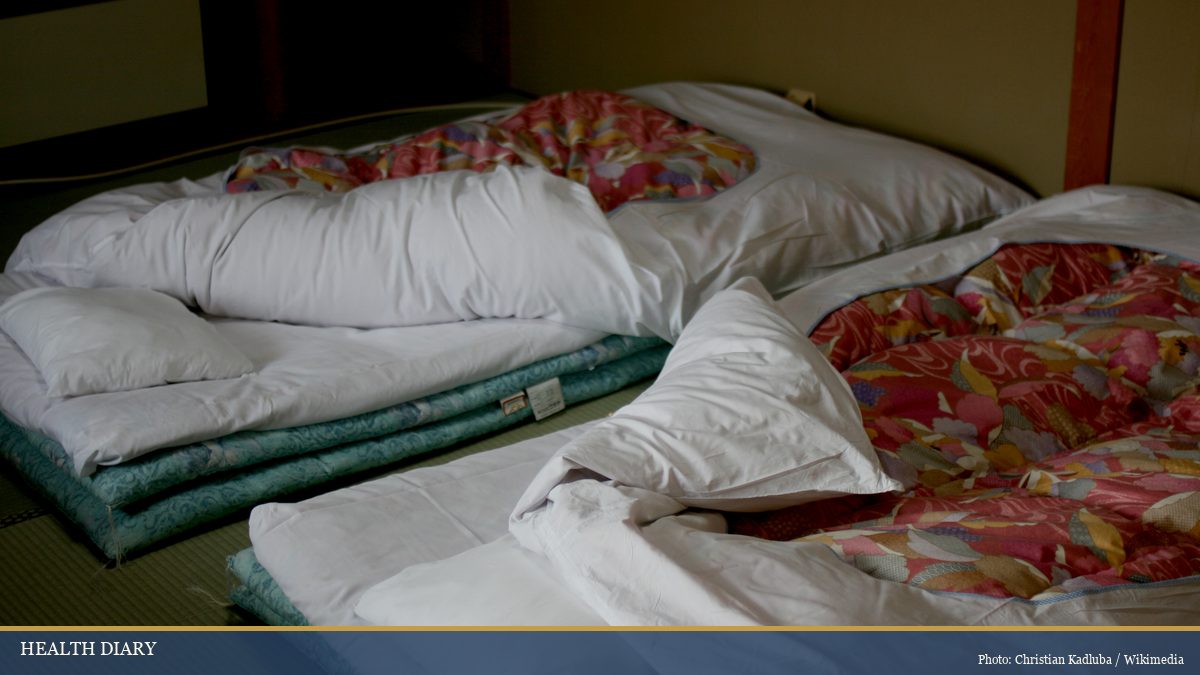
The modern adaptation of this tradition often includes a screen-free hour before bed, which aligns with both contemporary sleep hygiene recommendations (blue light suppresses melatonin) and the spirit of traditional Asian evening habits, which predate digital distraction entirely.
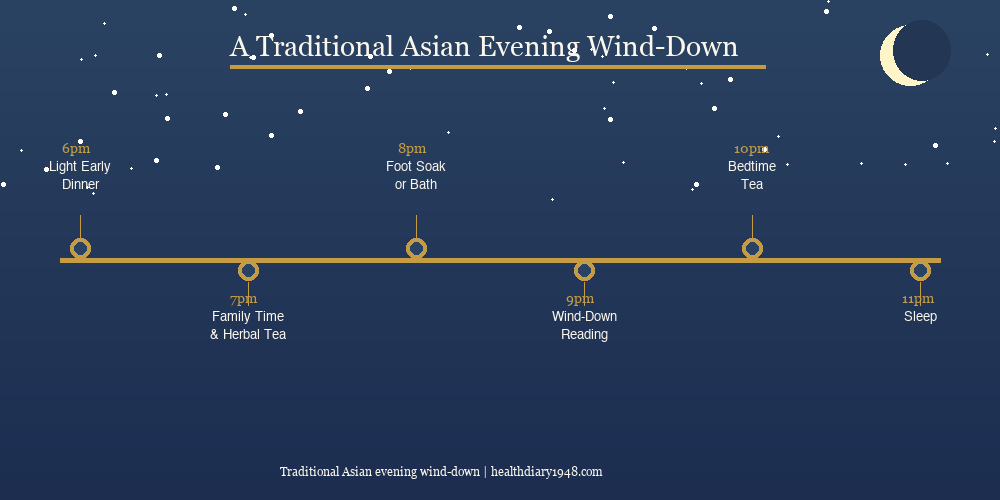
Folk Beliefs About the Body at Night
Alongside these practical habits, Asian evening traditions include a rich layer of folk beliefs about how the body behaves differently after dark. These are cultural traditions passed down through families — not medical claims — and they offer a window into how pre-modern societies understood the transition from waking to sleep.
Chinese folk beliefs:
- Avoid washing hair at night: Folk wisdom suggests that going to sleep with wet hair allows "cold dampness" to settle in the head — a concept rooted in the TCM idea that cold and damp pathogenic factors can enter when the body's defenses are low. This has no clinical evidence base but remains common advice in Chinese households.
- Avoid eating after 8pm: The stomach is thought to need rest alongside the body; in TCM theory, the stomach's digestive fire (yang energy) declines at night. This is a folk interpretation that aligns somewhat with what circadian biology has observed about digestive efficiency decreasing in late evening.
- Fresh air but no wind on the face while sleeping: Sleeping near an open window is considered fine, but having wind blow directly on the face during sleep is believed to invite "wind-cold" — a pathogenic factor in traditional cosmology. This reflects a folk awareness of thermoregulatory vulnerability during sleep, interpreted through traditional cosmology.
Vietnamese folk beliefs:
- Avoid cold water at night: Vietnamese folk tradition cautions against drinking or bathing in cold water after dark, particularly in cooler months. The idea is that the body is more vulnerable to "wind" and "cold" entering during the evening hours. This is a cultural belief, not a clinical guideline.
These folk beliefs are presented here as cultural traditions that reflect how generations of families understood evening vulnerability and rest — not as evidence-based health guidance. Individual responses and interpretations vary considerably across families and regions.
Creating Your Evening Transition Ritual
The practical wisdom in Asian evening traditions is not about following every folk rule perfectly — it is about the principle of deliberate transition. Rather than stumbling into sleep at the end of a stimulating day, traditional Asian evening habits create a gentle arc from activity to rest.
If you want to incorporate some of these folk habits into your own evenings, a few principles help:
- Choose 2–3 habits, not all of them. The goal is a sustainable routine, not a rigid protocol. A light dinner eaten before 7:30pm, a 15-minute foot soak at around 8pm, and 20 minutes of quiet reading before bed is already a meaningful evening ritual.
- Consistency matters more than perfection. The body responds to regular cues. Doing a modest evening routine every night creates stronger conditioning than an elaborate one done occasionally.
- Adjust seasonally. Traditional Asian wellness has always been season-aware. Foot soaking may feel particularly grounding in autumn and winter; in summer, a cooler rinse and lighter dinner may feel more natural. The key is listening to your body rather than following rules mechanically.
- Wind-down means screens down. All Asian evening traditions predate digital devices. The spirit of these practices — from the ofuro to family tea time — is incompatible with the stimulation of scrolling. A one-hour screen-free period before bed is one of the most straightforward adaptations of this tradition for modern life.
Individual experiences vary considerably; what feels restorative for one person may be unnecessary for another. These folk habits are invitations to explore, not prescriptions to follow.
Frequently Asked Questions
Is herbal foot soaking safe for everyone?
Warm water foot soaking is generally well-tolerated by healthy adults as a relaxation folk habit. However, people with certain conditions — including open wounds or skin infections on the feet, varicose veins, peripheral vascular disease, or diabetes with reduced sensation — should consult a healthcare practitioner before starting a foot soak routine. The water temperature should always be comfortable to the touch; avoid extremes. Individual responses vary considerably.
How long before bed should I take a warm bath or foot soak?
Traditional Asian practice and contemporary sleep research tend to align here: finishing a warm bath or foot soak about 1–2 hours before your intended bedtime gives the body time to complete its natural cooling response. Bathing immediately before lying down may actually delay sleep onset for some people, as the body is still in the warming phase. That said, individual responses differ, and some people find a bath very close to bedtime helpful.
What is the best time to eat dinner for better sleep?
Traditional Asian practice favors an early, light evening meal — typically around 6–7pm — giving the digestive system time to process the meal before sleep. Contemporary research on meal timing and circadian rhythms suggests that earlier evening meals are associated with better sleep quality for many people. That said, lifestyle, work schedules, and personal preference all play a role. Eating a heavy meal very close to bedtime (within 1–2 hours of sleep) is generally associated with more disrupted sleep in available research.
Do I need to use herbs in the foot soak water?
No. Plain warm water foot soaking is the base practice; herbs are additions from traditional culture. The research on foot soaking and sleep quality examined plain warm water in most studies. Ginger, mugwort (ai ye), and sea salt are traditional additions in Chinese and Vietnamese practice and are widely used, but they are not required for the basic folk habit. If you choose to use dried herbs, start with small amounts to ensure you have no sensitivities, and avoid adding anything you are allergic to.
Can children follow these Asian evening habits?
Many of these cultural habits — early light dinners, family bonding time, quiet wind-down before sleep — are naturally family-inclusive and appropriate for children. Warm water foot soaks may be used with children with appropriate temperature caution (water should be comfortably warm, not hot) and adult supervision. Always check with a pediatrician if your child has any health conditions before beginning new wellness routines.
About This Article
Written by: Health Diary Editorial Team — specialists in traditional Asian wellness education.
Editorial review: This article has been reviewed by the Health Diary editorial team for clarity, structure, and adherence to our sourcing standards. Key claims were cross-checked against NCCIH, NIH PubMed, PLoS One, and peer-reviewed sleep journals where applicable. It is not a clinical review and should not replace consultation with a licensed healthcare practitioner.
Reviewed on: June 16, 2026.
Editorial process: We cite peer-reviewed and government sources where possible. When a clinical reviewer is added to this article, attribution will appear here with verifiable credentials.
This article reflects traditional Asian evening wellness habits for educational purposes. It is not medical advice.
References
- Nasiri S, et al. "The effect of foot bath on sleep quality in the elderly: a systematic review." BMC Geriatrics. 2024. https://pmc.ncbi.nlm.nih.gov/articles/PMC10898139/
- Haghayegh S, et al. "Before-bedtime passive body heating by warm shower or bath to improve sleep: A systematic review and meta-analysis." Sleep Medicine Reviews. 2019. PMID: 31102877. https://pubmed.ncbi.nlm.nih.gov/31102877/
- Yan M, et al. "Chronobiological perspectives: Association between meal timing and sleep quality." PLOS One. 2024. https://pmc.ncbi.nlm.nih.gov/articles/PMC11293727/
- Yasuda D, Kubo T, et al. "Effects of Behavioral Change from Shower Bathing to Bathtub Bathing on Sleep and Work Efficiency." Journal of Japanese Association of Physical Medicine, Balneology and Climatology. 2015. https://www.jstage.jst.go.jp/article/onki/78/4/78_341/_article/
- Sleep Foundation. "How to Build a Better Bedtime Routine for Adults." Reviewed 2024. https://www.sleepfoundation.org/sleep-hygiene/bedtime-routine-for-adults
- Yosan University. "Huangdi Neijing: Key TCM Theories and Principles." https://yosan.edu/huangdi-neijing-key-tcm-theories-principles/
- Japan Experience. "Ofuro: the traditional Japanese bath for health and well-being." https://www.japan-experience.com/plan-your-trip/to-know/before-you-travel/ofuro-japanese-baths
- Benh vien Y hoc Co truyen Da Nang. "Foot soak herbal powder — traditional Vietnamese practice." https://benhvienyhoccotruyendanang.vn/en/sanpham/foot-soak-herbal-powder/