Perilla Leaf Tea: Vietnamese Tia To and Asian Herbal Tea Traditions
Explore perilla leaf tea traditions across Asia — Vietnamese tia to warming tea, Japanese shiso drinks, and Korean kkaennip cha — with traditional recipes and cultural context.
Medical Disclaimer: This content is for educational and informational purposes only and is not medical advice. The information presented is not intended to diagnose, treat, cure, or prevent any disease. Always consult a licensed healthcare practitioner before starting any new herbal practice or supplement. Statements regarding traditional herbal use have not been evaluated by the FDA.
Affiliate Disclosure: This article contains affiliate links. We may earn a commission if you purchase through these links, at no additional cost to you. We only recommend products we believe align with our editorial standards.
Across Asia, a single plant goes by many names — tía tô in Vietnamese kitchens, shiso on Japanese dining tables, kkaennip in Korean gardens. Each culture has woven this aromatic herb, known botanically as Perilla frutescens, into its own cultural tea tradition, shaped by local climate, seasonal rhythms, and generations of folk practice. What varies is everything around the cup: the color of the leaf, the moment of preparation, the occasion for drinking, and the flavors that accompany it.
This article traces perilla leaf tea from the warming winter brews of Vietnamese households to the vivid red summer drinks of Japan, to the quiet post-meal ritual of Korea. It is a story not of one tea, but of three distinct traditions rooted in the same humble plant.
Introduction: One Plant, Three Traditions
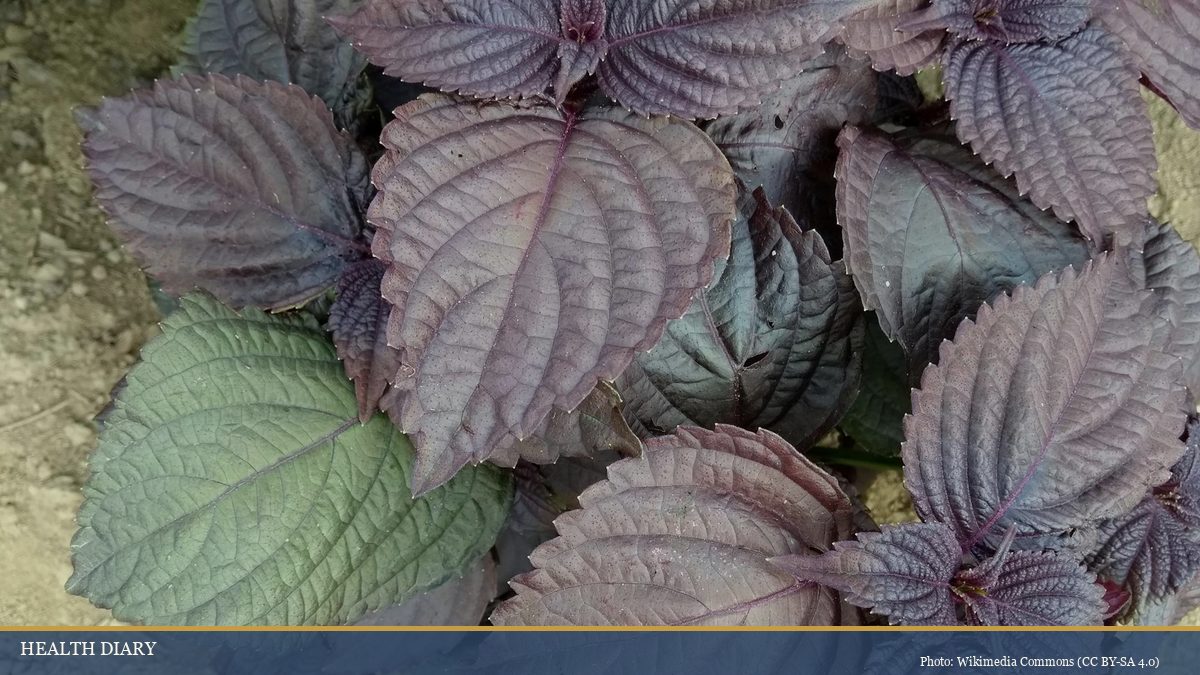
Perilla frutescens belongs to the mint family (Lamiaceae) and has been cultivated throughout East and Southeast Asia for centuries. The plant produces large, ruffled leaves with a distinctive aroma — part mint, part anise, part basil — and comes in two principal forms: the deep purple variety favored in Vietnam and Japan, and the bright green variety most associated with Korean cuisine.
A 2025 comprehensive review in Foods (MDPI) noted that perilla leaf decoctions have traditionally been consumed across Asian cultures, particularly in summer months, to reduce heat stress and promote appetite — yet the specific preparations vary considerably between Vietnam, Japan, and Korea, reflecting each culture's relationship with the plant.
Vietnamese Tía Tô Tea (Trà Tía Tô)
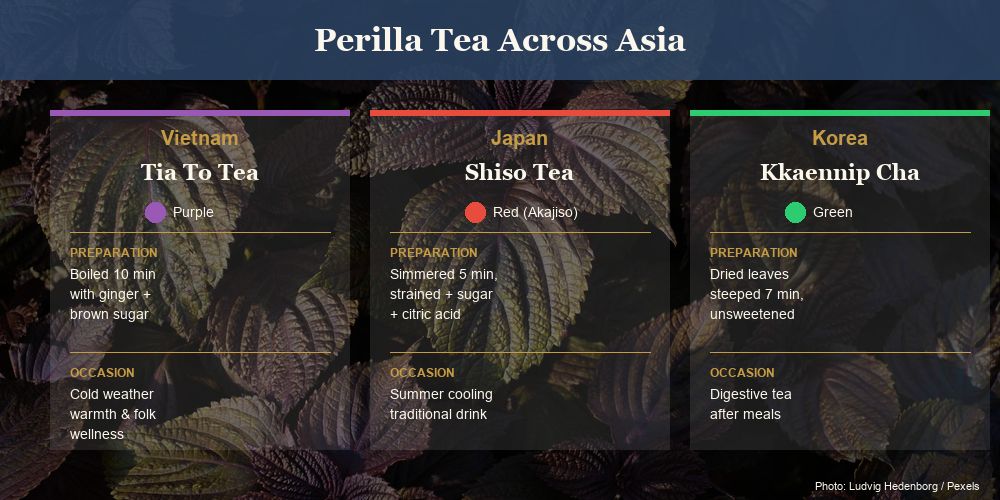
In Vietnam, purple perilla — called tía tô — is one of the most familiar herbs in the home garden. It appears in rice porridge, in soups, and in folk remedies passed quietly from mother to daughter. The tea version, trà tía tô, carries a warming character that Vietnamese folk tradition associates with cold, damp weather.
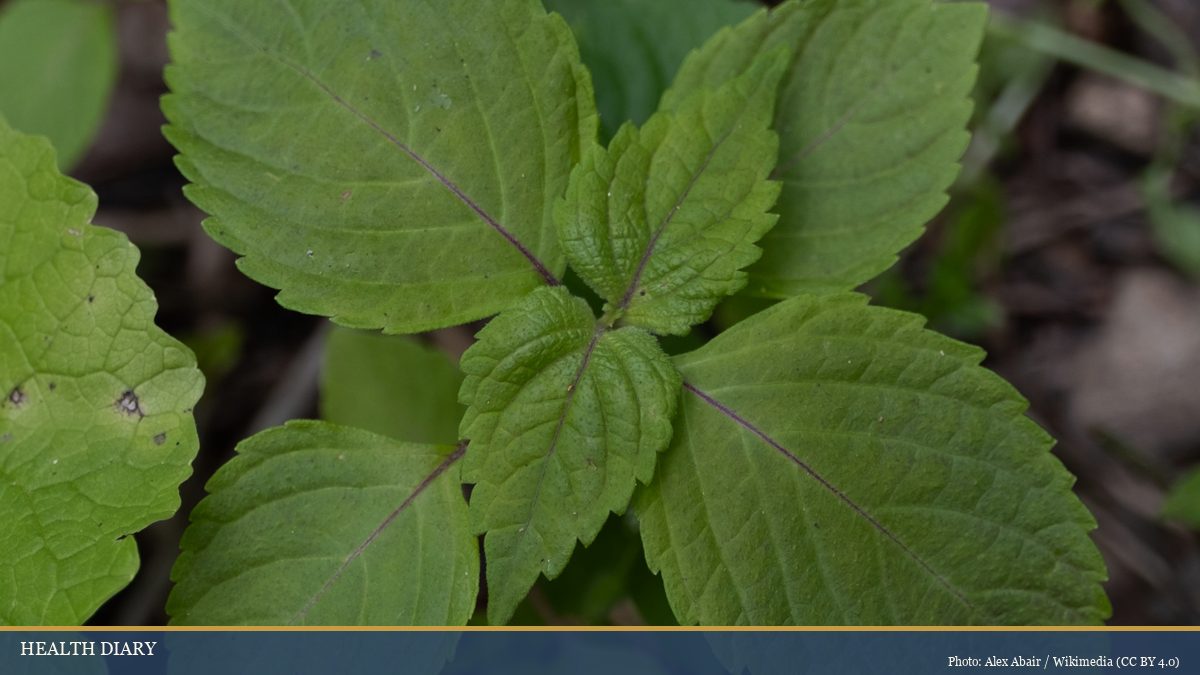
According to Trung Tâm Thuốc Dân Tộc, a Vietnamese traditional herb reference, tía tô is described as having a warm nature and acrid flavor — properties that, in folk understanding, make it suitable for consumption when one feels cold or sluggish. The classic folk preparation involves fresh tía tô leaves boiled with rice porridge and eaten hot, intended to encourage perspiration and restore warmth to the body.
The tea form simplifies this: a handful of fresh or dried tía tô leaves are simmered in water for approximately ten minutes, then combined with a few slices of fresh ginger and sweetened with brown sugar or raw cane sugar. Nhà thuốc Long Châu, one of Vietnam's major pharmacy chains, describes this preparation as a folk wellness beverage with a pleasant earthy-sweet taste. The drink is traditionally prepared warm rather than cold, and consumed slowly.
The Vietnamese folk application of tía tô is notably distinct from its Japanese and Korean counterparts: it is seen primarily as a warming, internally directed drink rather than a cooling or digestive one. Individual responses to herbal preparations vary considerably; what is experienced as warming and comforting by one person may not suit another.
Japanese Shiso Tea and the Akajiso Drink Tradition
In Japan, red shiso (akajiso, literally "red perilla") holds a special cultural place. Its history in Japanese food culture extends back over 800 years — the pickled vegetable dish shibazuke, attributed to a Buddhist monk in Kyoto, relied on red shiso leaves for both preservation and color. Over centuries, akajiso became inseparable from umeboshi (Japanese pickled plum), lending the plums their distinctive crimson hue.
The drink tradition emerged organically from this pickling culture. After the umeboshi pickling season — typically midsummer — households found themselves with quantities of akajiso leaves that had absorbed vinegar and color from the plums. These leaves, once dried and processed, yielded a byproduct: a vivid red infusion that became part of summer drinking culture.
Today, aka shiso juice (赤紫蘇ジュース) is a recognizable Japanese summer beverage. The preparation described in WAWAZA's traditional recipe involves simmering 50 grams of dried red shiso leaves in four cups of water for five minutes, straining the liquid, dissolving sugar, and then adding lemon juice or vinegar — which triggers a dramatic color transformation from deep purple to vivid red due to the anthocyanins reacting with acid. The resulting drink is tart, lightly sweet, and intensely colored.
A 2012 study in the Journal of Oleo Science from Ochanomizu University demonstrated that red perilla showed notably higher polyphenol content and antioxidant activity compared to green varieties, and that after oral intake, subjects showed significantly longer LDL oxidation lag times. This research context helps explain why red shiso has maintained cultural interest as a wellness beverage.
The Japanese shiso tea tradition is particularly associated with summer — a cooling, refreshing drink served chilled, in contrast to the warming Vietnamese tradition. Individual experiences with shiso drinks vary, and the beverage is enjoyed primarily as a cultural and seasonal pleasure.
Korean Perilla Tea (Kkaennip Cha)
In Korea, perilla takes a different form altogether. Korean kkaennip is the green variety of Perilla frutescens — broader, more pungent, and botanically distinct in appearance from the purple Vietnamese tía tô, though they share the same species. The leaf is a staple of Korean dining: served fresh beside grilled meat, used in kimchi, braised in soy sauce, and eaten as a vegetable wrapper.
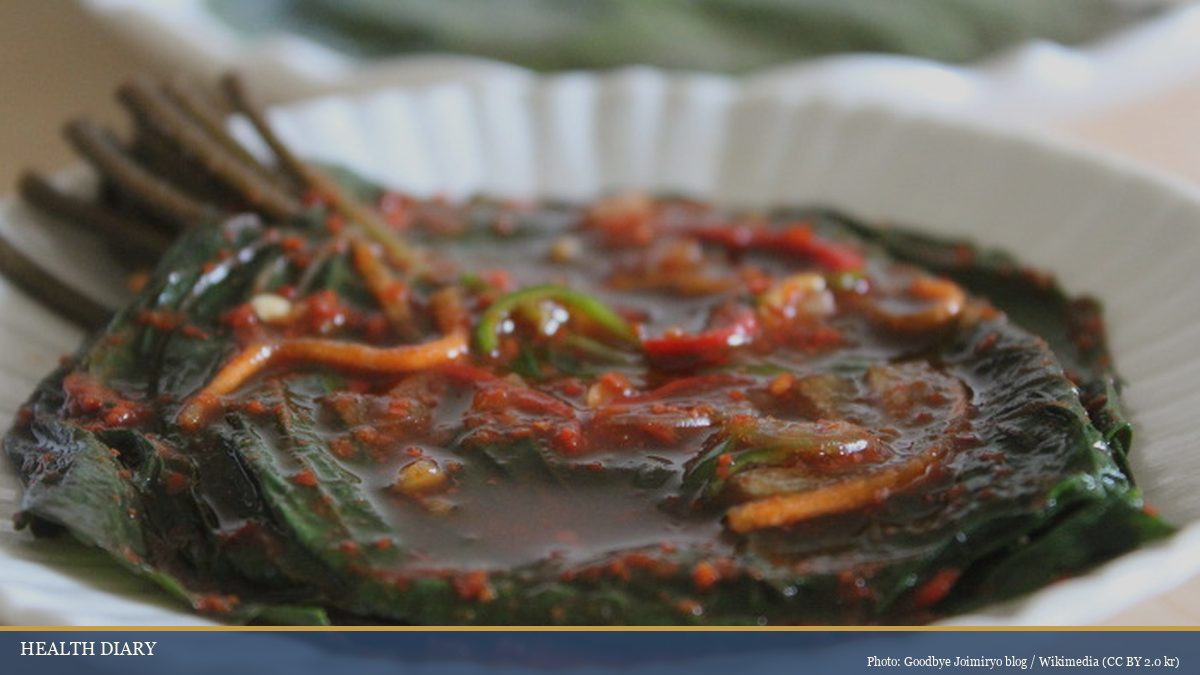
The tea application — kkaennip cha — is a quieter tradition than the culinary uses. Korea.net, the official Republic of Korea government cultural platform, notes that the first cultivation records of kkaennip appear in the Nongsa Jikseol (Straight Talk on Farming), a text compiled in 1429 during the reign of King Sejong the Great. The herb was called "the best medicine on the dining table" in traditional folk understanding, valued for the perillketone compounds that give it its distinctive pungency.
Dried kkaennip leaves, when steeped as tea, produce a mild, slightly earthy infusion with a faint anise-like quality. In Korean folk practice, this tea is sometimes consumed after meals as a digestive ritual — a quiet cup at the end of a meal heavy in grilled meat and fermented side dishes. There is also a parallel tradition of deulkke cha — tea made from roasted perilla seeds (deulkkae) — which produces a nuttier, richer flavor distinct from the leaf tea.
Korean perilla tea is typically prepared unsweetened, reflecting Korean tea culture's general preference for natural, unembellished flavors. Individual preferences for sweetness or steeping strength vary widely.
Purple vs Green Perilla: Two Tea Varieties
Understanding the color difference between perilla varieties is helpful for anyone exploring these tea traditions. The purple or red varieties — Vietnamese tía tô and Japanese akajiso — owe their color to anthocyanins, water-soluble pigments that accumulate in the leaf tissue. A 2025 review published in Foods noted that purple perilla demonstrates the highest antioxidant activity among perilla varieties, with rosmarinic acid content measured at 314.3 mg/g — a notably high concentration of this polyphenolic compound.
The green varieties — Japanese green shiso (aojiso) and Korean kkaennip — carry a brighter, more distinctly herbal and anise-like flavor profile. They lack the anthocyanin pigmentation but retain similar levels of rosmarinic acid and other phenolic compounds, including luteolin and apigenin.
The practical difference for tea drinkers: purple perilla brews a deeper, more visually striking tea — especially with akajiso when acid is added — while green perilla produces a lighter, more delicate cup. Both are brewed from the same species; what differs is regional cultivation tradition and the specific varietal preferences that shaped Asian food cultures over centuries.
How to Make Perilla Leaf Tea at Home
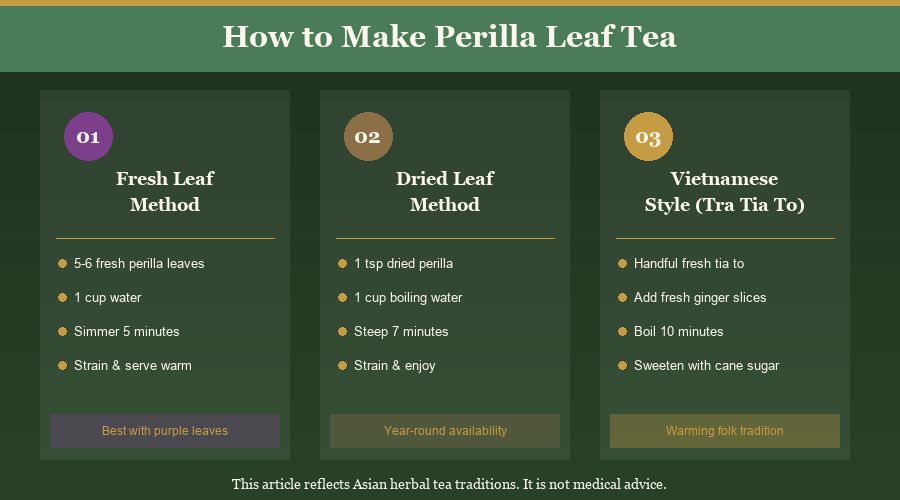
Three methods correspond to the three regional traditions described above, and all are accessible at home with commonly available ingredients.
Method 1: Fresh Leaf Method (Universal)
Take 5 to 6 fresh perilla leaves — purple or green, depending on availability. Rinse them gently. Place in a small pot with 1 cup (250ml) of water and bring to a gentle simmer. Simmer for 5 minutes, then strain and serve warm. This method captures the volatile aromatic compounds in fresh leaves and produces a lighter, more fragrant cup.
Method 2: Dried Leaf Method (Japanese-Style)
Use 1 teaspoon of dried perilla leaves — widely available as shiso or yukari in Japanese grocery stores. Place in a cup or teapot, pour boiling water over, and steep for 7 minutes. Strain and serve. Dried leaves concentrate the flavor and produce a deeper, more mineral-rich infusion than fresh leaves.
Method 3: Vietnamese Style (Trà Tía Tô with Ginger)
Take a generous handful of fresh or dried tía tô leaves. Add 2 to 3 thin slices of fresh ginger. Combine with 2 cups (500ml) of water in a small pot and bring to a boil, then reduce to a simmer for 10 minutes. Strain into a cup and sweeten to taste with brown sugar or raw cane sugar. This is the warming folk preparation traditionally prepared in Vietnamese households during cooler months. The ginger adds additional warmth and complexity to the flavour.
Individual responses to herbal teas vary considerably; experiment with steeping time and leaf quantity to find what works best for you.
Traditional Pairings Across Cultures
How tea is served reveals as much about a culture as what is in the cup. In Vietnam, tía tô tea is a companion to light congee or bánh cuốn (steamed rice rolls) — simple, warming foods that share the same comforting register as the tea itself. It may also be prepared and sipped independently as a morning or evening wellness drink.
In Japan, chilled akajiso juice has found a place alongside summer desserts — kakigori (shaved ice), wagashi (traditional sweets), and light seasonal snacks. Its vivid color and tartness provide counterpoint to sweet accompaniments. The visual drama of the color-changing preparation (adding citric acid to turn the liquid from purple to red) has also become part of its appeal as a shared kitchen ritual.
In Korea, kkaennip cha is most naturally paired with the aftermath of a gogi-gui (grilled meat) meal — the tea offering a quiet palate reset after the richness of grilled pork or beef. Perilla seed tea (deulkke cha) follows a similar pattern, valued for its mild, nutty warmth after a substantial meal.
What Early Research Suggests About Perilla
While these tea traditions predate modern research by many centuries, some contemporary science has begun to examine the compounds in perilla leaves. A 2004 randomized, double-blind, placebo-controlled clinical trial published in Experimental Biology and Medicine found that perilla extract enriched for rosmarinic acid (at 50mg and 200mg doses) was associated with significant improvement in seasonal allergic rhinoconjunctivitis symptoms compared to placebo, including reduced itchy nose, watery eyes, and nasal inflammatory cell counts. No adverse events were observed in the 29 participants over 21 days.
Additionally, a 2006 study in the Journal of Oleo Science by Sawabe et al. identified strong superoxide scavenging activity in red perilla leaf compounds, adding to the body of research around the antioxidant properties of this plant.
It is important to note that this research is preliminary and was conducted on extracts, not on tea infusions. The concentration of compounds in a home-brewed perilla tea is different from that of a standardized extract. This content does not suggest that drinking perilla tea will produce the same outcomes observed in these studies. Individual responses vary considerably, and these traditions are presented here as cultural tea practices, not as wellness interventions.
Important Considerations
A few practical notes for anyone exploring perilla leaf tea:
- Pregnancy: Vietnamese folk tradition notes caution for pregnant women with tía tô tea, particularly in large quantities. Consult a healthcare practitioner before use during pregnancy or breastfeeding.
- Medication interactions: As with many herbal plants, perilla contains compounds that could theoretically interact with blood-thinning or immune-modulating medications. Speak with a pharmacist or physician if you take regular medications.
- Individual sensitivity: Some individuals may find perilla's aroma or flavor strong or unusual on first encounter. Starting with smaller quantities and weaker steeping times is a reasonable approach.
- Quality variation: Fresh perilla leaves vary considerably in aroma strength depending on variety, season, and growing conditions. Dried commercial preparations may also differ from home-dried leaves.
- Children: Traditional folk recipes for children (such as the Vietnamese cough preparation) used very small doses. Consult a paediatrician before giving herbal teas to young children.
Frequently Asked Questions
What does perilla leaf tea taste like?
Perilla leaf tea has a complex, aromatic flavour that sits somewhere between mint, basil, and anise. Purple perilla (Vietnamese tía tô, Japanese akajiso) tends to taste earthier and slightly more floral, while green Korean kkaennip produces a brighter, more herbaceous cup. When ginger and brown sugar are added in the Vietnamese style, the overall character becomes warming and subtly sweet-spicy.
Is tía tô tea the same as shiso tea?
They come from the same species — Perilla frutescens — but the cultural tea traditions are distinct. Vietnamese tía tô tea is typically made with purple leaves, brewed with ginger and sugar, and served warm as a comfort drink. Japanese shiso tea (particularly akajiso) is often served chilled with citric acid added for tartness and color. The plant is the same; the preparation and occasion are very different.
Can I use any perilla variety for tea?
Yes. Both purple and green perilla leaves can be brewed as tea. Purple varieties (tía tô, akajiso) will produce a more deeply colored infusion; green varieties (aojiso, kkaennip) will produce a lighter cup. The flavor profile differs slightly between the two — purple tends earthier, green tends more herbaceous — but both make enjoyable teas. What is available to you locally may simply determine which variety you use.
How much perilla tea is traditionally prepared?
Traditional folk preparations are generally modest: 5 to 6 fresh leaves per cup, or 1 teaspoon of dried leaves. Vietnamese recipes typically make 2-cup batches with a handful of leaves, while Japanese akajiso juice recipes may prepare larger quantities during the pickling season. These are cultural quantities developed over time, not clinical doses. Individual preferences vary.
Where can I find perilla leaves for tea?
Fresh perilla is widely available at Asian grocery stores — look for it labelled as shiso (Japanese stores), kkaennip (Korean stores), or tía tô (Vietnamese stores). Dried perilla is sold in Japanese grocery stores as shiso leaf or in spice form as yukari (seasoned shiso). Seeds are available for home growing if you have a suitable garden — perilla grows readily in warm climates and is relatively easy to cultivate.
A Closing Note on These Traditions
Perilla leaf tea is not a single tradition — it is at least three, shaped over centuries by the particular food cultures, climates, and seasonal rhythms of Vietnam, Japan, and Korea. The Vietnamese warm-and-sweet version speaks to cold evenings and folk care. The Japanese chilled red shiso juice speaks to summer heat and the pleasures of pickling season. The Korean quiet digestive cup speaks to the end of a communal meal. In each culture, the same plant takes on a different character, a different colour, a different moment in the day.
Exploring these traditions at home — whether through a simple fresh-leaf steep or a fully elaborated Vietnamese-style brew with ginger — is a way of participating in living beverage cultures that predate modern wellness trends by centuries.
This article reflects Asian herbal tea traditions. It is not medical advice.
About This Article
Written by: Health Diary Editorial Team — researchers and writers focused on traditional Asian wellness practices and herbal tea culture.
Editorial review: This article has been reviewed by the Health Diary editorial team for clarity, structure, and adherence to our sourcing standards. Key claims were cross-checked against NCCIH, NIH PubMed, J-STAGE (Japan), and authoritative Vietnamese and Korean sources where applicable. It is not a clinical review and should not replace consultation with a licensed healthcare practitioner.
Reviewed on: June 16, 2026.
Editorial process: We cite peer-reviewed and government sources where possible. When a clinical reviewer is added to this article, attribution will appear here with verifiable credentials.
References
- Wang et al. (2025). "Comprehensive Review of Perilla frutescens: Chemical Composition, Pharmacological Mechanisms, and Industrial Applications in Food and Health Products." Foods (MDPI). https://pmc.ncbi.nlm.nih.gov/articles/PMC11988686/
- Takano H. et al. (2004). "Extract of Perilla frutescens enriched for rosmarinic acid inhibits seasonal allergic rhinoconjunctivitis in humans." Experimental Biology and Medicine. https://pubmed.ncbi.nlm.nih.gov/14988517/
- Saita E. et al. (2012). "Antioxidant Activities of Perilla frutescens against Low-Density Lipoprotein Oxidation in Vitro and in Human Subjects." Journal of Oleo Science, 61(3), 113–120. https://www.jstage.jst.go.jp/article/jos/61/3/61_3_113/_article
- Sawabe A. et al. (2006). "Toward Use of the Leaves of Perilla frutescens (red perilla) with Japanese Dietary Pickled Plum (Umeboshi)." Journal of Oleo Science, 55(8), 413. https://www.jstage.jst.go.jp/article/jos/55/8/55_8_413/_article
- Trung Tâm Thuốc Dân Tộc. "Tía tô: Công dụng, tác hại và cách dùng lá tía tô đúng." https://trungtamthuocdantoc.com/duoc-lieu/tia-to
- Nhà thuốc Long Châu. "Trà tía tô có tác dụng gì trong điều trị bệnh và chăm sóc sắc đẹp?" https://nhathuoclongchau.com.vn/bai-viet/tra-tia-to-co-tac-dung-gi-trong-dieu-tri-benh-va-cham-soc-sac-dep-69905.html
- WAWAZA. "Red Shiso Juice Recipe — A Japanese Summer Tradition." https://wawaza.com/blogs/refreshing-red-shiso-juice-recipe/
- Korea.net — Republic of Korea. "Kkaennip makes dining an appetizing and less smelly experience." https://www.korea.net/NewsFocus/Culture/view?articleId=172865