Spring Foods in Asia: Shoots, Wild Greens & Old Traditions
A tour of traditional spring foods across China, Japan, Korea, and Vietnam: tender shoots, bitter wild greens, sansai, namul, and mugwort dishes.
Medical Disclaimer: This content is for educational and informational purposes only and is not medical advice. The information presented is not intended to diagnose, treat, cure, or prevent any disease. Always consult a licensed healthcare practitioner before starting any new herbal practice or supplement. Statements regarding traditional herbal use have not been evaluated by the FDA.
Affiliate Disclosure: This article contains affiliate links. We may earn a commission if you purchase through these links, at no additional cost to you. We only recommend products we believe align with our editorial standards.
When the snow softens and the first green shoots push through cold soil, kitchens across Asia change almost overnight. The heavy, warming dishes of winter give way to something lighter: tender young leaves, curled fern tips, fragrant chives, and gently bitter wild herbs. From a market stall in Kyoto to a spring table in Hanoi, the same quiet instinct repeats — after months of stored food, people reach for the first fresh greens of the year.
These spring foods in Asia are not just whatever happens to be growing. Across China, Japan, Korea, and Vietnam, they sit inside centuries-old ideas about eating in tune with the season. This article walks through those traditional spring foods — the shoots, the bitter greens, the mugwort dumplings — and the shared logic behind them, alongside what modern nutrition research has begun to notice.
Why Spring Foods Look So Different Across Asia
For most of human history, early spring was a lean time. Autumn's harvest had dwindled, winter vegetables were nearly gone, and farmed crops had not yet matured. What was available were the wild plants that woke first — the tender buds and shoots on hillsides and field edges. In Japan, the custom of gathering these sansai (山菜, “mountain vegetables”) is thought to reach back to the Jomon period, when foraged greens filled the gap left by scarce winter produce.
A 2024 ethnobotanical review documented 268 wild food taxa recorded in Japan around the 1930s, with spring standing out as the primary harvesting season — many species were dried or pickled to carry households through the next winter (Osawa, 2024). That rhythm — forage the first greens, then preserve some for later — echoes from Korea to Vietnam. Spring food began as the food of renewal and necessity, and only later became the food of tradition.
What Does “Eating for Spring” Mean in Traditional Medicine?
In traditional Chinese thought, each season pairs with one of the Five Phases, and spring belongs to Wood — the phase of rising, expanding, outward-moving energy, associated with the Liver. Guidance from the Beijing Municipal Health Commission describes spring eating as favoring light, fresh, seasonal produce that matches this upward, generative quality, rather than the rich, heavy fare suited to winter (北京市卫生健康委员会, 2025).
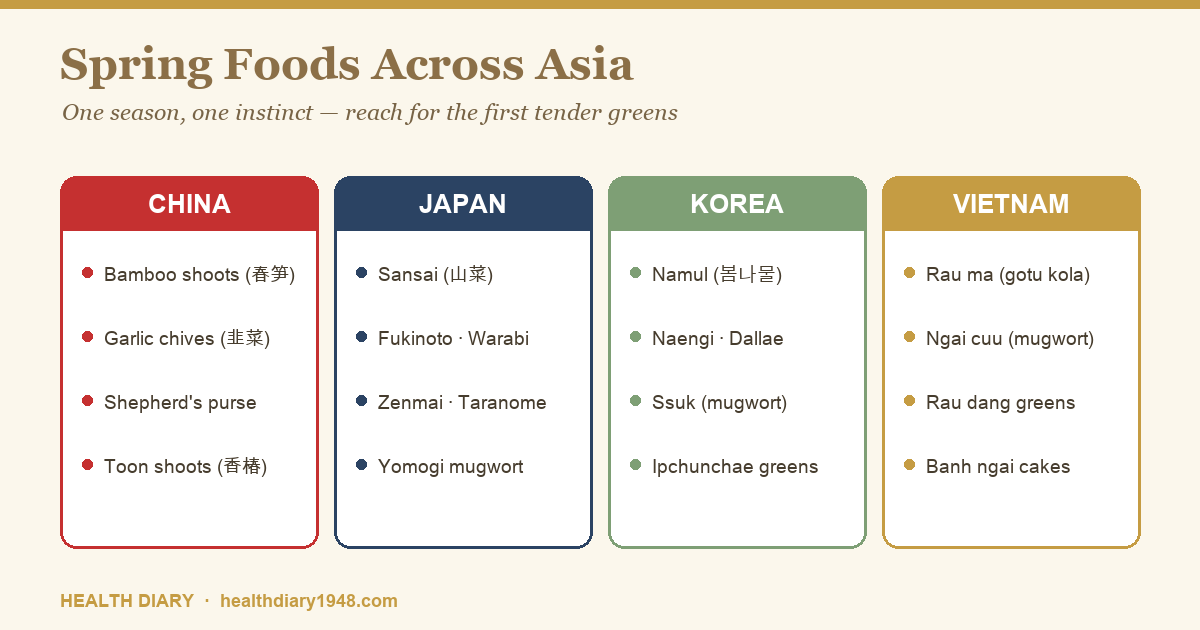
This is where the famous bitter and pungent flavors of spring come in. Garlic chives (韭菜) were praised by the Ming-era physician Li Shizhen as “the Liver's vegetable” (肝之菜) for their warming, aromatic character. Shepherd's purse (荠菜), bamboo shoots (春笋), and toon shoots (香椿) round out the classic Chinese spring table — all light, all seasonal, all traditionally tied to a fresh start after the density of winter. The point is less that any one vegetable does something dramatic, and more that the whole style of eating shifts with the season.
Vietnamese dưỡng sinh (nourishing-life) practice arrives at a strikingly similar place. The guiding spring principle is thanh đạm — light, mild, low in fat — leaning on cooling greens such as rau má (gotu kola), rau đắng, and mồng tơi, often simmered into simple clear soups (Sức khỏe Việt, 2025). Different plants, same instinct: lighten the plate as the world greens.
The Spring Greens and Shoots of East Asia
The pleasure of spring eating lies in its variety. Each tradition has its own cast of characters, yet they rhyme with one another surprisingly well.
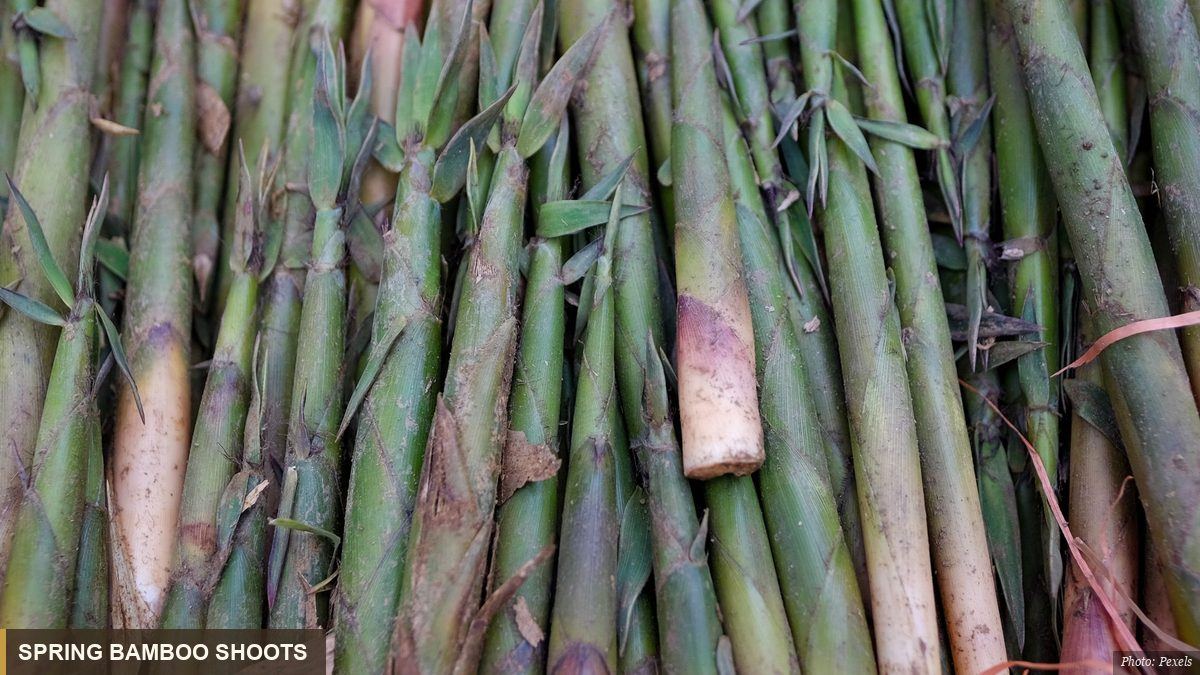
China celebrates the tender shoot. Spring bamboo shoots (春笋) are prized for their crisp sweetness and high fiber; shepherd's purse (荠菜) is folded into dumplings and wontons; garlic chives (韭菜) perfume stir-fries and pancakes; and the young red leaves of toon (香椿) are scrambled with egg for one of the season's most anticipated dishes.
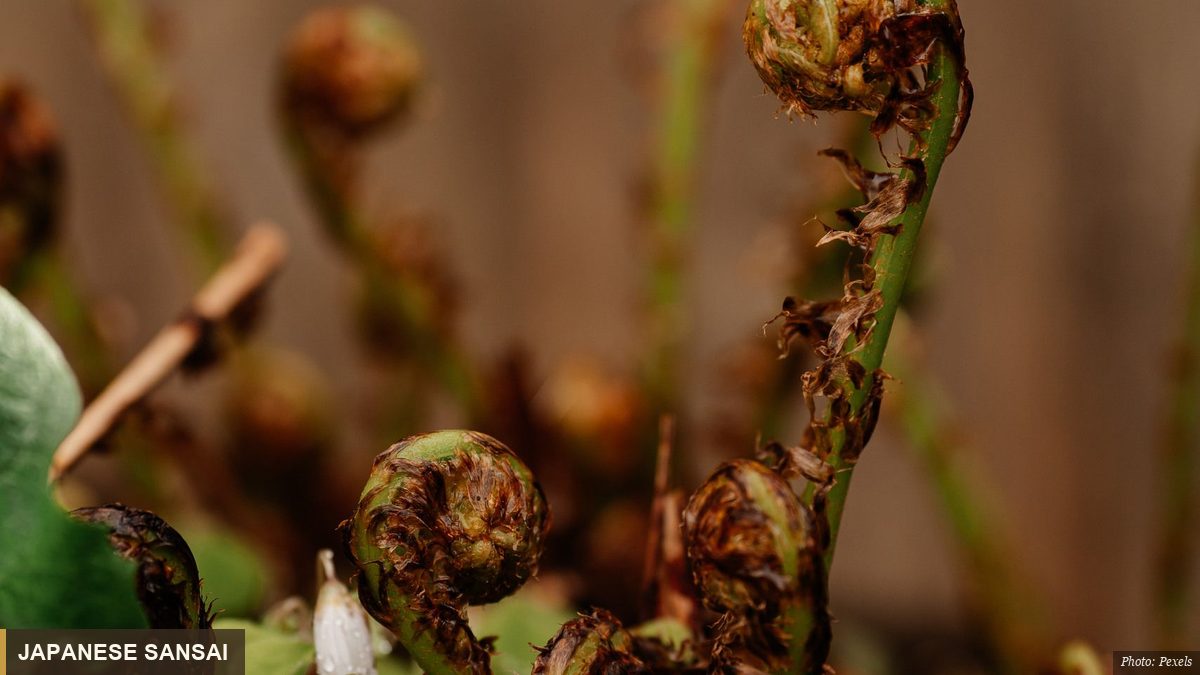
Japan leans into wildness. Its sansai arrive in a staggered parade as the snow retreats: fukinoto (butterbur buds, the first of the year), warabi (bracken fiddleheads), zenmai (royal fern), taranome (angelica-tree shoots), and udo. Many carry a signature bitterness the Japanese call egumi, prized rather than hidden — served as tempura, simmered as ohitashi, or blended into fuki-miso to spoon over rice (Musubi Kiln, 2024). Mugwort (yomogi) is pounded into vivid green kusa mochi dumplings.
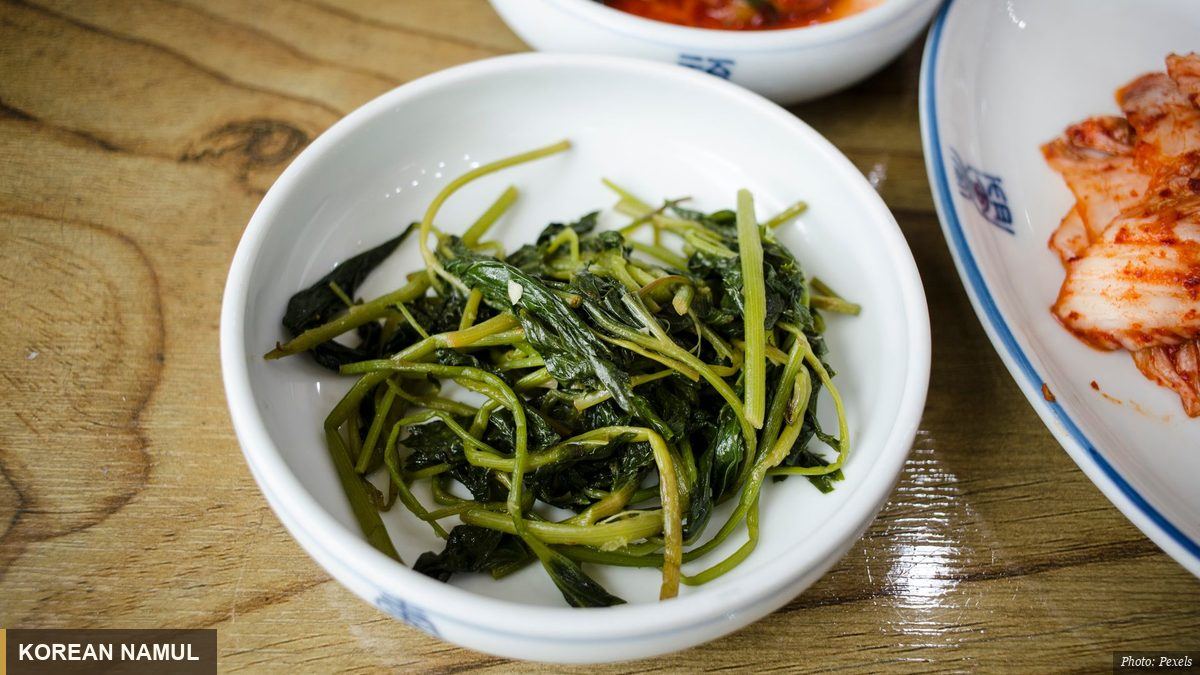
Korea gathers its namul. Three stand out as the spring trio: naengi (shepherd's purse), ssuk (mugwort), and dallae (wild chive). Korean sources describe these as a kind of “seasonal tonic” (제철 보약) traditionally eaten to shake off spring fatigue, or chungon-jeung (St. Carollo Hospital, 2024). The custom is old enough to have reached the royal court: ipchunchae, an assortment of spring greens, was once served to mark the start of spring.
Vietnam keeps things clear and cooling. Beyond rau má and rau đắng, mugwort (ngải cứu) appears in spring dishes and, in the northern uplands, in bánh ngải, a chewy green rice cake that mirrors Japan's kusa mochi and Korea's ssuk-tteok almost exactly — three cultures, one springtime idea of pounding mugwort into a sweet, tender dumpling.
What Does Modern Research Say About Spring Greens?
Modern nutrition is only beginning to examine these traditional foods, and the picture is still preliminary. Much of the interest centers on the compounds that give spring greens their color and their bite. Mugwort, one of the most widely eaten spring plants in the region, has drawn particular attention: a study of a Korean native variety found it relatively rich in total phenolic compounds, vitamin C, essential amino acids, and antioxidant (radical-scavenging) activity versus a common reference species (Lee et al., 2015).
More broadly, the bitter and pungent notes of spring greens come from plant defense compounds — polyphenols, glucosinolates, and volatile oils — the same families nutrition researchers study for their antioxidant behavior in the diet. A note of caution: promising laboratory findings are not the same as proven outcomes in people, and no single spring vegetable should be treated as a remedy. What the research gently reinforces is an old, sensible idea — that a varied plate of fresh, colorful, minimally processed greens is worth enjoying when the season offers it.
How Do People Enjoy Spring Foods Today?
The beauty of spring eating is how little it asks. Across Asia, preparations stay simple, letting the freshness speak.
- Korean namul-muchim: blanched greens tossed by hand with sesame oil, garlic, and a little soy or fermented soybean paste — naengi, ssuk, and dallae each get their own light dressing.
- Japanese sansai tempura and ohitashi: fern tips and butterbur buds fried in a thin batter, or briefly boiled and chilled with a splash of dashi.
- Chinese quick stir-fries: garlic chives with egg, or bamboo shoots simmered in a clear broth.
- Vietnamese canh: rau má or leafy greens dropped into a light, clear soup, eaten warm with rice.
- Green mugwort dumplings: kusa mochi, ssuk-tteok, and bánh ngải — mugwort pounded into glutinous rice for a soft, faintly grassy sweet.
One thread runs through nearly all of it: blanching. Many spring greens and wild shoots are briefly boiled before use, to soften their texture and mellow their bitterness. This is not only about taste — traditional Japanese practice also used ash-water soaking and rice-bran boiling to draw harsh substances out of wild greens, techniques the 2024 ethnobotanical review recorded hundreds of times (Osawa, 2024). Those old kitchen habits carry real wisdom, as the next section explains. Individual responses vary considerably; what suits one person may not suit another.
Important Limitations and Considerations
Traditional spring foods are generally gentle when handled well, but “wild” and “natural” do not automatically mean “safe to eat any way you like.” A few cautions matter.
- Bracken (warabi) must be cooked, never raw. Bracken fern contains ptaquiloside, a naturally occurring carcinogen. Studies on risk reduction show blanching in slightly alkaline water for about two minutes removes roughly 65%, and boiling for 20 minutes around 99% — yet no method removes it entirely, which is why cultures that eat bracken treat it as an occasional food, not a daily staple (Rasmussen et al., 2023). Follow traditional preparation and enjoy it in moderation.
- Foraging carries real risk. Several wild spring plants have toxic look-alikes. Unless you are with an experienced forager, buy your sansai and namul from a trusted market rather than gathering unknown greens yourself.
- Bitter and pungent greens are strong-flavored for a reason. People with sensitive digestion, kidney concerns (some greens are high in oxalates), or those on blood-thinning or other medications should introduce new spring greens gradually and check with a practitioner.
- Pregnancy and breastfeeding. Mugwort in particular has a long folk association with pregnancy and is best discussed with a doctor before being eaten in concentrated amounts; culinary quantities in a dumpling differ from potent preparations, but caution is wise.
- Allergies. Wild greens, ferns, and members of the aster and allium families can trigger sensitivities in some individuals.
- Individual response varies. Age, constitution, existing conditions, and medications all shape how a food sits with you. Anyone with a health condition should speak with a licensed healthcare practitioner before making meaningful changes to their diet.
Frequently Asked Questions
What are the most common spring foods in Asian traditions?
Across the region the stars are tender shoots and young greens: bamboo shoots, garlic chives, and shepherd's purse in China; sansai such as butterbur buds and bracken in Japan; namul like mugwort and wild chive in Korea; and cooling greens such as rau má and mugwort in Vietnam. Many share a gently bitter or pungent character prized in early spring.
Why are so many spring vegetables bitter?
Young plants produce protective compounds — polyphenols, oils, and other phytochemicals — while their shoots are tender, and these give spring greens their bitterness. In several Asian traditions this bitterness is welcomed as a sign of freshness rather than something to mask, and brief blanching mellows it for most palates.
Are wild spring greens like sansai safe to eat?
Many are, when properly identified and prepared. The important exceptions are plants like bracken fern (warabi), which must always be cooked using traditional blanching methods and eaten in moderation because it contains a naturally occurring carcinogen. Buy from trusted sources rather than foraging unfamiliar plants, and when in doubt, ask a practitioner or experienced local cook.
What does “eating for spring” actually mean?
In traditional East Asian thinking, spring is the season of rising, expansive energy associated with the Liver and the Wood phase. Eating for spring generally means lightening the plate — more fresh greens and shoots, less heavy and rich food — to match the season. Vietnamese dưỡng sinh practice frames the same idea as thanh đạm, or light and mild eating.
A Gentle Note on Noticing the Seasons
Part of what makes spring eating meaningful is simply paying attention — noticing when the first shoots appear, how your appetite shifts, and which foods feel right as the light lengthens. That awareness is easy to lose when every vegetable is available year-round. Keeping a simple record of what you eat and how you feel through the seasons can make these rhythms visible again. Health Diary is built around exactly that gentle habit of noticing.
A Soft Closing Note
The spring tables of China, Japan, Korea, and Vietnam were never about any single miracle food. They reflect a shared, very human response to the return of green: after a long winter, we reach for what is fresh and alive. You can explore these traditions one dish at a time — a bowl of namul, a plate of sansai tempura, a green mugwort dumpling. Whatever you try, listen to your own body, mind the sensible cautions above, and enjoy spring's brief, bright harvest while it lasts.
About This Article
Written by: Health Diary Editorial Team — a group of writers and researchers focused on traditional Asian wellness, food culture, and responsible, well-sourced health content.
Editorial review: This article has been reviewed by the Health Diary editorial team for clarity, structure, and adherence to our sourcing standards. Key claims were cross-checked against NCCIH, NIH PubMed, and LiverTox where applicable. It is not a clinical review and should not replace consultation with a licensed healthcare practitioner.
Reviewed on: July 18, 2026.
Editorial process: We cite peer-reviewed and government sources where possible. When a clinical reviewer is added to this article, attribution will appear here with verifiable credentials.
References
- Osawa, Y. (2024). Ethnobotanical review of traditional use of wild food plants in Japan. Journal of Ethnobiology and Ethnomedicine. https://pmc.ncbi.nlm.nih.gov/articles/PMC11580399/
- Lee, J. et al. (2015). Characterization of Nutritional Composition, Antioxidative Capacity, and Sensory Attributes of Seomae Mugwort (Artemisia argyi). https://pmc.ncbi.nlm.nih.gov/articles/PMC4621344/
- Rasmussen, L. H. et al. (2023). Risk Assessment and Risk Reduction of Ptaquiloside in Bracken Fern. Toxins. https://www.ncbi.nlm.nih.gov/pmc/articles/PMC9959108/
- Beijing Municipal Health Commission (北京市卫生健康委员会). (2025). 中医春季养生——饮食、起居、运动全攻略 (TCM spring wellness guide). beijing.gov.cn
- St. Carollo Hospital (성가롤로병원). (2024). 봄나물 3대장 '냉이·쑥·달래'의 숨겨진 효능 (Spring greens: shepherd's purse, mugwort, wild chive). stcarollo.or.kr
- Sức khỏe Việt. (2025). Ẩm thực dưỡng sinh mùa xuân: Nuôi dưỡng cơ thể từ những món ăn thanh đạm. suckhoeviet.org.vn
- Musubi Kiln. (2024). The Wild Taste of Spring: Japan's Bitter Mountain Vegetables. musubikiln.com