Traditional Hydration Practices Across Asia: Drinks to Stay Refreshed
Explore traditional hydration practices across Asia — Korean barley tea, Vietnamese nuoc sam, Chinese cooling teas, warm-water sipping, and the TCM idea of body fluids.
Medical Disclaimer: This content is for educational and informational purposes only and is not medical advice. The information presented is not intended to diagnose, treat, cure, or prevent any disease. Always consult a licensed healthcare practitioner before changing how you hydrate, especially if you have a medical condition. Statements regarding traditional hydration customs have not been evaluated by the FDA.
Affiliate Disclosure: This article contains affiliate links. We may earn a commission if you purchase through these links, at no additional cost to you. We only recommend products we believe align with our editorial standards.
When the summer air turns heavy across Asia, people reach for something to sip — a chilled jug of roasted-barley water on a Korean table, a warm cup of light tea in a Chinese household, or a tall glass of cooling herbal brew from a Vietnamese street cart. These drinks look different from region to region, yet they share a quiet purpose that stretches back centuries: helping the body feel refreshed when the heat draws moisture out of it.
This article explores traditional hydration practices across Asia — from sipping warm water to the cooling teas, root brews, and hydrating soups that have long accompanied hot days. Rather than treating any single drink as superior, it looks at the shared thinking behind these customs and sets it alongside what modern hydration science has begun to describe.
Why Hot-Weather Hydration Became a Tradition Across Asia
Much of Asia experiences long, humid summers where perspiration is constant. Losing fluid through sweat is a normal way the body cools itself, and cultures living in these climates developed everyday rituals around replacing what the heat carried away. These traditions were rarely just about water — they folded flavor, hospitality, and seasonal rhythm into the simple act of drinking, so that hydration became woven into daily life rather than treated as a chore.
Mainstream health guidance echoes part of this wisdom. According to the U.S. Centers for Disease Control and Prevention, fluid needs vary from person to person depending on age, sex, activity level, and whether someone is pregnant or breastfeeding, and much of our daily fluid can come from foods and beverages — including water-rich fruits, vegetables, and soups — not water alone. Traditional Asian kitchens reached a similar conclusion through generations of observation.
What Does "Body Fluids" (Jinye) Mean in Traditional Chinese Thinking?
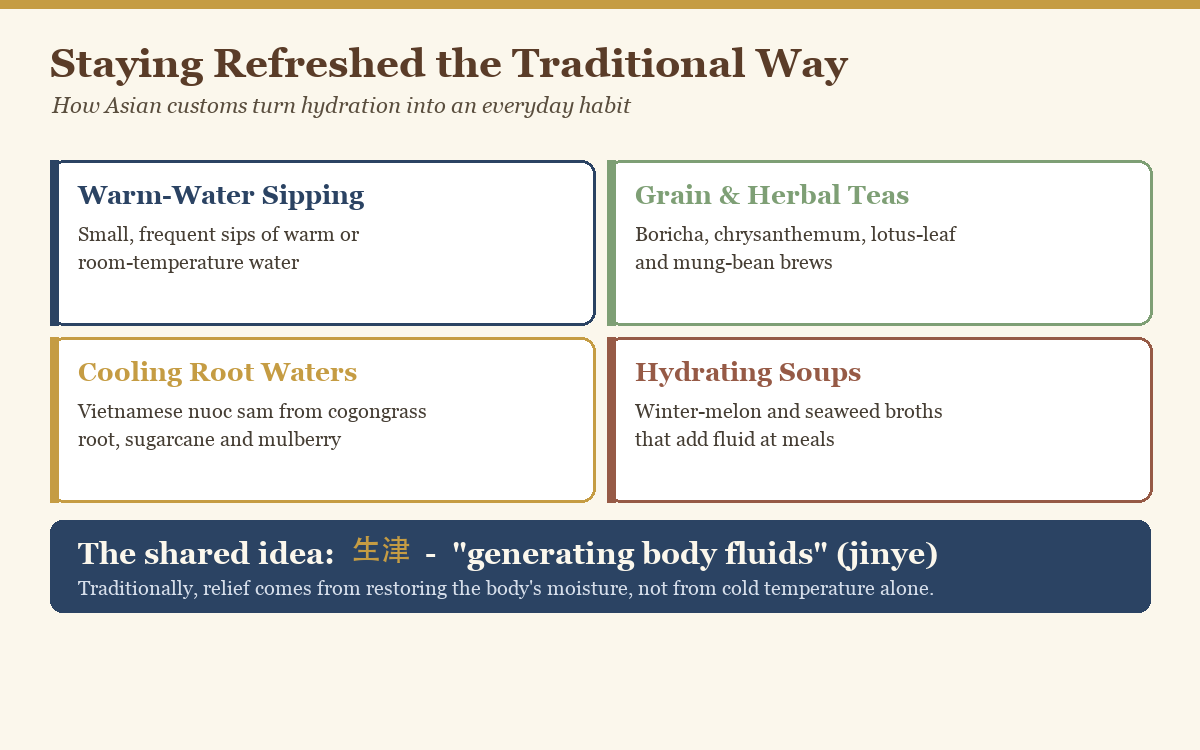
To understand these customs, it helps to know the traditional concept behind them. In Traditional Chinese Medicine, the body's normal moisture is described collectively as jinye (津液), often translated as "body fluids." In traditional teaching, jin refers to the thinner fluids such as sweat, tears, and saliva, while ye describes the denser fluids that moisten joints and organs. These fluids are considered Yin in character — cooling, moistening, and nourishing.
In the traditional summer picture, heat and heavy sweating are thought to draw down this reservoir of body fluids, which is why folk practice watches for thirst, dry mouth, and dark or scanty urine as signs the body needs replenishing. Chinese-language wellness writing, including material published by the China Traditional Chinese Medicine News, frames real summer relief not as a matter of cold temperature but of sheng jin (生津) — "generating fluids" — favoring drinks that feel restoring rather than merely icy. This is a cultural framework, not a clinical diagnosis, but it offers a useful lens for why many traditional drinks were made gently flavorful and easy to keep sipping.
Why Do Many Asian Traditions Favor Warm Water Over Iced Drinks?
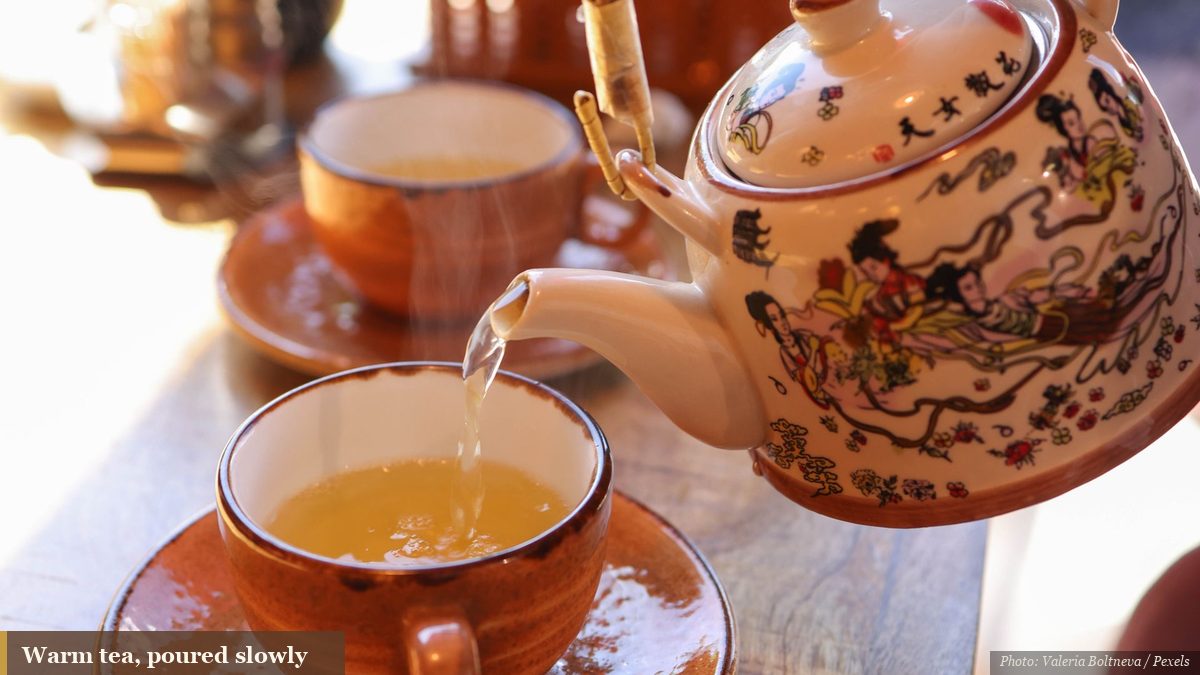
One striking feature of traditional Asian hydration is the preference, in several cultures, for warm or room-temperature water over ice-cold drinks — even in summer. In Chinese households it is common to see a thermos of hot water on the table year-round, and TCM-influenced advice often suggests sipping warm water in small, frequent amounts rather than gulping cold liquid. The traditional reasoning is that very cold drinks are thought to strain the digestive "fire," while warm water is considered gentler and easier for the body to accept.
Whether or not one adopts that framework, the habit it encourages — steady, unhurried sipping through the day rather than occasional large cold drinks — is a reasonable everyday approach to staying comfortable. Warm herbal brews and grain teas fit this pattern naturally, since they are pleasant to nurse slowly.
Traditional Hydrating Drinks Across Asia
Across East and Southeast Asia, families brewed a remarkable variety of everyday drinks to stay refreshed in the heat. A few of the best known include:
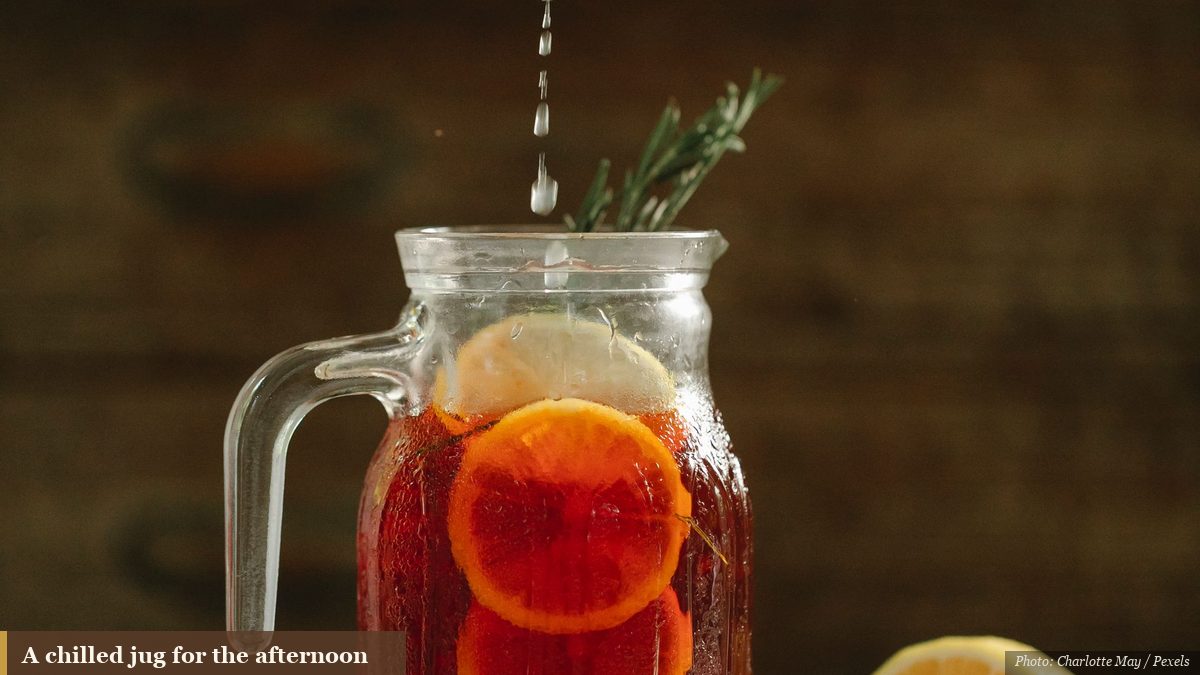
- Korean roasted-barley tea (boricha, 보리차) — Roasted barley grains steeped in water make a naturally caffeine-free drink with a toasty, mildly nutty flavor. In many Korean homes it quietly replaces plain water on the table: served hot in winter and, famously, as a chilled jug in summer. Its gentle taste encourages people to keep drinking.
- Vietnamese cooling water (nước sâm / nước mát) — A fragrant, naturally sweet brew simmered from ingredients such as cogongrass root (rễ tranh), sugarcane (mía lau), prunella (hạ khô thảo), and mulberry leaf. Sold from street carts and made at home, it is traditionally enjoyed to feel cool and refreshed on sweltering days.
- Chinese light summer teas and mung-bean broth — Chinese kitchens favor gentle brews such as chrysanthemum tea, lotus-leaf tea, and cooled mung-bean soup. Southern China is also home to liang cha (凉茶), literally "cooling tea," long associated with hot, humid weather.
- Grass jelly and agar drinks (sương sâm, sương sáo) — Across Vietnam and southern China, soft herbal jellies are served in sweetened iced water as a spoonable refreshment during the hottest part of the year.
- Salted plum and sour-fruit drinks — Lightly salted or soured plum beverages are commonly enjoyed on hot days for their thirst-quenching tang. Because they carry a little salt, tradition treats them as small, occasional refreshers rather than something to drink in large volume.
- Hydrating soups and broths — Light soups made with winter melon, gourd, or seaweed do double duty: they add flavor to a meal while contributing fluid, echoing the modern point that food can be a real source of daily hydration.
Regional ingredients differ, but the instinct is remarkably consistent: make hydration pleasant, keep it within reach, and match it to the season.
What Does Modern Research Say About Drinks and Hydration?
Contemporary hydration science offers an interesting parallel. Researchers have developed the Beverage Hydration Index, a way of comparing how well different drinks maintain body fluid levels relative to plain water. In work published in the journal Nutrients, adding electrolytes alone gave a modest increase in fluid retention that varied widely between individuals, while combining electrolytes with carbohydrate produced a clearer effect. The broad takeaway is that many beverages hold onto fluid at least as well as water — consistent with the traditional habit of hydrating through lightly flavored teas and brews rather than water only.
Research also underlines how individual hydration can be. A randomized trial comparing fluid and electrolyte responses to different beverages in younger and older men found that the body handles drinks differently depending on their composition and a person's age — there is no single "best" drink for everyone. To be clear about what this evidence does and does not say: these studies describe fluid retention in general terms, not claims that any traditional drink can address a medical condition. They simply suggest flavorful, mostly unsweetened beverages can be a practical part of staying refreshed for many people.
How Do People Weave These Hydration Traditions Into a Hot Day?
In practice, these customs blend into a comfortable daily rhythm rather than a strict regimen. Someone might start the morning with a cup of warm water or light tea, keep a cooled jug of barley tea or herbal brew nearby through the afternoon, and round out meals with a water-rich soup. The common thread is frequent, modest sips of something pleasant, chosen to match the weather.
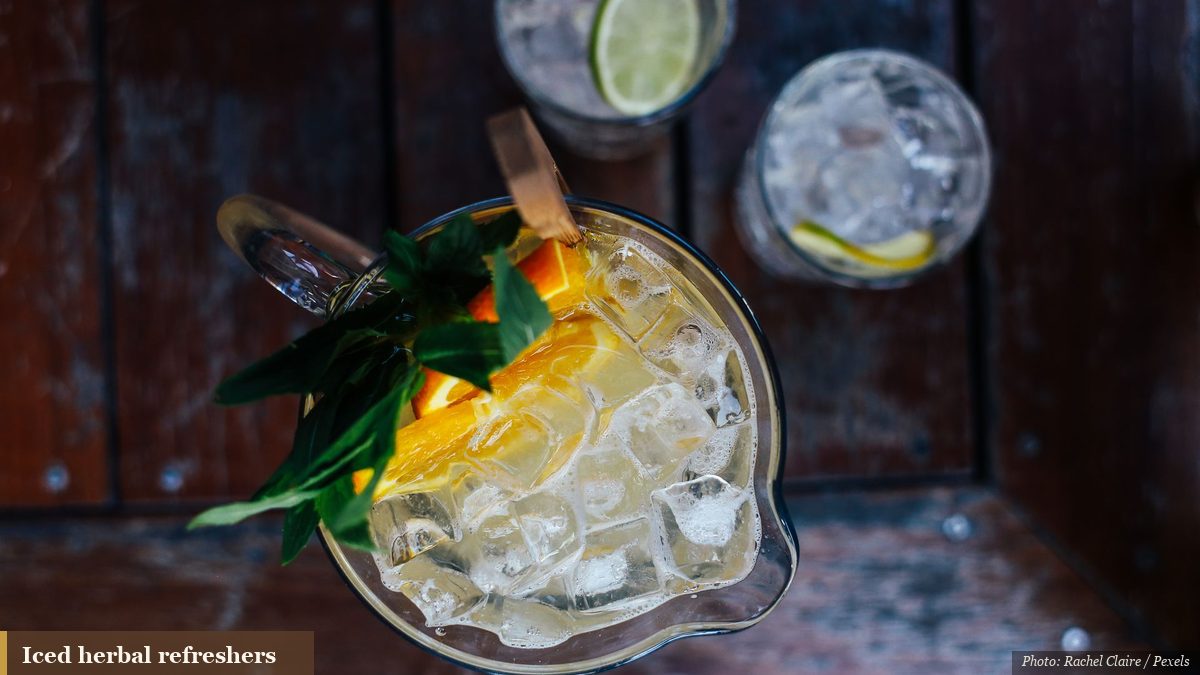
Many families lean toward mostly unsweetened versions, treating saltier or sourer beverages as occasional treats. Some prefer their drinks warm, others chilled — there is no single "correct" temperature or recipe. A gentle way to begin is to keep a pleasant, mostly unsweetened drink within reach and sip it steadily rather than waiting until you feel very thirsty. Individual responses vary considerably; what works well for one person may not suit another, and personal experimentation under practitioner guidance is always recommended.
Important Limitations and Considerations
Traditional hydration drinks are enjoyable everyday customs, but they are not a substitute for medical care, and a few cautions matter.
- Signs of serious dehydration need medical attention. Dizziness, confusion, a rapid heartbeat, very dark urine or little urination, sunken eyes, or fainting can indicate significant dehydration. These are not situations for a home remedy — seek prompt medical care, particularly for infants, young children, and older adults, who can become dehydrated quickly.
- Kidney, heart, and fluid-restriction conditions. People with kidney disease, heart failure, or any condition requiring limited fluids should talk with their doctor about how much and what to drink; general "drink more" advice may not apply to everyone.
- "Cooling" drinks are not for everyone. In traditional thinking, many cooling brews are considered "cold in nature." Native-language sources note that people with weak digestion may find them best avoided on an empty stomach, and traditional caution is often advised during pregnancy.
- Watch the sugar and salt. Many street or packaged versions are sweetened, and salted-plum beverages carry sodium — so mostly unsweetened versions in modest amounts are the gentler choice.
- Medications and existing conditions. Some herbal ingredients can interact with medications or may not suit certain conditions. If you take prescription medicine or have a chronic condition, ask a healthcare professional before making an herbal drink a daily habit.
- Quality and preparation vary. Homemade and commercial brews differ widely in strength, sweetness, and ingredients, so what is true of one version may not hold for another.
Individual experiences vary considerably, and none of these traditional drinks should replace guidance from a qualified clinician for anyone who is unwell.
Frequently Asked Questions
Can I drink barley tea or herbal cooling drinks every day?
Many people in Korea, China, and Vietnam enjoy mild drinks like roasted-barley tea daily as an everyday, mostly unsweetened beverage. That said, individual responses vary, and sweetened or salted versions are better treated as occasional. If you have a medical condition or take medication, check with a healthcare practitioner before making any herbal drink a daily routine.
Is warm water really better than cold water for hydration?
From a hydration standpoint, both warm and cold water can help you stay refreshed, and mainstream guidance does not favor one temperature. The traditional Asian preference for warm water is a cultural and comfort choice; its main practical benefit is that it encourages steady, unhurried sipping. Choose whichever temperature helps you drink consistently.
Do these traditional drinks hydrate as well as plain water?
Research using the Beverage Hydration Index suggests many beverages retain fluid at least as well as plain water, and lightly flavored drinks can encourage people to drink more. Plain water remains an excellent, calorie-free option, so mostly unsweetened traditional drinks are best seen as pleasant additions rather than replacements.
Are cooling herbal waters safe during pregnancy?
Traditional caution is often advised, because several cooling herbal ingredients are considered "cold in nature" and their effects during pregnancy are not well studied. Pregnant and breastfeeding individuals should speak with their doctor or midwife before drinking herbal brews such as nước sâm or strong cooling teas.
What does nước sâm taste like, and what is it made from?
Vietnamese nước sâm (also called nước mát) is a fragrant, naturally sweet herbal water simmered from ingredients such as cogongrass root, sugarcane, prunella, and mulberry leaf. It has a light, grassy-sweet flavor and is traditionally enjoyed chilled on hot days. Recipes vary by household and vendor.
A Gentle Way to Notice Your Own Hydration
One quiet lesson in these traditions is attentiveness — noticing thirst, the weather, and how your body feels rather than following a rigid rule. Keeping a simple note of how you feel across a hot day and which drinks you reached for can help you learn your own patterns over time. This is the kind of everyday, non-clinical noticing that Health Diary is designed to make easier — you can learn more about using a wellness journal so any traditions you explore fit your personal rhythm.
A Soft Closing Note
Traditional hydration customs across Asia are, at heart, pleasant, time-tested ways to stay refreshed when the weather turns hot. From a warm cup sipped slowly to a chilled jug of barley tea, they share a gentle wisdom: make hydration enjoyable, keep it close, and pay attention to your own body. Some people explore options like brewing their own barley tea or a light herbal water, while others simply carry the spirit of frequent, modest sips into their day. Whichever path appeals to you, treat these customs as a friendly complement to good hydration habits — and let a qualified practitioner guide any decisions that touch on your health.
About This Article
Written by: Health Diary Editorial Team — a group of writers with backgrounds in cultural wellness, food history, and traditional health practices from across Asia.
Editorial review: This article has been reviewed by the Health Diary editorial team for clarity, structure, and adherence to our sourcing standards. Key claims were cross-checked against the CDC, NIH PubMed / PubMed Central, and peer-reviewed nutrition journals where applicable. It is not a clinical review and should not replace consultation with a licensed healthcare practitioner.
Reviewed on: July 15, 2026.
Editorial process: We cite peer-reviewed and government sources where possible. When a clinical reviewer is added to this article, attribution will appear here with verifiable credentials.
References
- Millard-Stafford, M., et al. (2021). The Beverage Hydration Index: Influence of Electrolytes, Carbohydrate and Protein. Nutrients, 13(9), 2933. https://pmc.ncbi.nlm.nih.gov/articles/PMC8465972/
- Fluid and electrolyte balance responses following ingestion of different beverages in young and older men: a randomised trial. (2023). European Journal of Nutrition (PMC). https://pmc.ncbi.nlm.nih.gov/articles/PMC10492686/
- Centers for Disease Control and Prevention. About Water and Healthier Drinks. https://www.cdc.gov/healthy-weight-growth/water-healthy-drinks/index.html
- Me & Qi. Jin Ye (Body Fluids) — Vital Substance in Traditional Chinese Medicine. https://www.meandqi.com/knowledge-base/concepts/jin-ye-body-fluids
- 中国中医药报 (China Traditional Chinese Medicine News). (2026). 炎炎夏日,壶中自有养生方. https://www.cntcm.com.cn/content/202607/03/c503783.html
- Tuổi Trẻ Online. (2026). Nước sâm giúp thanh nhiệt, giải độc ngày nắng oi bức nhưng "tối kỵ" với ai? https://tuoitre.vn/nuoc-sam-giup-thanh-nhiet-giai-doc-ngay-nang-oi-buc-nhung-toi-ky-voi-ai-2026040816590236.htm
- My Korean Kitchen. Korean Barley Tea (Boricha). https://mykoreankitchen.com/korean-barley-tea-boricha/
This article explores traditional cultural approaches to hydration. It is not medical advice.