Traditional Longevity Foods of Asia: Ancient Wisdom for Healthy Aging
Explore the traditional longevity foods of Japan, China, Korea, and Vietnam — cultural food wisdom that has supported healthy aging for centuries across Asia.
Medical Disclaimer: This content is for educational and informational purposes only and is not medical advice. The information presented is not intended to diagnose, treat, cure, or prevent any disease. Always consult a licensed healthcare practitioner before starting any new dietary practice or supplement. Statements regarding traditional food use have not been evaluated by the FDA.
Affiliate Disclosure: This article contains affiliate links. We may earn a commission if you purchase through these links, at no additional cost to you. We only recommend products we believe align with our editorial standards.
Across Asia, communities have long looked to their local kitchens as the first source of vitality and healthy aging. From the longevity villages of Okinawa, Japan, to the fermentation-rich households of Korea, and the plant-forward traditions of China and Vietnam, a remarkable convergence of dietary wisdom has shaped some of the world's healthiest and longest-lived populations. Modern researchers studying Blue Zones — regions where people regularly live past 100 — have found that these traditional Asian food cultures share striking commonalities that may help explain their populations' remarkable health outcomes.
This article explores the traditional longevity foods of four Asian cultures: Japan, China, Korea, and Vietnam. Drawing on historical food traditions and contemporary nutritional research, we look at how these time-honored ingredients have been woven into daily life — and what researchers are beginning to understand about why they matter.
Japan: Foods from the Okinawa Tradition
The Ryukyu Islands of Japan — particularly Okinawa — became internationally known in the late twentieth century when researchers documented that their inhabitants had some of the longest life expectancies and lowest disability rates in the world. A landmark study published in the Asia Pacific Journal of Clinical Nutrition by H. Sho described the dietary foundation of Okinawan longevity as rooted in sweet potatoes, plant-based foods, soy products, seaweed, and a philosophy that "food is medicine".
Key foods in the Okinawan tradition include:
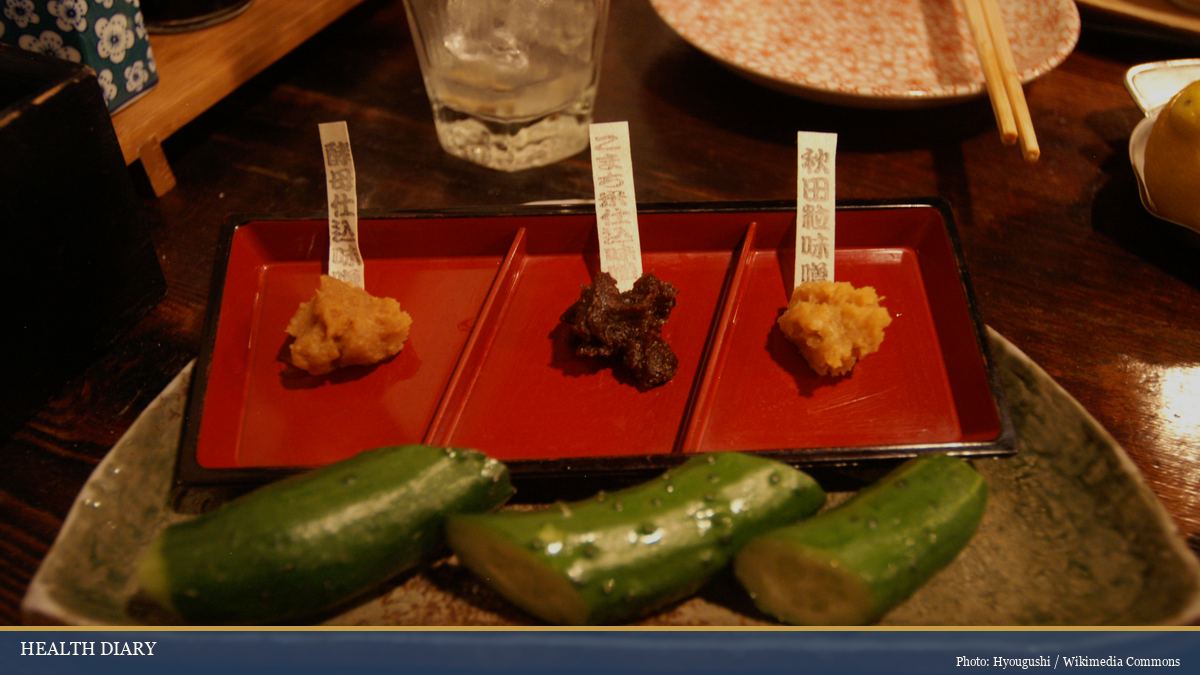
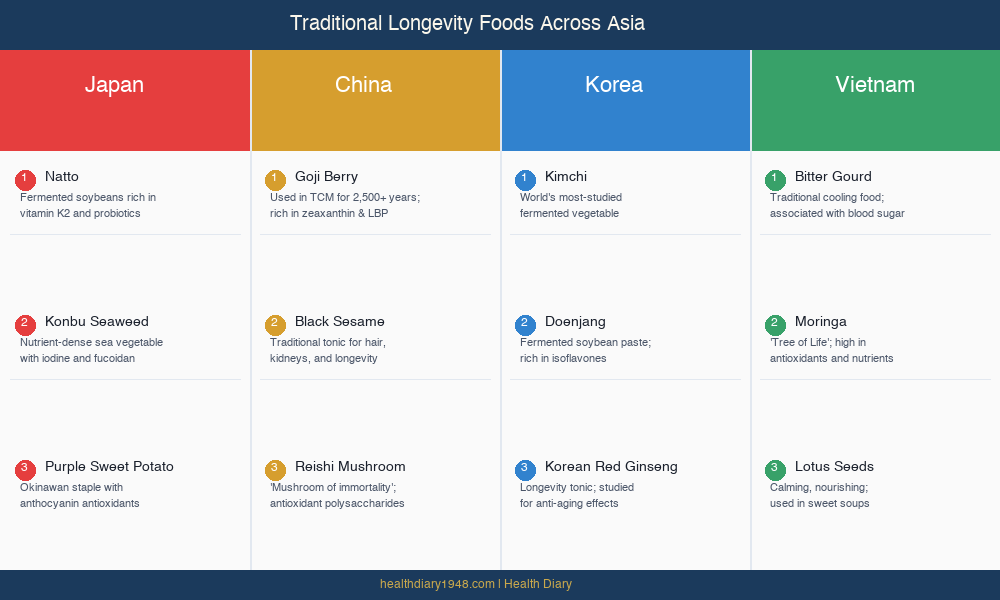
- Natto: Fermented soybeans with a distinctive flavor and sticky texture, natto has been a daily staple in many Japanese households for centuries. Rich in vitamin K2, probiotics, and nattokinase, it occupies a central place in traditional Japanese wellness practice.
- Konbu and seaweed: Okinawans historically consumed a wide variety of sea vegetables, including konbu kelp. These marine foods are nutrient-dense, low in caloric density, and provide iodine, folate, calcium, and carotenoids. Research published in PMC notes that some seaweeds have been studied as potential caloric restriction mimetics — compounds that may mimic some effects of reduced calorie intake.
- Purple sweet potato (murasaki imo): Rather than white rice, sweet potato — particularly the vivid purple variety grown in Okinawa — provided the bulk of calories in the traditional diet. These tubers are rich in anthocyanin antioxidants, fiber, and have a relatively low glycemic load.
- Bitter melon (goya): A beloved vegetable in Okinawan cooking, bitter melon (Momordica charantia) has a long history of traditional use in East and Southeast Asia. Research from PMC has explored its relationship with metabolic health, particularly blood sugar balance.
- Soy-based foods: Beyond natto, the Okinawan tradition embraces miso, tofu, and edamame as everyday protein sources — consistent with a plant-forward dietary philosophy associated with longevity outcomes.
A follow-up study by Miyagi and colleagues, published in the Asia Pacific Journal of Public Health, noted that as Okinawa's diet shifted toward Western patterns in the 1980s and 1990s, with increased meat and fat consumption, the region's longevity advantage began to decline — suggesting that the traditional food pattern, not genetics alone, played a meaningful role.
What Are Traditional Chinese Longevity Foods?
In China, the relationship between food and healthy aging is inseparable from centuries of traditional wellness philosophy. Classical texts like the Bencao Gangmu (Compendium of Materia Medica, compiled by Li Shizhen, 1578) catalogued hundreds of foods and plants according to their effects on vitality, qi (vital energy), and longevity. Many of these ingredients remain in widespread daily use today.
- Goji berry (Gou Qi Zi): Perhaps the most internationally recognized Chinese longevity food, goji berries have been historically associated with supporting the liver, kidneys, and eyes, and promoting longevity — with documented use spanning more than 2,500 years in the classical Chinese wellness tradition. A comprehensive review published in Avicenna Journal of Phytomedicine found that goji's bioactive polysaccharides (Lycium Barbarum Polysaccharides, or LBP) demonstrate antioxidant and anti-aging properties in laboratory settings. A more recent review in the International Journal of Food Science and Technology confirms that human trials have begun to support benefits for immune function, metabolic health, and subjective well-being.
- Black sesame (Hei Zhi Ma): Black sesame seeds hold a revered place in TCM as a tonic for the kidneys and liver, traditionally associated with supporting hair health, bone strength, and longevity. They are typically consumed as sesame paste, congee additions, or ground into soups during cooler months.
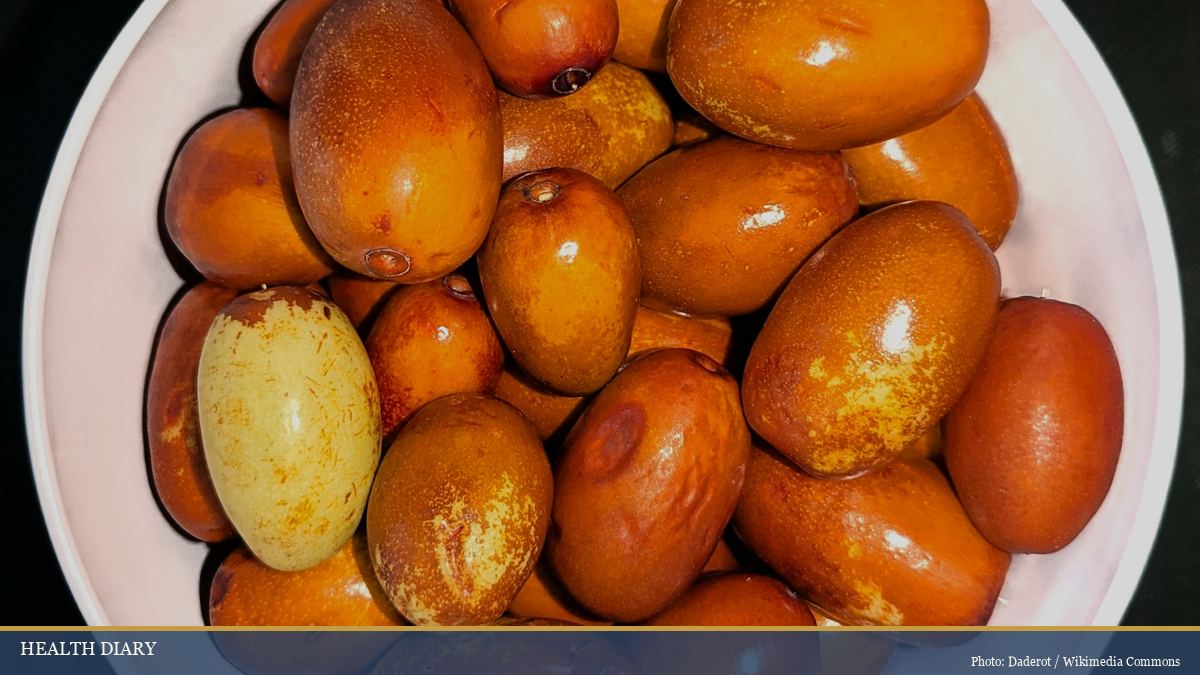
- Jujube (red date, Hong Zao): Dried jujube dates have been central to Chinese nourishing soups and teas for millennia, traditionally valued for supporting blood, qi, and calm energy. They provide natural sweetness, vitamins, and polyphenols.
- Reishi mushroom (Ling Zhi): Known historically as the "mushroom of immortality," reishi has occupied a near-mythic status in Chinese wellness traditions. Modern research has identified polysaccharides and triterpenoids in reishi as having antioxidant and immune-modulating properties, though clinical trials in humans remain an ongoing area of investigation.
- Walnuts (He Tao): Traditional Chinese wellness long associated walnuts with brain and kidney support. Modern nutrition science recognizes their omega-3 fatty acid content and antioxidant properties as relevant to cardiovascular and cognitive health.
Individual responses to these foods vary considerably. What nourishes one person deeply may not suit another's constitution or health situation, and traditional Chinese wellness practitioners have always emphasized personalized, seasonal dietary recommendations rather than universal prescriptions.
Korea: Fermented Foods and Longevity
Korean food culture is perhaps most distinctively characterized by its sophisticated fermentation traditions — a craft that has been practiced for thousands of years, not simply as a preservation technique but as a means of enhancing nutritional quality and supporting the body's innate wellness.
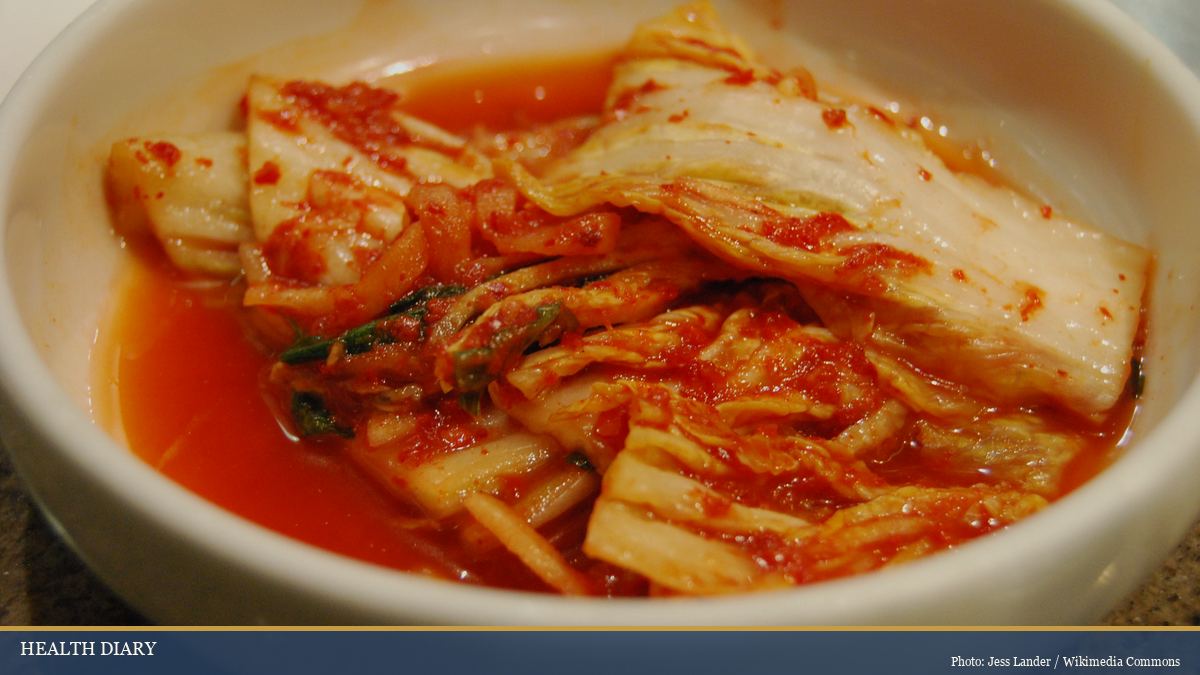
- Kimchi: The most internationally recognized Korean fermented food, kimchi is a complex preparation of fermented vegetables — most commonly napa cabbage and radish — with garlic, ginger, and Korean chili. A comprehensive review published in Frontiers in Microbiology by Patra and colleagues (2016) describes kimchi as possessing "anti-inflammatory, antibacterial, antioxidant, anticancer, antiobesity, probiotic properties" and notes its positive effects on cholesterol and biological aging markers. With over 200 published scientific papers examining its properties, kimchi is among the most studied fermented vegetables in the world.
- Doenjang (fermented soybean paste): Korea's deeply savory fermented soybean paste is a cornerstone of daily cooking. Rich in isoflavones, beneficial microorganisms, and natural glutamates, doenjang has been consumed for generations in soups, stews, and dipping sauces. Research published in PMC has explored links between fermented soy product intake and lower hypertension risk in older Korean adults.
- Korean Red Ginseng (Panax ginseng C.A. Meyer): One of the most extensively researched plants in the global botanical tradition, Korean Red Ginseng is a steam-processed form of Panax ginseng that has been cultivated and used as a longevity tonic in Korea for over 2,000 years. A 2019 study published in Aging (Lee et al.) demonstrated that Korean Red Ginseng extended lifespan in a Drosophila model through mechanisms involving the dSir2 longevity pathway and reduced insulin/IGF-1 signaling — biological pathways associated with aging across species. A separate study published in Molecules (PMC7181072) found that Korean Red Ginseng modulated aging-related gene expression and immune cell profiles in older mice.
- Barley (Bori): Whole barley has historically been a staple grain in Korean households, particularly in rural areas. Its high beta-glucan fiber content supports digestive health and sustained energy — qualities valued in traditional Korean wellness.
- Yuja (yuzu citrus): The fragrant Korean yuja, related to Japanese yuzu, has been traditionally prepared as a warming honey tea (yuja-cha) consumed in winter. Rich in vitamin C and flavonoids, it represents the Korean tradition of seasonal wellness foods.
Korean traditional fermented foods are a living heritage, with families often maintaining their own unique kimchi recipes and doenjang preparations passed down across generations — a form of embodied food knowledge rarely captured in laboratory studies alone.
Vietnam: Nourishing Foods for Healthy Aging
Vietnamese food culture, rooted in principles of balance and seasonal harmony, offers a compelling set of longevity-associated foods that have sustained communities in the Red River Delta, the Central Highlands, and the Mekong Delta for centuries. Vietnamese traditional wellness emphasizes cooling and warming properties of foods, the importance of bitter flavors for liver health, and the use of fresh herbs and vegetables as daily medicine.
- Bitter gourd (kho qua): Known in Vietnamese as kho qua — a name that also implies "letting bitterness pass" — bitter gourd holds both culinary and symbolic importance in Vietnamese culture. Traditionally eaten in soups (canh kho qua nhoi thit) especially around Tet, the Vietnamese New Year, it is also associated with cooling the body and supporting metabolic balance. PMC-indexed research has explored bitter melon's relationship with blood glucose regulation in metabolic syndrome contexts.
- Moringa (rau chum ngay): Moringa oleifera, known across Southeast Asia as the "Tree of Life," has been used in traditional Vietnamese cooking as a leafy vegetable added to soups and stir-fries. Research published in PMC (2019) found that moringa seeds improved aging-related endothelial dysfunction in animal models, suggesting a potential vascular protective effect. The leaves are exceptionally nutrient-dense, providing iron, calcium, vitamin C, and antioxidant compounds.
- Lotus seeds (hat sen): Lotus seeds appear in Vietnamese sweet soups (che hat sen), desserts, and teas. Traditionally valued for their calming properties and nourishing effects on the heart and spleen in Vietnamese wellness practice, they are frequently prepared with rock sugar and pandan leaf. Their mild, slightly sweet flavor makes them a favored ingredient in longevity-oriented cooking for older family members.
- Rau ngot (sweet leaf bush, Sauropus androgynus): This leafy green vegetable has long been used in Vietnamese soups, particularly prepared for postpartum women and the elderly. Rich in protein for a vegetable, vitamins A and C, and minerals, rau ngot is a quiet cornerstone of Vietnamese nourishing food traditions.
- Ginger (gung): Fresh ginger is ubiquitous in Vietnamese cooking and is regarded as a warming, digestive-supporting spice. Used in broths, marinades, and teas, ginger reflects the broader Vietnamese principle of warming cold constitutions and supporting circulation in older adults.
Individual responses to these traditional foods vary considerably; what nourishes one person may not suit another's constitution, digestion, or health background. The Vietnamese tradition has always recognized this, tailoring food recommendations to individual circumstances and seasons.
What Do Asian Longevity Food Traditions Have in Common?
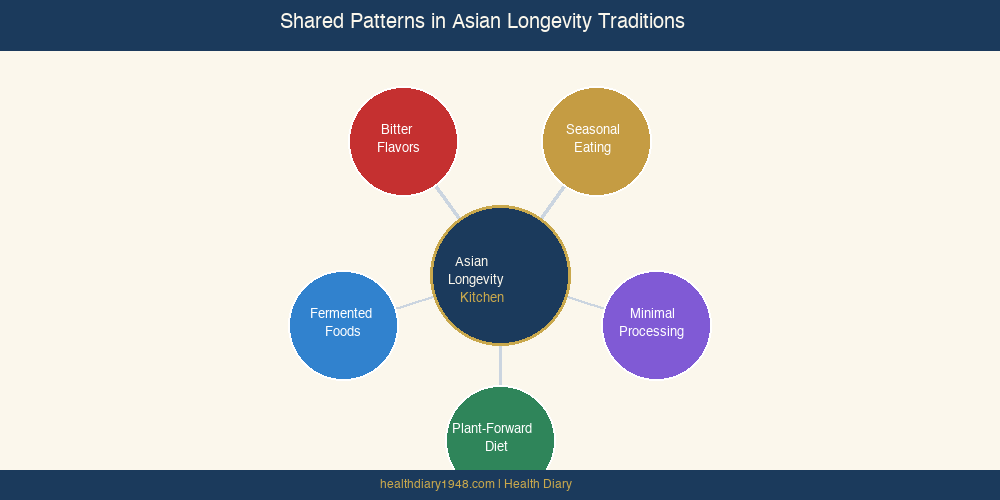
Looking across the four food traditions explored in this article, several striking patterns emerge — patterns that align closely with what contemporary nutritional researchers studying Blue Zone populations have independently identified.
1. Plant-Forward Dietary Foundation
In all four traditions, plant foods — vegetables, legumes, whole grains, and fermented plant products — form the foundation of daily eating. Meat, where consumed, traditionally appeared as a flavoring or occasional dish rather than a daily centerpiece. A critical review published in Current Research in Nutrition and Food Science (Mohol et al., 2025) examining Blue Zone dietary patterns found that plant-forward eating consistently correlates with markers of slower cellular aging, including telomere length maintenance.
2. Fermentation as Daily Practice
Japan's natto and miso, China's fermented black bean pastes, Korea's kimchi and doenjang, and Vietnam's traditional fermented shrimp paste (mam tom) all reflect a deep cultural investment in lacto-fermentation. Modern microbiome research has begun to explore why fermented foods may support immune regulation and gut health — mechanisms relevant to aging.
3. Embrace of Bitter Flavors
Bitter melon, bitter greens, moringa, and certain teas appear prominently across all four traditions. Traditional Asian wellness systems have long held that bitter flavors have particular value for liver function and clearing excess "heat" in the body. Contemporary nutritional science has identified bitter compounds (glucosinolates, polyphenols, flavonoids) in many of these foods as having antioxidant and anti-inflammatory properties.
4. Seasonal and Local Eating
Traditional Asian food cultures strongly emphasize eating what is seasonally and locally available — sweet potatoes in Okinawan winter, yuja tea in Korean winter, cooling bitter gourd in Vietnamese summer. This seasonal rhythm naturally provides dietary variety and exposure to different phytonutrients throughout the year.
5. Minimal Processing
With the exception of fermentation (which enhances rather than diminishes nutritional value), traditional Asian longevity foods are minimally processed. Whole grains, fresh vegetables, simple broths, and direct herb use characterize these traditions — in stark contrast to the ultra-processed foods that have become more prevalent in urban Asia and correlate with declining longevity in younger generations in these same regions.
Frequently Asked Questions
What are the most well-researched traditional Asian longevity foods?
Among the foods discussed in this article, kimchi and Korean Red Ginseng have the most substantial body of contemporary scientific research supporting their traditional uses. Goji berry polysaccharides have also been studied extensively in laboratory and human trial settings. That said, individual responses vary considerably, and research on traditional foods is ongoing.
Can I incorporate these foods into a non-Asian diet?
Many of these foods are now widely available in international markets and are enjoyed across cultures. Natto, kimchi, goji berries, moringa powder, and ginger are found in health food stores in many countries. As with any significant dietary change, those with existing health conditions should consult a healthcare practitioner before making major shifts.
Is there a single "best" Asian longevity food?
Traditional Asian food cultures consistently suggest that no single food creates health — it is the overall dietary pattern, lifestyle, and social context that matter most. The Okinawan concept of hara hachi bu (eating until 80% full), the Korean practice of communal fermentation, and the Vietnamese tradition of family meals with diverse dishes all reflect this holistic view. Individual responses to specific foods also vary widely.
How does fermentation contribute to the longevity-associated properties of kimchi and natto?
Fermentation transforms raw ingredients in ways that may enhance their nutritional value: it produces beneficial microorganisms (lactic acid bacteria), generates new bioactive compounds, and in some cases improves the bioavailability of existing nutrients. Research suggests fermented foods may support gut microbiome diversity, which is increasingly recognized as relevant to immune function, inflammation, and metabolic health. Individual gut responses to fermented foods differ considerably, however.
Are Blue Zones still relevant today?
The original Blue Zone research by journalist and researcher Dan Buettner, published in collaboration with National Geographic, highlighted Okinawa (Japan) as one of five global longevity hotspots. Subsequent research has both extended and complicated this picture — noting that as Western dietary patterns have entered these regions, longevity advantages have diminished. This is seen by many researchers as evidence that lifestyle and diet, not genetics alone, drive these outcomes. Individual experiences vary considerably.
Is it safe to eat bitter gourd every day?
Bitter gourd is a common vegetable in many Asian diets and is generally considered safe as a culinary food for most adults. However, individuals with diabetes who are on blood-sugar-lowering medications should be aware that bitter melon has been traditionally associated with blood glucose effects, and combining it with medication warrants discussion with a healthcare practitioner. Pregnant women are typically advised to consume it in moderation. Individual responses vary.
About This Article
Written by: Health Diary Editorial Team — specialists in traditional wellness, food culture, and health education.
Editorial review: This article has been reviewed by the Health Diary editorial team for clarity, structure, and adherence to our sourcing standards. Key claims were cross-checked against NCCIH, NIH PubMed, J-STAGE, and peer-reviewed journals where applicable. It is not a clinical review and should not replace consultation with a licensed healthcare practitioner.
Reviewed on: June 16, 2026.
Editorial process: We cite peer-reviewed and government sources where possible. When a clinical reviewer is added to this article, attribution will appear here with verifiable credentials.
This article is for educational purposes only and reflects traditional cultural practices. It does not constitute medical advice. Consult a qualified healthcare provider before making dietary changes.
References
- Sho H. History and characteristics of Okinawan longevity food. Asia Pac J Clin Nutr. 2001;10(2):159-164. PMID 11710358
- Miyagi S, Iwama N, Kawabata T, Hasegawa K. Longevity and diet in Okinawa, Japan: the past, present and future. Asia Pac J Public Health. 2003;15 Suppl:S3-9. PMID 18924533
- Patra JK, Das G, Paramithiotis S, Shin HS. Kimchi and Other Widely Consumed Traditional Fermented Foods of Korea: A Review. Front Microbiol. 2016;7:1493. PMC5039233
- Lee SH, Lee HY, Yu M, et al. Extension of Drosophila lifespan by Korean red ginseng through a mechanism dependent on dSir2 and insulin/IGF-1 signaling. Aging (Albany NY). 2019;11(21):9369-9387. PMC6874434
- Wenli S, Shahrajabian MH, Qi C. Health benefits of wolfberry (Gou Qi Zi, Fructus barbarum L.) on the basis of ancient Chinese herbalism and Western modern medicine. Avicenna J Phytomed. 2021;11(2):109-119. PMC8051317
- Mohol P, Ghosh A, Kulkarni S. Blue Zone Dietary Patterns, Telomere Length Maintenance, and Longevity: A Critical Review. Curr Res Nutr Food Sci J. 2025;13(2). doi:10.12944/CRNFSJ.13.2.6
- Sakima A, Shirai K, Okumura K, Tana T. Health and longevity in Okinawa: challenges and new approaches towards health promotion. Jpn J Health Educ Promot. 2016;24(4):245-250. J-STAGE
- Bharali R, et al. Moringa oleifera Seeds Improve Aging-Related Endothelial Dysfunction in Wistar Rats. Evid Based Complement Alternat Med. 2019. PMC6535829