Turmeric Golden Drinks: Traditional Wellness Beverages Across Asia
For thousands of years, cultures across Asia have turned to turmeric to create warming, golden beverages that form part of daily wellness rituals. From the classic haldi doodh of South Asian kitchens to Indonesia's tangy jamu kunyit asam and Vietnam's simple nuoc nghe mat ong, these drinks share a common thread: the golden root and a belief in food as nourishment for the whole body. This guide explores the origins, ingredients, and traditions behind turmeric golden drinks, along with what modern research reveals about their key compound, curcumin.
What Are Traditional Turmeric Drinks?
Across Asia, turmeric has earned a place at the table not just as a spice, but as a cornerstone of daily wellness. Golden-hued beverages made with turmeric root or powder appear in countless regional traditions — warm and spiced in South Asian homes, tangy and cooling in Indonesian markets, and sweet with honey in Vietnamese kitchens. Despite their different flavors and preparation methods, these drinks share a common ancestor: Curcuma longa, the golden root that has been cultivated in tropical Asia for more than 4,000 years.
What distinguishes turmeric drinks from ordinary flavored beverages is their cultural intent. Historically, they were not casual refreshments but purposeful preparations — given to new mothers, consumed before sleep, offered as morning tonics, or sipped during seasonal transitions when the body needs extra care. The preparation ritual itself was considered meaningful, passed from elder to younger through generations of household knowledge.
Today, as global interest in functional foods grows, these traditional preparations have gained renewed attention. Cafes worldwide now serve "golden lattes," and wellness enthusiasts craft their own versions at home. Yet the roots of these drinks go far deeper than recent trends — they are living expressions of Asian food therapy traditions that understood, long before laboratory science, that what we drink shapes how we feel.
Golden Milk: From Ancient Kitchens to Modern Cups
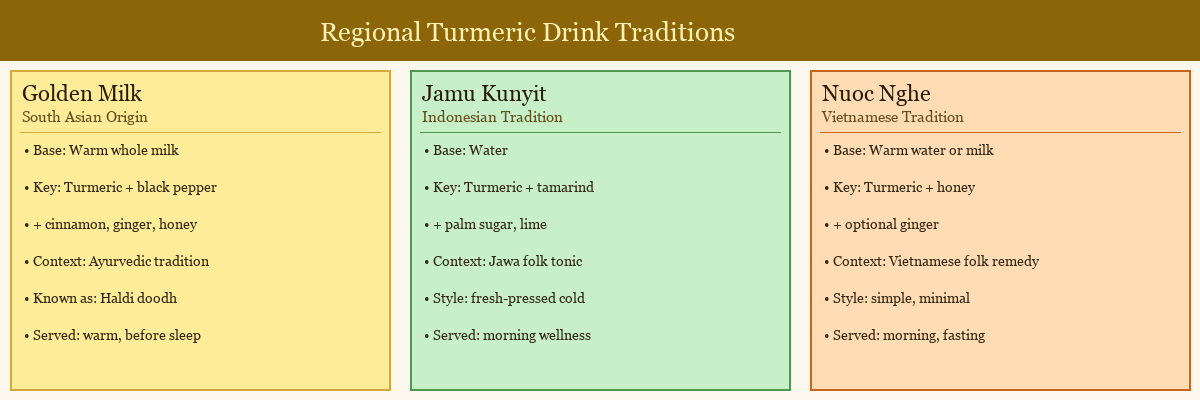
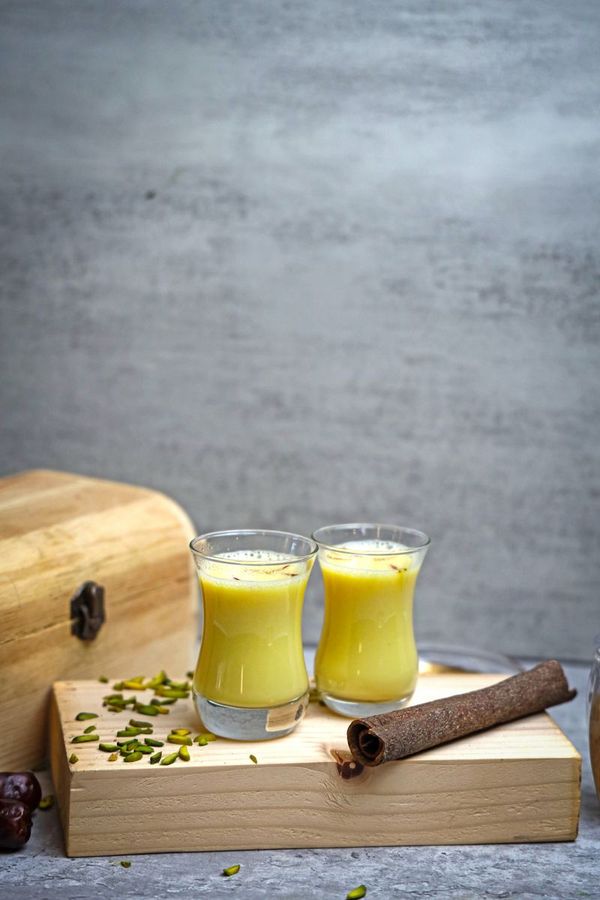
Among all turmeric beverages, haldi doodh — literally "turmeric milk" in Hindi — stands as the most widely recognized. This preparation, deeply rooted in Ayurvedic tradition, combines warm milk with turmeric and a selection of warming spices. The drink has been documented in Ayurvedic texts for over 3,000 years, historically associated with supporting recovery from illness, promoting restful sleep, and warming the body during colder months.
The classic preparation is remarkably simple. Whole milk is warmed gently and whisked with turmeric, a pinch of black pepper, and often cinnamon, ginger, and a touch of honey or raw sugar. Each ingredient was chosen deliberately: turmeric for its golden properties, black pepper to enhance the body's uptake of curcumin, milk fat to aid absorption, and warming spices to support digestion.
Traditionally, haldi doodh was served at night, given to children with coughs or colds, offered to postpartum women, and drunk by athletes and laborers after physical exertion. It was a household staple in many South Asian communities — not a specialty drink but a grandmother's remedy, always available in the kitchen. The preparation varied by region and family, with some adding ashwagandha or cardamom, others using buffalo milk or coconut milk depending on availability.
In the 2010s, "golden milk" and "turmeric latte" entered the global wellness vocabulary, appearing on cafe menus from Melbourne to Manhattan. While this modern version is sometimes sweetened and photographed attractively, it descends directly from the haldi doodh that has been prepared in South Asian homes for millennia. The core elements — turmeric, milk, warmth, and intentional preparation — remain the same.
Jamu Kunyit: Indonesia's Turmeric Wellness Tradition
In the islands of Indonesia, particularly on the island of Java, a different turmeric tradition flourishes. Jamu is the collective name for Indonesia's traditional herbal beverage culture — a practice so significant that in 2019 the Indonesian Ministry of Education and Culture officially recognized it as part of the country's cultural heritage.
Among the many varieties of jamu, kunyit asam — "turmeric tamarind" — is considered the most popular, especially among women. Unlike the milk-based preparations of South Asia, kunyit asam is water-based and characteristically tangy. Fresh turmeric is pounded or ground and combined with tamarind (asam jawa), palm sugar, a pinch of salt, and sometimes lime. The result is a bright golden, pleasantly sour drink that is consumed cold or at room temperature.
Historically, jamu was prepared and sold by mbok jamu — women who carried their herbal preparations in wooden boxes, walking through neighborhoods to sell directly to households. This figure remains part of Javanese cultural life. Jamu kunyit asam was traditionally associated with supporting women's wellness across different life stages, and it continues to be a common morning drink in many Javanese households.
Within the pan-Asian turmeric tradition, jamu kunyit illustrates how the same root plant takes on completely different character depending on local ingredients and culinary culture. Where golden milk is warming and rich, kunyit asam is bright and invigorating — yet both draw from the same wellness philosophy of turmeric as a cornerstone ingredient in daily nourishment.
Vietnamese Nuoc Nghe: Simple and Time-Honored
In Vietnam, the approach to turmeric beverages is characteristically straightforward. Nuoc nghe mat ong — turmeric and honey water — is a simple folk preparation that has been passed down through generations. A small amount of turmeric powder or freshly grated turmeric is dissolved in warm water and sweetened with raw honey, sometimes with a slice of ginger added for warmth.
Vinmec International Hospital, one of Vietnam's leading healthcare systems, notes that turmeric has long been "an indispensable spice in every Vietnamese kitchen," valued both for its flavor contributions to dishes like ca kho (braised fish) and for its wellness role in home preparations. Vietnamese households traditionally kept turmeric on hand not just for cooking but for basic health care — applying turmeric paste to skin, brewing it as a tea, or mixing it with honey for stomach discomfort.
The simplicity of nuoc nghe reflects a broader Vietnamese culinary philosophy: effective wellness preparations do not require complicated formulas. A few well-chosen ingredients, prepared with care, are sufficient. This minimalist approach contrasts with the spiced complexity of golden milk, yet the intention is similar — using turmeric as part of a daily routine of intentional nourishment.
Today, nuoc nghe mat ong is enjoying a revival among younger Vietnamese consumers who are reconnecting with traditional food practices. It is now found in health food cafes in Hanoi and Ho Chi Minh City, sometimes served alongside Vietnamese herbal teas, maintaining its status as a living tradition rather than a historical curiosity.
Turmeric Tea Traditions Across the Region
Beyond the three major traditions described above, turmeric tea in various forms appears across Asian culinary cultures. In Sri Lanka, turmeric is brewed directly with water and flavored with cinnamon and honey. In parts of Thailand and Myanmar, turmeric is combined with ginger and lemongrass to create warming herbal infusions. In Chinese culinary culture, turmeric (known as jianghuang or "ginger yellow") appears in certain regional preparations alongside other warming ingredients.
These turmeric teas share a common simplicity: turmeric is steeped in hot water, either alone or with complementary herbs, and consumed as a warming beverage. Unlike golden milk with its richer milk base, turmeric tea is light and clear — the golden color of the water is the visual signature of the drink. Such preparations illustrate how widely the practice of brewing turmeric beverages has spread, adapting to local tastes and available ingredients while maintaining the core element of the golden root.
The diversity of these preparations also highlights an important practical point: there is no single "correct" way to prepare a turmeric drink. Every culture that has adopted turmeric into its wellness kitchen has found its own approach, shaped by what grows locally, what tastes good regionally, and what traditions have been found useful over generations.
Key Ingredients in Traditional Turmeric Drinks
Turmeric: The Golden Root
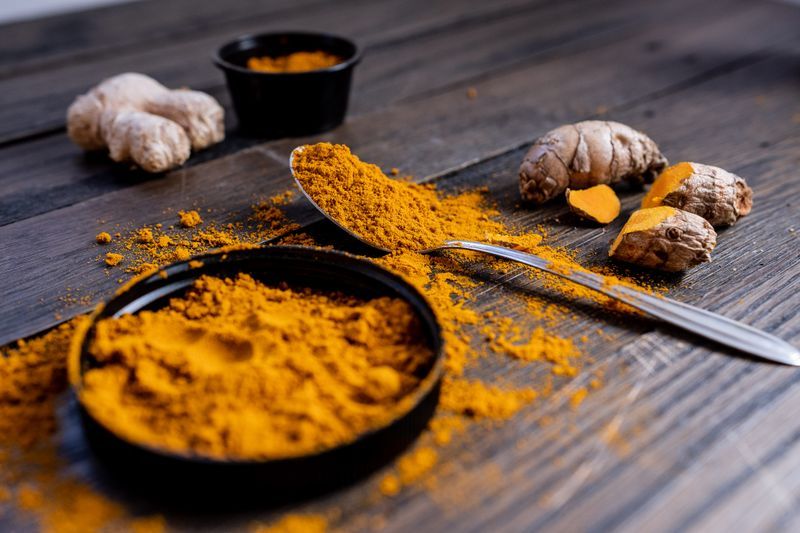
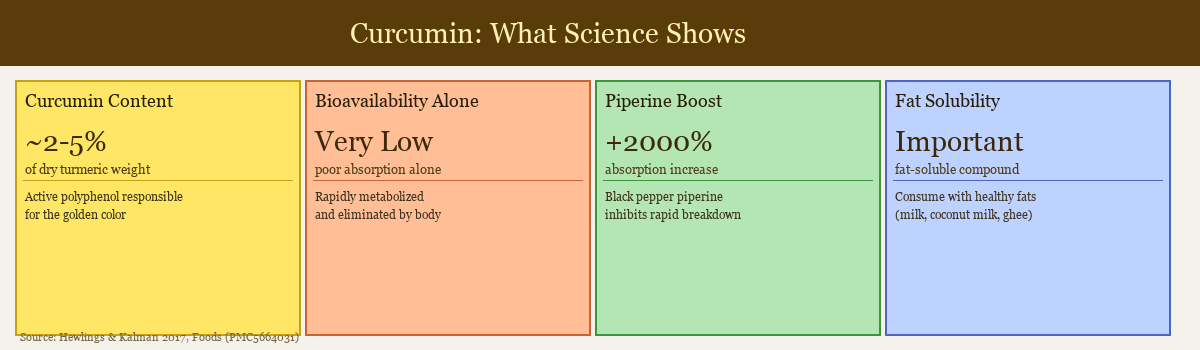
Turmeric (Curcuma longa) is a rhizome native to South and Southeast Asia, cultivated for thousands of years across a range from India to Vietnam. The fresh root resembles ginger in appearance but is distinguished by its vivid orange-yellow interior, which comes from the group of compounds collectively called curcuminoids. Of these, curcumin is the most abundant and most studied, comprising approximately 2–5% of dried turmeric by weight.
In traditional culinary use, both fresh and dried turmeric are valued. Fresh root grated directly into preparations provides a more vibrant flavor and higher moisture content, while dried and ground turmeric powder is more shelf-stable and easier to measure. The choice between fresh and powder varies by regional tradition: Vietnamese nuoc nghe is often made with powder, Javanese jamu kunyit asam traditionally uses freshly pounded root, and golden milk may use either depending on household custom and availability.
NCCIH notes that turmeric has been used in Ayurvedic, Chinese, and Thai traditional wellness practices for conditions ranging from indigestion to joint discomfort, reflecting its long history across diverse cultural traditions. It is generally recognized as safe in food amounts by regulatory authorities including the U.S. FDA.
Black Pepper: The Bioavailability Partner
One of the most scientifically interesting aspects of the golden milk tradition is the inclusion of black pepper — a practice that predates modern understanding of pharmacology by centuries. In traditional Ayurvedic preparation, black pepper was added to turmeric preparations as a warming spice and digestive aid. Modern research has revealed a remarkable biochemical reason why this pairing works so effectively.
Black pepper contains piperine, an alkaloid compound that significantly enhances curcumin absorption. A landmark study published in Planta Med demonstrated that co-administering piperine with curcumin increased curcumin bioavailability by approximately 2,000% in human volunteers (Shoba et al., 1998). Separately, Hewlings and Kalman's comprehensive review in Foods (2017, PMC5664031) confirmed that without absorption-enhancing agents, "ingesting curcumin by itself does not lead to the associated health benefits due to its poor bioavailability."
This is why the traditional golden milk recipe — which always included black pepper alongside turmeric — proves to have been practically wise. The culinary wisdom of combining these two spices appears to have emerged from generations of observational experience, arriving at a preparation that enhances the functional properties of the main ingredient. Adding even a small pinch of ground black pepper to any turmeric beverage follows this centuries-old tradition.
Milk, Coconut Milk, and Plant Bases
Curcumin is fat-soluble, which means it dissolves in fats rather than water. This property explains why milk-based preparations may facilitate absorption better than water-based teas. Both traditional whole cow's milk (used in South Asian golden milk preparations) and coconut milk (used in certain Southeast Asian variations) provide dietary fat that supports curcumin dissolution.
For those who prefer plant-based preparations, oat milk, almond milk, and soy milk all contain some fat content that may assist curcumin absorption, though the fat content varies significantly between options. Full-fat coconut milk, in particular, is an excellent alternative for those following dairy-free approaches, and it aligns naturally with Southeast Asian culinary traditions where coconut milk is a staple ingredient.
Water-based turmeric preparations like jamu kunyit asam or simple turmeric tea provide a lighter option. While they may offer less curcumin absorption than fat-containing preparations, they reflect a different traditional context — jamu was not designed as a curcumin delivery system but as a holistic wellness tonic drawing on the combined properties of all its ingredients, including tamarind's vitamin C and organic acids.
How to Prepare Traditional Golden Milk at Home
The following recipe follows the core structure of traditional haldi doodh, adapted for a modern home kitchen. It can be prepared in under ten minutes and adjusted easily to personal taste.
Ingredients (1 serving):
- 1 cup (240ml) whole milk, oat milk, or full-fat coconut milk
- 1 teaspoon ground turmeric
- 1/4 teaspoon ground black pepper (essential for absorption)
- 1/4 teaspoon ground cinnamon
- 1/2 teaspoon freshly grated ginger (or 1/4 tsp ground ginger)
- 1 teaspoon raw honey or palm sugar (to taste)
- Optional: pinch of cardamom or a few strands of saffron for a more elaborate preparation
Method:
- Gently warm the milk in a small saucepan over low to medium heat. Do not allow it to boil.
- Add turmeric, black pepper, cinnamon, and ginger. Whisk continuously to prevent clumping and ensure the spices are fully incorporated.
- Continue heating for 2–3 minutes until the mixture is well combined and fragrant, and the milk is steaming but not simmering.
- Remove from heat and allow to cool slightly — about 1–2 minutes. Add honey when the milk is warm but not scalding, as very high heat can degrade honey's properties.
- Pour into a cup and serve immediately. The drink can be topped with an additional pinch of cinnamon.
A note on fresh turmeric: Fresh turmeric root, when available, provides a more vibrant flavor. Use approximately 1/2 inch of peeled fresh root, finely grated or blended, in place of ground powder. Strain the drink before serving if you prefer a smooth texture.
Vietnamese-style nuoc nghe: For a simpler preparation in the Vietnamese tradition, dissolve 1/2 teaspoon of turmeric powder in 1 cup of warm water. Add 1–2 teaspoons of raw honey and stir well. This lighter version can be consumed in the morning on an empty stomach, as is traditional in Vietnamese folk practice.
What Research Says About Curcumin
The scientific interest in curcumin — turmeric's primary active compound — has grown substantially in recent decades. Researchers have investigated its properties across a range of areas, and while much of the evidence is preliminary, several findings are worth understanding for anyone interested in turmeric wellness traditions.
Anti-inflammatory properties: Curcumin works primarily by modulating inflammatory pathways, including inhibition of NF-κB — a protein complex that plays a central role in regulating the immune response and inflammation. Hewlings and Kalman (2017) note that curcumin's anti-inflammatory mechanisms have been extensively studied in laboratory settings, with evidence suggesting it may influence the same pathways targeted by some conventional approaches to managing inflammatory conditions.
Antioxidant activity: Curcumin is a polyphenol with documented antioxidant properties. It has been shown to neutralize free radicals and may also upregulate the body's own antioxidant enzymes. This dual action — direct and indirect antioxidant — is a feature that distinguishes curcumin from simpler antioxidant compounds.
Clinical evidence: A randomized controlled trial by Panahi et al. (2015) found that curcuminoid-piperine combination significantly reduced inflammatory markers including CRP, TNF-α, and IL-6 in subjects with metabolic syndrome. Meta-analyses have also evaluated turmeric and curcumin for osteoarthritis, with NCCIH noting that "initial evidence is positive," though higher-quality studies are still needed to draw firm conclusions.
The bioavailability challenge: A critical consideration is that curcumin has poor absorption when consumed alone. As Hewlings and Kalman's review explains, the compound is rapidly metabolized and eliminated, which limits its biological activity. This is why the traditional practice of combining turmeric with black pepper and fats proves practically important — piperine from black pepper increases curcumin bioavailability by approximately 2,000% (Shoba et al., 1998).
Safety considerations: NCCIH notes that turmeric is generally considered safe when consumed in food amounts. For those considering concentrated supplements, caution is warranted: high-bioavailability formulations have been associated with reports of liver issues in some cases. Anyone with existing health conditions or taking medications should consult a healthcare provider before using turmeric supplements, as distinct from culinary quantities in food and drink.
It is important to note that traditional turmeric drinks are cultural food preparations with deep wellness traditions — they are not replacements for medical treatment. The research on curcumin is promising but ongoing, and current evidence does not support claims that turmeric drinks treat or cure any disease. What the evidence does suggest is that regular, moderate consumption of turmeric as part of a balanced diet aligns with the broadly understood benefits of a plant-rich food pattern.
Frequently Asked Questions
What is the best time of day to drink turmeric golden milk?
Traditionally, golden milk (haldi doodh) is consumed in the evening, often about an hour before bed. This timing aligns with its historical use as a warming, calming preparation. In Vietnamese tradition, nuoc nghe mat ong is more commonly taken in the morning, ideally before eating. Either timing is appropriate — the most important factor is consistency and enjoying the drink as part of a regular wellness routine. If you find the golden color of turmeric stains your teeth, rinsing with water afterward is a simple solution.
Why is black pepper added to golden milk?
Black pepper contains piperine, a compound that dramatically increases curcumin absorption. Research published in Planta Med (Shoba et al., 1998) demonstrated that piperine co-administration increased curcumin bioavailability by approximately 2,000% in human subjects. The practice of combining turmeric with black pepper in golden milk predates this research by centuries — traditional Ayurvedic preparations consistently included both spices together, suggesting that practical culinary wisdom arrived at this effective combination through long observation. Even a small pinch of black pepper is sufficient to provide this benefit.
Can I use fresh turmeric root instead of powder?
Yes, and in many traditional preparations, fresh root is preferred. Fresh turmeric root provides a brighter, more complex flavor with earthy and slightly bitter notes that are more muted in dried powder. When substituting, use approximately 1/2 inch of peeled fresh root (finely grated) for every 1 teaspoon of powder. Fresh root can be found in Asian grocery stores and increasingly in general supermarkets. Note that fresh turmeric stains hands and surfaces intensely — handling with care or using gloves is advisable. The dried powder stains as well, though somewhat less intensely.
Is turmeric golden milk suitable for children?
Turmeric in food and culinary amounts has a long history of safe use across cultures for all ages — golden milk has traditionally been given to children in South Asian households, particularly to help with coughs and colds. However, very young children (under 2 years) and infants should not be given honey due to the risk of botulism, so honey should be omitted or substituted with a small amount of palm sugar or maple syrup for very young children. For specific guidance regarding children's health, consulting a pediatrician is always appropriate.
What is the difference between jamu kunyit asam and golden milk?
These are two distinct regional traditions that both use turmeric as a central ingredient but differ in almost every other aspect. Golden milk (haldi doodh) originates from South Asian Ayurvedic tradition and is a warm, milk-based preparation with warming spices. Jamu kunyit asam is an Indonesian Javanese tradition — a water-based, room-temperature or cold drink that combines fresh turmeric with tamarind, palm sugar, and lime for a distinctly tangy, refreshing character. The two traditions represent different food cultures and different approaches to wellness beverages, united only by their shared reliance on turmeric's golden root.
How much turmeric is in a typical golden milk preparation?
A traditional serving uses approximately 1/4 to 1 teaspoon of ground turmeric (or equivalent fresh root), providing roughly 15–60mg of curcumin given that dried turmeric typically contains 2–5% curcumin by weight. This is far less than the concentrated doses used in supplement studies, which often use 500–2,000mg of curcumin extract. Traditional golden milk preparations should be understood as culinary wellness drinks — regular daily consumption as part of a balanced diet, rather than high-dose supplementation, is the intent behind these traditional preparations.
References
- Hewlings SJ, Kalman DS. Curcumin: A Review of Its' Effects on Human Health. Foods. 2017;6(10):92. PMC5664031. Available at: https://pmc.ncbi.nlm.nih.gov/articles/PMC5664031/
- Shoba G, Joy D, Joseph T, Majeed M, Rajendran R, Srinivas PS. Influence of piperine on the pharmacokinetics of curcumin in animals and human volunteers. Planta Med. 1998;64(4):353-356. PMID: 9619120.
- Panahi Y, Hosseini MS, Khalili N, Naimi E, Majeed M, Sahebkar A. Antioxidant and anti-inflammatory effects of curcuminoid-piperine combination in subjects with metabolic syndrome. J Affect Disord. 2015;174:580-587. PMID: 25618800.
- National Center for Complementary and Integrative Health (NCCIH). Turmeric: Usefulness and Safety. NIH. Available at: https://www.nccih.nih.gov/health/turmeric
- Vinmec International Hospital. Loi ich suc khoe cua nghe [Health benefits of turmeric]. Vinmec.com. Available at: https://www.vinmec.com/vie/bai-viet/loi-ich-suc-khoe-cua-nghe-vi
- Vietnam.vn. 9 benefits of using honey with turmeric. Available at: https://www.vietnam.vn/en/9-loi-ich-cua-viec-su-dung-mat-ong-voi-nghe/
- Basantara Language & Culture. Jamu: Indonesia's Natural Wellness Shot Heritage. Available at: https://basantara.net/jamu-indonesias-natural-wellness-shot-heritage/
- Sukhis Indian Foods. Traditional Golden Milk: Recipe and History. Available at: https://sukhis.com/golden-milk-or-turmeric-milk-or-haldi-doodh/
- UMass Chan Medical School, Nutrition Division. Using Black Pepper to Enhance the Anti-Inflammatory Effects of Turmeric. 2019. Available at: https://www.umassmed.edu/nutrition/blog/blog-posts/2019/6/using-black-pepper-to-enhance-the-anti-inflammatory-effects-of-turmeric/
- Djamu Djamu Drink. What is Jamu? Discover the Heritage and Benefits of Indonesia's Herbal Drink. Available at: https://www.djamudjamudrink.com/learn