Vietnamese Artichoke Tea: A Traditional Wellness Drink from Da Lat
Discover Vietnamese artichoke tea (tra atiso) — a beloved herbal tradition from Da Lat's highlands, with traditional preparation methods, cultural context, and tips for brewing this bitter-sweet folk drink.
Medical Disclaimer: This content is for educational and informational purposes only and is not medical advice. The information presented is not intended to diagnose, treat, cure, or prevent any disease. Always consult a licensed healthcare practitioner before starting any new herbal practice or supplement. Statements regarding traditional herbal use have not been evaluated by the FDA.
Affiliate Disclosure: This article contains affiliate links. We may earn a commission if you purchase through these links, at no additional cost to you. We only recommend products we believe align with our editorial standards.
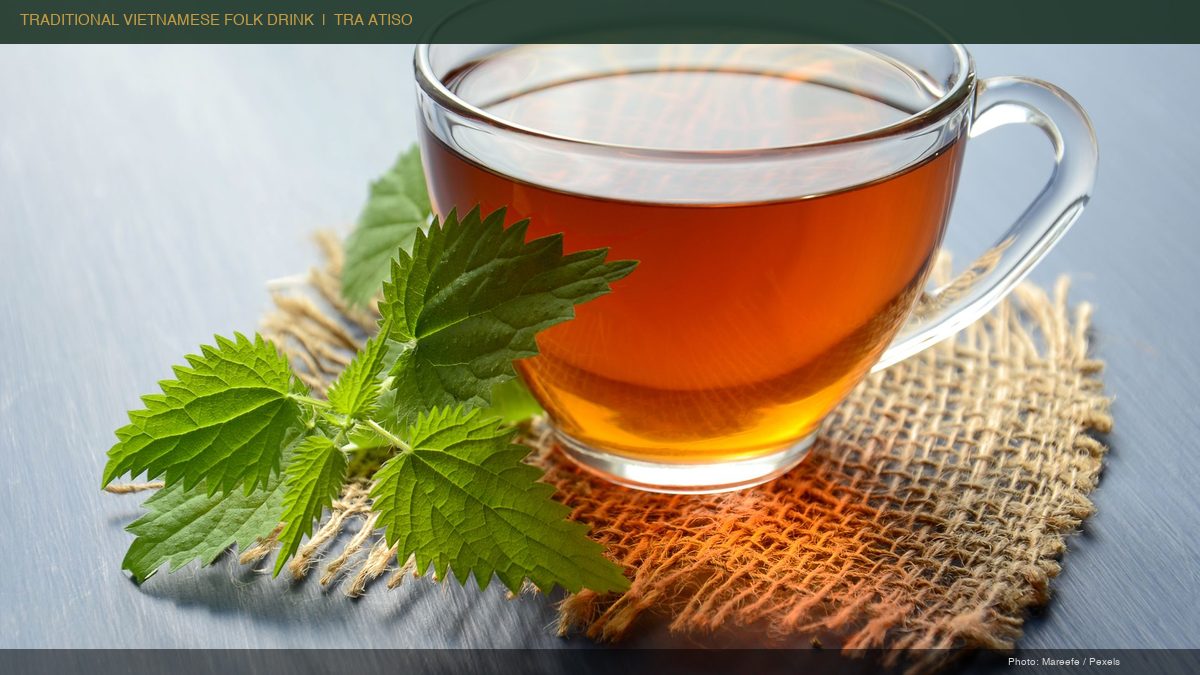
Walk into almost any household in southern or central Vietnam and you are likely to find a tall glass pitcher of pale amber liquid cooling on the kitchen counter. It carries a gentle, slightly bitter aroma and a clean earthy sweetness that builds at the back of the tongue. That pitcher holds tra atiso — Vietnamese artichoke tea — one of the most enduring folk wellness drinks in the country.
Unlike imported herbal teas that arrived with global wellness trends, tra atiso has deep roots in Vietnamese daily life. It is brewed from the dried flower buds, stems, and leaves of the globe artichoke plant (Cynara scolymus L.), a highland crop that found a permanent home in the misty mountains of Da Lat decades ago. This article explores Vietnamese artichoke tea as a cultural tradition. It is not medical advice.
Introduction: A Distinctive Herbal Tea Tradition
In a country celebrated for its tea culture — from the oolong gardens of Thai Nguyen to the lotus-scented teas of Hue — artichoke tea occupies a singular place. It is not a delicate floral infusion sipped ceremonially, nor a caffeine-charged breakfast staple. Tra atiso is what Vietnamese families reach for after a heavy meal, on a warm afternoon, or simply as an everyday folk wellness drink passed down through generations.
The drink is inexpensive, widely available, and deeply practical. Vendors sell it iced in plastic cups along the streets of Ho Chi Minh City and Hue. Families brew large pots at home and store it in the refrigerator to last the day. Visitors to Da Lat return home with bags of dried buds as souvenirs. Its bitter-sweet character and caffeine-free nature have made it a fixture of Vietnamese wellness culture in a way that few other herbal drinks have matched.
Da Lat: The Home of Vietnamese Artichoke
The globe artichoke is not a native Vietnamese plant. It originated in the Mediterranean basin and would have seemed an unlikely candidate to become a Vietnamese cultural symbol. The story of how it got here begins with French colonial settlement in the Central Highlands.
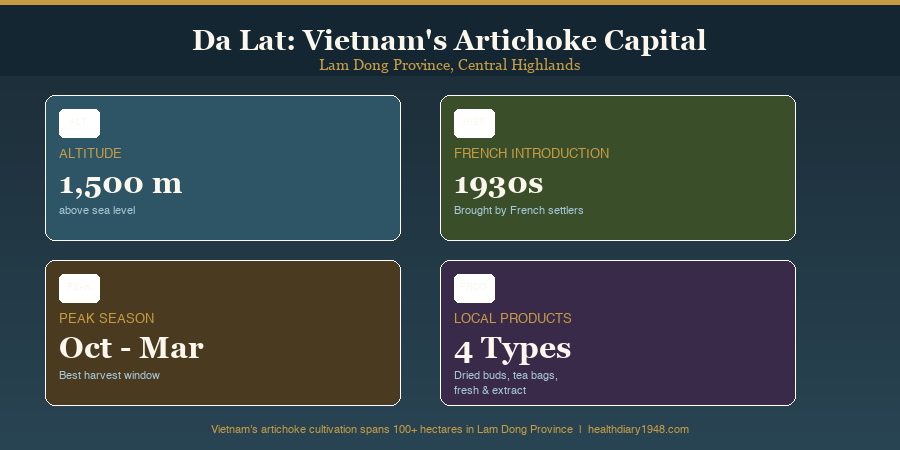
In the 1920s and 1930s, French administrators and settlers developed Da Lat — then known as Dalat — as a highland retreat from the heat of Saigon. Sitting at approximately 1,500 metres above sea level in Lam Dong Province, Da Lat offered something rare in tropical Vietnam: a temperate climate with cool mornings, misty afternoons, and mild year-round temperatures between 15°C and 25°C. French settlers brought European vegetables and plants to cultivate in this cool air, and among them was the artichoke. According to local historical accounts, the plant thrived in Da Lat's highland conditions and was gradually adopted by Vietnamese farmers who found both the plant and its brewed liquid useful in daily life.
Today, Lam Dong Province has more than 100 hectares of artichoke farmland, much of it VietGAP-certified. The harvest runs from October through March, with peak quality in December and January when the cool, foggy conditions concentrate the plant's natural compounds. Da Lat's artichoke tea has earned recognition as a regional specialty, and dried artichoke buds are among the most popular souvenirs visitors bring home from the city. Several farms offer agri-tourism experiences where visitors can see the tall, silvery-leafed plants growing in rows across the hillsides and purchase dried buds directly from growers.
What Parts of the Artichoke Plant Are Used?
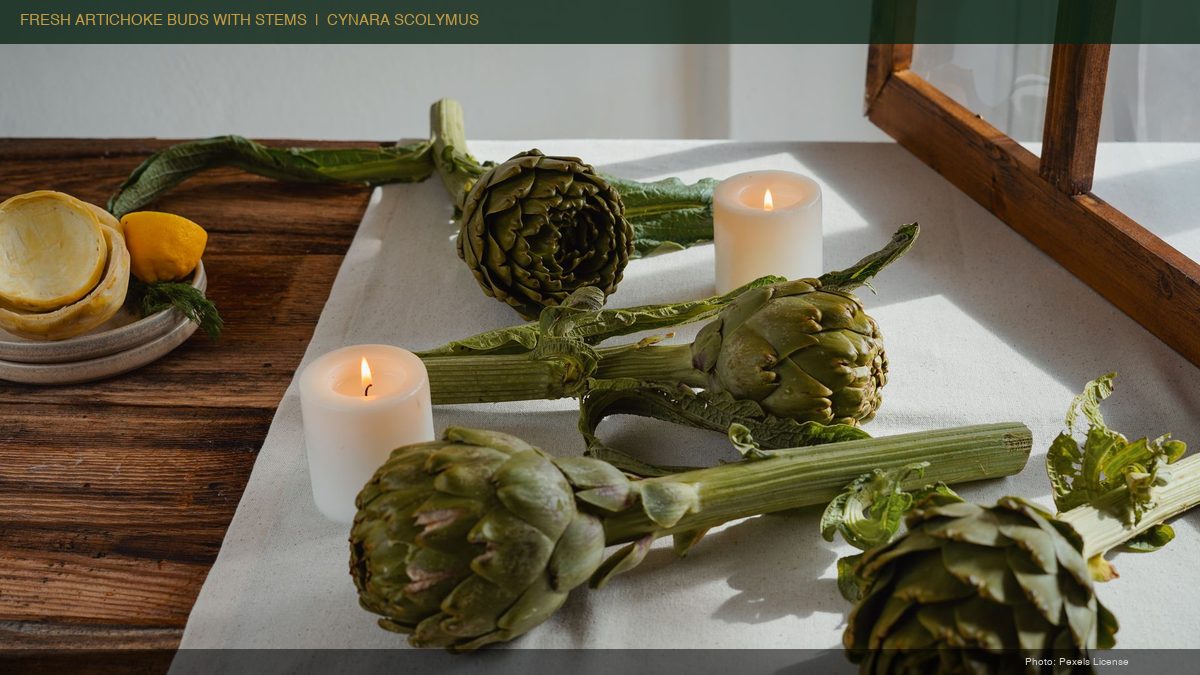
One of the differences between how Vietnamese culture uses the artichoke and how it is typically used in Western cooking is the part of the plant that matters most. In Europe and North America, the edible artichoke heart and leaf bases are the prize. In Vietnam, the entire plant above the root is considered useful for brewing — and the fresh heart is often secondary to the dried flower bud and stem.
The main parts used in Vietnamese artichoke tea are:
- Dried flower buds — the most commonly sold and brewed part. These are the young, closed buds harvested before the flower opens, then sun-dried or oven-dried. They brew into a clean, amber tea with the characteristic bitter-sweet taste.
- Stems and petioles — the thick, fibrous stalks that connect the leaves to the main trunk. These have a stronger, more astringent flavour and are traditionally boiled longer to make a richer sipping broth.
- Leaves — large, deeply lobed, silvery-green leaves that contain concentrated plant compounds. They are used in longer decoctions, typically combined with stems.
- Roots — less commonly used in everyday brewing, but occasionally incorporated in concentrated traditional preparations.
A key compound associated with the artichoke plant is cynarin (also spelled cynaropicrin in related forms), a caffeoylquinic acid derivative that has been the subject of scientific interest. Research published in Neurochemistry International (2023) identified cynarin's role in neurochemical pathways, while a comprehensive review in Nutrients (2024, Porro et al.) noted that artichoke's bioactive compounds — including caffeoylquinic acids and flavonoids — have been examined for their antioxidant and anti-inflammatory properties in laboratory and clinical contexts. In Vietnamese folk tradition, cynarin is understood informally as the compound that gives the tea its characteristic bitterness and is the reason the plant is considered a traditional wellness compound, though personal responses vary considerably.
Traditional Preparation Methods
There is no single definitive recipe for tra atiso — preparation varies by region, by family, and by which part of the plant is available. However, three methods have emerged as the most widely practised across Vietnam.
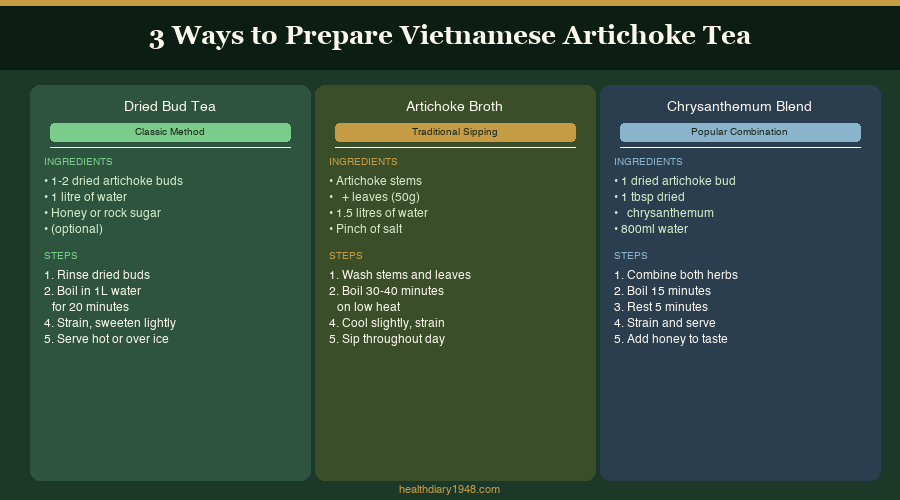
Method 1: Dried Artichoke Flower Tea (Most Common)
This is the method most visitors to Da Lat learn and most households in southern Vietnam use. It is simple, gentle, and produces the clean amber colour associated with commercial artichoke tea.
- Rinse 1–2 dried artichoke buds under cool water to remove surface dust.
- Place in a pot with 1 litre of cold water.
- Bring to a boil, then reduce heat and simmer for 15–20 minutes.
- Strain through a fine mesh strainer.
- Sweeten lightly with rock sugar or honey if desired.
- Serve hot, or allow to cool and pour over ice.
The resulting tea has a mild, earthy bitterness that softens as it cools. In southern Vietnam, most people drink it cold (da = iced), poured over crushed ice into a tall glass. In central and northern Vietnam, particularly in Hue, warm or room-temperature artichoke tea is more common. Individual responses to the flavour vary — some find the bitterness pleasant from the first sip, while others prefer to add a little more sweetener until their palate adjusts.
Method 2: Artichoke Stem and Leaf Broth (Traditional Sipping Broth)
This older, more robust preparation uses the stems and large leaves rather than the flower bud. The result is stronger and more deeply flavoured — closer to a herbal decoction than a tea.
- Wash 50g of fresh or dried artichoke stems and leaves thoroughly (the leaves have fine hairs that trap dust).
- Place in a pot with 1.5 litres of water and a pinch of salt.
- Boil for 30–40 minutes on medium-low heat.
- Allow to cool slightly, then strain.
- Sip in small amounts throughout the day, rather than drinking a full glass at once.
This broth-style preparation is more common in rural Da Lat households and in traditional settings. Suc Khoe Doi Song, a Vietnamese health publication, notes that artichoke in various forms has been used in Vietnamese folk practice for generations, particularly associated with liver and digestive wellness traditions.
Method 3: Artichoke and Chrysanthemum Blend (Popular Combination)
A popular modern variation combines artichoke with dried chrysanthemum flowers — a pairing found at many tea shops and street stalls across central and southern Vietnam. The chrysanthemum softens the artichoke's bitterness and adds a light floral note.
- Combine 1 dried artichoke bud with 1 tablespoon of dried chrysanthemum flowers.
- Add to 800ml of cold water in a pot.
- Bring to a boil and simmer for 15 minutes.
- Rest for 5 minutes before straining.
- Add honey or rock sugar to taste and serve over ice.
Individual experiences vary considerably; what works well for one person may not suit another, and personal experimentation under practitioner guidance is always recommended.
How Vietnamese Culture Drinks Artichoke Tea
The cultural dimension of tra atiso goes well beyond a simple brewing recipe. How the tea is consumed reflects broader patterns of Vietnamese wellness culture and regional food customs.
In southern Vietnam — particularly in Ho Chi Minh City — artichoke tea is primarily a cold drink. Vendors along busy streets ladle it from large clay pots into plastic bags or cups stuffed with crushed ice, alongside other traditional cooling drinks like sour tamarind water and sweet bean soup. It is regarded as a folk cooling drink for the body, particularly suitable for hot weather.
In central Vietnam, especially Hue — the historic imperial city known for its refined culinary culture — artichoke tea appears more often warm or at room temperature. Traditional Hue households may offer a small cup of warm artichoke tea after a meal as a digestive folk drink, the way some cultures might end a meal with a digestif or warm herbal tisane.
In Da Lat itself, where artichoke is part of local agricultural identity, the tea is consumed in every form — hot, iced, concentrated, diluted. The city's many tea houses and souvenir shops sell artichoke tea alongside other highland specialties, and artichoke broth is a genuine part of everyday cooking in Lam Dong Province.
At the family dinner table across Vietnam, a pitcher of cooled artichoke tea is a common sight alongside the meal, particularly during warmer months. It is often brewed in the morning and refrigerated, consumed throughout the day by all members of the household including children. This everyday, household-scale consumption is distinct from the ceremonial or occasion-based use of some other traditional drinks — artichoke tea in Vietnam is folk wellness in the most grounded sense.
The Bitter-Sweet Flavor Profile
Artichoke tea has a distinctive taste that takes some getting used to, particularly for those unfamiliar with bitter herbal drinks. Understanding the flavour profile helps set expectations and makes the experience more enjoyable.
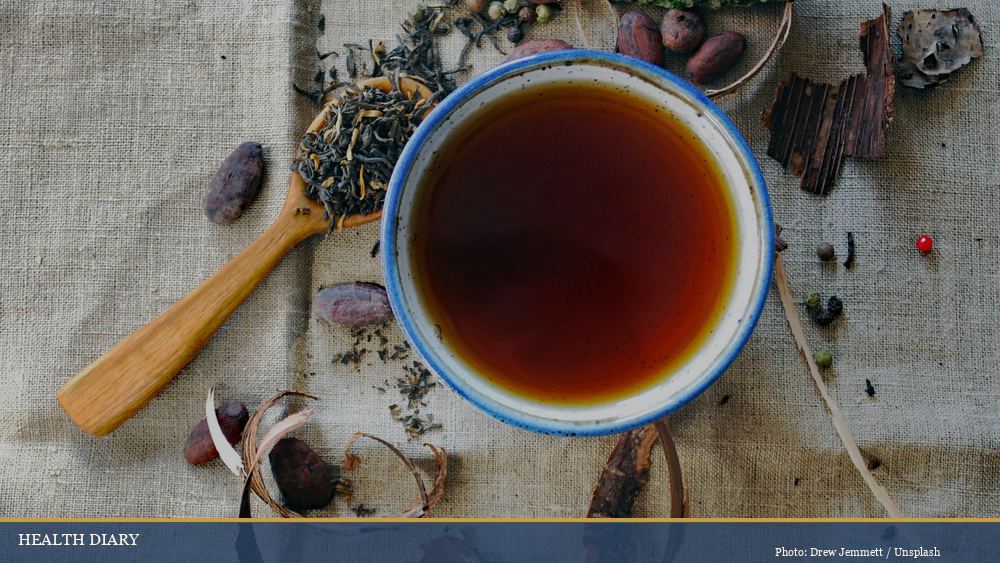
The initial sip of artichoke tea is mildly bitter — not harshly so, but noticeably different from the sweetness of fruit teas or the grassy notes of green tea. This bitterness comes primarily from the plant's polyphenols and the cynarin compound. The bitterness is followed quickly by an earthy, subtly sweet quality — some people describe it as similar to very mild artichoke hearts in flavour, which is accurate given the same plant.
The most distinctive characteristic of artichoke tea is the lingering sweet aftertaste. This happens because cynarin temporarily suppresses sweetness receptors on the tongue, so when the tea is swallowed and the cynarin fades, water and other liquids briefly taste sweeter than usual. This is the same effect noticed when eating artichoke hearts at a meal — a phenomenon food scientists have documented in relation to cynarin's interaction with taste receptors.
Adjusting the sweetness is straightforward. Vietnamese households typically add rock sugar (duong phen) rather than white granulated sugar, as it dissolves more slowly and adds a rounder sweetness without sharpness. A light touch is preferred — the goal is to soften the bitterness slightly, not to make the tea sweet. Some people prefer it entirely unsweetened, particularly when drinking it as an after-meal folk beverage.
Artichoke tea pairs naturally with Vietnamese savoury snacks and light foods. A glass of iced artichoke tea alongside a plate of banh mi or rice-based snacks is a common pairing in southern Vietnamese street food culture.
Buying Vietnamese Artichoke Tea: What to Look For
For those wanting to brew authentic tra atiso at home, understanding the different product forms available makes a significant difference in the final result.
Dried Whole Buds
The most traditional and flavourful form. Whole dried artichoke buds (sometimes called dried artichoke flowers, though botanically they are the immature flower head) are sold in bags or boxes at Da Lat markets, Vietnamese grocery stores, and online retailers specialising in Vietnamese products. Look for buds that are intact, a consistent deep green to brown colour, and have a mild herbal aroma. Avoid buds that are excessively dark, crumbling, or have no scent — these are likely old stock.
Artichoke Tea Bags
Commercially produced artichoke tea bags are widely available in Vietnamese supermarkets and increasingly at international Asian grocery stores. Brands from Da Lat such as Vinh Tien and Ladophar are well-known domestically. Tea bags offer convenience but typically produce a milder, thinner brew than whole dried buds. They are a good starting point for those new to the flavour.
Da Lat Souvenir Brands
If visiting Da Lat, purchasing directly from certified producers or reputable market stalls is the most reliable route to quality artichoke tea. Products bearing VietGAP or ISO certification labels have met Vietnamese agricultural quality standards. Prices are modest — approximately 50,000–150,000 VND (USD 2–6) for a box of 100 tea bags or 100g of dried buds at time of writing.
Storage Tips
Dried artichoke buds and tea bags should be stored in a cool, dry place away from light and moisture. An airtight container is ideal. Properly stored, dried buds retain their flavour for 12–18 months. Brewed artichoke tea should be consumed within 24 hours if kept at room temperature, or within 2–3 days if refrigerated.
Important Considerations
As with any herbal folk drink, there are practical points worth understanding before making artichoke tea a regular part of your routine.
- Quantity: Vietnamese folk tradition generally recommends moderate, consistent use rather than large quantities at once. Healthcare sources such as Vinmec Hospital, one of Vietnam's major healthcare networks, note that excessive consumption (over 2 litres daily) may cause digestive discomfort in some individuals. Most traditional use involves 1–2 glasses per day.
- Pregnancy and breastfeeding: Individuals who are pregnant, breastfeeding, or planning to become pregnant should consult a healthcare practitioner before consuming artichoke tea regularly.
- Gallbladder and bile duct conditions: Because artichoke is traditionally associated with bile-related wellness in folk practice, those with gallstones or bile duct obstruction should seek medical advice before use.
- Kidney conditions: Individuals with kidney-related health concerns should consult a practitioner, as artichoke tea has a diuretic traditional use.
- Medication interactions: Anyone taking prescription medications, particularly for cholesterol, liver conditions, or blood pressure, should speak with their doctor before incorporating artichoke tea as a regular practice.
- Individual variation: Responses to herbal folk drinks vary considerably between individuals. What feels comfortable for one person may not suit another.
Individual experiences vary considerably. This article presents artichoke tea as a cultural tradition, not a treatment for any health condition.
Frequently Asked Questions
What does Vietnamese artichoke tea taste like?
Artichoke tea has a mild, earthy bitterness on the first sip, followed by a subtle sweet aftertaste. The bitterness is softer than coffee or bitter melon but more pronounced than most herbal teas. Many people find the flavour pleasant and distinctive once they are familiar with it. The sweetness is easier to appreciate when the tea is served cold over ice, as commonly done in southern Vietnam.
Can I drink tra atiso every day?
Many Vietnamese households do incorporate artichoke tea into their daily routine as a folk wellness tradition. Vietnamese folk practice generally suggests moderate amounts — typically 1–2 glasses per day — rather than very large volumes. Individual responses vary, and anyone with health conditions or taking medications should consult a healthcare practitioner before making it a daily habit.
Is artichoke tea the same as artichoke extract supplements?
No. Vietnamese artichoke tea brewed from dried whole buds or stems is a traditional food preparation — essentially a herbal infusion consumed as a beverage. Artichoke extract supplements are concentrated standardised preparations sold as dietary supplements with specific compound levels. They are different products with different concentration levels and should not be treated as equivalent.
Why is Da Lat famous for artichoke tea?
Da Lat's cool highland climate at approximately 1,500 metres above sea level closely resembles the Mediterranean conditions where artichokes naturally thrive. French settlers introduced the plant in the 1920s–1930s, and it established itself so successfully that Da Lat became Vietnam's primary artichoke cultivation centre. The region now produces high-quality artichoke buds sold across Vietnam and exported abroad, making Da Lat artichoke tea one of the city's most recognised specialties.
Where can I buy Vietnamese artichoke tea outside Vietnam?
Dried artichoke buds and Vietnamese artichoke tea bags are available at Vietnamese grocery stores and Asian supermarkets in many countries, particularly in communities with significant Vietnamese populations (Australia, the United States, France, and Canada). Online retailers specialising in Vietnamese food products also carry them. Look for brands from Da Lat or Lam Dong Province for the most authentic product.
About This Article
Written by: Health Diary Editorial Team — a team of writers focused on traditional wellness practices and herbal food culture across Asia.
Editorial review: This article has been reviewed by the Health Diary editorial team for clarity, structure, and adherence to our sourcing standards. Key claims were cross-checked against PubMed (NCBI), Vinmec Hospital (Vietnam), Suc Khoe Doi Song, and peer-reviewed sources in Nutrients and Neurochemistry International. It is not a clinical review and should not replace consultation with a licensed healthcare practitioner.
Reviewed on: June 16, 2026.
Editorial process: We cite peer-reviewed and government sources where possible. When a clinical reviewer is added to this article, attribution will appear here with verifiable credentials.
References
- Lu, C.W., Lin, T.Y., Hsieh, P.W., Chiu, K.M., Lee, M.Y., Wang, S.J. (2023). Cynarin, a caffeoylquinic acid derivative in artichoke, inhibits exocytotic glutamate release from rat cortical nerve terminals. Neurochemistry International, 167. PubMed: 37164158
- Porro, C., Benameur, T., Cianciulli, A., Vacca, M., Chiarini, M., De Angelis, M., Panaro, M.A. (2024). Functional and Therapeutic Potential of Cynara scolymus in Health Benefits. Nutrients, 16(4). PMC10974306
- Suc Khoe Doi Song. (2020). Tac dung tuyet voi ma ban chua biet ve tra atiso. [Vietnamese health publication on artichoke tea traditional use.] suckhoedoisong.vn
- Vinmec International Hospital. (2021). Tac hai khi lam dung atiso. [Vinmec clinical guidance on artichoke use and cautions.] vinmec.com
- Legend Travel Group. (2023). Discover Da Lat Artichoke Tea: A Healthful Highland Specialty in Lam Dong. legendtravelgroup.com
- Da Lat Trip. (2022). Artichoke bulbs: The cold climate specialties. dalattrip.com
- Suc Khoe Doi Song. (2021). Atiso — vi thuoc bo mat, giai doc gan nhung dung the nao cho dung? [Artichoke as Vietnamese traditional herb, preparation guidance.] suckhoedoisong.vn