Vietnamese Longevity Traditions: Traditional Foods and Wellness Practices for Healthy Aging
Explore Vietnam's traditional approach to healthy aging — bitter melon soups, moringa leaves, lotus seeds, daily herbal rituals, and the folk wellness wisdom passed down through generations.
Medical Disclaimer: This content is for educational and informational purposes only and is not medical advice. The information presented reflects traditional Vietnamese cultural practices and folk wellness traditions, and is not intended to diagnose, treat, cure, or prevent any disease. Always consult a licensed healthcare practitioner before making dietary changes or starting any new herbal practice. Statements regarding traditional use have not been evaluated by the FDA.
Affiliate Disclosure: This article may contain affiliate links. We may earn a commission if you purchase through these links, at no additional cost to you. We only recommend products we believe align with our editorial standards.
Introduction: Vietnam's Time-Honored Approach to Aging Well
In Vietnamese villages, aging gracefully has never been left to chance. Grandmothers have long risen before dawn to brew their morning herbal water, tended their kitchen gardens of bitter melon and sweet leaf greens, and gathered family around the table for bowls of nourishing soup. These are not mere routines — they are expressions of a philosophy rooted in Dong y, the Vietnamese framework of wellness inherited from centuries of Asian healing tradition.
The concept of an uong lanh manh — healthy, mindful eating — is central to Vietnamese folk wellness. Rather than treating illness after it arrives, Dong y principles encourage daily habits that maintain balance: cooling bitter foods to offset summer heat, warming ginger drinks to promote healthy circulation in cold months, and nourishing soups to replenish the body's vital energy. This article explores the specific foods, herbs, and daily practices that Vietnamese folk tradition has long associated with healthy aging, drawing on both peer-reviewed research and native Vietnamese wellness sources.
Bitter Foods in Vietnamese Longevity Tradition
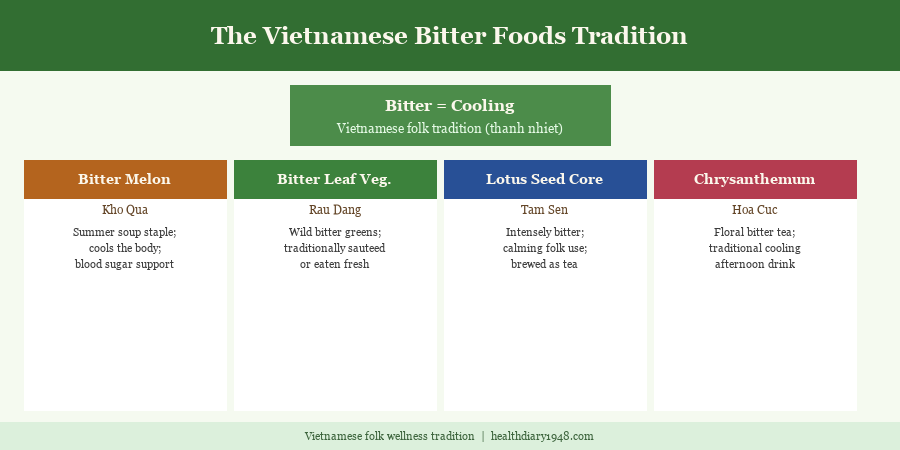
Perhaps no principle in Vietnamese folk wellness is as deeply ingrained as the belief in thanh nhiet — cooling and clearing internal heat. And no food embodies this belief more than kho qua (bitter melon, Momordica charantia), also called muop dang in Northern Vietnam.
Bitter melon has been consumed across generations in Vietnamese households, particularly in Southern Vietnam where it appears in the beloved canh kho qua nhoi thit — a stuffed bitter melon soup served as comfort food and, traditionally, at Tet feasts. The name itself carries folk meaning: kho qua literally suggests "bitterness has passed," a hopeful phrase for the new year.
Vietnamese folk belief holds that bitter foods cool the blood and clear excess heat from the liver and digestive system. Modern research has begun exploring these traditional associations. A 2022 study published in Oxidative Medicine and Cellular Longevity found that bitter melon extract demonstrated anti-aging effects in mouse models, improving antioxidant enzyme activity (superoxide dismutase, catalase, glutathione peroxidase) and helping maintain cognitive function in the hippocampus via the PI3K/AKT signaling pathway. [1]
Hello Bacsi, a leading Vietnamese health portal, notes that kho qua is rich in vitamins A and C, supports blood sugar balance, and is traditionally consumed two to three times per week in moderation. [7]
Beyond bitter melon, Vietnamese kitchens also feature rau dang (wild bitter leaf vegetables), consumed raw in herb plates or lightly sauteed. The principle remains consistent: bitterness, in Vietnamese folk thought, is associated with clearing, cooling, and renewal — qualities valued for the aging body.
Important note: NCBI's LiverTox review identifies bitter melon as a potential abortifacient — it should not be used during pregnancy or by women trying to conceive. [2] Individual responses to bitter melon vary considerably; those with diabetes or on blood sugar medications should consult a healthcare provider before regular consumption.
Moringa: Vietnam's Longevity Tree
Chum ngay is the Vietnamese name for moringa (Moringa oleifera), a tree that has been part of Vietnamese gardens and folk cooking for generations, particularly in Central Vietnam where it grows abundantly. The tender young leaves are added to soups, stir-fried with garlic, or incorporated into broths — preparations that Vietnamese grandmothers have passed down as everyday nourishment rather than special tonics.
The Vietnam.vn government cultural portal notes that chum ngay is particularly valued in winter months when warming, nutrient-dense foods are prioritized in Vietnamese folk tradition. [11]
Contemporary nutritional research offers context for why this tradition endures. A study published in Nutrients (2021) found that moringa leaf powder contains approximately 25% protein, along with substantial vitamins A and C, and exerts neuroprotective effects in neuronal cells by reducing reactive oxygen species, stabilizing mitochondrial membrane potential, and activating antioxidant enzymes (SOD, catalase, glutathione peroxidase). [3] A comprehensive review in PMC (2023) further documented moringa's anti-inflammatory, hepatoprotective, and cardioprotective properties, noting over 100 characterized compounds including flavonoids, isothiocyanates, and vitamins. [10]
In Vietnamese folk cooking, moringa leaves are most often prepared as canh chum ngay — a clear soup with shrimp or pork — or stir-fried with garlic and a small amount of fish sauce. The folk understanding is that chum ngay nourishes the body's strength and promotes clear thinking, a belief that finds interesting parallels in the emerging neuroprotection research.
Individual responses to any food vary considerably, and moringa is no exception. Those on diabetes medications or blood pressure medications should consult a healthcare provider, as moringa may interact with these treatments.
Lotus Seeds for Aging Well
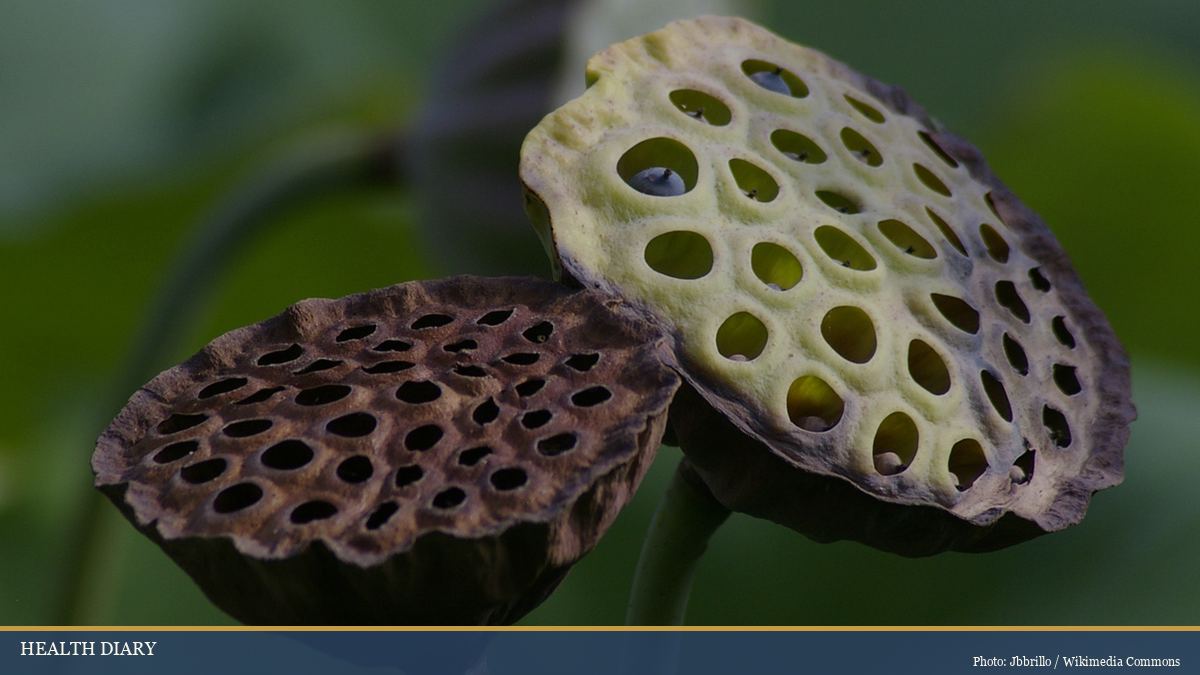
Few foods carry as much cultural weight in Vietnamese folk tradition as hat sen — lotus seeds (Nelumbo nucifera). The lotus is Vietnam's national flower, and its seeds have been woven into Vietnamese cuisine and folk healing for centuries. Elderly Vietnamese are often given dishes featuring hat sen as a gesture of care and respect — a practice grounded in the belief that lotus seeds nourish the spirit as much as the body.
Vinmec Hospital, one of Vietnam's leading healthcare systems, notes in its educational content that foods made from lotus "help nourish the spirit and effectively address confusion in elderly people" (duong tam khi nguoi cao tuoi), and that lotus seed enzymes may slow aging processes and help repair damaged proteins. [6]
Two beloved Vietnamese preparations bring lotus seeds into daily life:
- Che hat sen (lotus seed sweet soup): Simmered with rock sugar and sometimes dried longan or wood ear fungus, this gentle dessert soup is traditionally served warm to elders and believed to calm the nervous system.
- Chao hat sen (lotus seed congee/porridge): A simple, easily digestible preparation often given to recovering individuals or served as a light evening meal for older family members.
The research basis for these traditions is growing. A PMC review (2025) documented that major alkaloids from lotus seeds — including neferine and nuciferine — show neuroprotective effects via GABA receptor modulation, antioxidant pathways, and anti-inflammatory mechanisms. [4] The folk Vietnamese association between hat sen and mental clarity and calm thus has growing mechanistic backing, though human clinical trials specifically in elderly populations remain limited.
Lotus seeds are high in protein (18g per 100g dried), magnesium, potassium, and phosphorus, while being low in saturated fat. They represent a nutritionally dense, culturally meaningful food well-suited to an aging population's needs. Individual responses vary; hat sen is generally considered well-tolerated in traditional Vietnamese cooking quantities.
Green Vegetable Soups and Daily Nourishment
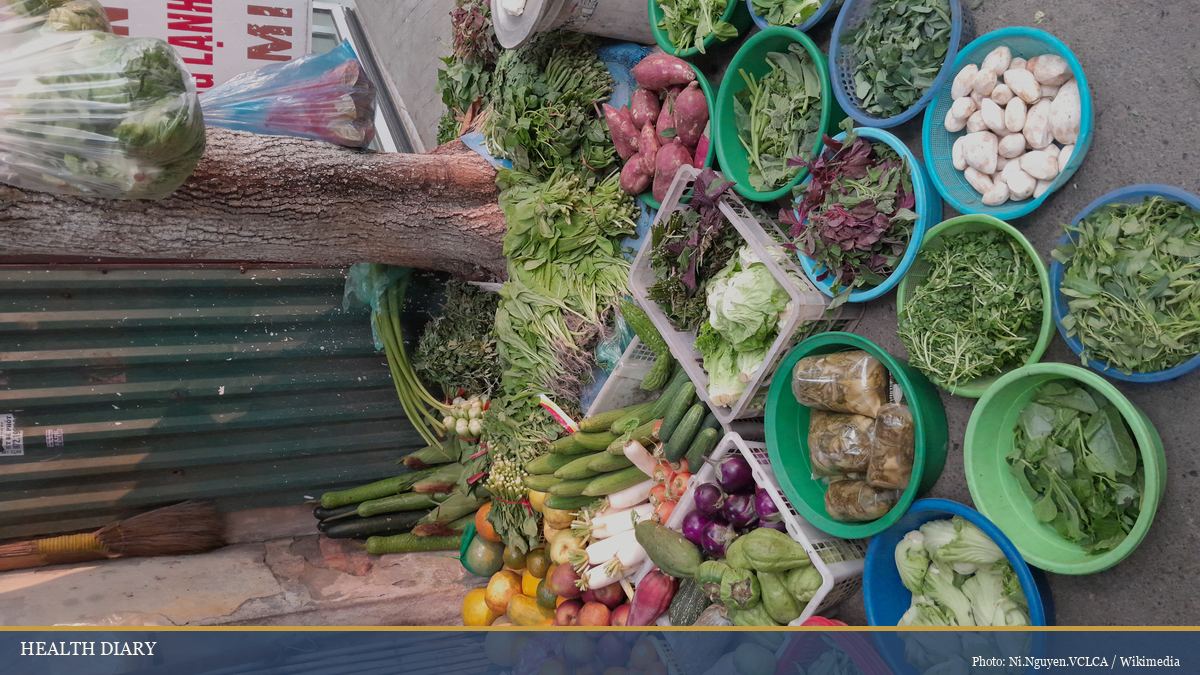
If there is one practice that unites Vietnamese grandmothers across regions, it is the daily making of canh — Vietnamese vegetable soups. These are not elaborate preparations; they are the quiet backbone of Vietnamese daily eating, prepared in minutes and served at nearly every lunch and dinner.
Several canh are particularly associated with everyday nourishment and folk wellness in Vietnamese tradition:
- Canh rau ngot (sweet leaf soup, Sauropus androgynus): Perhaps the most common home soup in Southern Vietnam, rau ngot leaves are simmered in a light broth with shrimp or pork. The leaves are rich in vitamins A and C, calcium, and iron. A PMC study (2022) documented Sauropus androgynus's extensive traditional use across Southeast Asia in culinary and folk wellness contexts. [8]
- Canh bi do (pumpkin soup): Made from kabocha or butternut-style pumpkins, this warming, orange-hued soup is associated with nourishing the stomach and spleen in Vietnamese folk understanding — organs considered central to long-term vitality in Dong y framework.
- Canh la lot (wild betel leaf soup): Piper lolot leaves lend a distinctive aromatic bitterness to this folk soup, traditionally associated with warming the body and easing joint discomfort in older Vietnamese.
The Vietnamese canh tradition reflects a core Dong y principle: daily small nourishment is more sustainable than occasional intensive remedies. The consistency of vegetable-rich soups as part of every meal — rather than supplements or tonics — is itself a wellness practice. Individual experiences with these soups vary; they are culinary traditions, not prescriptions.
What Daily Wellness Habits Support Vietnamese Elders?
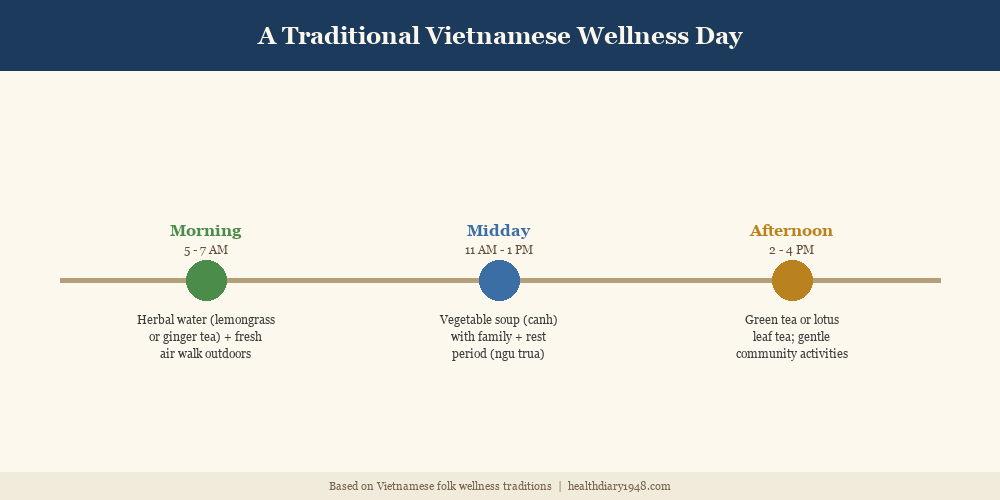
Food is only one dimension of Vietnamese longevity tradition. The daily rhythm of life — particularly for older generations — reflects wellness principles that extend well beyond the kitchen.
Morning Herbal Water (Nuoc La)
Many Vietnamese households, especially in Central Vietnam, begin the day with nuoc la — boiled herbal water made from a combination of herbs available seasonally. Common bases include lemongrass (sa), ginger (gung), chrysanthemum (hoa cuc), or pandan (la dua). The Mot Water tradition of Hoi An — a blend of lemongrass, lotus leaves, chrysanthemum, and ginger — is perhaps the most widely recognized expression of this practice, historically consumed for its cooling and digestive folk properties. [9]
The Afternoon Rest (Giu Nghi Trua)
Across Vietnam, the post-lunch rest period is deeply embedded in daily culture. Many Vietnamese, particularly older generations, observe a midday rest of 30 to 60 minutes. This cultural practice is not merely practical — in Vietnamese folk understanding, it is considered essential for preserving vital energy (khi) and allowing the digestive system to fully process the midday meal.
Communal Family Meals
Vietnamese meals are rarely solitary. The gathering of multiple generations around shared dishes — each person taking portions of shared communal plates — reflects a social wellness practice that research increasingly associates with healthy aging. The act of sharing, of conversation over food, of intergenerational connection is embedded in Vietnamese daily life in ways that may contribute to the social determinants of longevity.
Intergenerational Herb Knowledge
In Vietnamese folk tradition, knowledge of herbs and food practices passes from grandmothers to grandchildren through direct cooking participation. This transmission of practical wellness knowledge — which herb to add to a winter soup, when to use ginger versus lemongrass, how to prepare hat sen — represents a living tradition of embodied wellness education. Individual experiences with these traditions vary widely based on regional culture and family practice.
How Do Vietnamese Folk Herbs Support Older Adults?
Beyond the kitchen staples, Vietnamese folk tradition maintains a rich repertoire of herbs specifically associated with supporting the aging body:
Gung (Ginger)
Ginger is perhaps the most universally present warming herb in Vietnamese cooking. Folk tradition associates ginger with warming the stomach and promoting healthy circulation in cold weather — particularly relevant for elderly people who may experience cold sensitivity. It appears in winter soups, morning teas, and is historically added to many preparations for older family members.
Nghe (Turmeric)
Turmeric's vivid golden color reflects its folk status as a warming, invigorating spice in Vietnamese cooking. Beyond its culinary use in curries and braised dishes, turmeric has long been used in Vietnamese folk wellness as a digestive aid and, traditionally, applied topically for skin complaints. Modern research has extensively studied curcumin (turmeric's active compound) for its anti-inflammatory properties, though supplemental doses differ significantly from culinary amounts.
Rau Ma (Gotu Kola, Centella asiatica)
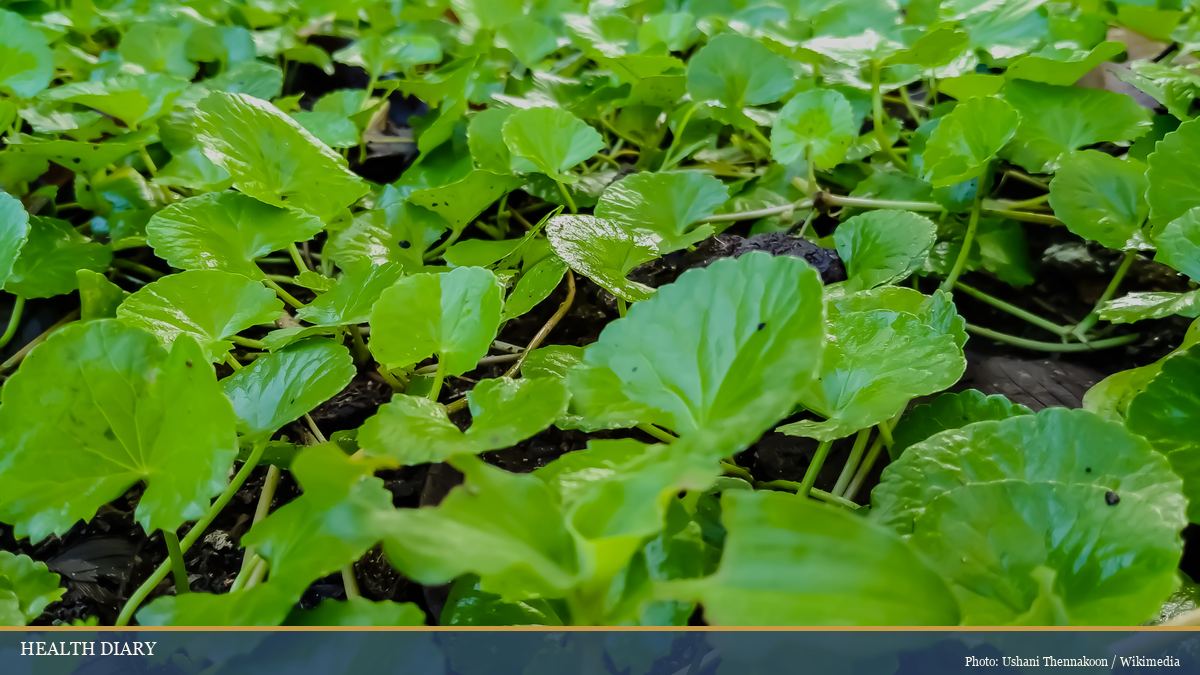
Rau ma is among the most recognizable Vietnamese folk herbs. Fresh gotu kola leaves are consumed in salads, blended into cooling drinks, and traditionally associated with mental calm and clear thinking. A review published in PMC (2012) documented Centella asiatica's neuroprotective mechanisms, including reduction of amyloid-beta accumulation, acetylcholinesterase inhibition, and promotion of dendritic growth in hippocampal neurons — mechanisms particularly relevant to age-related cognitive health. [5] Limited human clinical evidence suggests modest cognitive benefits at 500mg extract daily in elderly subjects over six months, though much of the underlying research remains in animal or cell models.
Vietnamese folk use of rau ma predates this research by centuries; it is consumed as a fresh leaf vegetable and blended drink, not as a concentrated supplement. Individual responses vary; pregnant women should avoid therapeutic quantities of rau ma.
Frequently Asked Questions
What is the main principle behind Vietnamese traditional wellness for aging?
Vietnamese folk wellness tradition, rooted in Dong y principles, emphasizes balance and daily nourishment over acute intervention. The concept of an uong lanh manh (healthy mindful eating) encourages consuming a diversity of vegetables, soups, and gentle herbs daily rather than relying on occasional tonics. Bitter foods cool internal heat, warming herbs support circulation, and communal meals provide social nourishment. Individual experiences with these traditions vary considerably based on health status, age, and regional customs.
Can I eat bitter melon every day for healthy aging?
Vietnamese folk tradition typically includes bitter melon two to three times per week rather than daily, and always as a cooked food (soup or stir-fry) rather than in concentrated extract form. Hello Bacsi advises a maximum of two fruits per meal, up to four times weekly. Those with diabetes or on blood sugar medications should consult a healthcare provider before regular consumption, as bitter melon may interact with these treatments. Pregnant women should avoid bitter melon due to its potential abortifacient properties.
What are lotus seeds (hat sen) traditionally used for in Vietnamese wellness?
In Vietnamese folk tradition, lotus seeds are associated with calming the nervous system, supporting restful sleep, and nourishing mental clarity in elderly people. They are most commonly consumed in che hat sen (sweet lotus seed soup) or chao hat sen (lotus seed congee). Vinmec Hospital notes that traditional Vietnamese food wisdom considers lotus seeds particularly beneficial for elderly mental vitality. These are folk wellness associations; lotus seeds are nutritious foods, not clinical treatments.
What is nuoc la and how is it traditionally consumed?
Nuoc la literally means "leaf water" — herbal water made by boiling herbs such as lemongrass, ginger, chrysanthemum, or pandan. It is traditionally consumed in the morning, often replacing plain water, and is associated in Vietnamese folk tradition with supporting digestion, cooling internal heat, and starting the day with gentle herbal nourishment. The Hoi An Mot Water tradition represents one of the most documented regional expressions of this practice. Individual responses vary; those with specific medical conditions should consult a healthcare provider about herbal water consumption.
Is gotu kola (rau ma) safe for elderly people?
Rau ma has a long history of safe folk consumption in Vietnam as a fresh leaf vegetable in salads and blended drinks. When consumed as a culinary herb in typical Vietnamese food quantities, it is generally considered well-tolerated. Research suggests potential cognitive benefits, though human clinical evidence remains limited. Pregnant women, those with liver conditions, or those taking sedative medications should exercise caution and consult a healthcare provider. Individual responses vary considerably.
How does Vietnamese tradition approach the concept of communal eating and aging?
Vietnamese culture deeply embeds multi-generational communal eating as a wellness practice. Elderly family members are honored at meals, and the sharing of food carries social and emotional dimensions beyond nutrition. Vietnamese folk tradition considers social connection during meals — the exchange of stories, the presence of grandchildren, the ritual of shared dishes — to be part of holistic aging well. This aligns with contemporary research on social determinants of healthy aging, though individual and regional variations are significant.
Important Limitations and Considerations
The traditions described in this article reflect Vietnamese folk wellness practices and cultural heritage. Several important considerations apply to anyone curious about incorporating these practices:
- Drug interactions: Bitter melon may interact with diabetes medications and blood thinners. Gotu kola may interact with sedatives and hepatotoxic drugs. Moringa may affect blood pressure and diabetes medication effectiveness. Always inform your healthcare provider of all herbs and foods consumed regularly.
- Pregnancy and breastfeeding: Bitter melon should be avoided during pregnancy (potential abortifacient). Therapeutic doses of gotu kola should be avoided during pregnancy. Culinary amounts of ginger, turmeric, and moringa leaves are generally considered food-safe but consult a provider for certainty.
- Children: Concentrated herbal preparations are generally not recommended for children. Culinary uses in traditional Vietnamese soups and dishes at normal portion sizes have a long cultural history of family consumption.
- Individual variation: What works well for one person may not suit another, and personal responses to any herb or food can differ significantly based on individual health status, genetics, and existing conditions.
- Research limitations: Many of the research studies cited involve animal models or cell studies. Human clinical trials specifically in elderly Vietnamese populations remain limited. Traditional folk use does not guarantee efficacy or safety for specific individuals.
- Quality variability: The nutritional content of herbs and vegetables varies based on growing conditions, preparation methods, and freshness. Traditional Vietnamese preparation (cooking, not concentrating) differs significantly from supplement forms.
About This Article
Written by: Health Diary Editorial Team — researchers specializing in traditional Asian wellness traditions and evidence-based herbal practices.
Editorial review: This article has been reviewed by the Health Diary editorial team for clarity, structure, and adherence to our sourcing standards. Key claims were cross-checked against PMC/PubMed peer-reviewed literature, NCBI LiverTox, Vinmec Hospital (Vietnam), and Hello Bacsi (Vietnamese health portal). It is not a clinical review and should not replace consultation with a licensed healthcare practitioner.
Reviewed on: June 16, 2026.
Editorial process: We cite peer-reviewed and government sources where possible. We also draw on native-language Vietnamese health sources to ensure cultural authenticity. When a clinical reviewer is added to this article, attribution will appear here with verifiable credentials.
References
- Guo Y, et al. Anti-Aging Effect of Momordica charantia L. on d-Galactose-Induced Subacute Aging in Mice by Activating PI3K/AKT Signaling Pathway. Oxidative Med Cell Longev. 2022. PMC9320056
- LiverTox: Clinical and Research Information on Drug-Induced Liver Injury — Bitter Melon. NCBI Bookshelf. 2023. NBK590483
- Saini RK, et al. Nutritional Value of Moringa oleifera Leaf Powder Extracts and Their Neuroprotective Effects via Antioxidative and Mitochondrial Regulation. Nutrients. 2021. PMC8308447
- Neuroprotective Potential of Major Alkaloids from Nelumbo nucifera (Lotus): Mechanisms and Therapeutic Implications. Int J Mol Sci. 2025. PMC12428744
- Bhattacharya SK, Ghosal S. Centella asiatica (L.) Urban: From Traditional Medicine to Modern Medicine with Neuroprotective Potential. Int J Mol Sci. 2012. PMC3359802
- Hat sen tot nhu nao cho suc khoe? Vinmec Hospital. 2023. vinmec.com
- Tac dung cua kho qua la gi? Hello Bacsi. 2023. hellobacsi.com
- Koh RY, et al. Sauropus androgynus (L.) Merr.: a multipurpose plant with multiple uses in traditional ethnic culinary and folk wellness preparations. Evid Based Complement Alternat Med. 2022. PMC8900104
- Vietnamese Herbal Teas: A Journey into Health and Culture. Vinpearl. 2024. vinpearl.com
- Vergara-Jimenez M, et al. Moringa oleifera: An Updated Comprehensive Review of Its Pharmacological Activities, Phytopharmaceutical Formulation, Clinical, Phytochemical, and Toxicological Aspects. Int J Mol Sci. 2023. PMC9916933
- Don't forget moringa, especially in winter. Vietnam.vn (Official Vietnamese Government Cultural Portal). 2023. vietnam.vn
This article is for educational purposes only and reflects traditional Vietnamese cultural practices. It does not constitute medical advice. Consult a qualified healthcare provider before making dietary changes.