Medical Disclaimer: This content is for educational and informational purposes only and is not medical advice. The information presented is not intended to diagnose, treat, cure, or prevent any disease. Always consult a licensed healthcare practitioner before starting any new herbal practice or supplement. Statements regarding traditional herbal use have not been evaluated by the FDA.
Affiliate Disclosure: This article contains affiliate links. We may earn a commission if you purchase through these links, at no additional cost to you. We only recommend products we believe align with our editorial standards.
When the days grow short and the cold settles in, the body seems to want less of everything — and more warmth, more rest, more quiet. People sleep more heavily, crave hot soup over salad, and instinctively pull a blanket a little closer. Long before thermostats and central heating, the wellness traditions of East Asia noticed this seasonal turn and built a philosophy around it. Across China, Japan, Korea, and Vietnam, winter is treated not simply as cold weather to endure but as a distinct energetic season with its own foods, rhythms, and moods.
This guide is an overview of winter wellness traditions in traditional East Asian thought — why winter is linked to the Water element and the kidneys, how the same idea surfaces in four cultures, what modern research has explored, and gentle ways some people bring these practices into daily life. For deeper dives, we cover warming winter foods and winter teas in separate companion articles.
Why Winter Asks the Body to Slow Down and Store
In much of East Asian medicine, the body is seen as part of nature rather than separate from it. A central idea, translated as "nourishing life" (养生, yangsheng in Chinese, dưỡng sinh in Vietnamese), holds that living in step with the seasons keeps the body in balance. A peer-reviewed overview of biological rhythm in traditional Chinese medicine describes this as "harmony between human and nature," with seasonal rhythms read through Yin-Yang and the Five Elements. [1] Each season invites a different posture: where spring is emergence and summer is expansion, winter is the season of storing away (藏, cang) — the harvest is safely put by, the fields lie quiet under frost, and life draws its energy deep inside to wait out the cold. Winter, the classics say, is a time to conserve rather than spend, to keep warm, and to let the year settle into deep rest.
How Does Traditional Chinese Medicine View Winter?
In Traditional Chinese Medicine (TCM), winter corresponds to the Water element and the Kidney (Thận) organ network. Water is associated with stillness, depth, the color black, and the salty taste. Because the kidneys in this system are considered the body's reservoir of vital essence (jing) and the root of warmth and reserves, winter is traditionally seen as the season to protect that reservoir — to keep warm, rest well, and avoid draining the body's deep stores.
The oldest source for this thinking is the Huangdi Neijing (Yellow Emperor's Inner Classic), whose chapter on "regulating the spirit according to the four seasons" describes the three months of winter (冬三月) as the time of bi cang (闭藏) — "closing and storing." It advises sleeping early and rising late, "waiting for the sunlight," keeping the will quiet and contained, staying away from cold and close to warmth, and not letting the skin sweat heavily and scatter the body's warmth. Going against this winter current, the text warns, may burden the kidneys. [2]
Diet and daily habits follow the same logic. Chinese public-health educators sum up early-winter wellness in one word — cang, storing — paired with "nourishing the kidney and preserving essence" (补肾藏精). Traditional guidance suggests keeping the head, back, and feet warm, going to bed earlier and rising after daybreak, and favoring warming foods; "black" foods such as black beans, black sesame, and black rice are folk favorites for the kidney because, in Five Elements thinking, black is the color of Water. [3] The same sources add a note of balance: warming foods are welcome, but very heavy tonics and heavy sweating are discouraged, so the body stores rather than spends.
What Do Winter Wellness Traditions Look Like Across Asia?
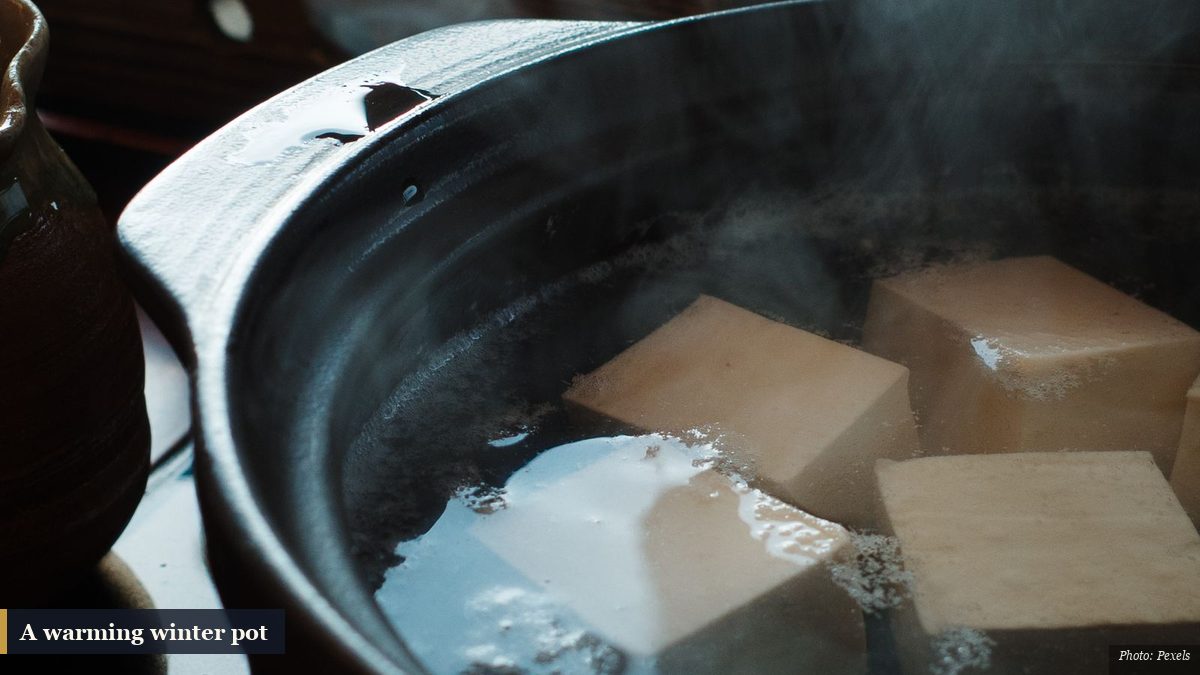
What makes winter so interesting is that four neighboring cultures took the same Water-and-Kidney idea and expressed it in their own kitchens, baths, and heated rooms. The vocabulary changes; the underlying rhythm — keep warm, rest deeply, store up for spring — stays remarkably consistent.
China. Winter wellness (冬季养生) centers on storing essence and caring for the kidneys (补肾藏精): warming stews and black foods, earlier nights, gentle exercise that raises only a light warmth, and guarding the neck, lower back, and feet from cold. A well-known saying — "if essence is not stored in winter, illness comes in spring" (冬不藏精,春必病温) — captures the whole seasonal attitude.
Japan. Japanese winter care leans on warmth as ritual. The onsen (hot spring) and the household kotatsu — a low table draped with a quilt over a heat source — are winter institutions for keeping the body warm and the family gathered. In kampo (traditional Japanese herbal medicine) thinking, winter is the cold season most tied to the kidney, and cold sensitivity (hie, 冷え) is softened with warming foods, warm baths, and protecting the neck, belly, and ankles from chill. [4]
Korea. Korean winter is shaped by ondol, the traditional underfloor heating that warms a room from the ground up and keeps the body's lower half — feet, legs, lower back — comfortably warm, exactly the areas the tradition prizes. The season is also linked to boyang (补霟), restoring the body with nourishing, warming meals, so hearty soups and stews return to the winter table.
Vietnam. Vietnamese dưỡng sinh (nurturing life) frames winter around dưỡng thận, tàng tinh — nourishing the kidneys and storing essence. Following the same "keep warm, rest, store" idea, winter meals favor warm porridges such as red-date or goji congee and warming meats in moderation, with warm foot soaks before bed, while people are advised to sleep earlier and avoid getting chilled or sweating heavily in the cold. [5]
The Five Elements and the Season of Water
To see why these traditions line up so neatly, it helps to picture the Five Elements (Wu Xing) as a wheel of the year. Each element pairs with a season, an organ network, a color, and a flavor. Spring sits with Wood; summer with Fire; late summer with Earth; autumn with Metal; and winter with Water.
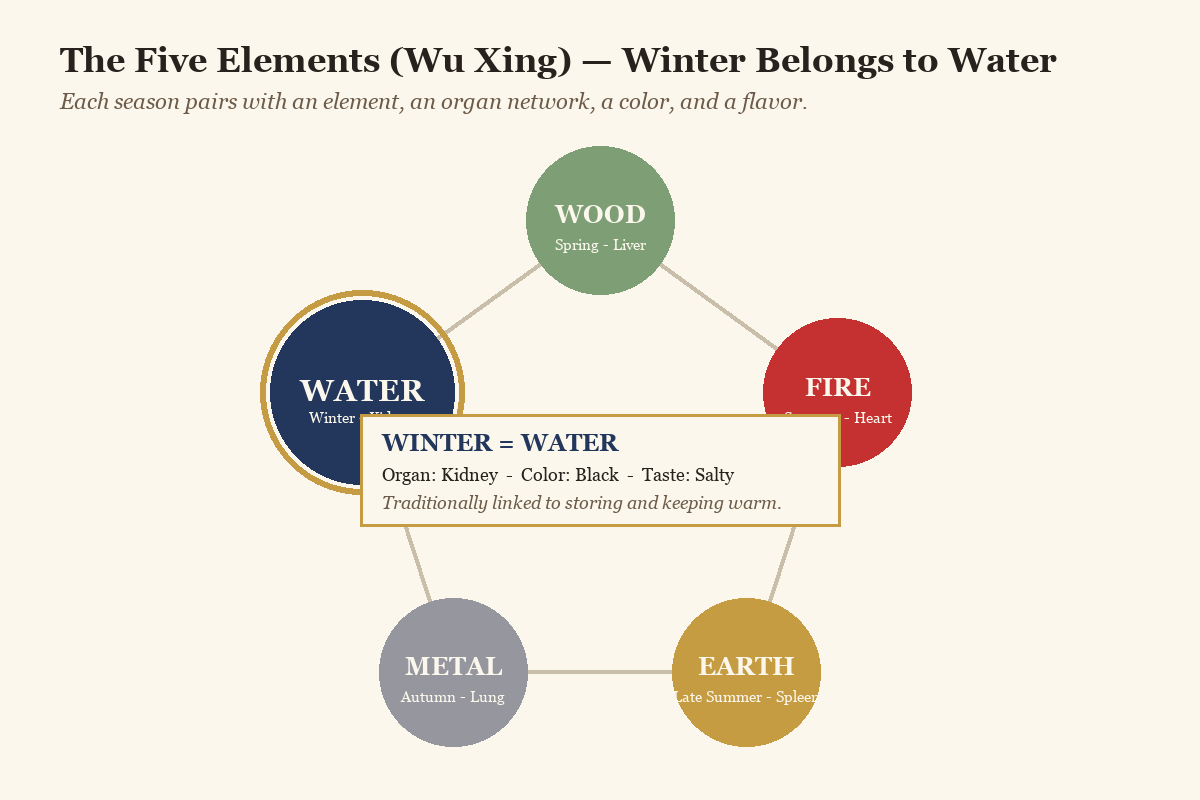
The wheel is best read not as biology in the modern clinical sense but as a memory system — grouping the color black, the salty taste, and the kidneys into one easy-to-remember pattern. It is what makes the scattered winter customs across Asia — steaming stews, hot springs, heated floors, warm foot baths — feel like variations on one theme rather than unrelated folklore.
What Does Modern Research Suggest About Winter Habits?
It is important to be clear-eyed: the classical seasonal framework is a philosophy of living, not a set of clinical trials, and much of it has not been tested the way modern medicine tests a drug. Still, several of winter's themes overlap with areas researchers have examined.
The tradition's central winter instinct — keep warm, and don't let the cold reach the body — has a serious physical counterpart. A large systematic review and meta-analysis of cold exposure and cardiovascular outcomes found that cardiovascular events rise measurably as temperatures fall, with the effect concentrated during cold spells. [6] The old emphasis on staying warm, covering the neck and lower back, and not overexerting in the cold lines up sensibly with what modern cardiology says about winter risk.
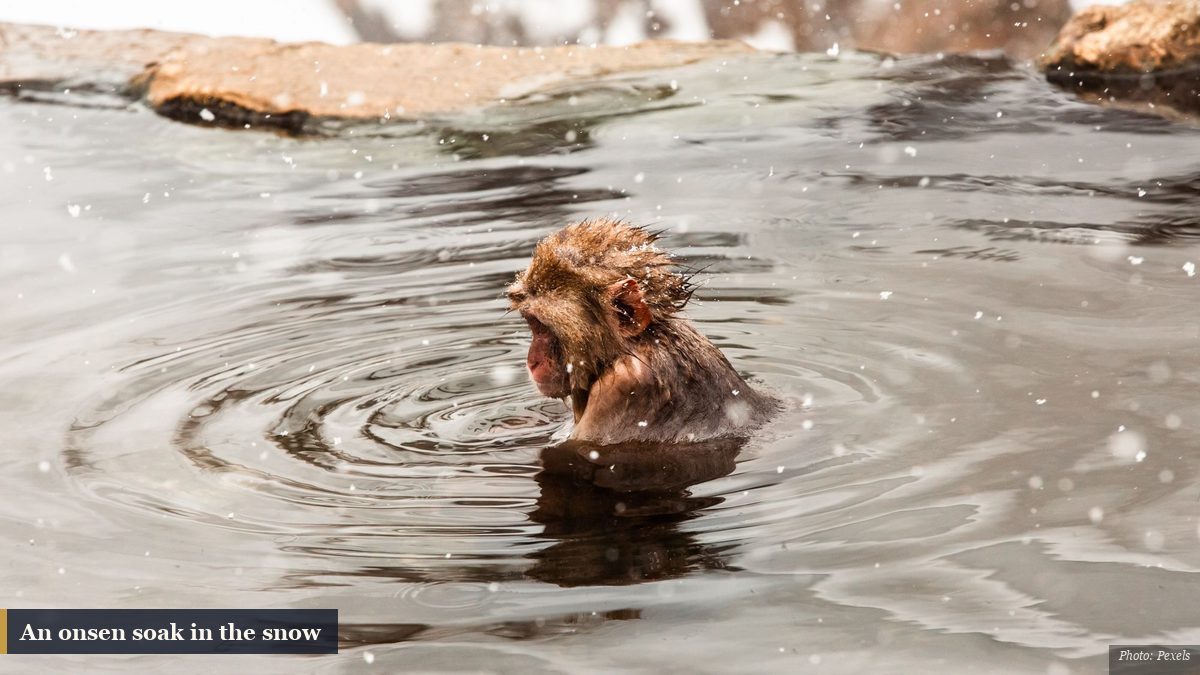
Even the Japanese habit of the evening hot-spring soak has drawn research attention. A cohort study of older Japanese adults reported that night-time hot-spring bathing was associated with a lower systolic blood pressure the following morning compared with daytime bathing. [7] The same work is careful to note that very hot baths and sudden temperature swings carry their own cautions, addressed in the Limitations section below.
Winter's preference for gentle, contained movement has a research-friendly parallel too: tai chi and qigong — the slow practices often recommended in the cold months — are described in a peer-reviewed review as mind-body exercises combining movement, breathing, and mental focus, [8] and the U.S. National Center for Complementary and Integrative Health notes they are generally safe, with research suggesting possible benefits for balance and stability, particularly in older adults. [9]
None of this proves the traditional claims, nor is it meant to. It simply shows that the season's gentlest recommendations — keep warm, rest more, eat warming meals, move calmly, and wind down earlier — sit comfortably alongside general wellness guidance. The more specific claims about the kidneys and Water remain a cultural framework, not established medical fact.
How Do People Bring Winter Wellness Into Daily Life?
For most people, winter wellness is less about strict rules and more about small seasonal adjustments. Common threads across the traditions include:
- Resting more and sleeping earlier. The classical advice to "sleep early and rise late, waiting for the sunlight" is winter's signature habit — following the long nights and letting mornings begin more slowly.
- Keeping warm, especially the lower body. Guarding the neck, lower back, and feet from cold — through layers, warm socks, scarves, and heated rooms — is the shared instinct from Beijing to Hanoi.
- Eating warm and nourishing. Hot soups, stews, and congees rather than cold, raw dishes is the season's kitchen wisdom, traditionally associated with staying warm from the inside.
- Warm baths and foot soaks. A hot spring, a warm bath, or a simple evening foot soak is a beloved way to warm the body before an early night.
- Gentle, warming movement. Rather than intense exertion that leaves you sweating in the cold, winter favors slower movement — walking, stretching, tai chi, or qigong — that raises a light, comfortable warmth.
- Conserving rather than spending. Winter counsel discourages heavy sweating, overwork, and burning the candle at both ends, so reserves are kept for spring.
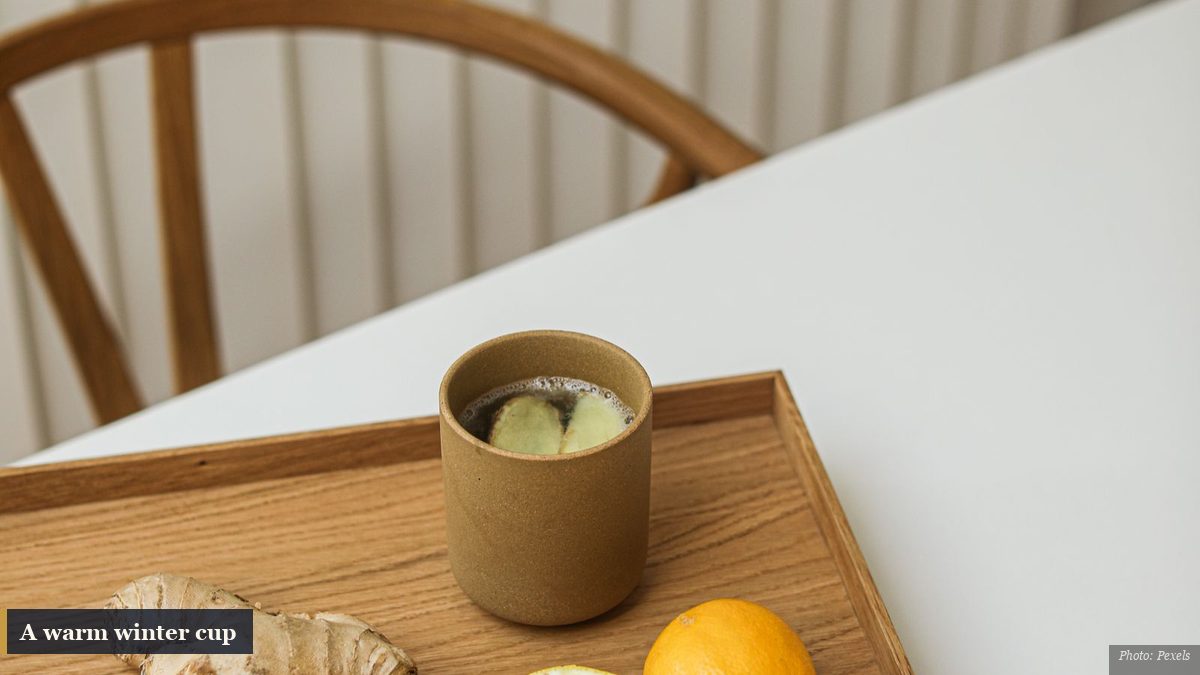
A warm, comforting cup of winter tea often accompanies these routines; we explore seasonal winter teas in a dedicated companion piece. Individual experiences vary considerably; what feels right for one person may not suit another, and personal experimentation under practitioner guidance is always recommended.
Important Limitations and Considerations
Winter wellness traditions are gentle by design, but "seasonal" does not mean "risk-free." A few honest cautions:
- Cold weather is genuinely hard on the heart and circulation. Cold makes blood vessels narrow and the heart work harder, and cardiovascular events rise as temperatures drop. [6] If you have heart disease, high blood pressure, or a circulation condition, take extra care in the cold, avoid sudden heavy exertion such as shovelling snow, and speak with a clinician about staying safe in winter.
- Very hot baths and sudden temperature swings carry real risk. Moving quickly between a cold room and a very hot bath — a phenomenon sometimes called "heat shock" — can stress the heart and blood pressure, and is especially hazardous for older adults and people with heart conditions. Keep bath water comfortably warm rather than scalding, warm the bathroom first, do not bathe alone if you are frail, and step out slowly.
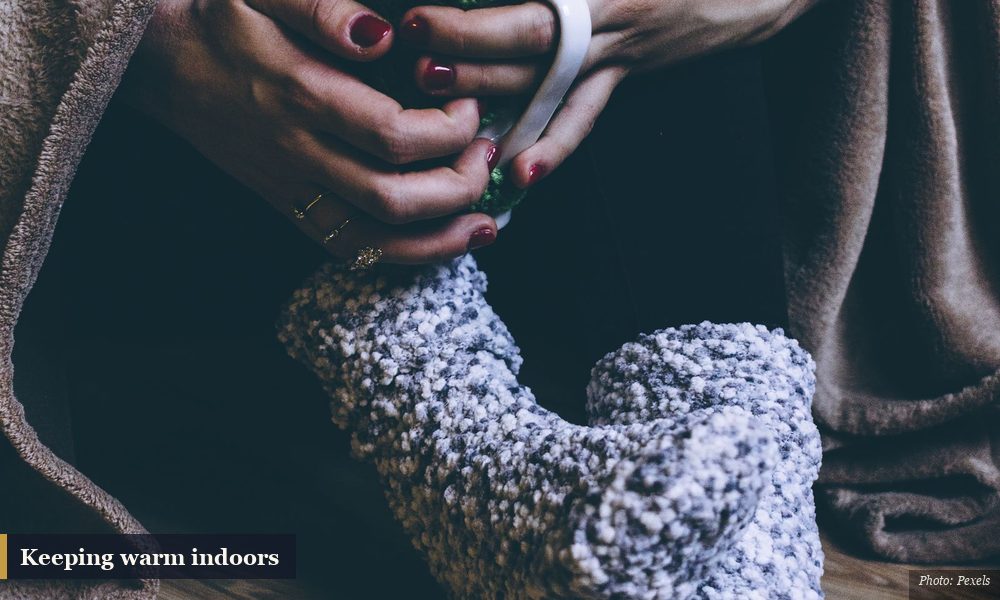
- Keeping warm indoors matters, especially for older adults. Health authorities advise maintaining a comfortably warm home and checking on elderly or vulnerable neighbours in cold weather, as prolonged cold indoors can be dangerous for them. [10]
- Warming tonics are not for everyone. Traditional winter "tonic" foods and herbs can be too heating for some people and may interact with medication. If you take prescription drugs, are pregnant or breastfeeding, or are feeding young children, check with a healthcare practitioner before adopting new herbal habits. And "storing" in winter does not mean giving up movement — gentle, regular activity still matters.
- Individual responses differ. Traditional seasonal advice was written for general populations, not for any specific medical condition. What is nourishing for one body may not suit another.
Frequently Asked Questions
What are winter wellness traditions?
Winter wellness traditions are seasonal habits — around warmth, food, rest, and movement — that East Asian cultures developed to live in step with winter. In this framework, winter corresponds to the Water element and the kidneys, so the customs emphasize keeping warm, resting more and sleeping earlier, eating warming and nourishing foods, gentle movement, and conserving the body's reserves. They are general lifestyle practices rather than treatments for any condition.
Why is winter linked to the kidneys in Chinese medicine?
In the Five Elements system, winter pairs with Water, and Water corresponds to the kidney network, traditionally seen as the body's reservoir of deep energy and warmth. Because winter is the cold, still, inward-turning season, traditional texts focus on protecting that reservoir — keeping warm, resting, and not draining the body's reserves. This is a traditional framework, not a modern clinical description of kidney function.
What foods are traditionally eaten in winter across Asia?
The shared instinct is warm and nourishing: black beans, black sesame, black rice, warming stews, and root vegetables in China; hot-pot dishes and warming foods in Japan; hearty soups and stews on Korea's heated floors; and warm red-date or goji congees in Vietnam. Warming meats are used in moderation across the region. Our companion article on warming winter foods covers these in more detail.
Is it healthy to sleep more in winter?
Many traditions actively encourage a little more rest in winter — the classical advice is to sleep earlier and rise after sunrise, following the long nights. For most people, honouring the urge to rest more in the dark months is a gentle, reasonable adjustment. If you feel persistently exhausted, low, or notice a marked seasonal mood change, that is worth discussing with a healthcare professional rather than simply sleeping it off.
A Note on Tracking Your Winter Habits
One quiet advantage of seasonal wellness is that it offers a natural moment to reset your routines. As winter begins, it can be useful to notice what changes — your sleep timing, your energy as the days shorten, how a warmer home or an earlier bedtime feel over a few weeks. A simple record helps you see your own patterns instead of guessing. This is the kind of gentle, non-clinical self-observation the Health Diary app is built to make easy: a place to log habits, moods, and seasonal shifts and watch how they connect over time.
A Soft Closing Note
Winter wellness traditions endure not because they promise dramatic results, but because they offer something gentler: a way of paying attention to the season and letting your habits move with it. Whether you wind down a little earlier, add a warming bowl of stew to your table, or simply give yourself permission to rest as the cold settles in, you are drawing on a very old, very human instinct. You can explore the season further through our companion guides to warming winter foods and winter teas whenever you are ready.
About This Article
Written by: Health Diary Editorial Team — a group of wellness writers and researchers focused on traditional East Asian health practices, with an emphasis on accuracy, cultural context, and responsible, non-clinical framing.
Editorial review: This article has been reviewed by the Health Diary editorial team for clarity, structure, and adherence to our sourcing standards. Key claims were cross-checked against NCCIH, NIH, the peer-reviewed cardiovascular literature, the classical Huangdi Neijing text, and native-language sources in Chinese, Japanese, and Vietnamese. It is not a clinical review and should not replace consultation with a licensed healthcare practitioner.
Reviewed on: July 18, 2026.
Editorial process: We cite peer-reviewed and government sources where possible. When a clinical reviewer is added to this article, attribution will appear here with verifiable credentials.
References
- Zhang T, Yan L, Ma S, et al. (2016). Human Biological Rhythm in Traditional Chinese Medicine. Journal of Traditional Chinese Medical Sciences, 3(4):206–211. sciencedirect.com
- Huangdi Neijing, Su Wen, Ch. 2 — "Discussion on Regulating the Spirit According to the Four Seasons" (四气调神大论), winter passage (冬三月,此谓闭藏). gushiwen.cn
- Fuzhou Municipal Health Commission (福州市卫生健康委员会). Start-of-Winter Wellness: The Core Is "Storing" (立冬养生核心在于“藏”), 2025. fuzhou.gov.cn
- Japan Longevity Science Foundation (公益財団法人 長寿科学振興財団). Winter Nurturing-Life (冬の養生) — Kampo, Mind and Body. tyojyu.or.jp
- Sức khỏe Việt. Winter Nurturing-Life Practice in Traditional Medicine (Bí quyết dưỡng sinh mùa đông theo Y học cổ truyền). suckhoeviet.org.vn
- Fan JF, Xiao YC, Feng YF, et al. (2023). A systematic review and meta-analysis of cold exposure and cardiovascular disease outcomes. Frontiers in Cardiovascular Medicine, 10:1084611. frontiersin.org
- Yamasaki S, Tokunou T, Maeda T, Horiuchi T (2023). Night-Time Hot Spring Bathing Is Associated with a Lower Systolic Blood Pressure among Japanese Older Adults. Geriatrics (Basel), 9(1):8. PMC10888263
- Wang C, Huang Q, Duke S, Yang Y (2017). Tai Chi, Yoga, and Qigong as Mind-Body Exercises. Evidence-based Complementary and Alternative Medicine. PMC5244011
- National Center for Complementary and Integrative Health. Tai Chi and Qi Gong: What You Need To Know. nccih.nih.gov
- National Institute on Aging (NIH). Cold Weather Safety for Older Adults. nia.nih.gov