Medical Disclaimer: This content is for educational and informational purposes only and is not medical advice. The information presented is not intended to diagnose, treat, cure, or prevent any disease. Always consult a licensed healthcare practitioner before starting any new herbal practice or supplement. Statements regarding traditional herbal use have not been evaluated by the FDA.
Affiliate Disclosure: This article contains affiliate links. We may earn a commission if you purchase through these links, at no additional cost to you. We only recommend products we believe align with our editorial standards.
As summer heat fades and the mornings turn crisp, tea drinkers across East Asia quietly change what sits in the pot. The bright, cooling green and white teas of July give way to something warmer, rounder, and a little sweeter. This gentle seasonal handoff is the heart of autumn tea traditions — a centuries-old habit of matching your cup to the mood of the season.
Autumn, in traditional wellness thinking, is the season of dryness. The air loses its moisture, lips chap, throats scratch, and skin feels tight. So the fall teas of China, Japan, and Vietnam are not chosen for cooling anymore, but for their comforting warmth and their reputation as gently moistening, or run zao (润燥), drinks. This guide walks through the autumn herbal teas people have long reached for, why they suit the season, and how to enjoy them thoughtfully.
Why Autumn Calls for a Different Cup
If you have followed our seasonal tea series, you will recognize the rhythm. In our spring herbal teas guide the emphasis was on gently uplifting, liver-friendly infusions, while our summer tea traditions and cooling herbal teas guide leaned into refreshment and heat relief. Autumn sits at the turning point: not hot, not yet cold, but noticeably drier.
Traditional Chinese sources describe dryness (燥) as the dominant seasonal energy of autumn, which is why the classic autumn wellness principle is nourish yin and moisten dryness — yang yin run zao (养阴润燥). In practice, that simply means people swap their icy summer drinks for warm, soothing cups that feel kind to a dry throat and dry skin. It is less about a single “best” tea and more about a shift in temperature and character.
How Traditional Wellness Systems View the Autumn Shift
In traditional Chinese practice, each organ system is paired with a season, and autumn is linked with the lungs and with the drying quality of the air. Practitioners have long recommended foods and drinks that are considered nourishing and fluid-generating — think pear, lily bulb, honey, and white fungus — to counter that dryness. Official Chinese medicine sources frame this as a move from clearing summer heat toward gently preserving the body’s internal moisture as the weather cools.
Japan reads the season through flavor and warmth rather than the same organ theory. As the weather turns, many households shift from sharp green sencha toward roasted “brown” teas such as hojicha and genmaicha. Roasting tempers the cooling character of the leaf and brings out a toasty, comforting aroma — a natural fit for cooler evenings. In Vietnam, warm chrysanthemum blends with goji berries and red dates become a familiar autumn ritual, valued in folk practice for their soothing, restful character.
What Makes Oolong the Classic Autumn Tea?
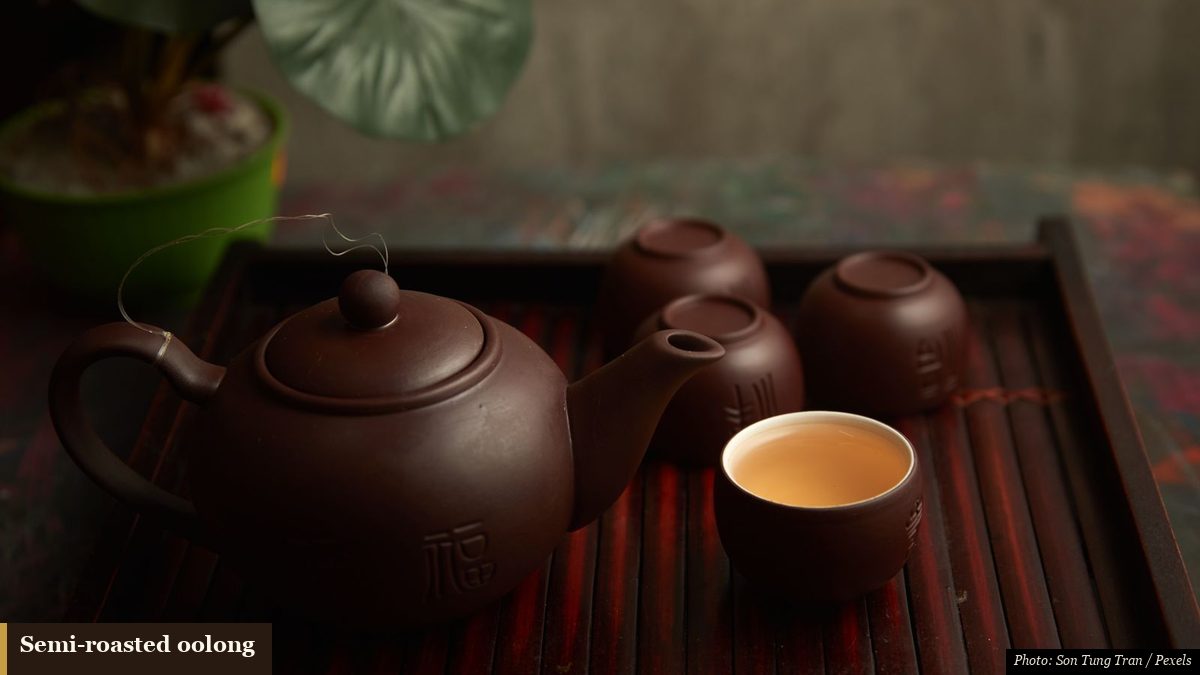
Ask a Chinese tea drinker which tea belongs to autumn and many will answer without hesitation: oolong. There is a poetic phrase, qiu cha (秋茶), “autumn tea,” and oolong is its emblem. The reason is elegantly simple. Oolong is semi-oxidized, sitting between unoxidized green tea and fully oxidized black tea. In traditional terms it is described as bu han bu re — neither cold nor hot — a balanced character that mirrors autumn’s own in-between mood.
That middle nature is exactly why it feels right when the season itself is transitional. A well-roasted autumn-harvest oolong, such as a Wuyi rock tea or a traditional Tieguanyin, offers a warm, mineral, slightly sweet cup without the brisk edge of green tea or the full intensity of black tea.
Which Autumn Teas Do People Reach For Across Asia?
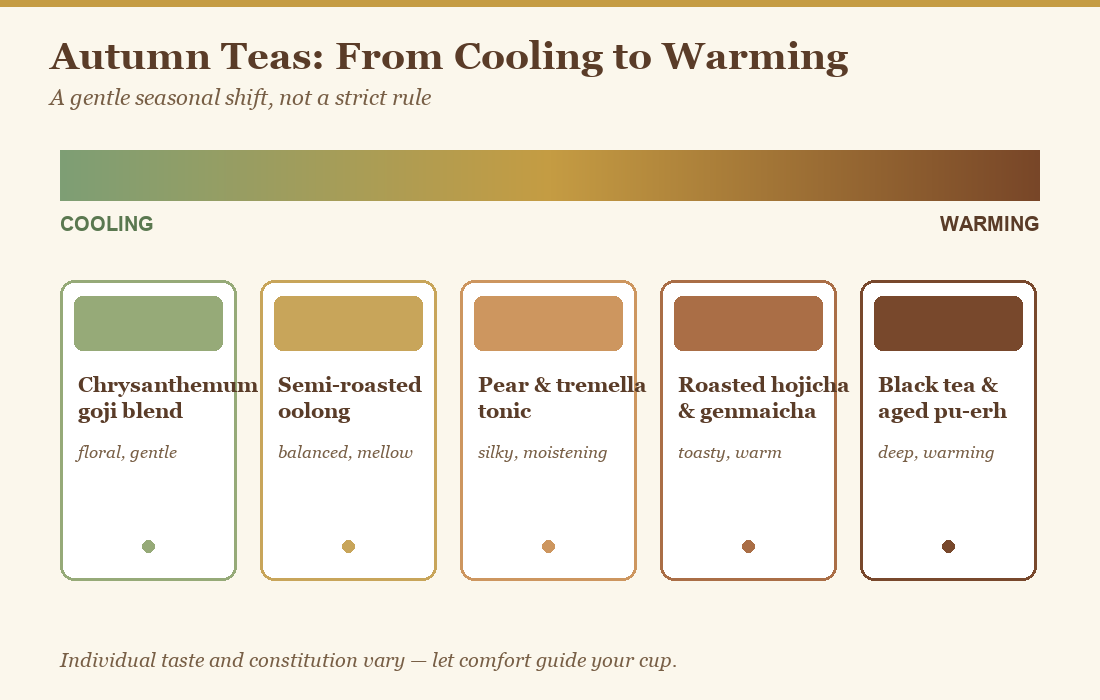
Beyond oolong, autumn opens up a whole cabinet of warm, moistening infusions. Here are the ones that appear most often when the leaves start to fall:
- Roasted oolong — the archetypal autumn cup, balanced and mellow, often re-roasted for extra warmth.
- Pear and lily bulb tea — simmered snow pear with dried lily bulb, sometimes a little honey; a homey drink long associated in Chinese kitchens with easing a dry, scratchy throat.
- Tremella and red date tea — white snow fungus slow-cooked with red dates and rock sugar into a silky, faintly sweet infusion prized as a moistening autumn tonic.
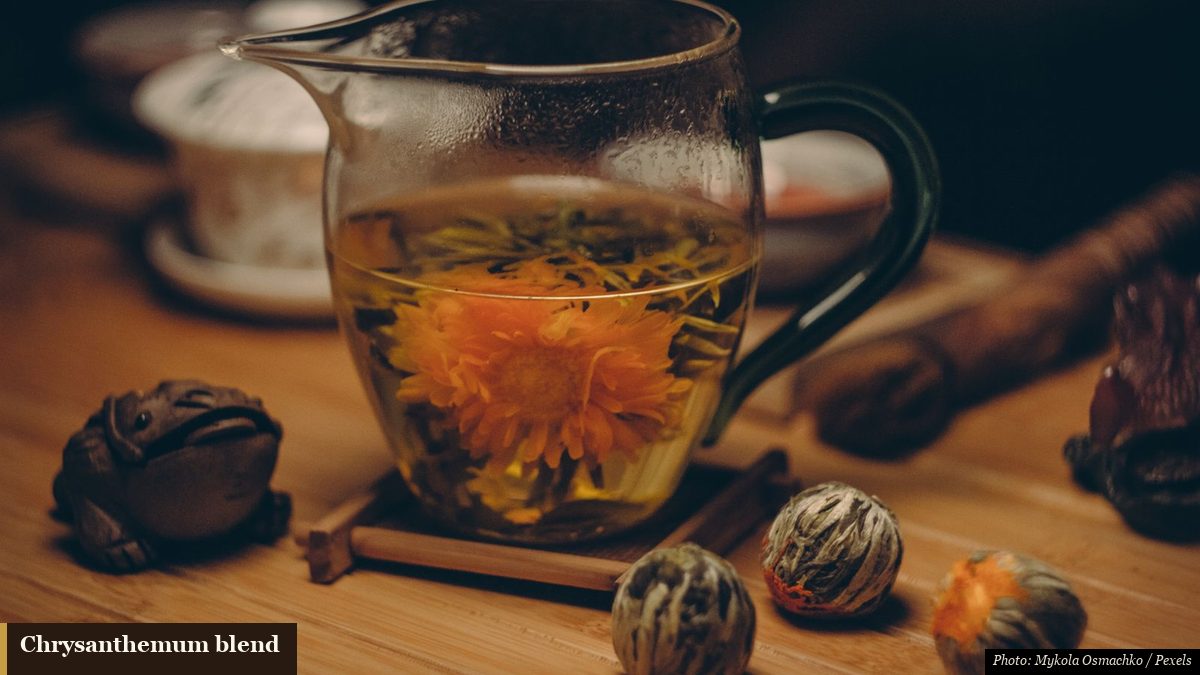
- Chrysanthemum, goji and red date — a fragrant, amber blend popular from Guangdong to Hanoi, gentle enough for daily autumn sipping.
- Mild cinnamon and ginger tea — a lightly warming choice for chilly mornings, used sparingly so it comforts rather than heats.
- Black tea and aged pu-erh — fully oxidized and warming, a natural step for the deeper, colder end of autumn.
- Hojicha and genmaicha — Japan’s roasted and rice-blended teas, low in sharpness and comforting as the evenings draw in.
Notice the common thread: these are warm, rounded, gently sweet teas rather than the sharp, cooling infusions of high summer. Many are traditionally enjoyed in autumn precisely because they feel soothing to a dry throat and easy on the stomach.
What Does Modern Research Say About These Teas?
It is important to be honest here: most of the seasonal reasoning above comes from tradition and cultural practice, not from clinical trials. That said, some of these teas have drawn genuine scientific interest, though the evidence is still early and mixed.
Oolong tea has been studied for its polyphenol and polysaccharide content. A 2022 review in Food Science and Human Wellness summarized laboratory and human research suggesting oolong compounds may have antioxidant activity and a role in lipid metabolism, with some trials reporting increased fat oxidation and energy expenditure compared with water (Ng et al., 2022). These are promising findings, not proof of any health outcome, and more human research is needed.
Tremella (snow fungus), the base of that silky autumn tonic, contains polysaccharides that a 2025 review in the Journal of Food Science described as showing antioxidant, immunomodulatory, and skin-hydrating activity in laboratory and animal models — including the stimulation of hyaluronic acid, which partly explains its long reputation as a moistening food (Rui et al., 2025). Again, the strongest evidence so far is preclinical.
The sensible takeaway is that these teas are best enjoyed as pleasant, hydrating seasonal drinks with a rich cultural history, rather than as remedies. Individual experiences vary considerably.
How Do People Brew and Enjoy Autumn Teas?
Autumn tea rituals are refreshingly low-effort. A few gentle habits people tend to follow:
- Warm, not scalding. Roasted oolong and black tea take near-boiling water (about 90–95°C); delicate chrysanthemum blends do better around 85°C.
- Rinse the blend. For chrysanthemum, goji, and red date, many people pour hot water over the ingredients for a few seconds and discard it, then steep the second pour for around 10–15 minutes.
- Simmer the tonics. Pear-lily and tremella-red date teas are gently simmered rather than steeped, which draws out their soft, silky texture.
- Keep warming spices light. A thin slice of ginger or a small piece of cinnamon is plenty; these are meant to comfort, not to heat aggressively.
- Sip slowly through the day. A warm cup in the late morning or after dinner suits the unhurried mood of the season.
None of this is prescriptive. Some people love a robust re-roasted oolong; others prefer the floral sweetness of a chrysanthemum blend. Individual responses vary considerably; what works well for one person may not suit another, and personal experimentation under practitioner guidance is always recommended.
Important Limitations and Considerations
Warm and comforting as they are, autumn teas are not right for everyone in every amount. A few things worth keeping in mind:
- Caffeine. Oolong, black tea, and pu-erh all contain caffeine. If you are sensitive, drinking them late in the day may interfere with sleep. Roasted teas like hojicha are lower in caffeine but not caffeine-free.
- Goji berries and blood thinners. Goji (a common add-in to autumn blends) has been linked in a documented case report to increased INR and bleeding when combined with warfarin (Rivera et al., 2012). If you take warfarin or other anticoagulants, speak with your doctor first.
- Cinnamon and ginger with a “heat” constitution. Warming spices may feel unpleasant for people who already run warm or are prone to dryness. Cassia cinnamon also contains coumarin, which the NCCIH notes could be a concern for sensitive individuals with prolonged, high intake (NCCIH, Cinnamon). Use small amounts.
- Pregnancy and breastfeeding. If you are pregnant or nursing, check with a healthcare practitioner before making any herbal tea a daily habit, as guidance varies by ingredient.
- Children and medical conditions. Keep caffeinated and strongly herbal teas away from young children, and consult a professional if you manage a chronic condition or take regular medication.
- Quality varies. Loose herbs, dried flowers, and fungus differ widely in quality and freshness. Buy from reputable sources and rinse dried ingredients before use.
Frequently Asked Questions
What is the best tea to drink in autumn?
There is no single “best” tea, but oolong is the traditional favorite because its semi-oxidized, balanced character suits the season’s in-between weather. Many people also enjoy warm chrysanthemum-goji blends, pear or tremella tonics, and roasted Japanese teas like hojicha. The common theme is warmth and a gentle, moistening quality.
Can I drink autumn herbal teas every day?
Many people enjoy warm autumn teas daily as a comforting seasonal routine, favoring moderate, consistent cups over large occasional amounts. Individual responses vary, so those who are pregnant, take medication, or have a health condition should check with a healthcare practitioner before making any blend a daily habit.
Why do people switch from green tea to oolong or black tea in fall?
In traditional thinking, green tea is considered cooling, which suits hot summers, while oolong and black tea are warmer in character. As autumn brings cooler, drier air, drinkers shift toward these rounder, more warming teas. In Japan the same logic drives the move from green sencha to roasted hojicha and genmaicha.
Do goji berries or chrysanthemum interact with any medications?
They can. Goji berry has been associated in case reports with increased bleeding risk in people taking warfarin. If you take blood thinners, medications for blood pressure, or diabetes drugs, talk with your doctor before adding goji or other herbal blends to your routine.
What does tremella and red date tea taste like?
It is mild, faintly sweet, and silky rather than strong or bitter. The white fungus lends a soft, almost jelly-like texture when simmered, and the red dates add a gentle, caramel-like sweetness. Many people find it soothing on a dry autumn throat.
A Gentle Note on Tracking Your Autumn Rituals
Seasonal habits are easy to start and just as easy to forget once life gets busy. If you enjoy a warm cup on cool mornings, it can be satisfying to note how different teas feel to you as the weeks pass — which ones you reach for, when, and how your evenings and sleep respond. A simple wellness journal, like the one we build at Health Diary, makes it easy to keep that kind of gentle, personal record without turning a pleasant ritual into a chore.
A Soft Closing Note
Autumn tea traditions are, at their core, about paying attention — noticing that the air has changed and letting your cup change with it. Whether you settle on a re-roasted oolong, a fragrant chrysanthemum blend, or a silky tremella tonic, the pleasure lies in the warmth and the ritual as much as anything else. As always, let your own taste and comfort lead the way.
About This Article
Written by: Health Diary Editorial Team — writers focused on traditional Asian wellness, herbal teas, and seasonal living, drawing on both classical texts and current research.
Editorial review: This article has been reviewed by the Health Diary editorial team for clarity, structure, and adherence to our sourcing standards. Key claims were cross-checked against NCCIH, NIH PubMed, and peer-reviewed reviews where applicable. It is not a clinical review and should not replace consultation with a licensed healthcare practitioner.
Reviewed on: July 18, 2026.
Editorial process: We cite peer-reviewed and government sources where possible. When a clinical reviewer is added to this article, attribution will appear here with verifiable credentials.
References
- Ng KW, et al. Multifunctional health-promoting effects of oolong tea and its products. Food Science and Human Wellness, 2022. Link
- Rui X, et al. Structure, Function and Application of Tremella Fuciformis Polysaccharide: A Review. Journal of Food Science, 2025. Link
- Rivera CA, et al. Probable Interaction Between Lycium barbarum (Goji) and Warfarin. Pharmacotherapy, 2012. Link
- National Center for Complementary and Integrative Health. Cinnamon: Usefulness and Safety. Link
- National Center for Complementary and Integrative Health. Ginger: Usefulness and Safety. Link