Medical Disclaimer: This content is for educational and informational purposes only and is not medical advice. It is not intended to diagnose, treat, cure, or prevent any disease. Always consult a licensed healthcare practitioner before making changes to your diet. Statements regarding traditional tea use have not been evaluated by the FDA.
Affiliate Disclosure: This article may contain affiliate links. We may earn a commission if you purchase through these links, at no additional cost to you. We only recommend products we believe align with our editorial standards.
Yellow tea is the rarest and least-known of China's six great tea types — a tea so scarce that even seasoned tea drinkers may never have tried it. Made much like green tea but given one extra, painstaking step that mellows its edge and turns the leaf a soft gold, yellow tea (黄茶) is a quiet treasure of Chinese tea culture. This guide explains what it is, the special step that defines it, and why it is disappearing — part of our wider guide to Asian herbal teas.
What Is Yellow Tea?
Yellow tea is a true tea from Camellia sinensis, made almost exactly like green tea — but with one crucial addition. After the leaves are fixed and rolled, they undergo a slow "sealed yellowing" step called men huang (闷黄) that green tea never gets. This gentle process softens the tea's grassy briskness into something rounder and sweeter, and gives it its signature look: "yellow leaf, yellow liquor" (黄叶黄汤) (Xu et al., 2018).
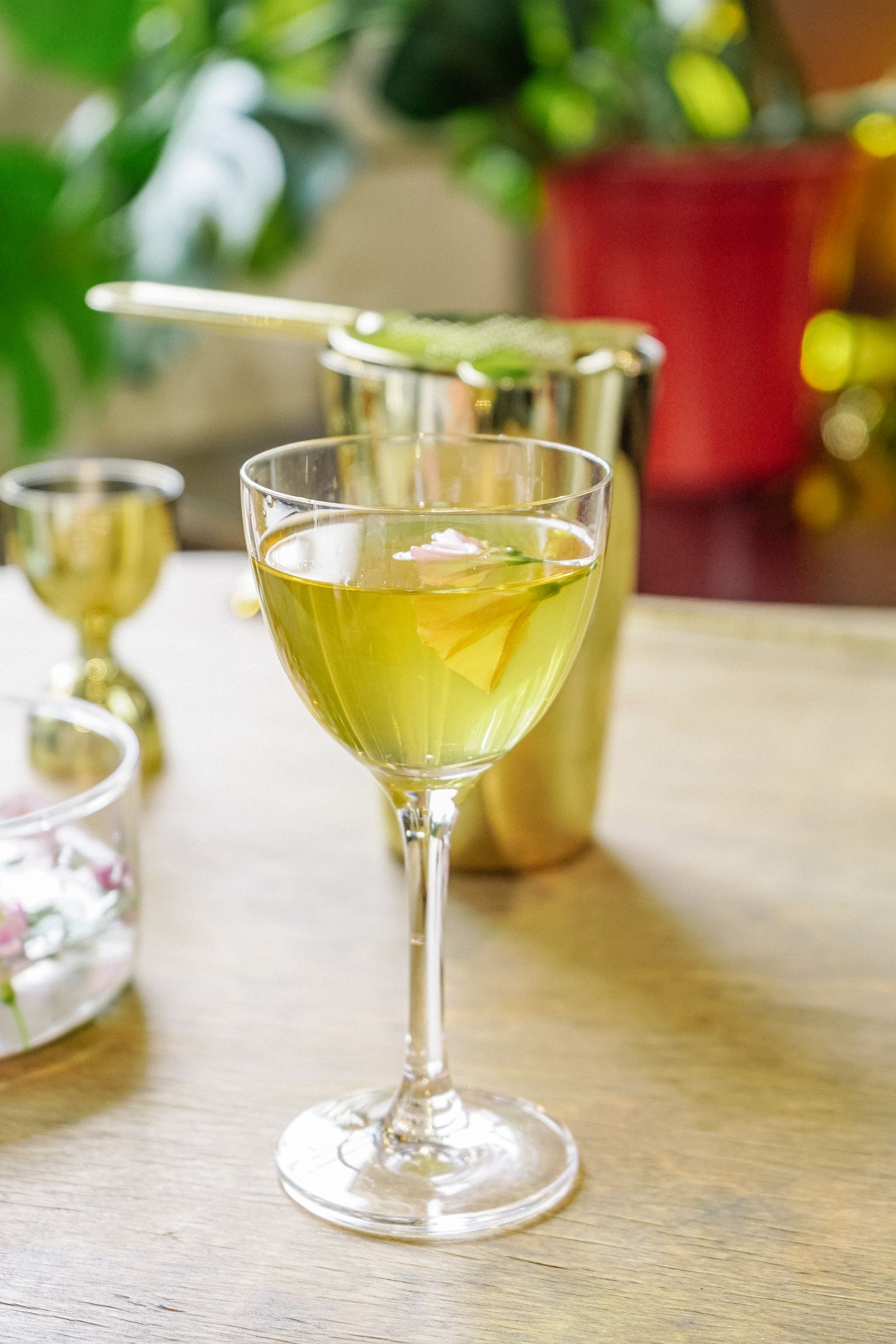
In the Chinese classification, yellow tea sits alongside green, white, oolong, red (black), and dark (pu-erh) as one of the six classic tea categories. It is often called "lightly fermented," but that phrase can mislead — as we'll see, the yellowing is not the enzymatic oxidation of oolong or the microbial fermentation of pu-erh. If you enjoy the freshness of a green tea like Longjing but find it a touch sharp, yellow tea is the mellow cousin worth seeking out.
What Is the Men Huang Step?
Men huang (闷黄, "sealing-yellowing") is the heart of yellow tea. After the kill-green and rolling steps, the still-warm, damp leaves are wrapped in cloth or paper, or piled and covered, and left to rest — anywhere from tens of minutes to, for the finest teas, a couple of days. Under this warm, moist, sealed condition the leaf undergoes a non-enzymatic, moist-heat auto-oxidation: not driven by enzymes (as in oolong and black tea) but by heat and moisture acting on the leaf's compounds (men huang process, Chinese source).
The chemistry is well documented. As the leaves yellow, their bitter, astringent catechins steadily decline while sweet-tasting amino acids and gallic acid rise, and the chlorophyll breaks down — which is exactly why the tea turns golden and tastes mellow and sweet rather than green and grassy (Fan et al., 2022)(yellowing dynamics, 2020). Getting this step right takes real skill — too little and it is just green tea, too much and it spoils.
The Famous Yellow Teas
Yellow teas are grouped by leaf tenderness — bud-only "yellow bud" teas (黄芽茶), small-leaf (黄小茶), and large-leaf (黄大茶). The celebrated ones are all bud teas:
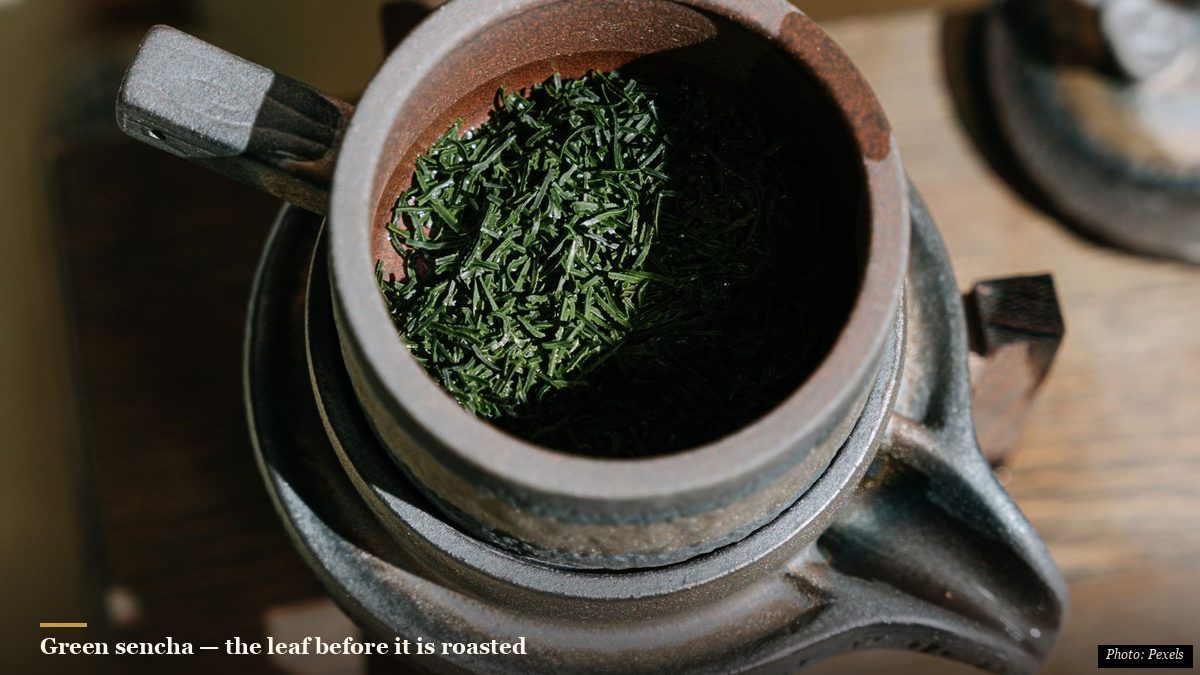
- Junshan Yinzhen (君山银针) — the most famous, from tiny Junshan Island in Dongting Lake, Hunan. A tribute tea for over a thousand years, its golden buds are traditionally brewed in a tall glass, where they are said to rise and sink three times (Baidu Baike, Junshan Yinzhen).
- Mengding Huangya (蒙顶黄芽) — from Mount Meng in Sichuan, one of China's oldest tea mountains; a delicate single-bud yellow tea.
- Huoshan Huangya (霍山黄芽) — from the Dabie Mountains in Anhui, a court tribute tea in the Ming and Qing dynasties.
Yueyang in Hunan is even known as "China's home of yellow tea" (Baidu Baike, yellow tea).
Why Is Yellow Tea So Rare?
Yellow tea makes up only around 1% of China's tea production, and its scarcity is a real story rather than marketing. The men huang step demands precise control of humidity and temperature, sometimes monitored around the clock for up to three days. The masters who know the craft are ageing, few young people are learning it, and farmers can earn more, more easily, by simply making green tea from the same leaves (the vanishing yellow tea). Seeking out a real yellow tea is, in a small way, helping keep a fragile tradition alive — a theme close to the heart of our tea culture guide.
Caffeine and What Research Says
As a true tea, yellow tea contains caffeine — broadly in the range of other lightly processed teas, with green tea running around 28 mg per cup as a reference point, though brewing time and leaf amount matter more than the category (MSK). It also carries the tea plant's catechins and L-theanine.
Honestly, there is very little yellow-tea-specific health research. Because it is so close to green tea, the general green-tea evidence is the best guide — and that evidence is modest and, for most claimed benefits, inconclusive in humans (NCCIH). Enjoy yellow tea for its rare, mellow character and cultural interest, not as a remedy. Individual responses vary considerably.
How Do You Brew Yellow Tea?
Like green tea, yellow tea is delicate and prefers cooler water — around 80–85°C rather than boiling, which would scald the tender buds and lose the mellow sweetness that the men huang step worked so hard to create. Bud teas like Junshan Yinzhen are classically brewed in a tall clear glass so you can watch the buds stand upright and slowly dance. Use a modest amount of leaf, a short steep, and re-infuse a few times. See our tea rituals guide for the wider ritual.
Safety and Considerations
- Caffeine. Yellow tea contains caffeine; be mindful in the evening and during pregnancy, when authorities advise limiting caffeine (NCCIH).
- Beverage, not extract. Brewed tea is well tolerated; concentrated green-tea extract supplements carry more risk, including rare liver injury (NCCIH).
- Medication and iron. Tea can interact with some medicines and reduce iron absorption; take it between meals if managing low iron, and check with a pharmacist if you take prescription drugs (MSK).
- Individual responses vary considerably.
Frequently Asked Questions
What is yellow tea?
Yellow tea is a rare Chinese true tea made like green tea but with an extra "sealed yellowing" step (men huang) that mellows the flavour and turns the leaf and liquor golden. It is one of China's six classic tea categories (Xu et al., 2018).
How is yellow tea different from green tea?
The difference is the men huang step. Green tea skips it; yellow tea adds a slow, warm, moist "yellowing" that reduces bitterness and astringency and brings out sweet, mellow notes (Fan et al., 2022).
Why is yellow tea so rare and expensive?
It accounts for only about 1% of Chinese tea. The men huang step is labour-intensive and hard to master, skilled makers are ageing, and green tea is more profitable from the same leaf — so production keeps shrinking (vanishing yellow tea).
What does yellow tea taste like?
Mellow, smooth, and sweet, with far less of green tea's grassy briskness — a rounder, gentler cup, thanks to the drop in astringent catechins during yellowing.
How do you brew yellow tea?
Use cooler water (around 80–85°C, never boiling), a modest amount of leaf, and short steeps — ideally in a tall glass for bud teas like Junshan Yinzhen so you can watch the buds dance.
A Note on Enjoying Yellow Tea
Yellow tea is worth trying precisely because it is uncommon — a chance to taste a nearly lost craft. Brew a Junshan Yinzhen in a glass, watch the golden buds rise, and notice the soft sweetness that only men huang can create. To keep exploring the tea family, our Longjing, white tea, and oolong guides sit nearby, all within our Chinese tea tradition hub.
About This Article
Written by: Health Diary Editorial Team — writers and researchers focused on making traditional Asian wellness knowledge clear, accurate, and culturally grounded.
Editorial review: This article has been reviewed by the Health Diary editorial team for clarity, structure, and adherence to our sourcing standards. Key claims were cross-checked against peer-reviewed research, NCCIH, and native-language sources where applicable. It is not a clinical review and should not replace consultation with a licensed healthcare practitioner.
Reviewed on: August 4, 2026.
Editorial process: We cite peer-reviewed and government sources where possible, and we are careful to describe men huang accurately as a non-enzymatic moist-heat process rather than repeating the loose "fermented" label.
References
- Fan FY, et al. Effect of Yellowing Duration on the Chemical Profile of Yellow Tea and Sensory Traits. Molecules. 2022. https://pmc.ncbi.nlm.nih.gov/articles/PMC8839223/
- Xu J, et al. Yellow tea (Camellia sinensis L.): Processing, chemical constituents and health benefits. Food Research International. 2018. https://www.sciencedirect.com/science/article/abs/pii/S0963996918300711
- Dynamic changes in yellow tea quality and chemical composition during yellowing. LWT. 2020. https://www.sciencedirect.com/science/article/abs/pii/S0023643820317813
- NCCIH. Green Tea: Usefulness and Safety. https://www.nccih.nih.gov/health/green-tea
- Memorial Sloan Kettering. About Herbs — Green Tea. https://www.mskcc.org/cancer-care/integrative-medicine/herbs/green-tea
- 君山银针 — Baidu Baike (Junshan Yinzhen). https://baike.baidu.com/item/君山银针/844327
- 黄茶 — Baidu Baike (yellow tea, classification). https://baike.baidu.com/item/黄茶/522458
- 六大茶类之黄茶 / 闷黄 — Chinese source (men huang process). https://www.sohu.com/a/381999816_725943
- Yellow Tea: The Vanishing Treasure of Chinese Tea Culture (rarity). https://nyc.ph/blogs/tea/yellow-tea-the-vanishing-treasure-of-chinese-tea-culture