Medical Disclaimer: This content is for educational and informational purposes only and is not medical advice. It is not intended to diagnose, treat, cure, or prevent any disease. Always consult a licensed healthcare practitioner before making changes to your diet. Statements regarding traditional tea use have not been evaluated by the FDA.
Affiliate Disclosure: This article may contain affiliate links. We may earn a commission if you purchase through these links, at no additional cost to you. We only recommend products we believe align with our editorial standards.
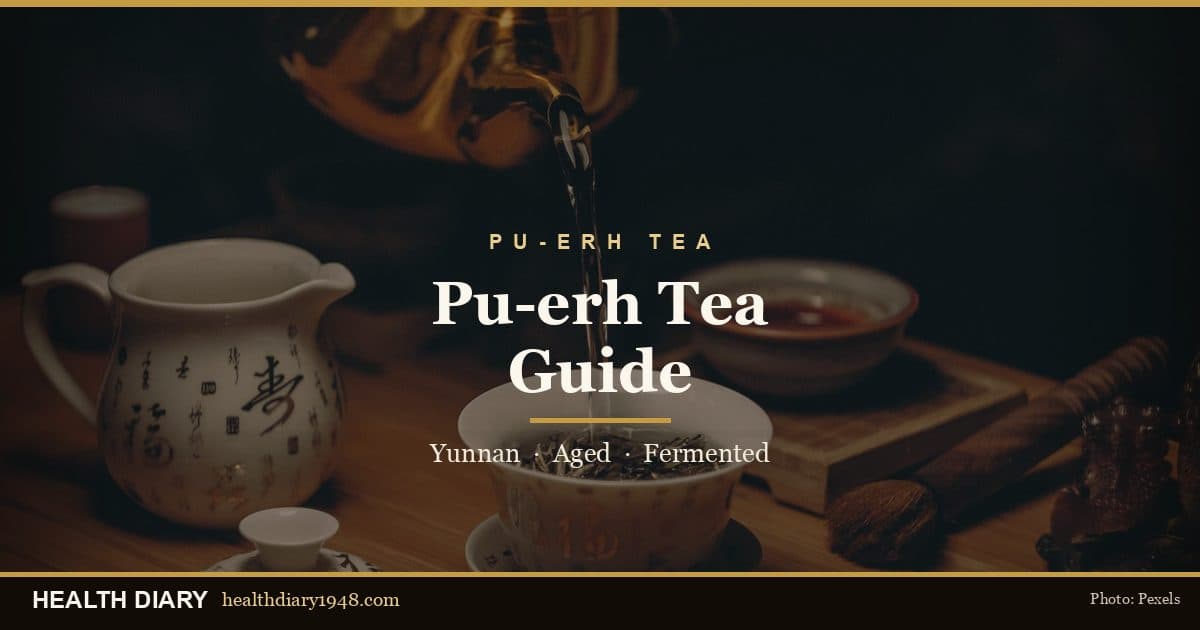
Pu-erh is the most mysterious member of the tea family — a dark, earthy tea from Yunnan that, uniquely, is meant to change and improve over time. Pressed into cakes and traded along ancient mountain routes, aged for years or even decades, and prized by collectors like fine wine, pu-erh carries more history in a single cup than almost any other tea. This guide explains what pu-erh is, the crucial difference between "raw" and "ripe," and how to enjoy it — part of our wider guide to Asian herbal teas.
What Is Pu-erh Tea?
Pu-erh (普洱茶) is a post-fermented "dark tea" from Yunnan province in southwest China. It is made from a specific large-leaf variety of the tea plant (Camellia sinensis var. assamica, the 云南大叶种) that thrives in Yunnan's mountains (Baidu Baike, pu-erh). What sets pu-erh apart from green, oolong, or black tea is a stage of microbial fermentation — the work of beneficial moulds and bacteria — that continues to transform the leaf, sometimes over many years.
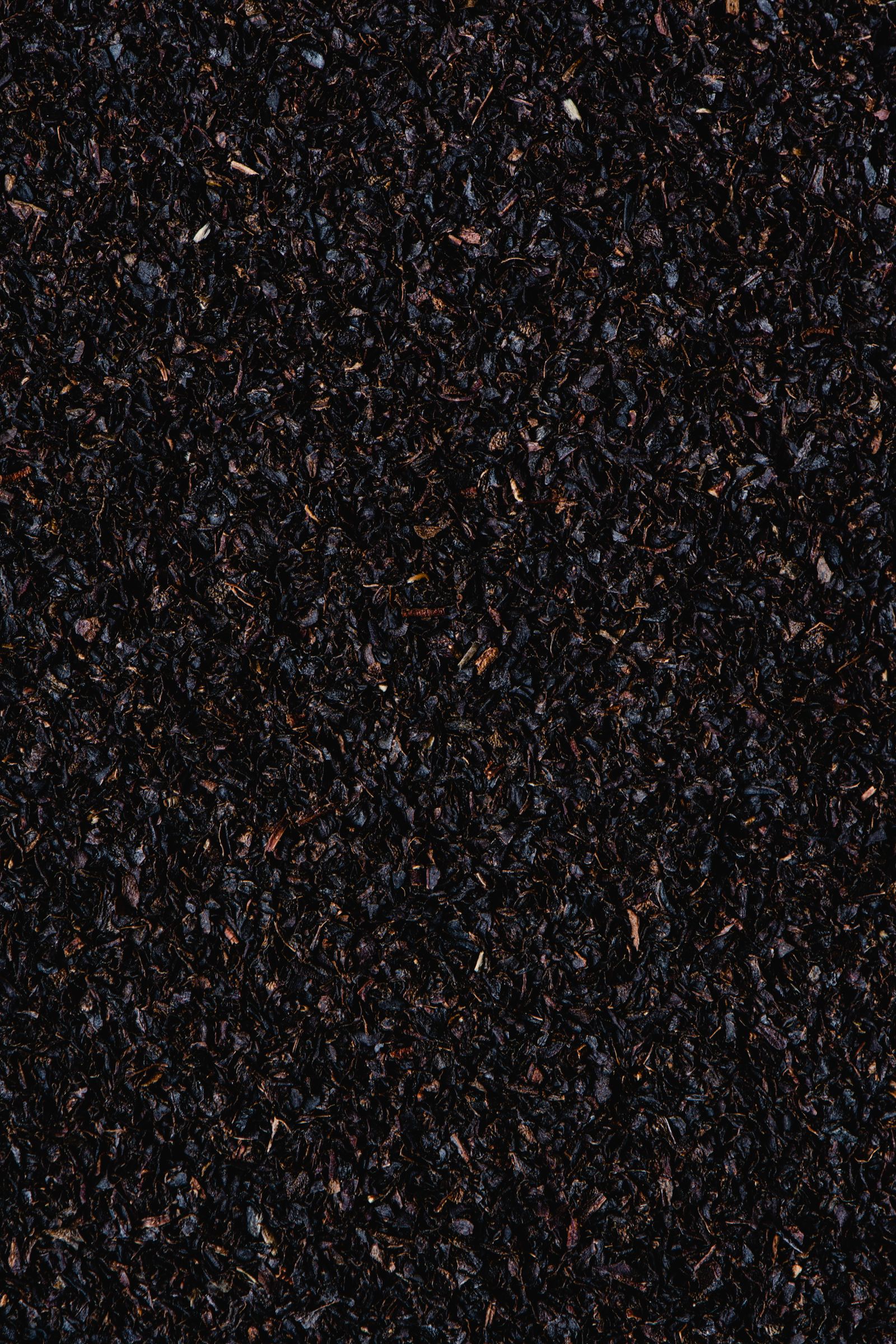
Pu-erh is usually sold either loose or, more traditionally, compressed into cakes (饼茶), bricks, or nests. That compression is not just decorative: it made the tea easier to transport by horse caravan centuries ago, and it helps the slow, ongoing fermentation that gives aged pu-erh its character. If you already know the roasted depth of an oolong, pu-erh takes that journey further into earthy, mellow territory.
Raw vs Ripe — The Big Distinction
The single most important thing to understand about pu-erh is that it comes in two very different styles:
- Raw / sheng (生茶) — sun-dried tea leaves, pressed and then left to ferment naturally over years or decades. Young sheng is greenish, brisk, and often quite astringent; with age it mellows into something deep and complex. This is the pu-erh that collectors age like wine.
- Ripe / shou (熟茶) — tea that undergoes an accelerated fermentation called wo dui (渥堆, "wet piling"), in which the leaves are heaped, dampened, covered, and turned for weeks so microbes ripen them quickly. The result is dark red-brown, smooth, mellow, and low in astringency.
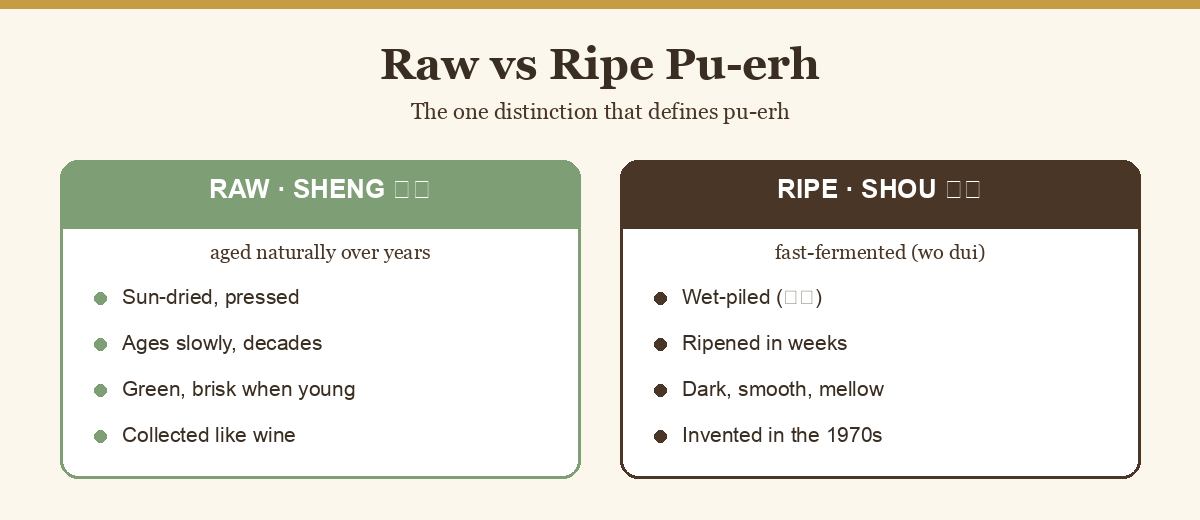
The defining difference is simply whether the tea went through wo dui. Interestingly, ripe pu-erh is a relatively modern invention — the wet-piling technique was developed in Kunming in the early 1970s to make an aged-tasting tea available without the decades of waiting (Chinese reference, pu-erh).
A Tea Shaped by History
Few teas are as tied to their history as pu-erh. For over a thousand years, compressed Yunnan tea was carried by mule caravans along the Tea Horse Road (茶马古道) — trading tea to Tibet in exchange for war horses. The long, humid journeys meant the tea slowly aged and mellowed along the way, and the compressed cake format was born of this need to transport tea efficiently (Tea Horse Road). By the Qing dynasty, aged pu-erh had become a prized tribute tea sent to the imperial court. This deep heritage places pu-erh firmly within the story of Chinese tradition explored across our site.
How Fermentation Changes Pu-erh
Pu-erh's transformation is genuinely microbial. Fungi — chiefly Aspergillus niger — along with yeasts and bacteria break down and rebuild the leaf's compounds during fermentation (Aspergillus fermentation study, 2024). Catechins are converted into dark pigments called theabrownins, which give ripe and aged pu-erh its colour and smoothness; caffeine can be partly degraded; and fermentation can generate other compounds such as GABA and even trace amounts of a natural statin, lovastatin (Jeng et al., 2007). It is important to stress that these are trace, highly variable amounts — a cup of pu-erh is not a substitute for any medication.
Aging and Collecting
Unlike most teas, which are best fresh, good raw pu-erh is traditionally believed to improve with careful aging — which is why enthusiasts collect and store cakes for years, much as one might cellar wine. The compressed format and Yunnan's large-leaf material both support this slow change. That said, aging is not magic: the outcome depends heavily on the quality of the tea and, crucially, on storage — a clean, dry, well-ventilated environment. Poorly stored tea does not improve. Explore the ritual side of enjoying such teas in our tea culture and tea rituals guides.
What Does Modern Research Say?
Pu-erh has attracted real scientific curiosity, especially around cholesterol and metabolism — but the findings are early and should be read with care. The most notable study found that theabrownin from pu-erh lowered cholesterol in mice and a small human group by reshaping gut bacteria and bile-acid metabolism (Hou et al., 2019). That is a fascinating mechanism, but it used isolated theabrownin, not ordinary cups of tea, and remains preliminary in humans.
Traditionally, ripe pu-erh is enjoyed after rich, fatty meals as a digestive comfort, much like a warming cup of ginger tea — a lovely custom, though one grounded in culture rather than proven medicine. Health authorities are clear that tea in general has not been shown to be a weight-loss treatment, with only limited, modest evidence around some heart-disease risk factors (NCCIH). Enjoy pu-erh as a deep, warming, low-calorie drink first and foremost. Individual responses vary considerably.
How Do You Brew Pu-erh?
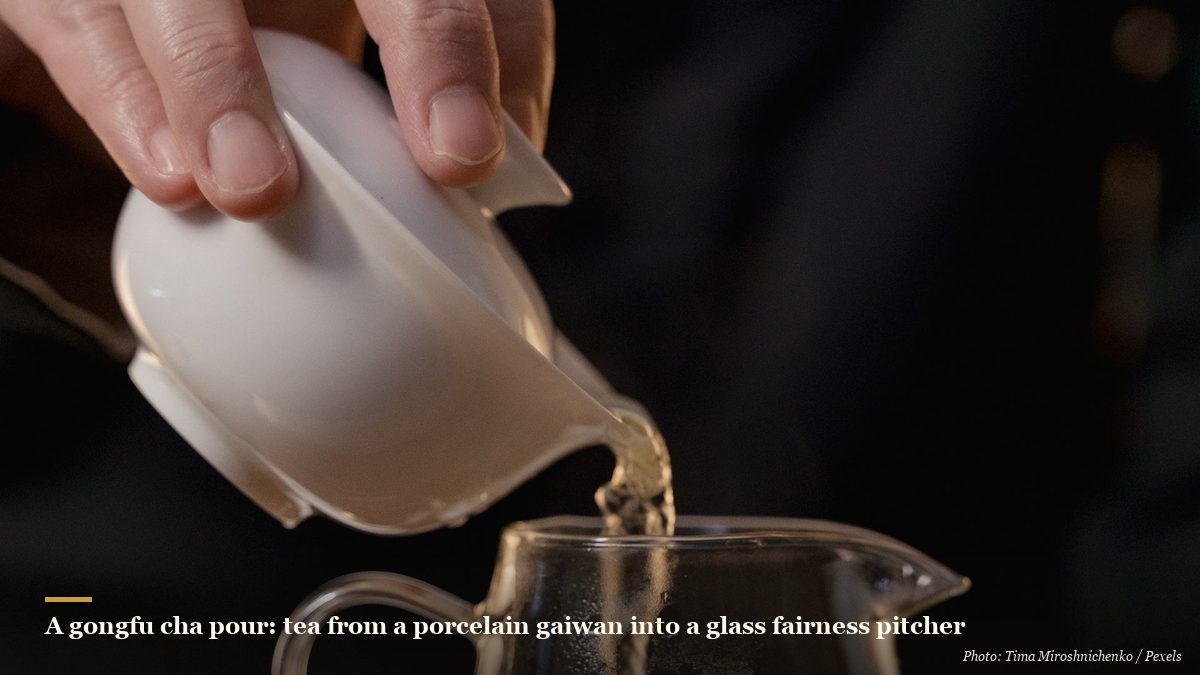
Pu-erh is a classic gongfu tea. A common approach: break a piece from the cake, give it a quick 5–10 second rinse with hot water and discard that first liquor (this "wakes up" the compressed leaf), then brew short, successive infusions. Ripe pu-erh takes near-boiling water; young raw pu-erh is often brewed a touch cooler to tame its briskness. A good cake yields many infusions, deepening cup by cup — see our tea rituals and daily tea guides for the gongfu rhythm.
Safety and Considerations
- Caffeine. Pu-erh contains caffeine (ripe versions are often mellower); mind your total intake, especially in the evening or during pregnancy (NCCIH).
- Quality and storage matter. Because pu-erh is fermented and aged, humid or poor storage can allow unwanted mould growth; studies of tea have found occasional mycotoxin contamination, though reputable, well-stored tea is generally within safe limits (Zhang et al., 2018). Buy from trusted sources and store tea clean and dry.
- The "statin" nuance. Fermentation can create trace lovastatin, but the amount in a cup is low and variable — pu-erh is not a replacement for prescribed cholesterol medication, and if you take statins or other drugs, check with your doctor (Zhang et al., 2013).
- Beverage, not extract. These cautions concern ordinary tea; concentrated tea extracts are far stronger.
- Individual responses vary considerably.
Frequently Asked Questions
What is the difference between raw and ripe pu-erh?
Raw (sheng) pu-erh is naturally aged over years and starts out green and brisk; ripe (shou) pu-erh is quickly fermented by "wet piling" (wo dui) into a dark, smooth, mellow tea. The defining difference is whether the tea went through that accelerated fermentation (Baidu Baike).
Does pu-erh help digestion or weight loss?
Ripe pu-erh is traditionally sipped after fatty meals as a digestive comfort, and early research on its theabrownin is intriguing — but this is cultural custom plus preliminary science, not a proven treatment. Tea has not been shown to cause weight loss (NCCIH).
Does pu-erh really get better with age?
Good raw pu-erh is traditionally believed to improve over years of proper storage, which is why it is collected like wine. But quality and clean, dry storage are essential — poorly kept tea will not improve (background).
Is pu-erh safe, and should I worry about mould?
Well-made, well-stored pu-erh from a reputable source is generally safe. The concern is that humid or careless storage can allow harmful mould; surveys of tea find contamination is uncommon in quality products but not impossible, so source and storage matter (Zhang et al., 2018).
How do you brew pu-erh?
Break off a piece, rinse it briefly with hot water and discard that first pour, then brew short, repeated infusions — near-boiling for ripe pu-erh, slightly cooler for young raw. A good cake will give many flavourful steeps.
A Note on Exploring Pu-erh
Pu-erh rewards patience and curiosity. Try a smooth ripe pu-erh and a brisk young raw side by side to feel the difference, and notice how the flavour deepens across infusions. If you keep a simple tea journal, noting the cakes and storage you enjoy turns collecting into a genuine craft. Our Asian herbal teas guide, oolong guide, and regional tea traditions are good next stops.
About This Article
Written by: Health Diary Editorial Team — writers and researchers focused on making traditional Asian wellness knowledge clear, accurate, and culturally grounded.
Editorial review: This article has been reviewed by the Health Diary editorial team for clarity, structure, and adherence to our sourcing standards. Key claims were cross-checked against peer-reviewed research, NCCIH, and native-language sources where applicable. It is not a clinical review and should not replace consultation with a licensed healthcare practitioner.
Reviewed on: August 4, 2026.
Editorial process: We cite peer-reviewed and government sources where possible, and we clearly separate traditional custom (such as pu-erh after fatty meals) and preliminary research from proven medical effects.
References
- Hou Y, et al. Theabrownin from Pu-erh tea attenuates hypercholesterolemia via gut microbiota and bile acid metabolism. Nature Communications. 2019. https://www.nature.com/articles/s41467-019-12896-x
- Jeng KC, et al. Effect of Microbial Fermentation on Statin, GABA, and Polyphenols in Pu-erh Tea. J Agric Food Chem. 2007. https://pubmed.ncbi.nlm.nih.gov/17880152/
- Zhang L, et al. Exposure assessment of lovastatin in Pu-erh tea. Int J Food Microbiol. 2013. https://www.sciencedirect.com/science/article/abs/pii/S0168160513001645
- Enhanced Fermentation of Pu-Erh Tea with Aspergillus niger. Foods. 2024. https://pmc.ncbi.nlm.nih.gov/articles/PMC11643846/
- Zhang W, et al. Mycotoxins in Tea: Occurrence, Determination and Risk Evaluation. Toxins. 2018. https://www.mdpi.com/2072-6651/10/11/444
- NCCIH. Green Tea: Usefulness and Safety. https://www.nccih.nih.gov/health/green-tea
- Memorial Sloan Kettering. About Herbs — Green Tea. https://www.mskcc.org/cancer-care/integrative-medicine/herbs/green-tea
- Tea Horse Road Project — tribute tea and the Tea Horse Road. https://teahorseroadproject.wordpress.com/tag/tribute-tea/
- 百度百科 — 普洱茶 (pu-erh tea). https://baike.baidu.com/item/普洱茶/384
- 维基百科 — 普洱茶 (sheng/shou, wo dui). https://zh.wikipedia.org/zh-hans/普洱茶
- 云南网 — 普洱茶分类 (Yunnan classification). https://m.yunnan.cn/system/2021/03/02/031313845.shtml