Medical Disclaimer: This content is for educational and informational purposes only and is not medical advice. It is not intended to diagnose, treat, cure, or prevent any disease. Always consult a licensed healthcare practitioner before making changes to your diet. Statements regarding traditional tea use have not been evaluated by the FDA.
Affiliate Disclosure: This article may contain affiliate links. We may earn a commission if you purchase through these links, at no additional cost to you. We only recommend products we believe align with our editorial standards.
The tea the West calls "black" is, in its Chinese homeland, called red tea — and it began, like so much of tea history, in the Wuyi Mountains of Fujian. Fully oxidised, malty, and sometimes smoky, black tea is the world's most-consumed type of tea and the one that sailed across oceans to remake global habits. This guide explains what black (red) tea really is, its Chinese origins, the famous varieties, and how to brew it — part of our wider guide to Asian herbal teas.
What Is Black Tea (and Why Is It Called "Red" in China)?
Black tea is the fully oxidised member of the true-tea family — made, like green, white, and oolong, from Camellia sinensis, but allowed to oxidise completely before firing. That full oxidation is what turns the leaf dark and gives the brew its amber-to-copper colour and malty depth.
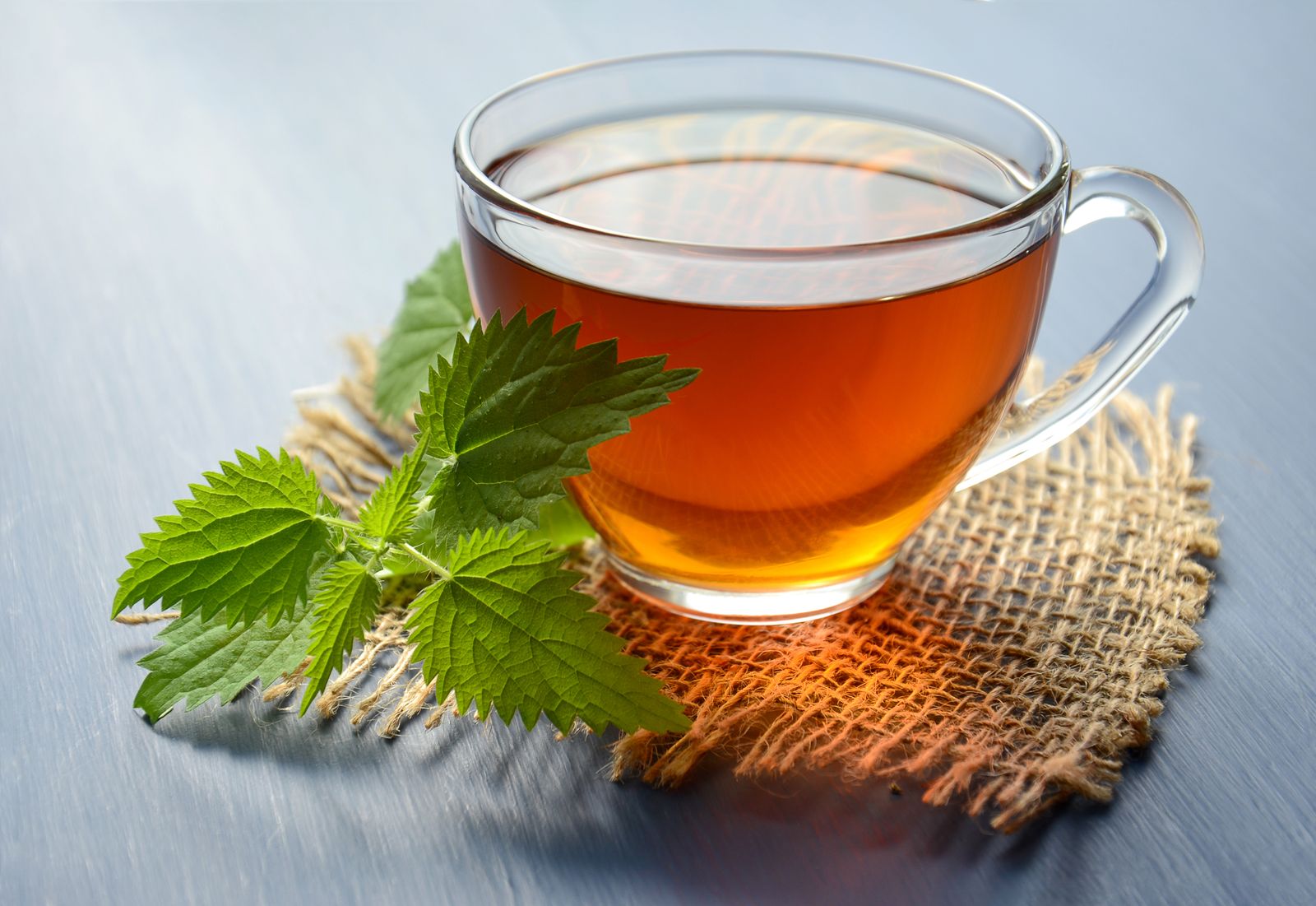
Here is a point that trips up almost everyone: in China this tea is called 红茶 (hóngchá), "red tea," after the reddish liquor, while the West named it "black" after the dark dried leaf. Confusingly, the Chinese term 黑茶 (hēichá), literally "black tea," refers to a different category — the post-fermented dark teas like pu-erh. So "black tea" in English and 黑茶 in Chinese are not the same thing. Keeping the names straight is the first step to understanding Chinese tea.
How Is Black Tea Made?
Black tea's character comes from full oxidation. The classic steps are withering, rolling (which bruises the leaf and releases its enzymes), a full oxidation stage, and finally drying or firing. During oxidation, the enzyme polyphenol oxidase converts the leaf's catechins into two families of new compounds — theaflavins and thearubigins — that give black tea its brisk colour and body (theaflavins review, 2024). Theaflavins can make up several percent of the brew's solids; thearubigins make up much more, though their exact structure is still not fully understood — a nice reminder of how much about tea chemistry remains open.
Famous Chinese Black Teas
China gave the world its first black tea and still makes some of its most celebrated:
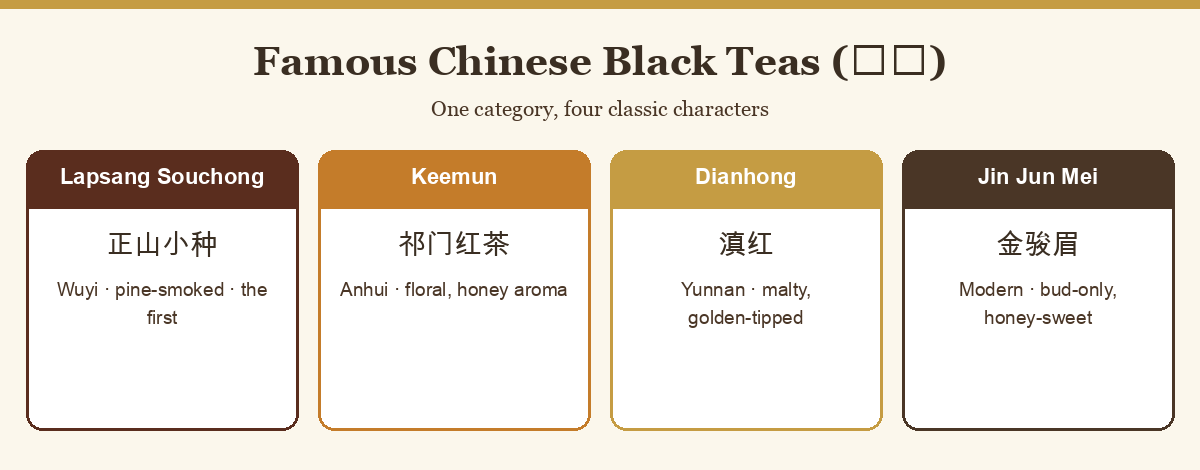
- Lapsang Souchong (正山小种, Zhengshan Xiaozhong) — from Tongmu village in the Wuyi Mountains, widely regarded as the first black tea, created around the late Ming dynasty. Traditionally dried over pine-wood fires, giving its famous smoky note (Baidu Baike, Lapsang Souchong).
- Keemun (祁门红茶) — from Qimen County in Anhui; prized for a distinctive floral, orchid-and-honey aroma often called "Keemun fragrance."
- Dianhong (滇红) — from Yunnan, made from large-leaf varietals, rich and malty with golden tips.
- Jin Jun Mei (金骏眉) — a modern (2005) premium offshoot of Lapsang Souchong made from tender buds, honey-sweet and unsmoked (Chinese tea reference).
There is a fascinating history here: because fully oxidised tea survived long sea voyages far better than green tea, it was black tea that came to dominate the Western market when Dutch and Portuguese traders carried Chinese tea to Europe — one reason "tea" means black tea to much of the world (Lapsang Souchong history).
Does Black Tea Have More Caffeine Than Green?
Often, yes — but less than you might think, and it depends heavily on how you brew. Fully oxidised teas do tend to carry more caffeine than green or white, yet analytical studies show that steeping time and leaf quantity affect the caffeine in your cup more than the tea type does (caffeine analysis, 2024). A quickly brewed black tea can have less caffeine than a long-steeped green tea, and matcha — where you drink the whole leaf — often out-caffeinates a light black tea entirely. So the popular "black tea has loads more caffeine" rule of thumb is only loosely true.
What Does Modern Research Say?
Black tea is rich in flavonoids, and population studies have associated regular, moderate tea drinking with modest heart-health signals — for example, meta-analyses linking each daily cup to a small reduction in cardiovascular risk (tea flavonoids meta-analysis, 2019). A meta-analysis of trials also found a small effect on blood pressure (Greyling et al., 2014) — though other trials have found no significant short-term change, so the picture is genuinely mixed.
Health authorities sum it up cautiously: there is limited evidence that black and green tea might help with some heart-disease risk factors, but firm conclusions cannot yet be drawn (NCCIH). It is also worth remembering these are population associations: people who drink tea regularly may differ in other ways too. Read black tea as a flavourful, everyday drink with some encouraging associations — not a treatment. Individual responses vary considerably, and a plain cup without lots of sugar or milk is the version these studies mostly describe.
How Do You Brew Black Tea?
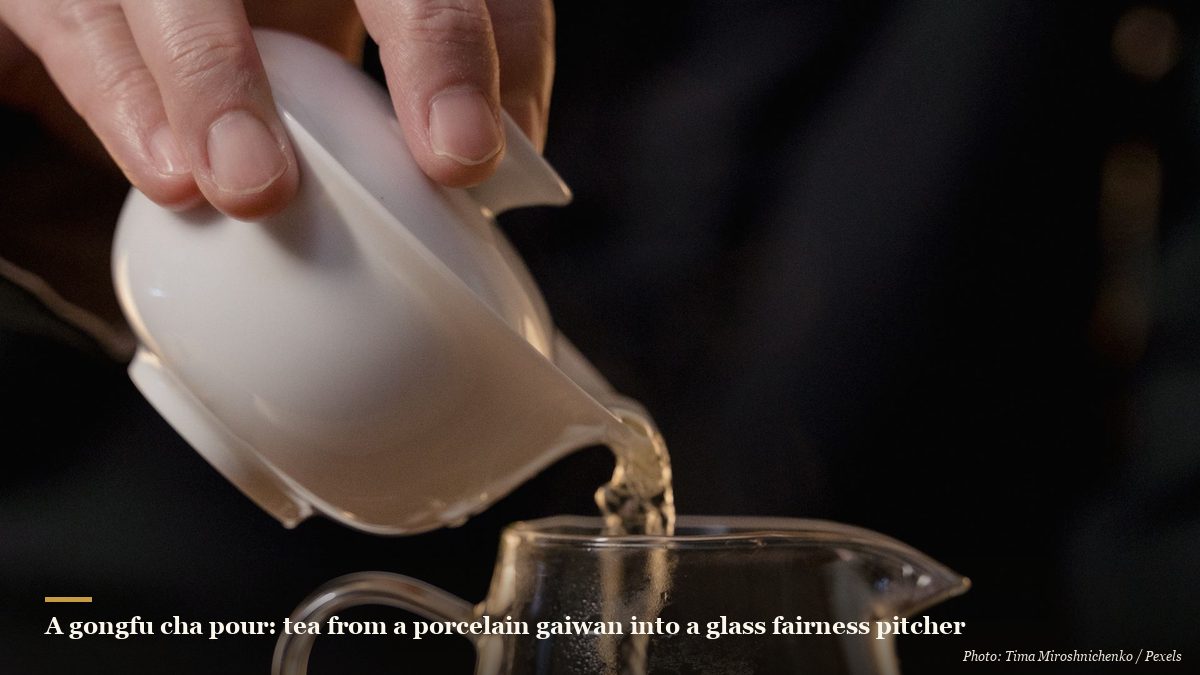
Black tea is the most forgiving of the true teas: it takes near-boiling water (around 90–100°C) and a steep of three to five minutes. Longer steeps pull out more caffeine and more astringency, so adjust to taste. One genuinely useful safety note: let very hot tea cool before drinking — repeatedly drinking beverages hotter than about 60°C has been linked to higher oesophageal cancer risk (Harvard Nutrition Source). For the wider ritual, see our tea rituals and tea culture guides.
Safety and Considerations
- Caffeine. Black tea contains caffeine — mind your intake in the evening and during pregnancy, when authorities advise limiting caffeine (NCCIH).
- Very hot tea. Let it cool below about 60°C before drinking, to avoid the oesophageal-cancer risk linked to very hot beverages (Harvard).
- Medication interactions. Tea can interact with some medicines, including the beta-blocker nadolol and certain statins; very large volumes can also affect warfarin. Check with a pharmacist if you take prescription drugs (MSK).
- With iron and meals. Tea can reduce iron absorption, so drink it between meals if you are managing low iron.
- Individual responses vary considerably.
Frequently Asked Questions
Are black tea and red tea the same thing?
Yes. What the West calls "black tea," China calls 红茶 ("red tea"), after the colour of the brew. Be careful, though: the Chinese term 黑茶 (literally "black tea") means a different, post-fermented category like pu-erh — not Western black tea.
Does black tea have more caffeine than green tea?
Usually somewhat more, but the difference is smaller than commonly claimed. Brewing time and how much leaf you use affect your cup's caffeine more than the tea type does (caffeine analysis, 2024).
What is Lapsang Souchong?
Lapsang Souchong (正山小种) is generally considered the world's first black tea, from Tongmu in the Wuyi Mountains of Fujian. It is traditionally dried over pine-wood fires, giving it a distinctive smoky aroma (Baidu Baike).
Is black tea good for you?
Research associates moderate black-tea drinking with modest cardiovascular signals, but the evidence is observational and mixed, and health authorities stress that firm conclusions cannot yet be drawn (NCCIH). Enjoy it as a pleasant drink, not a remedy.
How do you brew black tea?
Use near-boiling water (90–100°C) and steep three to five minutes, adjusting for strength. Let very hot tea cool a little before drinking.
A Note on Enjoying Black Tea
Black tea rewards exploration across regions: compare a smoky Lapsang, a floral Keemun, and a malty Dianhong to taste how place and processing shape the cup. If you keep a simple tea journal, noting which black teas and brewing strengths you enjoy turns a daily habit into a small pleasure. Our oolong, pu-erh, white tea, and jasmine guides complete the picture, and our daily tea rituals guide shows where a cup fits in the day, all within our Chinese tea tradition hub.
About This Article
Written by: Health Diary Editorial Team — writers and researchers focused on making traditional Asian wellness knowledge clear, accurate, and culturally grounded.
Editorial review: This article has been reviewed by the Health Diary editorial team for clarity, structure, and adherence to our sourcing standards. Key claims were cross-checked against peer-reviewed research, NCCIH, and native-language sources where applicable. It is not a clinical review and should not replace consultation with a licensed healthcare practitioner.
Reviewed on: August 4, 2026.
Editorial process: We cite peer-reviewed and government sources where possible, present cardiovascular findings as associations rather than proof, and clarify the 红茶-vs-黑茶 naming confusion rather than repeating it.
References
- A Comprehensive Review of Theaflavins: Physiological Activities, Synthesis, and Challenges. 2024. https://pmc.ncbi.nlm.nih.gov/articles/PMC12326144/
- Greyling A, et al. The Effect of Black Tea on Blood Pressure: Systematic Review with Meta-Analysis of RCTs. PLOS ONE. 2014. https://journals.plos.org/plosone/article?id=10.1371/journal.pone.0103247
- Determination of L-Theanine and Caffeine Contents in Tea Infusions. 2024. https://pmc.ncbi.nlm.nih.gov/articles/PMC12248710/
- Tea Flavonoids and Risk of Cardiovascular and All-Cause Mortality: Meta-Analysis. 2019. https://pmc.ncbi.nlm.nih.gov/articles/PMC6574660/
- NCCIH. Green Tea: Usefulness and Safety. https://www.nccih.nih.gov/health/green-tea
- Memorial Sloan Kettering. About Herbs — Green Tea. https://www.mskcc.org/cancer-care/integrative-medicine/herbs/green-tea
- Harvard T.H. Chan School of Public Health. Tea — The Nutrition Source. https://nutritionsource.hsph.harvard.edu/food-features/tea/
- 正山小种 — Baidu Baike (Lapsang Souchong, world's first black tea). https://baike.baidu.com/item/正山小种/518213
- Lapsang Souchong — history and export. https://en.wikipedia.org/wiki/Lapsang_souchong
- 祁门红茶/滇红/金骏眉/正山小种的区别 — Chinese tea reference. https://zhuanlan.zhihu.com/p/658074591