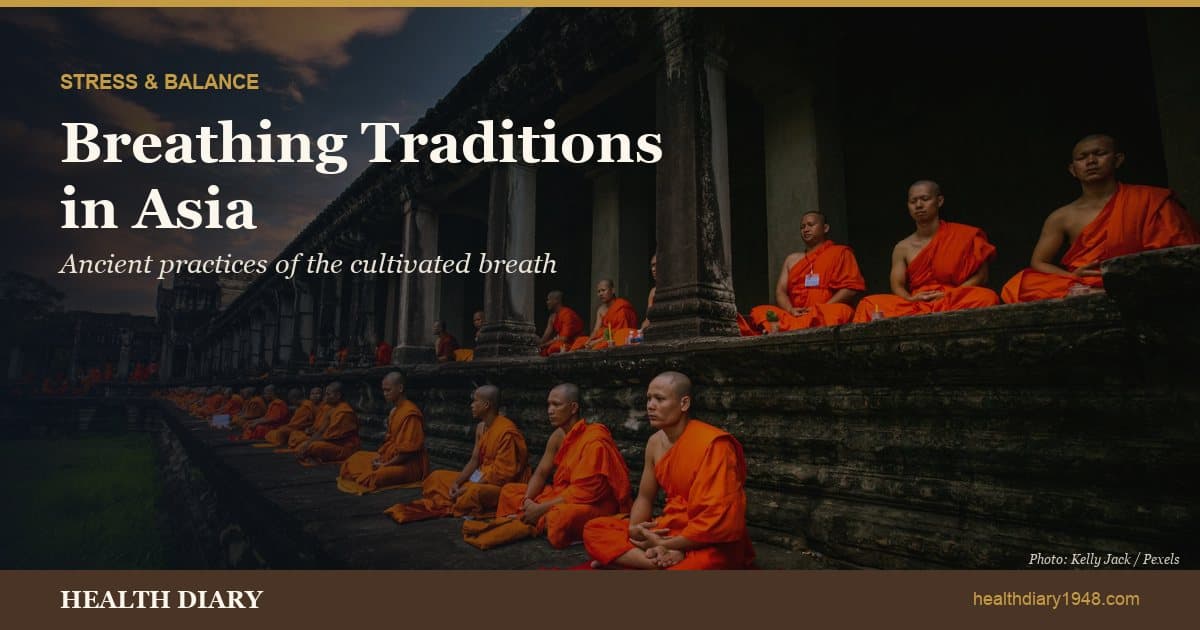
Breathing Traditions in Asia: Ancient Practices of Breath
Explore breathing traditions in Asia — TCM breath regulation (调息), the Six Healing Sounds, dantian breathing, Zen susokukan counting, Vietnamese thiền sổ tức, and Korean danjeon breathing.
Medical Disclaimer: This content is for educational and informational purposes only and is not medical advice or breathing instruction. The information presented is not intended to diagnose, treat, cure, or prevent any disease. Breathing descriptions in this article are cultural illustrations only — always learn breathing practices from a qualified teacher, and consult a licensed healthcare practitioner before starting any new breathing or wellness practice, especially if you have a respiratory, cardiovascular, or psychiatric condition or are pregnant. Statements regarding traditional practices have not been evaluated by the FDA.
Affiliate Disclosure: This article contains affiliate links. We may earn a commission if you purchase through these links, at no additional cost to you. We only recommend products we believe align with our editorial standards.
Breath is the one wellness tool everyone already carries — free, portable, and always available. Across Asia, that simple fact became the foundation for some of the world's oldest contemplative traditions. For thousands of years, teachers in China, Japan, Vietnam, and Korea treated the breath not as an automatic background process but as something to notice, regulate, and refine.
This guide, part of our Stress & Balance series, follows a single thread — the cultivated breath — across five Asian traditions: Traditional Chinese Medicine's breath regulation and Six Healing Sounds, lower-abdomen "dantian" breathing, Japanese Zen counting practice, Vietnamese mindful breathing, and Korean danjeon breathing. Along the way we connect it to the broader world of traditional Asian wellness routines, and we look honestly at what modern research has — and has not — found so far.
Why Breath Has Been Central to Asian Wellness Traditions
In much of Asian thought, the breath sits at the meeting point of body and mind. It is one of the few bodily functions that runs on its own yet can also be brought under conscious control — a natural bridge between the voluntary and the involuntary. Traditions across the region noticed this early and built entire practices around it.
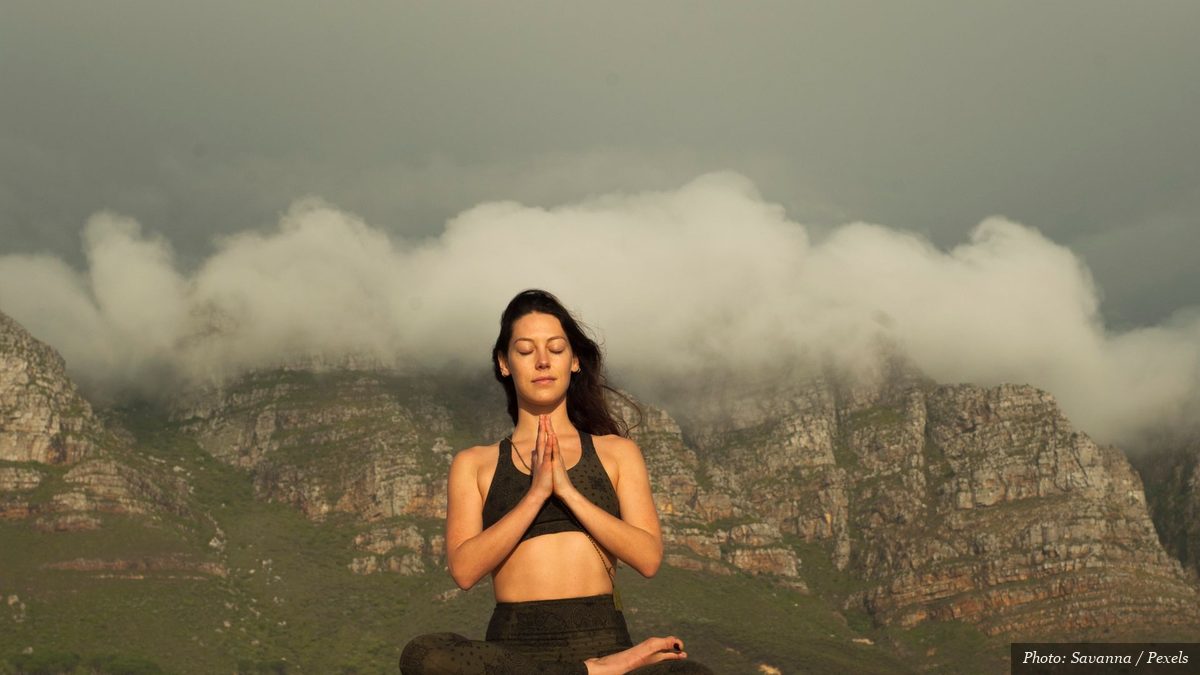
The vocabulary reflects the reverence. In Chinese thought the breath is tied to qi (气), the vital energy said to animate the body. In the Indian-rooted Buddhist teachings that spread across East and Southeast Asia, the breath became the anchor of anapanasati — mindfulness of breathing. Whether framed as energy cultivation or meditative awareness, the practical instruction is remarkably consistent: slow down, pay attention, and let the breath become quiet. These same unhurried principles echo through the Asian relaxation tea traditions and evening rituals we have explored elsewhere.
What Does "Breath Regulation" Mean in Traditional Chinese Medicine?
In Traditional Chinese Medicine and qigong, conscious breathing has a specific name: tiao xi (调息), meaning "regulating the breath." It is one of the classic "three regulations" (三调, san tiao) that structure a complete practice — regulating the body (posture), regulating the breath, and regulating the mind (attention). We covered these three components in depth in our qigong basics beginner's guide; here the focus is the middle pillar, the breath itself.
In this framework, breath regulation usually means slow, even, quiet breathing drawn down into the lower abdomen rather than the upper chest, coordinated gently with movement or stillness rather than forced. The U.S. National Center for Complementary and Integrative Health (NCCIH) describes qigong as a practice that combines regulated breathing, gentle movement, posture, and mental focus — with the breath as connective tissue between the other elements.
The Six Healing Sounds (六字诀)
One of the most distinctive TCM breathing practices is the Liu Zi Jue (六字诀), the "Six-Word Formula" or Six Healing Sounds — a breathing method built around exhalation. First recorded in Tao Hongjing's sixth-century text Yangxing Yanming Lu (养性延命录), it pairs the exhale with six soft vocalized sounds. According to the standardized Health Qigong · Liu Zi Jue published by China's General Administration of Sport, the six sounds — 嘘 (xu), 呵 (he), 呼 (hu), 呬 (si), 吹 (chui), and 嘻 (xi) — are each traditionally associated with an organ system (liver, heart, spleen, lung, kidney, and the "triple burner"), practiced in an order following the Five Elements. Breath is primary; the sound and the accompanying gentle movements are auxiliary. Whatever one makes of the organ associations, the practice is at heart a structured, elongated exhalation — the part of the breath most linked, in modern terms, to a calming physiological shift.
Dantian Breathing: Breathing Into the Lower Abdomen
Cutting across nearly all of these traditions is a shared physical technique: breathing into the dantian (丹田) — a point roughly three finger-widths below the navel, considered in Chinese and Japanese thought to be the body's center of gravity and energy. In Japanese it is the tanden; in Korean, the danjeon. Different names, the same anatomical region and the same instruction.
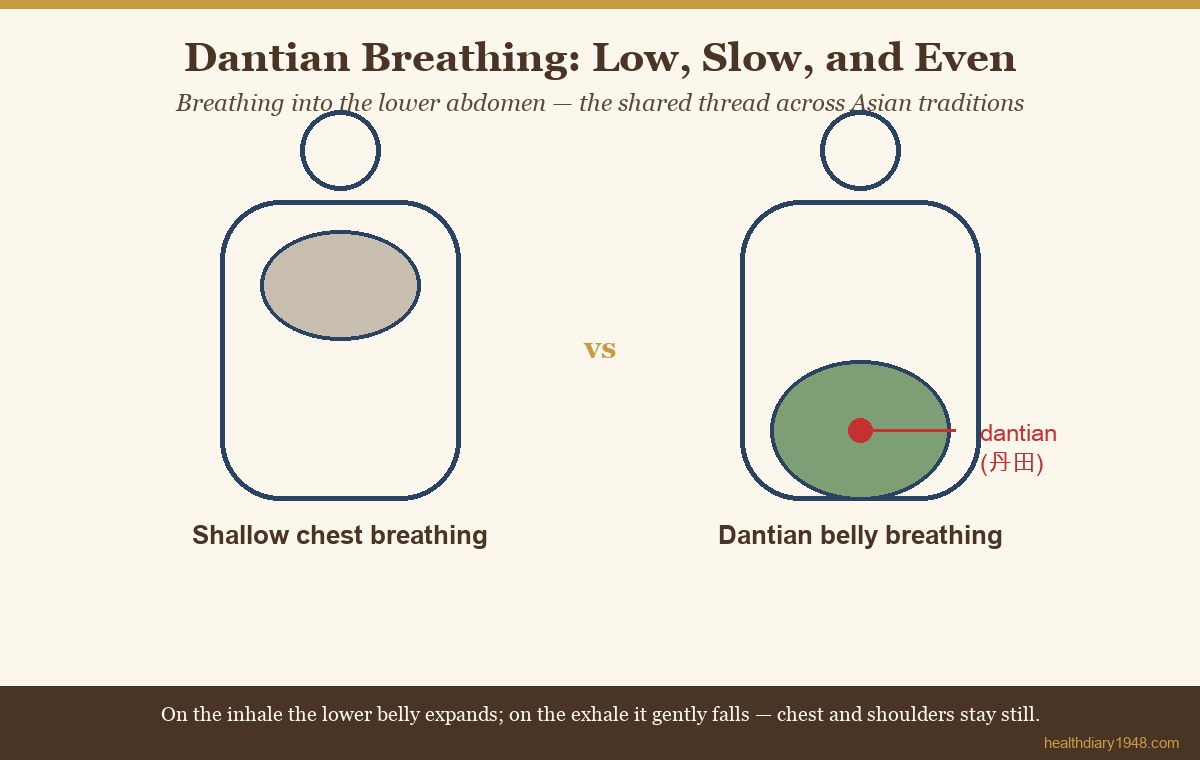
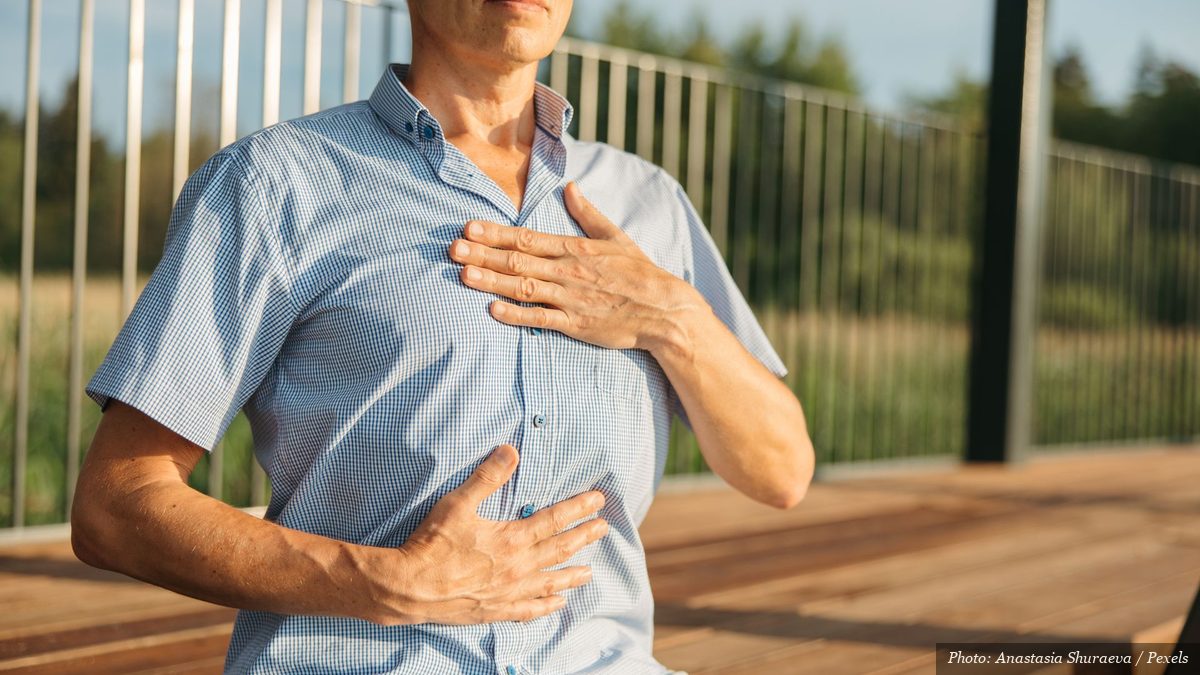
In practice, dantian breathing is close to what Western clinicians call diaphragmatic or "belly" breathing. On the inhale, the lower abdomen expands outward as the diaphragm descends; on the exhale, it gently falls. The chest and shoulders stay relatively still. Compared with shallow upper-chest breathing, this pattern is slower and draws on the full movement of the diaphragm. A Japanese respiratory-clinical review on J-STAGE explicitly links zazen abdominal (tanden) breathing to long, active exhalation and situates it within modern respiratory physiology — a rare bridge between the traditional language of the dantian and measurable breathing mechanics.
How Do Zen and Vietnamese Traditions Count the Breath?
Where qigong pairs breath with movement, the Buddhist meditation traditions of Japan and Vietnam pair it with stillness and counting.
Susokukan (数息観) in Japanese Zen
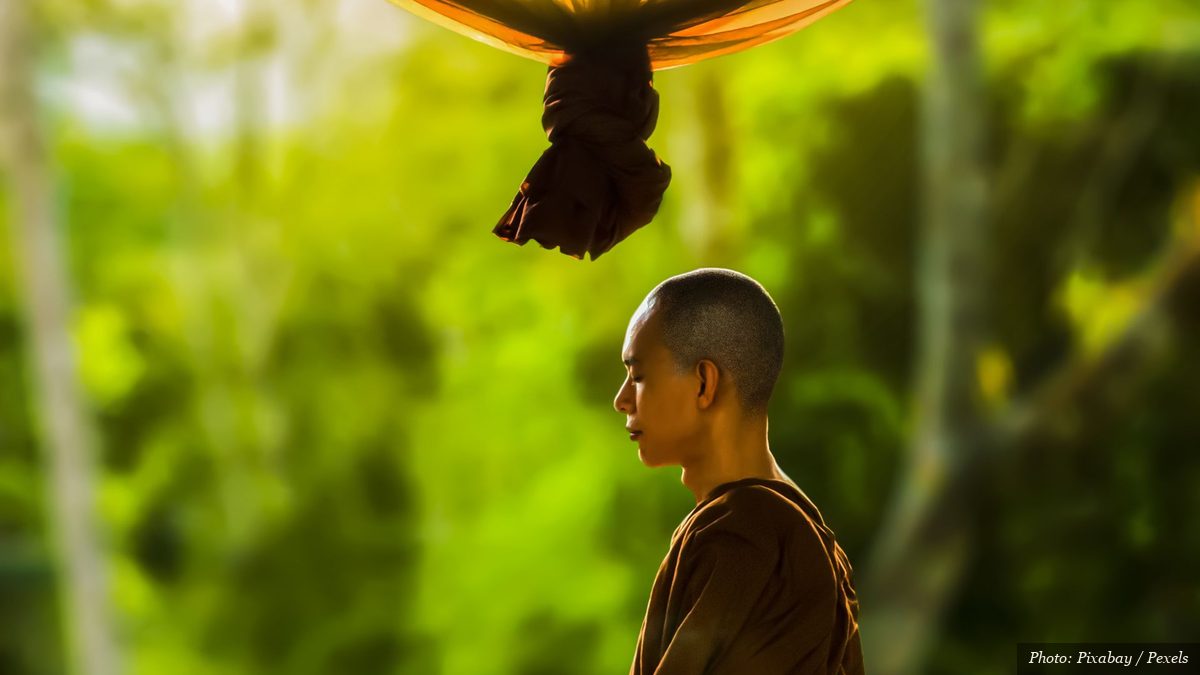
In Japanese Zen, the classic beginner's method is susokukan (数息観), literally "contemplation by counting the breath." Sitting in an upright, stable posture, the practitioner simply counts each breath — commonly one to ten, then starting over — using the count as a tether for a wandering mind. Once concentration steadies, many teachers introduce zuisokukan (随息観), "following the breath," in which the counting drops away and attention rests on the natural flow of breathing itself. The progression from counting to following recurs across Zen lineages and is the same one described in the J-STAGE review of zazen breathing above.
Thiền sổ tức in Vietnam
Vietnamese Buddhism carries a close cousin: thiền sổ tức (禅数息) — counting-breath meditation. Vietnamese teaching frames it as a remedy for two obstacles the beginner meets: hôn trầm (drowsiness) and loạn động (mental scattering). One traditional description puts it memorably — the counting is "the string that binds the mind to the breath" (sợi dây buộc tâm vào hơi thở). As with Zen, once the mind is settled the practitioner moves from counting (sổ tức) to following the breath (tùy tức). Both sit within the ancient framework of anapanasati, breath-mindfulness, described in Buddhist texts as a foundation for cultivating awareness.
The most globally recognized voice in this tradition is the late Vietnamese Zen teacher Thich Nhat Hanh, whose Plum Village community teaches mindful breathing to millions. Notably, the Plum Village instruction is gentler than the counting methods: as you breathe in, you know you are breathing in; as you breathe out, you know you are breathing out. Crucially, "we don't need to control the breath in any way" — you simply notice it, and "with the gentle energy of mindfulness it will naturally become slower and deeper." The regulation happens on its own.
Danjeon Breathing in Korea
Korea's contribution centers on the same lower-abdomen point under its Korean name: danjeon breathing (단전호흡). Associated with the Korean training tradition of Sun Do and with older Daoist-influenced practices, danjeon breathing emphasizes slow, natural nasal breathing with inhalation and exhalation of roughly equal length, the lower abdomen rising on the in-breath and falling on the out-breath. Practitioners are often taught to visualize energy gathering at the danjeon. Small studies among midlife and older Korean women have examined danjeon breathing programs as a gentle wellness routine, though — as with much of this research — the trials are limited in size and scope. Culturally, it rounds out a striking pattern: four countries, four names for the same point below the navel, and the same core instruction to breathe low, slow, and evenly.
What Does Modern Research Say About Slow Breathing?
These traditions all converge on slow, deliberate breathing — so what does contemporary science make of it? The honest summary is: interesting, biologically plausible, and still preliminary.
The autonomic nervous system. The most-studied idea is that slow breathing nudges the autonomic nervous system toward its calming, "rest-and-digest" (parasympathetic) branch. A widely cited 2018 systematic review in Frontiers in Human Neuroscience examined fifteen studies of slow breathing (fewer than ten breaths per minute) in healthy adults and reported increased heart rate variability and shifts in brain activity alongside self-reported relaxation and reduced anxiety. The authors were careful to note wide variation in methods, which prevented a formal meta-analysis — the findings are suggestive rather than conclusive.
Heart rate variability. A 2022 systematic review and meta-analysis in Neuroscience & Biobehavioral Reviews by Laborde and colleagues pooled trials of voluntary slow breathing and found increased parasympathetic control of the heart — measured as higher heart rate variability — during and after slow-breathing sessions. Again, the authors flagged methodological differences across studies as a limit on firm conclusions.
Stress and blood pressure. NCCIH's overview of relaxation techniques notes that these practices aim to trigger the body's "relaxation response," characterized by slower breathing, lower blood pressure, and a reduced heart rate. It cites a 2019 review finding that slow, deep breathing led to a modest reduction in blood pressure — while cautioning that the studies had short follow-up and a high risk of bias — plus preliminary evidence that diaphragmatic breathing may help reduce stress.
In other words, modern science offers a plausible physiological story for why elongated, low, slow breathing feels calming, without yet confirming the traditional energy frameworks or justifying grand health claims. The convergence between ancient instruction and measurable vagal activity is intriguing, but the evidence base remains early.
How Some People Explore These Breathing Practices
Across traditions and modern classes, a few patterns repeat for those beginning to explore cultivated breathing:
- Start with the exhale. Many of these traditions — from the Six Healing Sounds to zazen — emphasize a long, unhurried out-breath. Letting the exhale lengthen naturally is a common first step.
- Breathe low, not high. Dantian, tanden, and danjeon all point to the same idea: let the lower abdomen do the moving, keeping the chest and shoulders relatively quiet.
- Use a simple anchor. Counting (susokukan, sổ tức) gives a restless mind something to hold; others prefer Plum Village's approach of simply noticing the breath without counting.
- Keep sessions short and regular. A few quiet minutes done consistently tends to matter more than occasional long sessions. Some people fold breathing into an evening wind-down alongside the nighttime wellness habits and traditional sleep practices found across Asia.
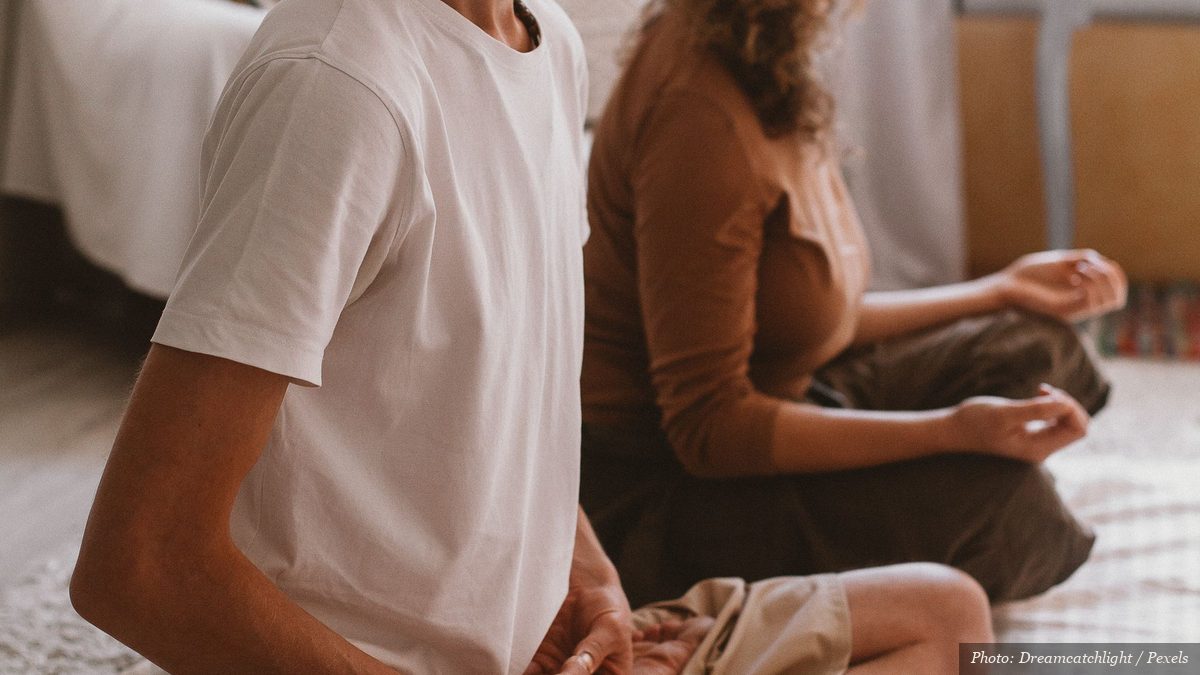
- Learn from a teacher. Posture, pacing, and the difference between relaxed and forced breathing are hard to absorb from text alone — a few sessions with a qualified instructor of qigong, meditation, or a related Asian meditation tradition can catch habits early.
Individual responses vary considerably; what feels calming and sustainable for one person may not suit another, and gentle experimentation under a qualified teacher's guidance is always recommended. Some people find these practices pair naturally with slow movement arts like tai chi for beginners or the broader family of traditional relaxation practices across the region.
Important Limitations and Considerations
Breathing practices are gentle, but gentle is not the same as "for everyone," and a few honest cautions matter:
- They are not a treatment. Breathing practices should never replace medical care, prescribed medication, or therapy. If you are managing a health condition, talk with your healthcare provider first.
- Respiratory and cardiovascular conditions. People with asthma, COPD, heart conditions, or other breathing-related concerns should speak with a practitioner before changing how they breathe, and stop any technique that causes breathlessness, chest tightness, or discomfort.
- Do not hold the breath forcefully. Prolonged or strained breath-holding can cause dizziness or fainting and is not part of the gentle traditions described here. The aim is relaxed, quiet breathing — never strain.
- Pregnancy. Anyone who is pregnant should check with their healthcare provider before beginning a new breathing or meditation practice.
- Psychiatric conditions and trauma history. NCCIH notes rare reports that certain relaxation techniques may cause or worsen symptoms in people with epilepsy, certain psychiatric conditions, or a history of trauma. Approach slowly and seek guidance if intense sensations or anxiety arise.
- Lightheadedness. Very slow or deep breathing can occasionally cause dizziness. If that happens, return to normal breathing and rest; practice seated rather than standing when starting out.
- Evidence limitations. The research is preliminary and study quality is uneven. Be skeptical of any product or program promising specific medical outcomes from breathing alone.
Individual experiences vary considerably.
Frequently Asked Questions
What is the difference between counting the breath and following the breath?
Counting the breath (susokukan in Japanese Zen, sổ tức in Vietnamese) means silently numbering each inhale or exhale — often one to ten — to give a restless mind an anchor. Following the breath (zuisokukan, tùy tức) drops the numbers and simply rests attention on the natural flow of breathing. Traditionally, counting is the beginner's method and following comes once concentration steadies.
Is dantian breathing the same as belly breathing?
They overlap closely. Dantian breathing (also called tanden in Japan and danjeon in Korea) directs the breath into the lower abdomen so the belly expands on the inhale and falls on the exhale — very similar to what Western clinicians call diaphragmatic or belly breathing. The main difference is framing: the Asian traditions add an energetic and meditative dimension centered on the point below the navel.
How long should a beginner practice breathing each day?
Most traditions favor short, regular sessions over long occasional ones. Five to fifteen minutes a day is a realistic and common starting point. Consistency tends to matter more than duration, and it is fine to begin with just a few quiet minutes.
Are Asian breathing practices religious?
Some grew up within Buddhist or Daoist settings, but many are practiced today in entirely secular ways. Qigong breathing and the standardized Six Healing Sounds are taught as health-oriented exercise, and mindful breathing is widely used outside any religious context. You can engage with the techniques as cultural and wellness practices without adopting any belief system.
Can slow breathing really calm the nervous system?
Preliminary research suggests slow breathing is associated with increased heart rate variability and greater activity in the calming (parasympathetic) branch of the autonomic nervous system, which may explain why it feels relaxing. However, the studies vary in quality and the effects should be seen as modest and early rather than proven. Slow breathing is best viewed as a gentle self-care habit, not a medical intervention.
A Note on Tracking Your Practice
Because breathing practices work through consistency rather than intensity, the most useful habit a beginner can build is simply noticing: which days you practiced, how your body and mind felt afterward, and how your sleep and stress shift over a few weeks. Some people keep a paper journal; others use a wellness diary app such as Health Diary to log practice minutes alongside sleep and mood notes. Patterns you can actually see are far easier to sustain.
A Gentle Closing Note
What is most striking about Asia's breathing traditions is how much they agree. Separated by centuries and languages, teachers in Chinese temples, Japanese zendos, Vietnamese monasteries, and Korean training halls arrived at the same quiet instruction: breathe low, breathe slow, and pay attention. You do not need special equipment or a belief system to begin exploring that — only a few unhurried minutes and your own breath. If this guide has made you curious, let your first step be modest: sit quietly, follow one full breath in and out, and notice how it feels. For a broader look at the calm side of Asian wellness, our guide to Japanese healthy aging traditions continues the same unhurried conversation.
About This Article
Written by: Health Diary Editorial Team — a group of writers with backgrounds in cultural wellness, contemplative traditions, and traditional health practices from across Asia.
Editorial review: This article has been reviewed by the Health Diary editorial team for clarity, structure, and adherence to our sourcing standards. Key claims were cross-checked against NCCIH, NIH-indexed peer-reviewed reviews, and official Chinese, Japanese, and Vietnamese traditional sources where applicable. It is not a clinical review and should not replace consultation with a licensed healthcare practitioner or qualified teacher.
Reviewed on: July 16, 2026.
Editorial process: We cite peer-reviewed and government sources where possible. When a clinical reviewer is added to this article, attribution will appear here with verifiable credentials.
References
- National Center for Complementary and Integrative Health (NCCIH). Relaxation Techniques: What You Need To Know. https://www.nccih.nih.gov/health/relaxation-techniques-what-you-need-to-know
- Zaccaro, A., Piarulli, A., Laurino, M., et al. (2018). How Breath-Control Can Change Your Life: A Systematic Review on Psychophysiological Correlates of Slow Breathing. Frontiers in Human Neuroscience, 12, 353. https://www.frontiersin.org/journals/human-neuroscience/articles/10.3389/fnhum.2018.00353/full
- Laborde, S., Allen, M. S., Borges, U., et al. (2022). Effects of voluntary slow breathing on heart rate and heart rate variability: A systematic review and a meta-analysis. Neuroscience & Biobehavioral Reviews, 138, 104711. https://www.sciencedirect.com/science/article/abs/pii/S0149763422002007
- 国家体育总局健身气功管理中心 (General Administration of Sport of China, Health Qigong Management Center). 健身气功·六字诀习练要领与技巧 [Health Qigong · Six Healing Sounds — Practice Essentials]. https://www.sport.gov.cn/qgzx/n5407/c878295/content.html
- Plum Village (Tradition of Thich Nhat Hanh). The Art of Mindful Living — Mindfulness Practice. https://plumvillage.org/mindfulness/mindfulness-practice
- Làng Mai (Plum Village Vietnam). Đếm hơi thở và theo dõi hơi thở [Counting and Following the Breath]. https://langmai.org/tang-kinh-cac/vien-sach/thien-tap/phep-la-cua-su-tinh-thuc/dem-hoi-tho-va-theo-doi-hoi-tho/
- 呼吸臨床 (Kokyu Rinsho / Respiratory Clinical), J-STAGE (2018). 坐禅とMindfulnessのneuroscience:坐禅(腹部・丹田)呼吸へ [Zazen and the neuroscience of mindfulness: toward abdominal/dantian breathing]. https://www.jstage.jst.go.jp/article/kokyurinsho/2/10/2_e00068/_article/-char/ja/
- National Center for Complementary and Integrative Health (NCCIH). Qigong: What You Need To Know. https://www.nccih.nih.gov/health/qigong-what-you-need-to-know
This article explores traditional breathing practices for educational purposes. It is not medical advice or breathing instruction.