Summer Tea Traditions Across Asia: A Cooling Guide
Explore summer tea traditions across Asia — Chinese liangcha and cold-brewed green tea, Japan's chilled mugicha, Korean boricha and omija punch, and Vietnamese tra da.
Medical Disclaimer: This content is for educational and informational purposes only and is not medical advice. The information presented is not intended to diagnose, treat, cure, or prevent any disease. Always consult a licensed healthcare practitioner before starting any new herbal practice or making changes to what you drink, especially if you have a medical condition. Statements regarding traditional tea customs have not been evaluated by the FDA.
Affiliate Disclosure: This article contains affiliate links. We may earn a commission if you purchase through these links, at no additional cost to you. We only recommend products we believe align with our editorial standards.
When summer settles over Asia, the teapot does not disappear — it changes shape. In Guangzhou, people line up for a dark, bitter cup of liangcha. In Tokyo, the refrigerator holds a pitcher of chilled barley tea beside a bottle of cold-brewed sencha. In Seoul, a jug of boricha replaces plain water on the table, and a crimson bowl of omija punch appears on the hottest afternoons. In Hanoi and Saigon, the answer is simpler still: a tall glass of trà đá over ice at nearly every street corner.
This guide walks through summer tea traditions in China, Japan, Korea, and Vietnam — which teas each culture reaches for, how they are chilled or cold-brewed, and the drinking culture around them. For the broader seasonal picture, our companion pieces on summer wellness traditions across Asia, cooling foods, and traditional hydration practices cover everything beyond the teacup. Here, we stay with the tea.
Why Tea Became Asia's Answer to Summer Heat
Across East and Southeast Asia, summer means long stretches of heat and humidity, and tea cultures adapted rather than paused. Two strategies emerged: change what is brewed — swapping strong leaf tea for grain teas, flowers, or herbal blends considered "cooling" in traditional thinking — or change how it is brewed, steeping leaves slowly in cold water or brewing hot and pouring over ice.
Both solve the same practical problem: keeping a flavorful, mostly unsweetened drink within reach all day. That instinct lines up with modern advice — nutrition faculty at the Harvard T.H. Chan School of Public Health describe plain green tea as a healthy everyday habit, particularly when it replaces sugary drinks — precisely the role these summer teas have played for generations.
What Is Liangcha, China's "Cooling Tea"?
In China's humid south, summer tea culture centers on liangcha (凉茶), literally "cooling tea." Despite the name, a classic cup is usually served warm, and often contains no tea leaf at all — it is a simmered blend of herbs and flowers. According to China Daily's government portal, Guangzhou is famously said to have more herbal tea shops than rice shops, some more than a century old.
The blends vary from shop to shop. The Guangdong Provincial Bureau of Traditional Chinese Medicine describes summer preparations such as wuhua cha (五花茶, "five-flower tea"), combining honeysuckle, chrysanthemum, and other blossoms, traditionally taken to ease the damp Lingnan heat. The same official source notes these cooling brews are not for everyone — people with a "cold" constitution or weak digestion are traditionally advised to go easy on them.
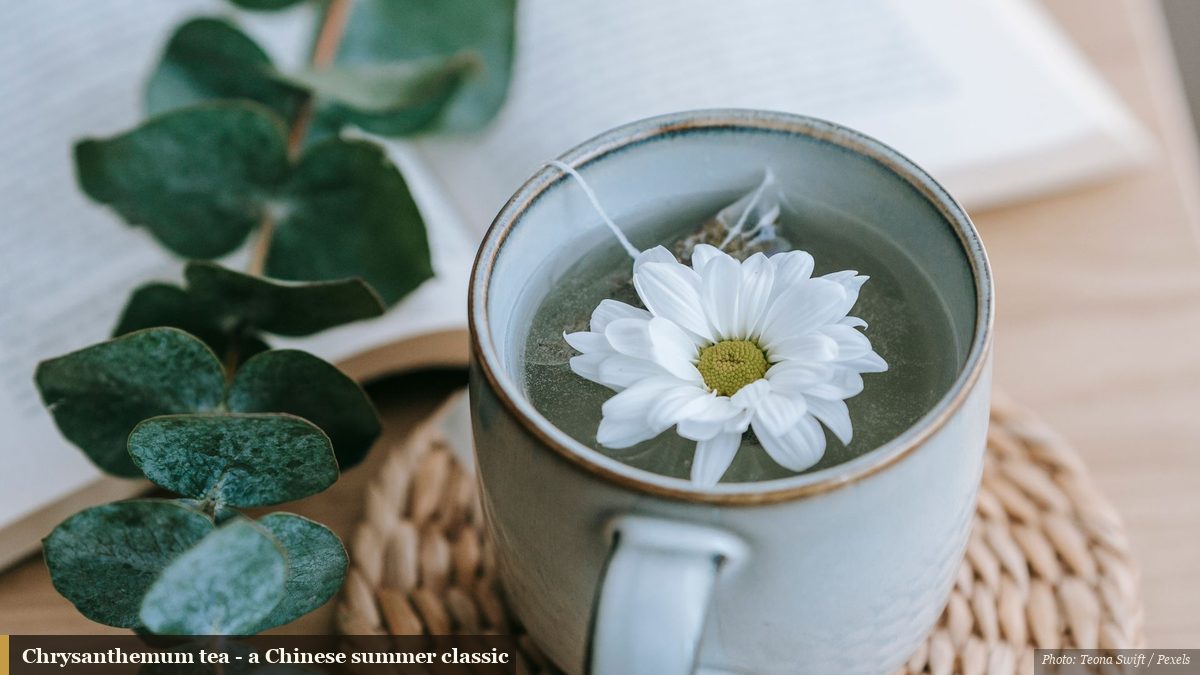
Alongside the herbal tradition, modern Chinese households have embraced a quieter habit: cold-brewing green tea — a handful of leaves in a bottle of cool water in the morning yields a light, barely bitter infusion by afternoon. Yet in many families the classical preference persists: warm tea in small sips, even in July, on the traditional reasoning that ice strains digestion. For a wider tour, see our guide to traditional Asian herbal teas.
How Does Japan Cool Down? Mugicha and Cold-Brew Sencha
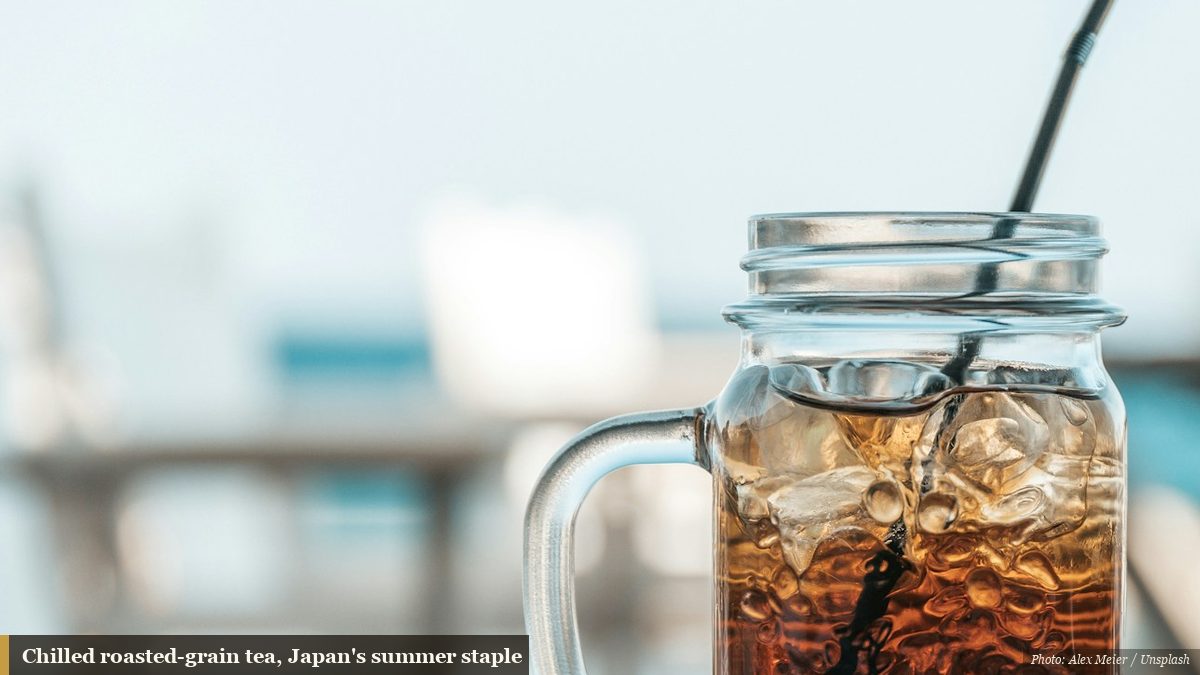
Japan's summer tea is, above all, mugicha (麦茶) — roasted barley steeped in water. A Heian-era dictionary already describes a drink of dried, ground barley, and by the Edo period barley tea was a household staple sold at street stalls. The chilled version spread with home refrigeration in the postwar decades; today June 1 is "Mugicha Day," timed to the barley harvest and the start of the hot season.
Walk into a Japanese home in August and there is very likely a pitcher of cold mugicha in the refrigerator. Naturally caffeine-free and calorie-free, it is served to everyone from toddlers to grandparents. ITO EN, Japan's largest tea company, frames chilled mugicha as a heat-countermeasure in the traditional spirit: sipped steadily through the day, carrying small amounts of the minerals lost through sweat.
The second pillar is mizudashi (水出し) — cold-brewing green tea, most often sencha. Leaves steep in cold water for thirty minutes to several hours, yielding a jade infusion noticeably sweeter and less astringent than hot-brewed sencha, because cold water extracts the bitter compounds far more slowly. It is a method, not a different leaf — the same sencha, transformed by patience. Seasonal shifts in tea customs run through Japan more broadly, a theme we explore in traditional tea rituals across Asia.
What Do Koreans Drink When Summer Peaks?
Korea's everyday answer is chilled boricha (보리차), the roasted barley tea that quietly replaces plain water in many homes. It is typically brewed hot in a large kettle, then cooled and kept in a dedicated jug in the refrigerator. Like mugicha, it is caffeine-free, toasty, and mild enough to drink all day; our boricha guide covers the full preparation.
For special occasions, summer brings omija hwachae (오미자화채) — a rosy punch built on omija, the "five-flavor berry" said to taste sweet, sour, salty, bitter, and pungent at once. What makes omija remarkable here is how it is brewed: tradition insists on a cold steep — about 20 grams of dried berries in a liter of cool water for around twelve hours, never boiled, because heat coarsens its delicate balance. The strained crimson liquor, lightly sweetened and served with pear slices and pine nuts, descends from royal-court refreshments. Korea's most elegant summer drink has been a cold brew all along; for wider context, see our guide to Korean tea culture.
Why Is Trà Đá Vietnam's Unofficial National Drink?
Vietnam takes the most direct route: brew tea strong, then pour it over a glass packed with ice. Trà đá — literally "ice tea," unsweetened — is served reflexively at street stalls, eateries, and cafés nationwide. Vietnamese writers call it the "savior" of scorching days: it costs almost nothing, pairs with everything from phở to broken rice, and refills arrive unasked. In Saigon, some households even set out jugs of free trà đá on the sidewalk for delivery drivers and laborers.
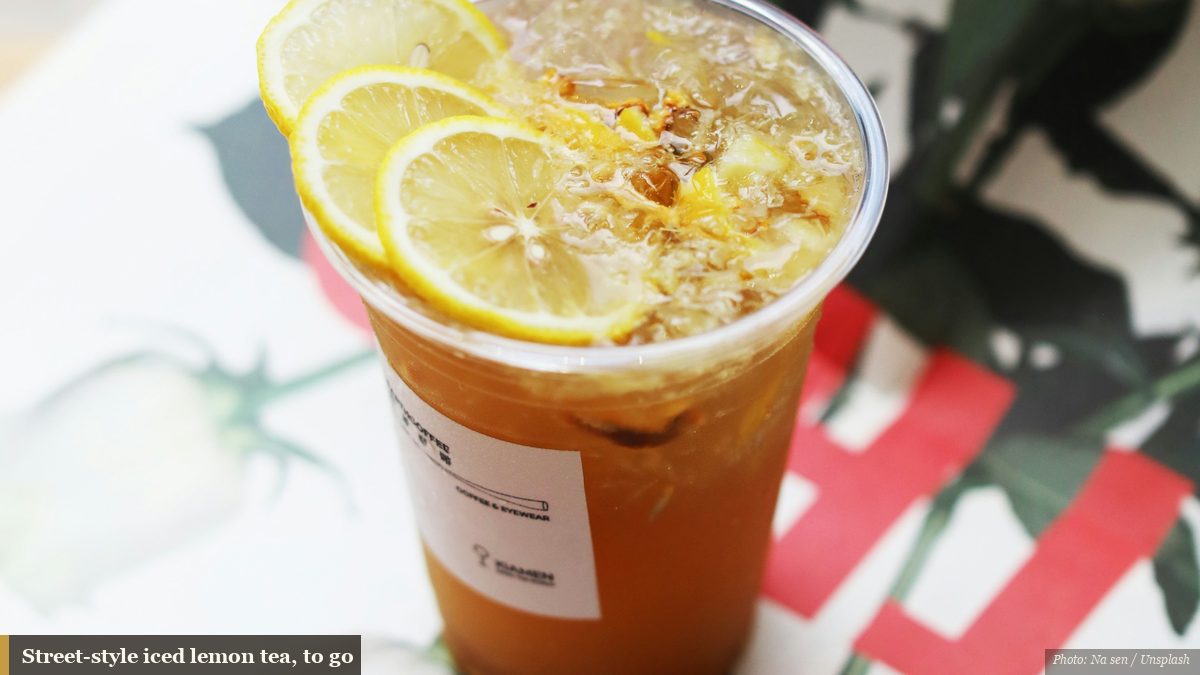
Iced tea is a young tradition there: the North long favored hot green tea, and tea over ice spread nationwide only after refrigeration became widely accessible late in the twentieth century. Beyond trà đá, Vietnamese summers hold other iced cups — trà chanh (lemon iced tea), chilled artichoke tea from Da Lat, and blue butterfly pea tea that turns violet with lime.
Cold Brew or Over Ice — What Is the Difference?
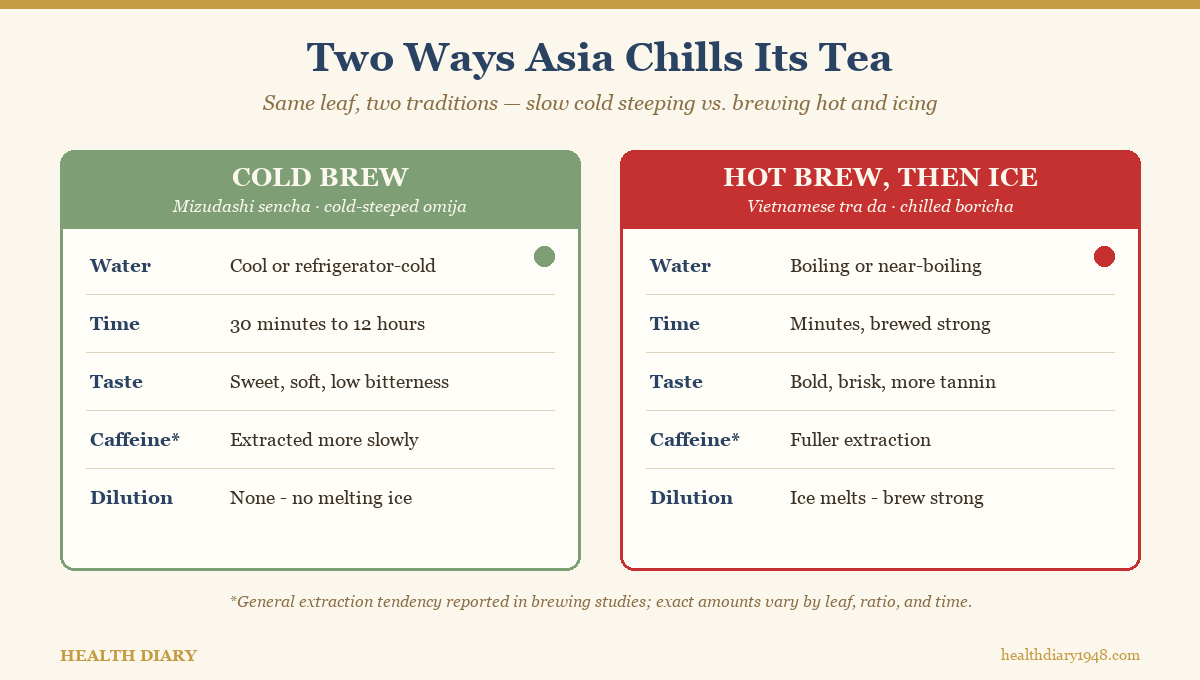
Two chilling methods keep reappearing across these cultures, and they produce genuinely different drinks.
- Cold brewing (mizudashi, cold-steeped omija) — Leaves or berries steep in cold water for 30 minutes to 12 hours. Extraction is slow and selective: less caffeine and fewer bitter tannins come out, so the result is naturally sweet, soft, and undiluted.
- Brewing hot, then icing (trà đá, chilled boricha) — Tea is brewed at full strength with hot water, then cooled or poured over ice. The flavor is bolder, and melting ice thins the cup — which is why Vietnamese vendors brew strong to begin with.
A simple starting recipe for cold-brew green tea: about 5 grams of sencha in one liter of cool water, refrigerated two to six hours, then strained. For barley tea, simmer or steep roasted barley, cool the kettle, and refrigerate the jug — most households simply make a fresh batch each summer day.
What Does Modern Research Say About Cold-Brewed Tea?
Brewing science backs up what tea drinkers taste. A 2023 study in Antioxidants comparing hot and cold brews of the same teas found that hot water generally extracts more total polyphenols and antioxidant compounds, while cold brews are gentler, lighter extractions of the same leaf. Earlier work in the Journal of Food Science and Technology showed how sensitive the cup is to temperature and time: green tea catechin levels peaked at specific brewing conditions and declined with longer, hotter steeping.
The practical reading is modest. Cold brew is not a concentrated wellness elixir — it is a smoother, lower-caffeine way to enjoy tea, with somewhat different proportions of the leaf's compounds; hot brewing draws out more of everything, including bitterness. Traditional methods were already navigating this trade-off: mizudashi accepts gentler extraction in exchange for sweetness, while trà đá brews hot and strong precisely so the ice cannot wash the flavor away.
How Some People Weave Summer Teas Into Their Day
A common rhythm: a pitcher of barley tea or cold-brewed green tea made in the morning, glasses poured steadily through the afternoon, and a caffeine-free cup taking over in the evening. Herbal liangcha or an iced artichoke tea might appear on the most oppressive days, and a festive omija punch when guests come by.
To try this at home, start small: pick one tea — cold-brew sencha or barley tea are the easiest entry points — and make a single daily pitcher for a week. Individual responses vary considerably; what works well for one person may not suit another, and personal experimentation under practitioner guidance is always recommended.
Important Limitations and Considerations
Summer tea customs are gentle traditions, but a few cautions deserve respect.
- Caffeine still counts. Green tea, whether cold-brewed or iced, contains caffeine (cold brewing extracts less, but not zero). People sensitive to caffeine, pregnant individuals, and children may prefer naturally caffeine-free barley tea — one reason mugicha and boricha became family drinks.
- "Cooling" herbal blends are not for everyone. Traditional sources, including the Guangdong TCM bureau, describe liangcha-style brews as cold in nature and traditionally unsuited to people with weak digestion or a "cold" constitution; traditional caution is often advised during pregnancy and breastfeeding.
- Herbs can interact with medications. Ingredients in herbal cooling teas (honeysuckle, chrysanthemum, omija, artichoke leaf, and others) may interact with prescription medicines — ask a healthcare professional before making any herbal tea a daily habit if you take medication or have a chronic condition.
- Food safety for cold brews. Use clean vessels and drinking water, refrigerate promptly, and finish within about 24 hours.
- Watch the sugar. Commercial bottled versions and festive punches are often sweetened; mostly unsweetened homemade versions are the gentler everyday choice.
- Quality and strength vary. Street-stall, homemade, and packaged teas differ widely in strength and ingredients.
Individual experiences vary considerably, and no traditional tea should replace guidance from a qualified clinician for anyone who is unwell.
Frequently Asked Questions
Can I drink cold-brewed green tea every day in summer?
Many people in Japan and China enjoy it daily, making a fresh pitcher each morning. It still contains some caffeine, so caffeine-sensitive drinkers may keep it to earlier in the day or choose barley tea instead. Individual responses vary — if you have a medical condition or take medication, check with a healthcare practitioner first.
Is cold-brew tea healthier than hot tea?
Neither is categorically "healthier." Research suggests hot brewing extracts more total polyphenols, while cold brewing yields a smoother, lower-caffeine cup from the same leaves. The better choice is simply the one you will actually keep drinking, ideally mostly unsweetened.
What is the difference between liangcha and iced tea?
Liangcha is a southern Chinese herbal decoction — often with no tea leaf — that is "cooling" in the traditional sense of its ingredients and usually drunk warm. Iced tea, like Vietnamese trà đá, is ordinary tea chilled with ice. One cools by tradition, the other by temperature.
Is barley tea really caffeine-free?
Yes. Mugicha and boricha are made from roasted barley, a grain, not from the tea plant — naturally caffeine-free and calorie-free when unsweetened. That is why they are the default family summer drink in Japan and Korea, served to children and adults alike.
A Gentle Way to Track Your Summer Tea Habits
One quiet thread through all four traditions is rhythm — a pitcher made each morning, sipped steadily until evening. If you are trying a new summer tea, a simple note of what you brewed and how you felt can help you notice your own patterns — the kind of everyday, non-clinical noticing Health Diary is designed to make easier, and a theme of our guide to Asian herbal tea culture.
A Soft Closing Note
From a bitter cup of liangcha in a Guangzhou shophouse to a beaded glass of trà đá on a Saigon sidewalk, Asia's summer tea traditions share one quiet wisdom: make something pleasant, keep it close, and let the season decide the temperature. Some people explore options like cold-brewing sencha or keeping a jug of barley tea in the refrigerator; others simply borrow the habit of steady, unhurried sips. Whichever cup appeals to you, treat these customs as time-tested company for the hottest months — and let a qualified practitioner guide any decisions that touch on your health.
About This Article
Written by: Health Diary Editorial Team — writers with backgrounds in cultural wellness and tea history across Asia.
Editorial review: This article has been reviewed by the Health Diary editorial team for clarity, structure, and adherence to our sourcing standards. Key claims were cross-checked against peer-reviewed food-science journals, the Harvard T.H. Chan School of Public Health, and official Chinese government health sources where applicable. It is not a clinical review and should not replace consultation with a licensed healthcare practitioner.
Reviewed on: July 16, 2026.
Editorial process: We cite peer-reviewed and government sources where possible. When a clinical reviewer is added to this article, attribution will appear here with verifiable credentials.
References
- Carloni, P., Albacete, A., Martínez-Melgarejo, P. A., Girolametti, F., Truzzi, C., & Damiani, E. (2023). Comparative Analysis of Hot and Cold Brews from Single-Estate Teas (Camellia sinensis) Grown across Europe. Antioxidants, 12(6), 1306. https://pmc.ncbi.nlm.nih.gov/articles/PMC10295353/
- Özdemir, F., et al. (2015). Effects of different brewing conditions on catechin content and sensory acceptance in Turkish green tea infusions. Journal of Food Science and Technology. https://pmc.ncbi.nlm.nih.gov/articles/PMC4573099/
- Harvard T.H. Chan School of Public Health. (2024). Drinking green tea is a healthy habit. https://hsph.harvard.edu/news/green-tea-healthy-habit/
- 广东省中医药局 (Guangdong Provincial Bureau of Traditional Chinese Medicine). (2022). 三杯茶饮,既消暑降温又不伤脾胃. http://szyyj.gd.gov.cn/zyyfw/ysbj/content/post_3979844.html
- 伊藤園 (ITO EN). 暑さ対策に — 健康ミネラルむぎ茶. https://www.itoen.jp/mugicha/supply/
- Saigoneer. Tản mạn về trà đá, vị cứu tinh của người Việt trong những ngày hè oi ả. https://saigoneer.com/vn/snack-attack/16695
- China Daily (government portal). (2018). Liangcha (cooling tea). https://govt.chinadaily.com.cn/s/201806/29/WS5c120736498eefb3fe46ebd3/liangcha.html
- Unseen Japan. (2022). Mugicha: A Short History of Japanese Barley Tea. https://unseen-japan.com/mugicha-japanese-barley-tea-history/
- Taste Korean Food. Omija (five-flavor berry). https://www.tastekoreanfood.com/ingredients/omija
This article explores traditional cultural approaches to summer tea. It is not medical advice.