Medical Disclaimer: This content is for educational and informational purposes only and is not medical advice. It reflects traditional Chinese, Japanese, Korean, and Vietnamese cultural practices and folk wellness traditions and is not intended to diagnose, treat, cure, or prevent any disease. Always consult a licensed healthcare practitioner before making significant dietary changes. Statements regarding traditional foods have not been evaluated by the FDA.
Affiliate Disclosure: This article may contain affiliate links. We may earn a commission if you purchase through these links, at no additional cost to you. We only recommend products we believe align with our editorial standards.
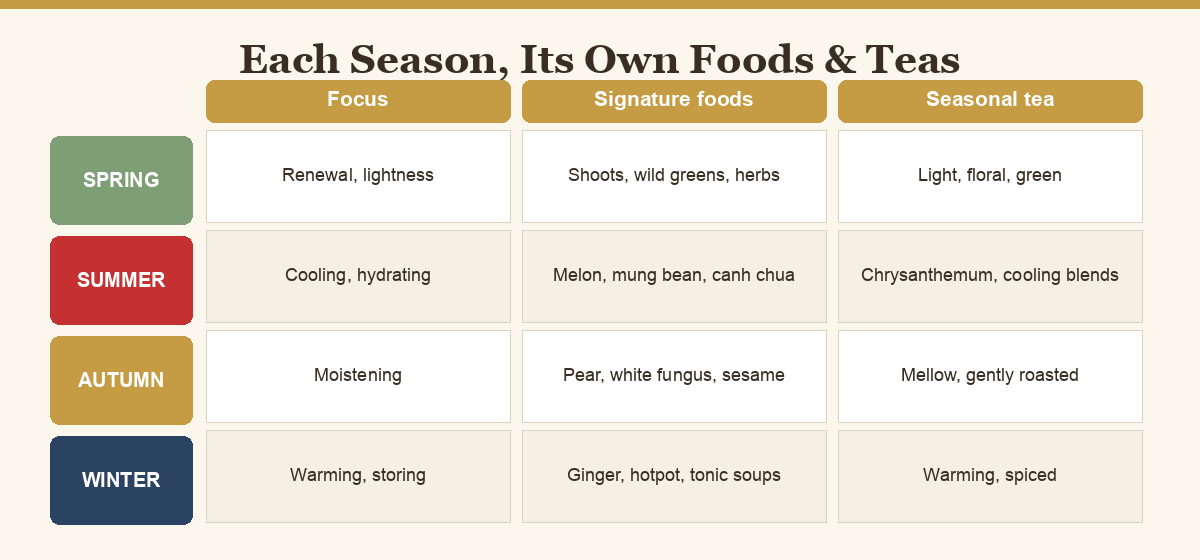
For most of human history, there was no other way to eat but with the seasons. What the fields and markets offered in April was simply different from what they offered in November. Across East and Southeast Asia, that practical reality grew into something richer: a philosophy of adjusting not just what you eat, but how you rest, dress, and move as the year turns. Spring calls for fresh greens and gentle activity; summer for cooling foods and shade; autumn for moistening, nourishing dishes; winter for warming soups and early nights.
This guide is the hub for our writing on seasonal wellness. It explains the old framework behind "eating with the seasons," walks through the four seasons across the region, looks at seasonal teas, and weighs honestly what modern science can and cannot say. It is a doorway to our deeper seasonal guides, not the last word.
What Is "Seasonal Wellness"?
Seasonal wellness is the simple, old idea of living in step with the time of year — eating produce at its natural peak, and shaping daily habits to the weather and the light. In East Asian thought this became a formal principle. The foundational text of Chinese medicine, the Huangdi Neijing, devotes an early chapter to "regulating the spirit according to the four seasons," advising people to rise and sleep with the changing daylight and to eat in tune with each season's character (Huangdi Neijing, Suwen).
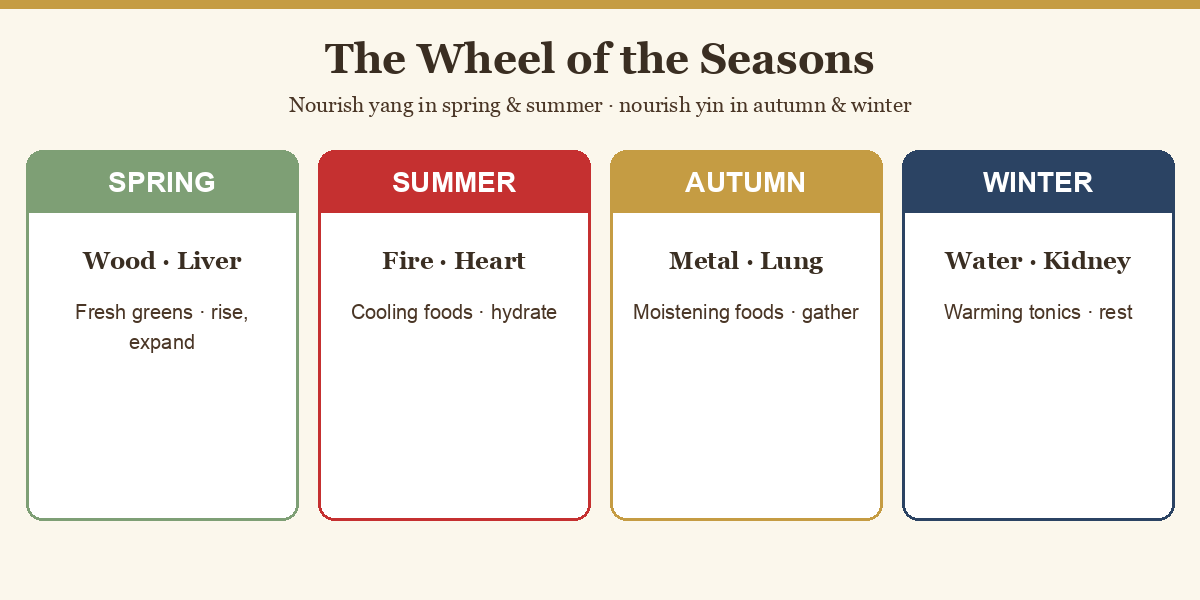
Its most quoted line captures the whole idea: 春夏养阳,秋冬养阴 — "nourish yang in spring and summer, nourish yin in autumn and winter." In practice this means leaning into freshness, lightness, and activity in the warmer half of the year, and toward warmth, richness, and rest in the colder half (review of yangsheng). The year, in this view, is not four separate boxes but a single breathing cycle: energy rises and expands through spring and summer, then gathers and settles through autumn and winter. Wellness, then, is less about any one "superfood" and more about moving gently with that tide rather than against it. Many of these ideas are organised through yin and yang and the five elements, which pair each season with an element and an organ system.
The Ancient Framework — Yin-Yang and the 24 Solar Terms
The most elegant expression of seasonal living is the 24 solar terms (二十四节气), a calendar that divides the sun's yearly path into 24 fortnightly segments — from "Beginning of Spring" to "Great Cold." Originating in the Yellow River region of China, the system has guided farming and daily routines for centuries, and UNESCO inscribed it as intangible cultural heritage in 2016 (UNESCO, 24 Solar Terms).
Japan expresses the same instinct through shun (旬) — the peak moment when a food is at its finest — a value so central to Japanese cuisine that UNESCO recognised washoku, traditional Japanese dietary culture, partly for its respect for seasonality (UNESCO, Washoku). Korea organises festival and everyday foods around the same solar terms, distinguishing sisik (seasonal-produce foods) from jeolsik (festival foods) (Encyclopedia of Korean Culture), and Vietnam keeps the everyday wisdom of mùa nào thức nấy — "each season, its own food" (VietnamPlus).
Spring — Renewal and Fresh Greens
In the seasonal framework, spring is the time of upward, outward energy — "the period of bringing forth the new," in the words of the Neijing, when one should rise earlier and move more freely. It pairs with the Wood element and, traditionally, with the liver. On the plate, that means the fresh, green, and lightly sour: young shoots, wild greens, sprouts, and herbs.
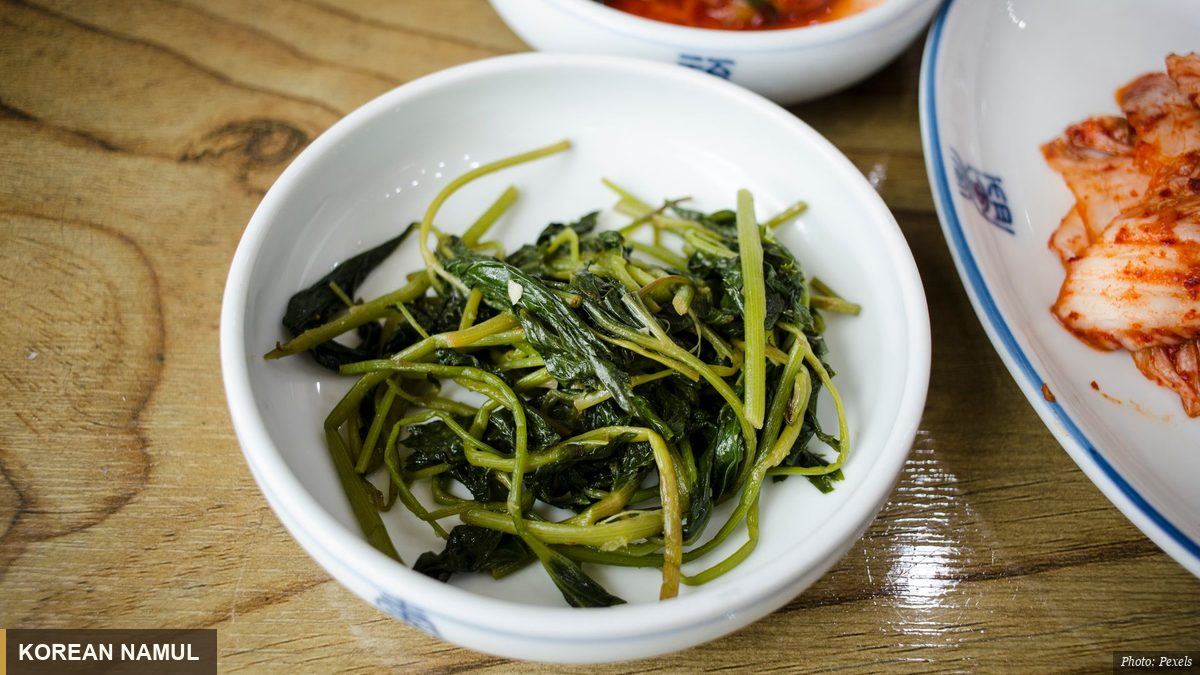
Across the region this looks like Vietnamese spring rolls bright with raw herbs, Japanese sansai (mountain vegetables), and Chinese and Korean dishes built around the first tender greens of the year. Our guides to spring wellness traditions and spring foods of Asia go into detail, and the light, floral cups in our spring herbal teas guide match the season's mood. Individual experiences vary considerably.
Summer — Cooling, Hydration, and "Fight Heat With Heat"
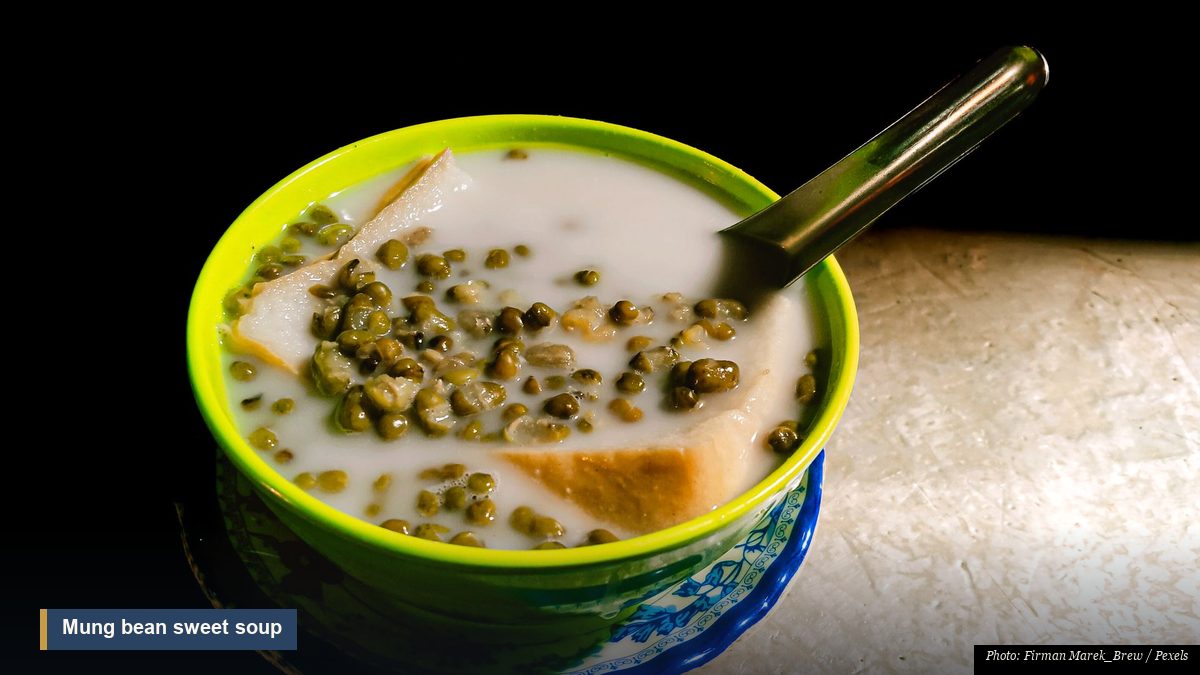
Summer, paired with Fire, calls for keeping cool and well hydrated. The tradition leans toward "cooling" foods — watery vegetables, mung beans, melons — and plenty of fluids. Chinese kitchens simmer mung-bean soup as a classic hot-weather refresher; Vietnamese tables turn to sour, light soups such as canh chua; and across the region, bitter and watery vegetables are favoured for their fresh, cooling character. The logic is intuitive: when the body is working hard to stay cool, lighter meals and ample fluids simply feel right. That instinct aligns with plain medical advice: fluid needs genuinely rise in the heat, and health authorities suggest roughly 3.7 litres of total daily fluids for men and 2.7 for women, more when it is hot or you are active (Mayo Clinic).
Korea adds a fascinating twist. On the hottest days of summer, the sambok season, many Koreans practise iyeol-chiyeol (이열치열, "fight heat with heat") — eating a piping-hot bowl of samgyetang, ginseng-and-jujube chicken soup, on the theory that warming the body helps it cope with the heat (Kyunghyang, samgyetang custom). Explore more in our guides to summer wellness, cooling summer foods, and traditional hydration practices.
Autumn — Moistening Foods for a Drier Season
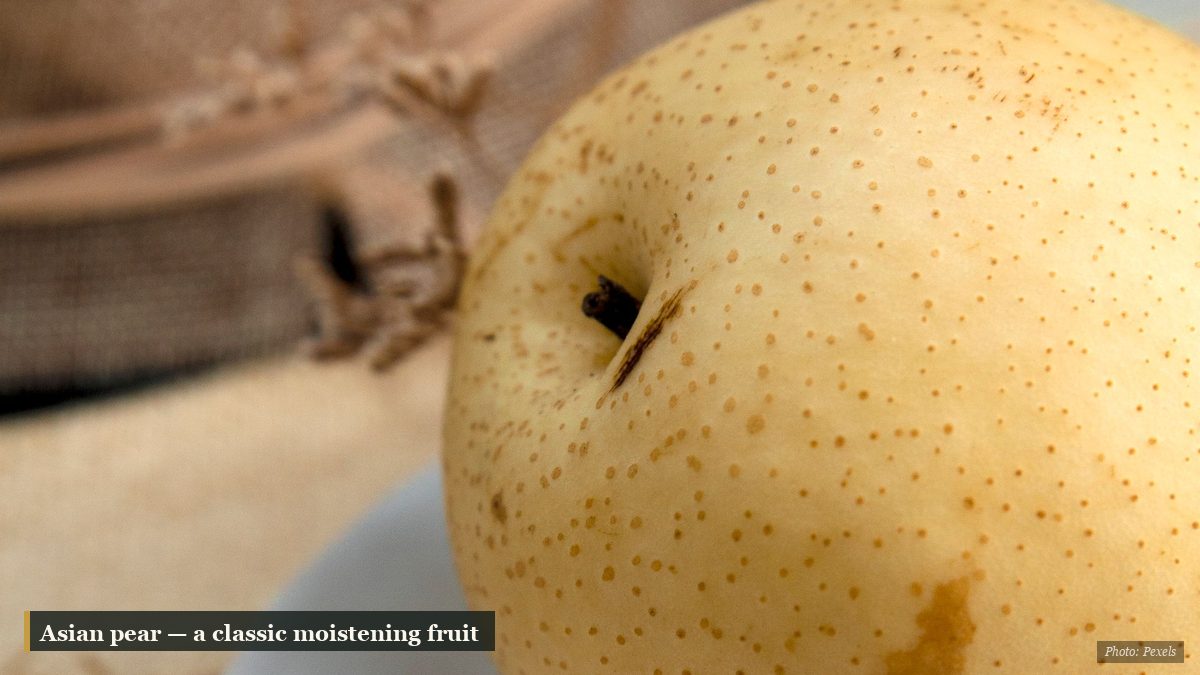
As the air turns crisp and dry, autumn traditionally shifts the focus toward "moistening" and nourishing foods. In the five-element scheme, autumn is the season of Metal and, by association, the lungs, which the tradition regards as sensitive to dryness. The classic autumn foods are soft, pale, and soothing: pears, white fungus (tremella), lotus root, sesame, honey, and nuts.
It is worth being clear that the "lung and dryness" logic is a traditional cultural framework rather than a proven medical claim — but the underlying habit, eating more soft-cooked seasonal produce as the weather cools, is a gentle and sensible one. Our guides to autumn wellness, autumn nourishing foods, and autumn tea traditions explore the season in full.
Winter — Warming Tonics and the Solstice
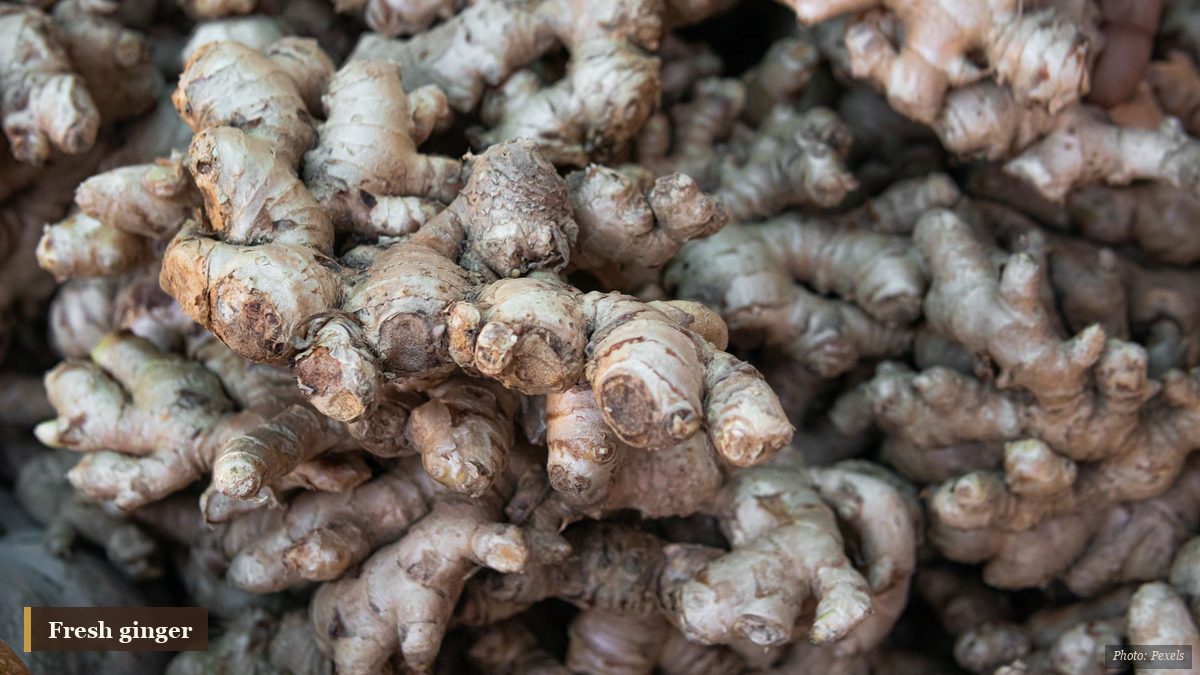
Winter is the season of storing and rest. The Neijing advises sleeping earlier and rising later, "as if you had a personal intention you wished to keep hidden" — conserving energy through the cold. The table turns to warming, richer, slow-cooked dishes: ginger, black-coloured foods, hearty broths, and communal hotpots. In the five-element scheme winter belongs to Water and, traditionally, the kidneys, which the tradition links to deep reserves of energy — hence the season's emphasis on nourishing, restorative "tonic" cooking. Dark foods such as black sesame, black beans, and black-skinned chicken feature in many winter tonic soups, and the shared hotpot becomes as much a social ritual as a meal.
The winter solstice carries its own customs. In Japan, the solstice (tōji) is marked by a warming yuzu-citrus bath (yuzu-yu) and by eating kabocha pumpkin, Edo-period traditions associated with good fortune and seeing out the winter in good health (All About, tōji customs). There is even a genuine seasonal-physiology fact here: at higher latitudes, winter sunlight is too weak for the skin to make much vitamin D, which is why dietary sources and, for some people, supplements matter more in the colder months (NIH Office of Dietary Supplements). See our guides to winter wellness, warming winter foods, and winter tea traditions.
Seasonal Teas Through the Year
Tea, too, follows the calendar. Broadly, the tradition pairs light, floral, and green cups with spring; cooling infusions such as chrysanthemum with summer; gently moistening, mellow teas with autumn; and warming, spiced cups with winter. This is best understood as cultural rhythm and personal enjoyment rather than a set of health prescriptions.
You can follow the year through our seasonal tea guides — from spring and summer to autumn and winter — or browse the cooling herbal teas guide for the warmer months. For the bigger picture of the region's tea, see our complete guide to Asian herbal teas.
What Does Modern Research Say?
Here it pays to be careful and honest. Seasonal wellness is mostly cultural wisdom, and only parts of it have been studied directly.
Seasonal eating. A well-cited review concluded that eating seasonally can add welcome variety and dietary diversity, but framed it as just one small element of a healthy, sustainable diet — not a health intervention in itself, and not something that should distract from bigger levers like overall diet quality (Macdiarmid, 2014). The broad, evidence-based backbone under every seasonal tradition is simply eating plenty and a variety of fruits and vegetables — the WHO suggests at least 400 grams a day (WHO, Healthy Diet). Seen this way, the seasonal traditions are a time-tested delivery system for exactly that advice: by following what is fresh, you naturally rotate through a wide range of plants across the year, which is precisely what nutrition guidance encourages.
A common myth to avoid. Articles sometimes cite "chrononutrition" research as proof that seasonal eating works. In fact that field studies the daily body clock — when in the day you eat — not the annual cycle of seasons, so it should not be stretched into a seasonal claim (chrononutrition overview). The most solid seasonal-health facts are narrow and specific, like winter vitamin D and summer hydration. Read the rest as culture worth enjoying, not medicine.
Important Limitations and Considerations
- Traditional categories are cultural, not clinical. Ideas like "cooling," "warming," "lung season," or "tonic" foods are a traditional framework for thinking about eating — not proven medical effects.
- Tonic soups and herbs deserve caution. Ginseng-based tonics such as samgyetang, and other herbal additions, can interact with medications; the NCCIH notes that evidence for many traditional herbs is mixed and that herbal products can carry quality and contamination risks (NCCIH).
- Pregnancy, chronic conditions, and medications. If you are pregnant, managing a health condition, or taking prescription medicine, check with your provider before adding seasonal tonics or making big dietary shifts.
- Balance beats extremes. No single season's foods are "good" or "bad"; the tradition is about gentle adjustment, not rigid rules.
- Individual responses vary considerably. Climate, constitution, and taste differ from person to person; use these customs as a friendly guide, not a prescription.
Frequently Asked Questions
What is seasonal eating?
Seasonal eating means choosing foods at their natural peak for the time of year and adjusting your meals to the weather — lighter, fresher food in warm months and warmer, richer food in cold ones. It is valued for freshness and variety, and UNESCO recognises the seasonal focus of Japanese washoku cuisine as cultural heritage (UNESCO).
What are the 24 solar terms?
The 24 solar terms are a traditional Chinese calendar dividing the sun's yearly path into 24 fortnightly periods, each marking a shift in weather and farming. UNESCO inscribed the system as intangible cultural heritage in 2016 (UNESCO).
What foods are eaten in each season across Asia?
Broadly: fresh greens and shoots in spring; cooling, watery foods and plenty of fluids in summer; moistening foods like pears and white fungus in autumn; and warming soups, ginger, and hotpots in winter. Each culture has its own signature dishes within this pattern.
Is seasonal eating backed by science?
Partly. Research suggests seasonal eating adds dietary variety but is one small part of a healthy diet rather than a treatment in itself (Macdiarmid, 2014). A few specific seasonal facts — such as reduced winter vitamin D and higher summer fluid needs — are well established, while much of the rest is best seen as cultural wisdom.
What is the Korean "fight heat with heat" custom?
On the hottest summer days, many Koreans eat hot ginseng-chicken soup (samgyetang) under the principle of iyeol-chiyeol — "fight heat with heat" — believing that warming the body helps it adapt to extreme heat (Kyunghyang).
Why do Japanese take a yuzu bath at the winter solstice?
The yuzu bath (yuzu-yu) is an Edo-period winter-solstice (tōji) custom, enjoyed for its warming, fragrant qualities and associated with good fortune and passing the winter in good health (All About).
A Note on Living With the Seasons
You do not have to overhaul your kitchen to enjoy seasonal wellness. Shopping for what looks freshest, cooking a little lighter in summer and a little heartier in winter, and noticing how different foods suit different weather is most of the practice. If you like building gentle habits, keeping a simple seasonal note — what you cooked, which teas you reached for, how each season felt — can make the year's rhythm visible. Our reader quiz can help you find a starting point, and our season-by-season guides for spring, summer, autumn, and winter give you concrete ideas, as does our hub on Asian food therapy.
A Soft Closing Note
Seasonal wellness traditions were never about a strict rulebook. They are a reminder to look up from the calendar on the wall to the one outside the window — to let spring's greens, summer's coolness, autumn's harvest, and winter's warmth shape the table and the day. Whether you follow the 24 solar terms closely or simply cook with whatever is freshest this week, the invitation is the same: eat with the season, rest with the season, and let the year set a gentle rhythm. To keep exploring, wander into our guide to Asia's herbal teas, the healthy aging traditions hub, or the theory behind it all in yin and yang.
About This Article
Written by: Health Diary Editorial Team — writers and researchers focused on making traditional Asian wellness knowledge clear, accurate, and culturally grounded.
Editorial review: This article has been reviewed by the Health Diary editorial team for clarity, structure, and adherence to our sourcing standards. Key claims were cross-checked against UNESCO, the WHO, NIH, NCCIH, and peer-reviewed and native-language sources where applicable. It is not a clinical review and should not replace consultation with a licensed healthcare practitioner.
Reviewed on: August 4, 2026.
Editorial process: We cite peer-reviewed, government, and classical sources where possible, and we clearly separate traditional cultural practice from established medical evidence rather than blurring the two.
References
- Macdiarmid JI. Seasonality and dietary requirements: will eating seasonal food contribute to health? Proc Nutr Soc. 2014. https://pubmed.ncbi.nlm.nih.gov/25027288/
- Chrononutrition and Cardiometabolic Health: An Overview. Nutrients/PMC, 2024. https://www.ncbi.nlm.nih.gov/pmc/articles/PMC11280377/
- Review on health preservation (yangsheng) in traditional Chinese medicine. Atlantis Press. https://www.atlantis-press.com/article/125983120.pdf
- NCCIH. Traditional Chinese Medicine: What You Need To Know. https://www.nccih.nih.gov/health/traditional-chinese-medicine-what-you-need-to-know
- World Health Organization. Healthy diet — fact sheet. https://cdn.who.int/media/docs/default-source/healthy-diet/healthy-diet-fact-sheet-394.pdf
- Mayo Clinic. Water: How much should you drink every day? https://www.mayoclinic.org/healthy-lifestyle/nutrition-and-healthy-eating/in-depth/water/art-20044256
- NIH Office of Dietary Supplements. Vitamin D. https://ods.od.nih.gov/factsheets/VitaminD-Consumer/
- UNESCO. The Twenty-Four Solar Terms (inscribed 2016). https://ich.unesco.org/en/RL/the-twenty-four-solar-terms...
- UNESCO. Washoku, traditional dietary cultures of the Japanese (inscribed 2013). https://ich.unesco.org/en/RL/washoku...
- Huangdi Neijing, Suwen, "Discourse on Regulating the Spirit According to the Four Qi" (四气调神大论). https://neijing.5000yan.com/suwen/sqts/
- Encyclopedia of Korean Culture (한국민족문화대백과사전). 세시풍속 (seasonal customs). https://encykorea.aks.ac.kr/Article/E0029819
- Kyunghyang Shinmun. 복날 이열치열 삼계탕 (samgyetang summer custom). https://www.khan.co.kr/article/202507190600001
- All About (暮らしの歳時記). 冬至とは?ゆず湯・かぼちゃ (tōji customs). https://allabout.co.jp/gm/gc/220635/
- VietnamPlus. Ẩm thực theo mùa (seasonal eating in Vietnam). https://www.vietnamplus.vn/am-thuc-theo-mua...




